The closely watched case of the Massachusetts mother who killed her three young children was on the verge of being declared a mistrial Friday — but there was still one more dramatic moment to come.
After weeks of grueling testimony, the jury could not get beyond an impasse on the seventh day of deliberations on murder charges against Lindsay Clancy. An audible gasp was heard in the courtroom as Judge William F. Sullivan said he was going to to end their deliberations without reaching a verdict.
Click to Gallery
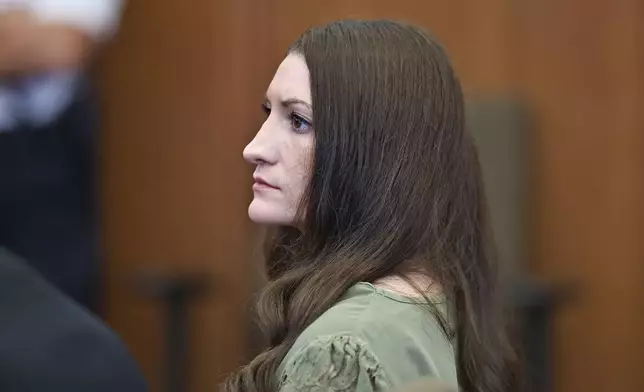
Defendant Lindsay Clancy watches jurors enter the courtroom during her murder trial on Friday, Sept. 4, 2026, in Plymouth, Mass. (Greg Derr/The Patriot Ledger via AP, Pool)
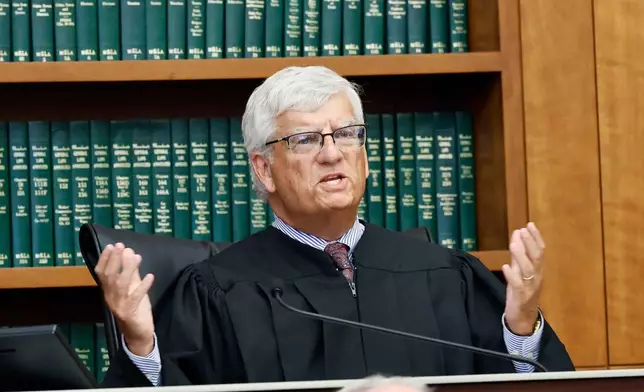
Judge William Sullivan addresses the lawyers during jury deliberations in Lindsay Clancy’s murder trial on Friday, Sept. 4, 2026, in Plymouth, Mass. (Greg Derr/The Patriot Ledger via AP, Pool)
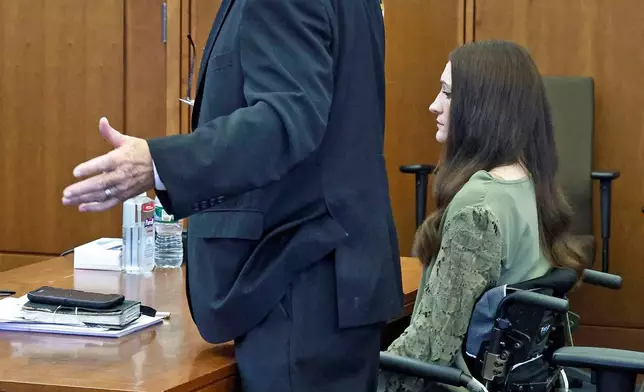
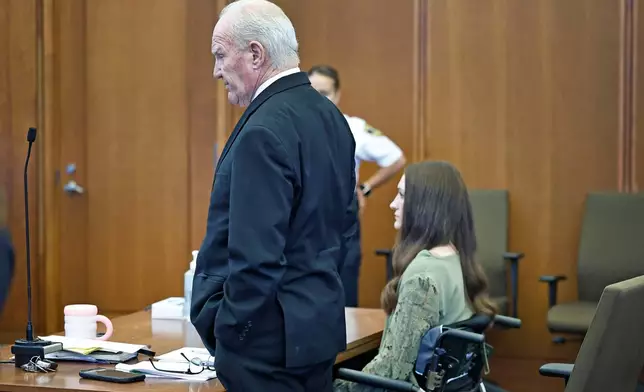
Lindsay Clancy sits as her lawyer, Kevin Reddington, asks for a one-hour stay to appeal after the jury in Clancy’s murder trial indicated it was unable to reach a verdict Friday, Sept. 4, 2026, in Plymouth, Mass. (Greg Derr/The Patriot Ledger via AP, Pool)
Lindsay Clancy sits as her lawyer, Kevin Reddington, asks for a one-hour stay to appeal after the jury in Clancy’s murder trial indicated it was unable to reach a verdict Friday, Sept. 4, 2026, in Plymouth, Mass. (Greg Derr/The Patriot Ledger via AP, Pool)
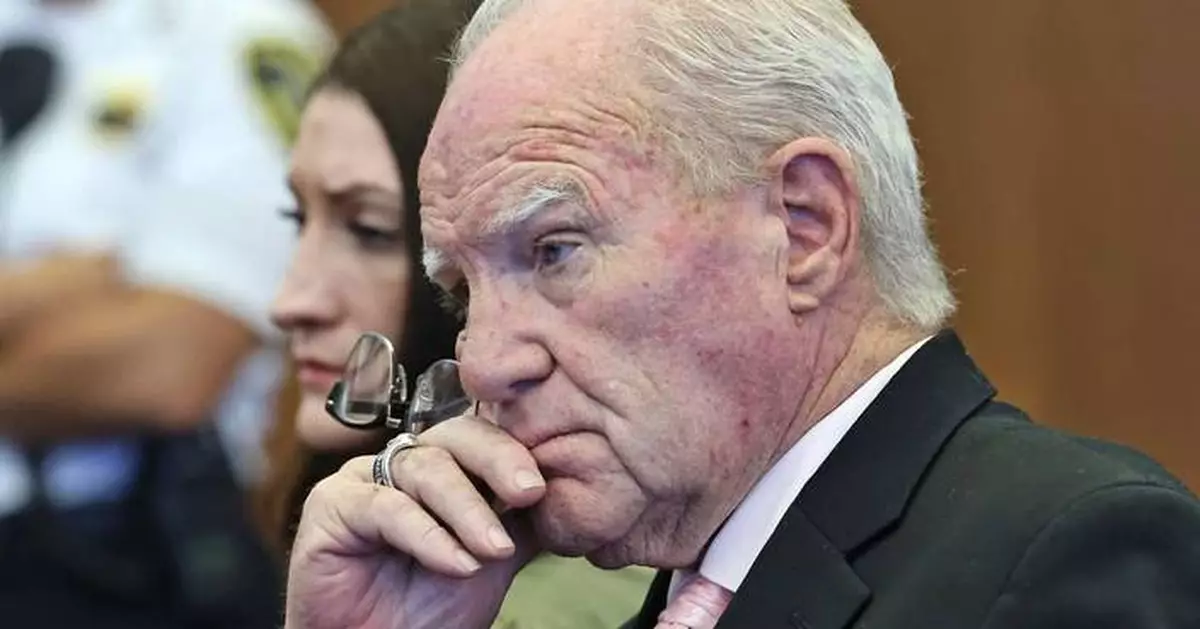
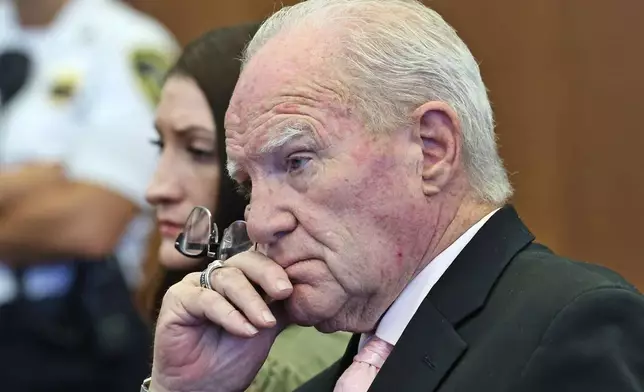
Defense attorney Kevin Reddington and defendant Lindsay Clancy listen to Judge William Sullivan speak with the jury after declaring a mistrial at court in Plymouth, Mass., on Friday, Sept. 4, 2026. (Greg Derr/The Patriot Ledger via AP, Pool)
But just as the jurors were about to come back to the courtroom, Lindsay Clancy’s lawyer asked to make a last-minute request for a higher court to stave off the mistrial. That kicked off a tense wait while a judge on the state’s top court considered the ask.
The whiplash moment was one last piece of courtroom drama in a livestreamed trial that captivated and divided many across the nation. And now prosecutors must decide whether to do it all over again with a second trial.
Ultimately on Friday, the high court denied the defense attorney's appeal and the judge formally declared a mistrial later in the afternoon. Clancy's attorney, Kevin Reddington, blamed a lone juror for the impasse. Defense attorneys argued in their written petition that the person had revealed a possible bias against those dealing with mental illness.
Clancy, a 36-year-old former labor and delivery nurse, never disputed that she killed her children, but her attorney said she was experiencing a rare condition called postpartum psychosis when she strangled her kids, the youngest just 8 months old, and then tried to take her own life in 2023. Prosecutors said Clancy knew what she was doing and should be held criminally responsible.
The jury foreperson had previously told Sullivan that a single juror wouldn’t follow the court’s instruction about reasonable doubt, according to Reddington.
In their last-minute appeal, Clancy’s lawyers had argued the juror should, at minimum, be questioned more thoroughly by the judge, or even dismissed outright before a mistrial was declared. Prosecutors responded that there was nothing in the jury’s notes indicating the juror in question had “a lack of impartiality, bias, extraneous influence, or inability to deliberate.”
Jurors had heard competing expert testimony about Clancy’s mental health.
Massachusetts defense attorney Joseph Perullo, who was not involved in the case, said it was “clear cut” for him, but he acknowledged that jurors could have difficulties.
“It’s clear that Lindsay had a psychotic break, and the psychotic break led her to kill her children,” he said. “But the prosecution can tell you that she sent her husband off for errands and therefore she is criminally responsible.”
Plymouth County District Attorney Timothy Cruz said after the mistrial was declared there would not be an immediate decision on whether to go forward with a second trial.
Perullo said he is hopeful prosecutors will speak to Patrick Clancy, the children's father, and other family.
“It is a tremendous stress on them to do it again, and it's going to be an even bigger circus,” he said.
But Crystal Lyons, a former prosecutor in Massachusetts, believes prosecutors don't have the option not to retry Lindsay Clancy.
“At the end of the day, it was a tragedy where there were three young children who lost their lives,” she said.
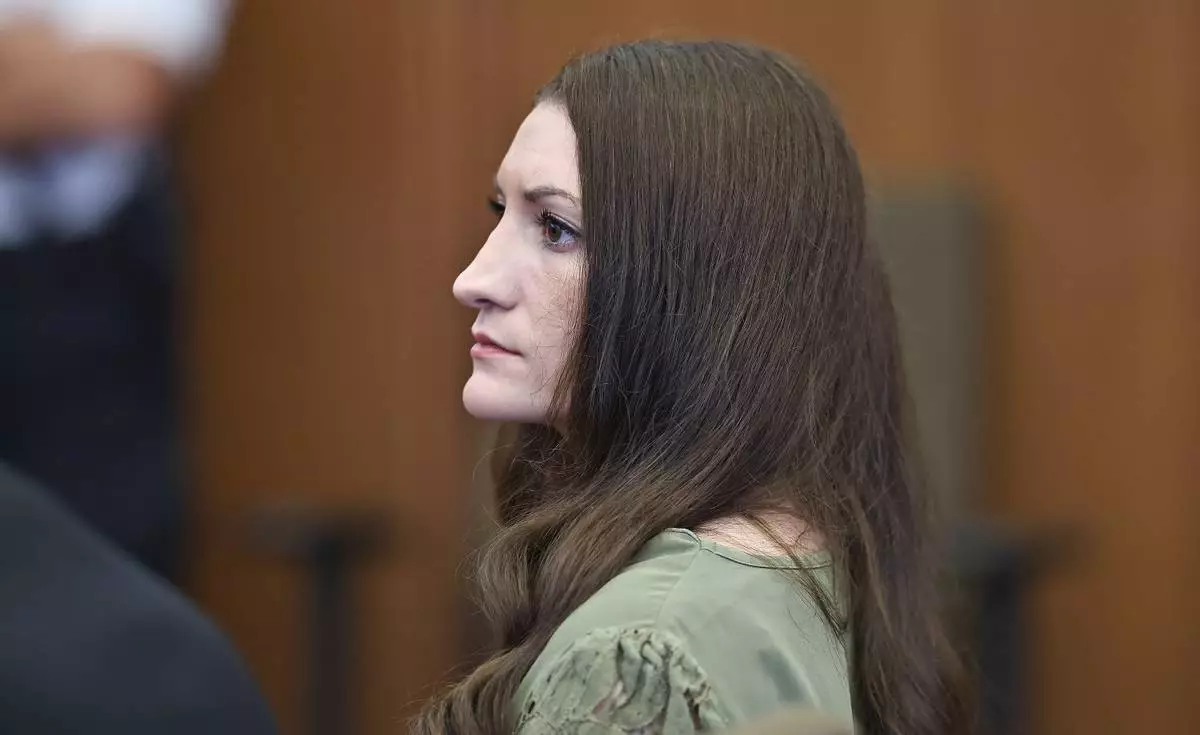
Defendant Lindsay Clancy watches jurors enter the courtroom during her murder trial on Friday, Sept. 4, 2026, in Plymouth, Mass. (Greg Derr/The Patriot Ledger via AP, Pool)
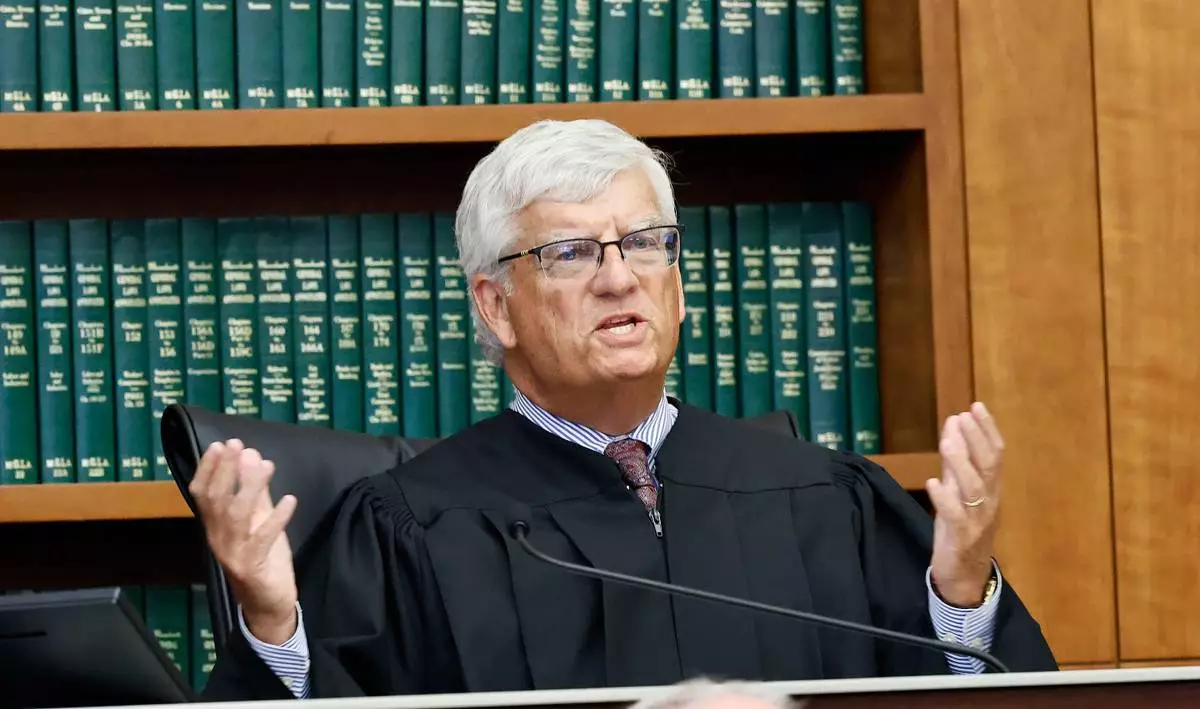
Judge William Sullivan addresses the lawyers during jury deliberations in Lindsay Clancy’s murder trial on Friday, Sept. 4, 2026, in Plymouth, Mass. (Greg Derr/The Patriot Ledger via AP, Pool)
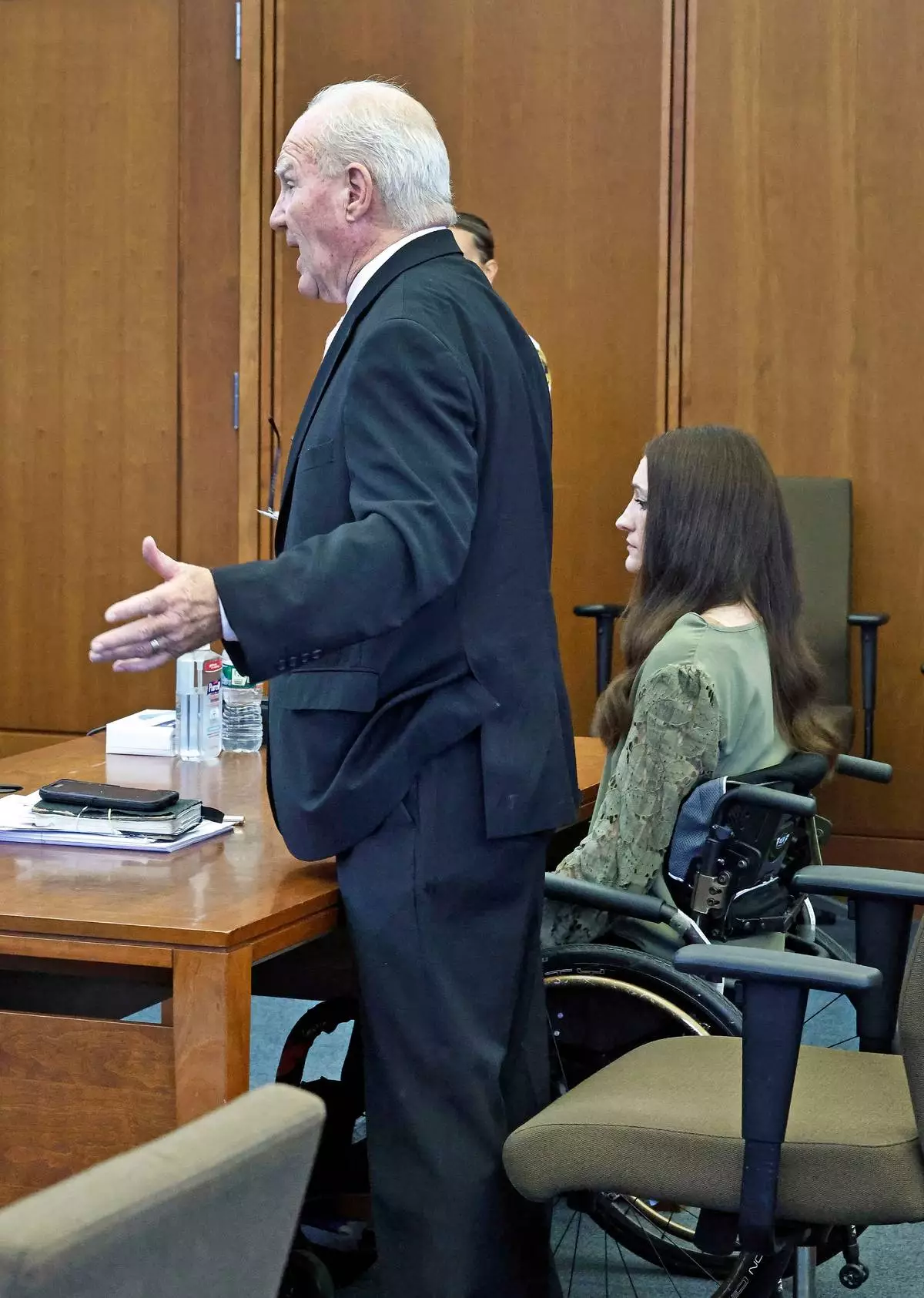
Lindsay Clancy sits as her lawyer, Kevin Reddington, asks for a one-hour stay to appeal after the jury in Clancy’s murder trial indicated it was unable to reach a verdict Friday, Sept. 4, 2026, in Plymouth, Mass. (Greg Derr/The Patriot Ledger via AP, Pool)
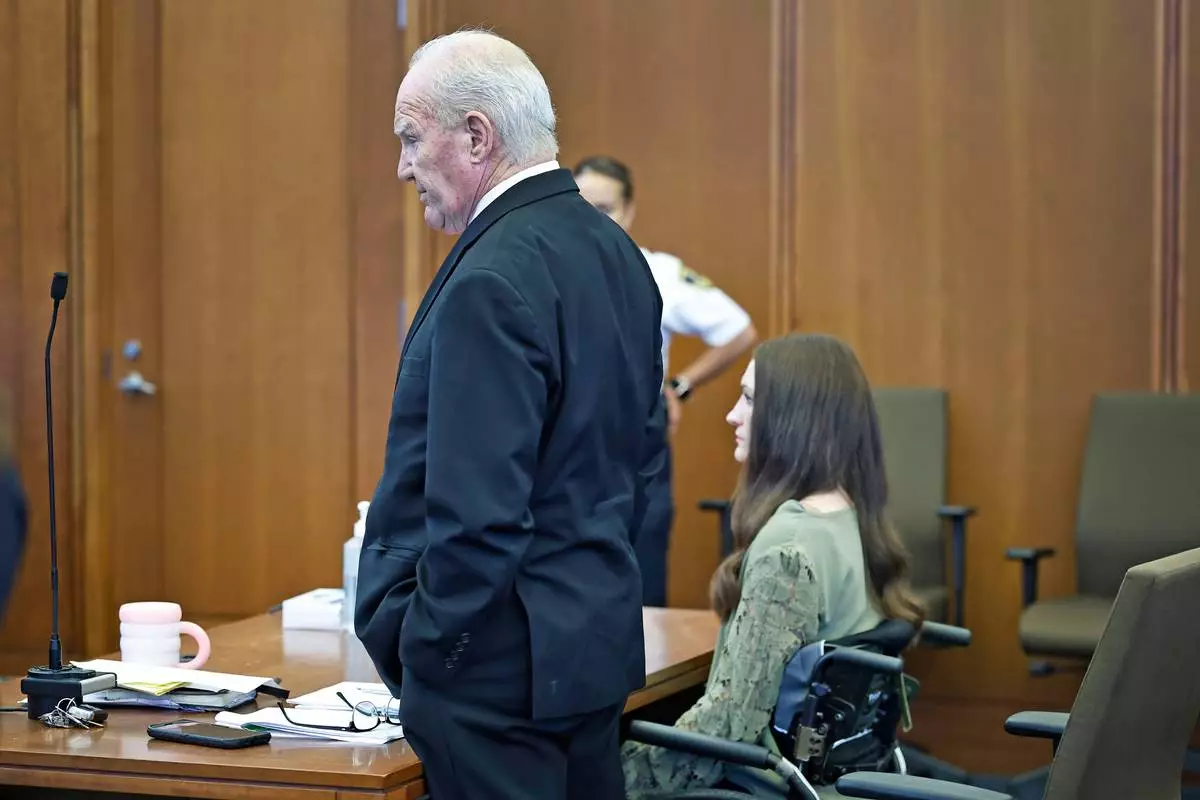
Lindsay Clancy sits as her lawyer, Kevin Reddington, asks for a one-hour stay to appeal after the jury in Clancy’s murder trial indicated it was unable to reach a verdict Friday, Sept. 4, 2026, in Plymouth, Mass. (Greg Derr/The Patriot Ledger via AP, Pool)
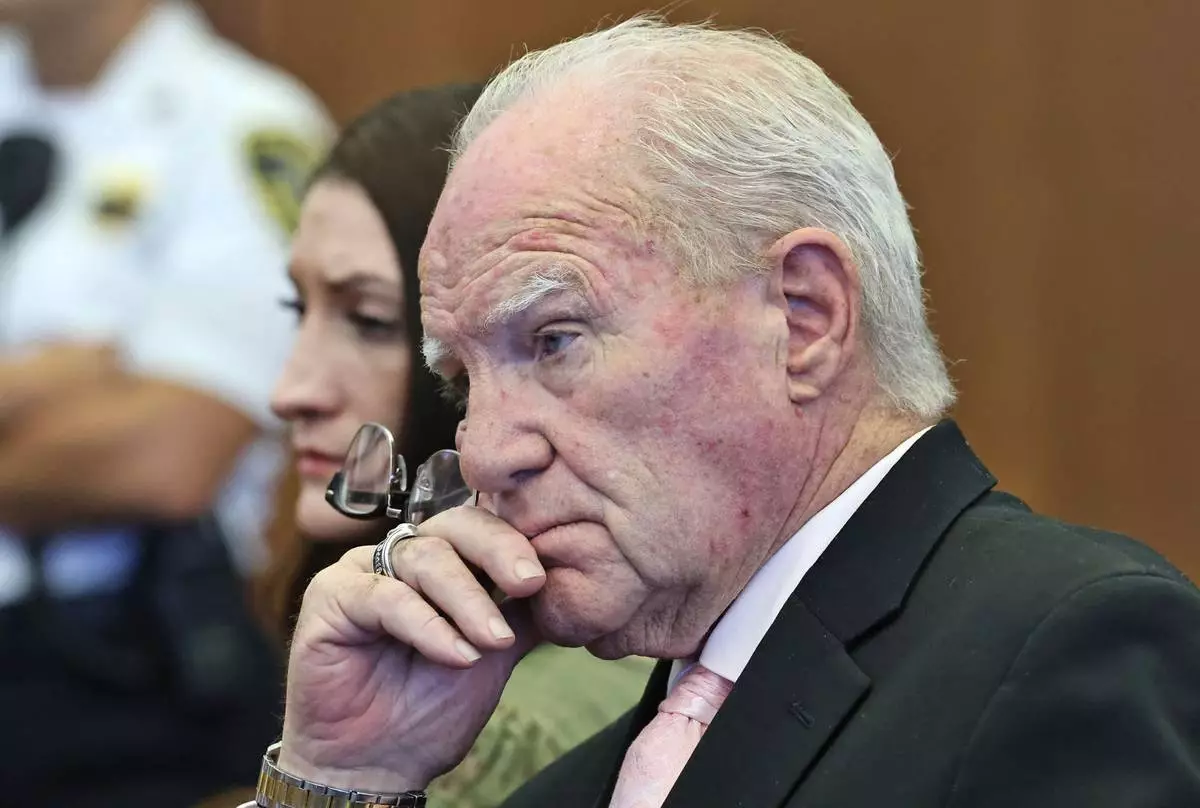
Defense attorney Kevin Reddington and defendant Lindsay Clancy listen to Judge William Sullivan speak with the jury after declaring a mistrial at court in Plymouth, Mass., on Friday, Sept. 4, 2026. (Greg Derr/The Patriot Ledger via AP, Pool)
The trial to decide if Lindsay Clancy was criminally responsible when she strangled her three children in 2023 ended in a mistrial Friday after jurors were unable to reach a consensus after weeks of conflicting testimony about her post-pregnancy mental health and seven days of deliberations.
What happens now?
Clancy, a 36-year-old former labor and delivery nurse, remains charged with murder and will continue to be held in a psychiatric hospital until the case is resolved. Attorneys on both sides have a few options when it comes to the next steps.
Judge William Sullivan set a hearing for Sept. 29. During that proceeding, defense attorney Kevin Reddington will likely ask the judge to declare Clancy not guilty. It’s a long shot move and very unlikely to succeed.
That hearing could also reveal whether prosecutors will move to put Clancy on trial for a second time. They could also choose to seek a plea deal or even drop the case entirely, though that option is unlikely.
Sullivan suggested that everyone involved in the case, from attorneys to witnesses to court administrators, would need to look at their calendars to find a suitable time for a new trial, if one is held.
EDITOR’S NOTE: This story includes discussion of suicide. If you or someone you know needs help, the national suicide and crisis lifeline in the U.S. is available by calling or texting 988.
Clancy doesn’t deny strangling her children at their home south of Boston, but says postpartum psychosis led to her actions. After the killings, her husband found her badly injured in the yard, where she landed after jumping from a second-story window. She was left paralyzed from the waist down.
Prosecutors argue she knew what she was doing.
Plymouth County District Attorney Timothy Cruz said there would not be an immediate decision about a second trial, but he emphasized that his goal was always “getting justice for those three little babies.”
“This case was about Lindsay Clancy and what she did … the cruel and calculated killing of three innocents,” Cruz said shortly after court ended on Friday. He later continued, “Children were murdered and it’s our job to seek justice.”
Still, prosecutors typically consider a lot of things when determining whether to retry a case, said New York Law School Professor Heather Ellis Cucolo, including the potential expense and the likely outcome.
“I know the prosecutor stated openly that he would not allow public opinion to sway his decision, which is accurate, but the prosecution serves the public,” Cucolo said. “If it is believed that justice must be served by another trial, that is something the prosecutor’s office will take into account and weigh very heavily.”
A conviction could mean life in prison for Clancy, while an acquittal might lead to confinement in a mental health facility.
Cucolo said the defense attorney will likely push for the charges to be dropped entirely, and might also be open to a plea deal.
“But if the prosecution chooses to move forward with a trial, there's no way to prevent that from happening,” Cucolo said.
Reddington said in court that he believed Clancy's constitutional rights were violated when the judge declined to remove one juror after the other jurors suggested that he was not following the judge's instructions on reasonable doubt. But a mistrial isn't subject to an appeal, Cucolo said, because it's not a final judgment.
The impact on family members is another consideration, said Randy Gioia, a Boston-based defense lawyer who formerly supervised public defenders across the state.
Gioia said prosecutors should not put Clancy through another trial. He said he accepts Reddington’s disclosure that Clancy was extremely close to an acquittal, based on a note presented to the judge by the jury foreperson.
“Why put everyone through the trauma again: 16 to 18 jurors, all the witnesses, Patrick Clancy,” Gioia said, referring to Lindsay Clancy’s former husband. “What’s to be served here when we’ve had a long trial and long deliberations? You don’t have a strong case. You almost lost the case.”
It's not clear exactly how the jury reached an impasse, but Reddington suggested that just one juror stood in the way of an acquittal, and said the other jurors were “robbed.”
“They know they were robbed by one man, for whatever his agenda was, who stole seven weeks of the life of these other jurors that were so attentive, so beautiful, so wonderful,” he said outside the courthouse. “You could see how defeated they were sitting there. I got a funny feeling they would have gone on for another week if they had to. So I hope that guy can sleep well at night.”
Jurors are under no obligation to speak to attorneys on either side of the case, but it's common for the attorneys to see if any are open to talking about their experience, Cucolo said. Prosecutors can then use any information they get to reassess and fine-tune their approach, she said, perhaps focusing more on specific evidence or witnesses.
David Meier, a lawyer who represents Patrick Clancy in a lawsuit over her mental health treatment, released a statement about the emotional burden of the case, saying “there will never be closure” from the loss of the children.
“The prospect of reliving this tragedy through another trial is extraordinarily painful — for Patrick, for his family, and for all of us,” Meier said.
The statement didn’t indicate whether Patrick Clancy would support a second trial.
Lindsay Clancy has also filed a lawsuit over her mental health treatment. A retrial would likely force those civil cases to be put on hold, Cucolo said.
“They would not be able to move forward for now because of concerns of possible Fifth Amendment violations,” Cucolo said, because anything Clancy says in a civil case could potentially be used against her in the criminal case. That means the lawsuits could remain in legal limbo for a year or more, she said.
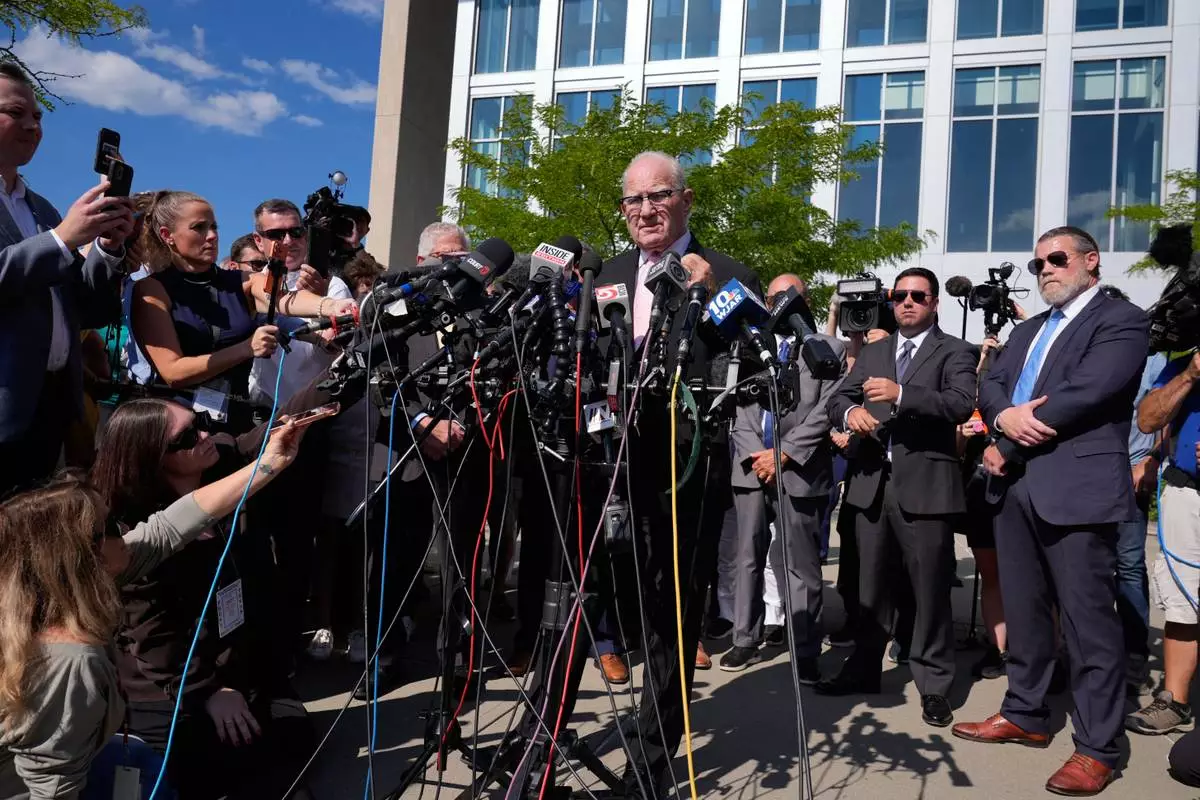
Lawyer Kevin Reddington speaks to media after the judge declared a mistrial in Lindsay Clancy's murder trial at Plymouth County Superior Court, Friday, Sept. 4, 2026, in Plymouth, Mass. (AP Photo/Charles Krupa)
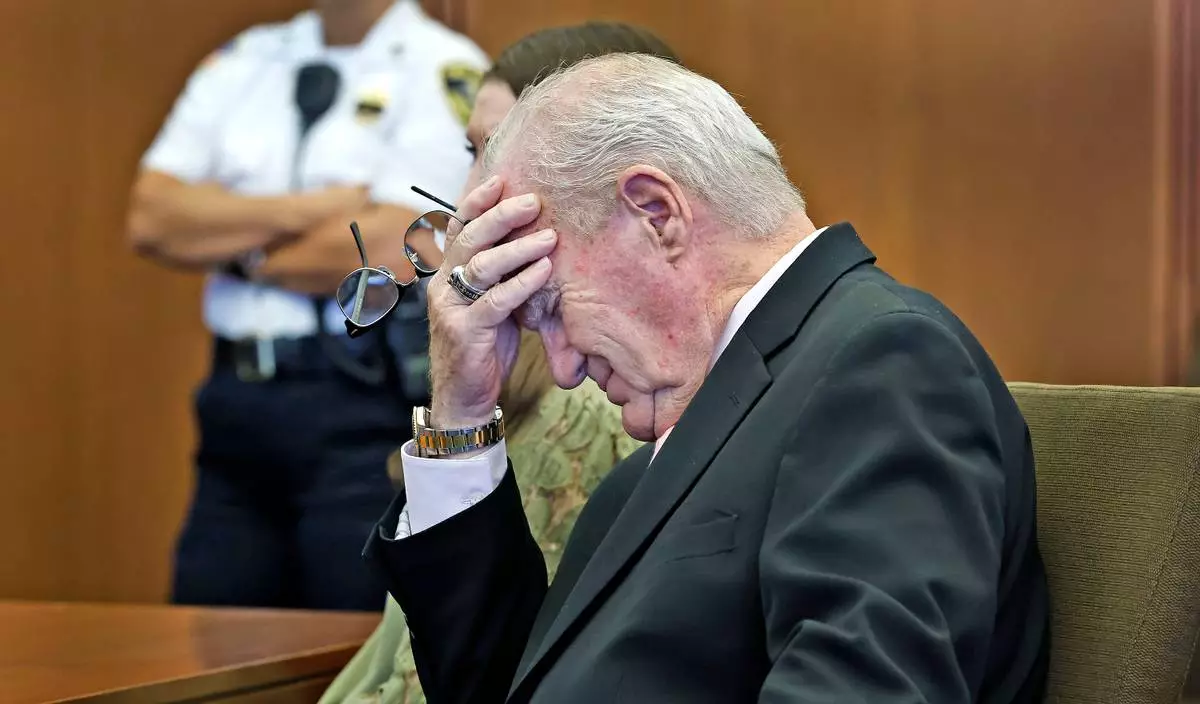
Defense attorney Kevin Reddington reacts to the judge's decision to declare a mistrial in the Lindsay Clancy murder trial on Friday, Sept. 4, 2026, in Plymouth, Mass. (Greg Derr/The Patriot Ledger via AP, Pool)
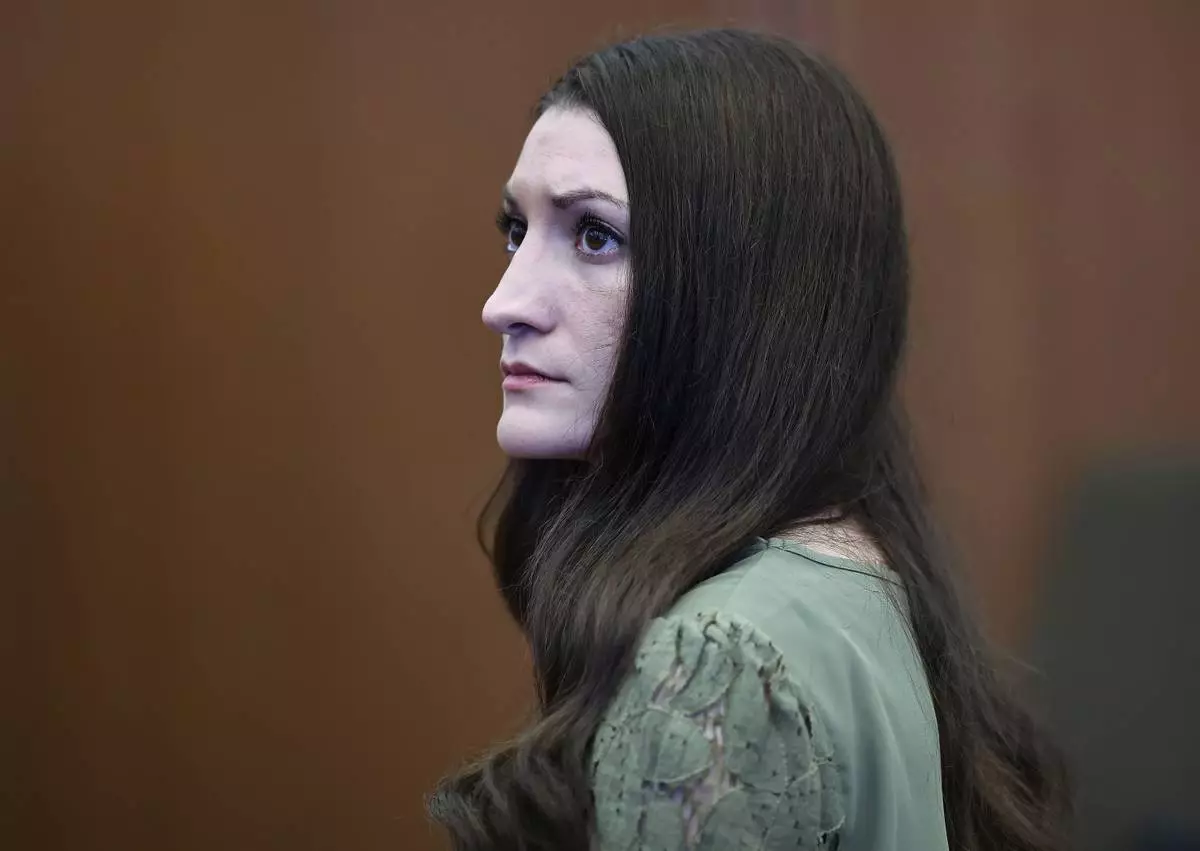
Defendant Lindsay Clancy looks at the jury after Judge William Sullivan declared a mistrial in Clancy's murder trial on Friday, Sept. 4, 2026, in Plymouth, Mass. (Greg Derr/The Patriot Ledger via AP, Pool)