China's anti-graft chief Li Xi has urged discipline inspection and supervision officials to make solid efforts in promoting full and strict self-governance of the Communist Party of China (CPC) and the country's battle against corruption.
Li, a member of the Standing Committee of the Political Bureau of the CPC Central Committee and secretary of the CPC Central Commission for Discipline Inspection, made the remarks during a research tour from Tuesday to Thursday in southwest China's Guizhou Province.
During the tour, Li visited the site where the Zunyi Meeting was held in January 1935 during the Long March. The meeting is regarded as a milestone in the Party's history, marking the formation of its first generation of central collective leadership.
Li stressed that the spirit of the Long March and the Zunyi Meeting is part of the CPC's valuable spiritual assets, noting that this year marks the 90th anniversary of the victory of the Long March. He urged discipline inspection and supervision officials to carry forward the Party's glorious traditions and venerable conduct.
In Guizhou, Li also met with a group of local officials and residents, and listened to their opinions and suggestions on the CPC's work of improving Party conduct, tightening discipline, and fighting corruption.
He underlined the importance of tackling undesirable practices and corruption that affect the public directly, urging sustained efforts to crack down on corruption of low-ranking officials and handle public complaints in livelihood-related areas.
At a symposium during the tour, Li called for persistent implementation of the CPC Central Committee's eight-point decision on improving conduct and regular efforts to identify and rectify misguided views of political performance.
He stressed that discipline inspection and supervision authorities should strengthen their efforts to ensure that officials do not have the audacity, opportunity or desire to engage in corrupt practices. There will always be a hardline stance against corruption, he added.
China has maintained a zero-tolerance approach to corruption. In the first half of this year, disciplinary inspection and supervision authorities nationwide filed 538,000 cases and punished 412,000 individuals, including 74 officials at the provincial or ministerial level and above.
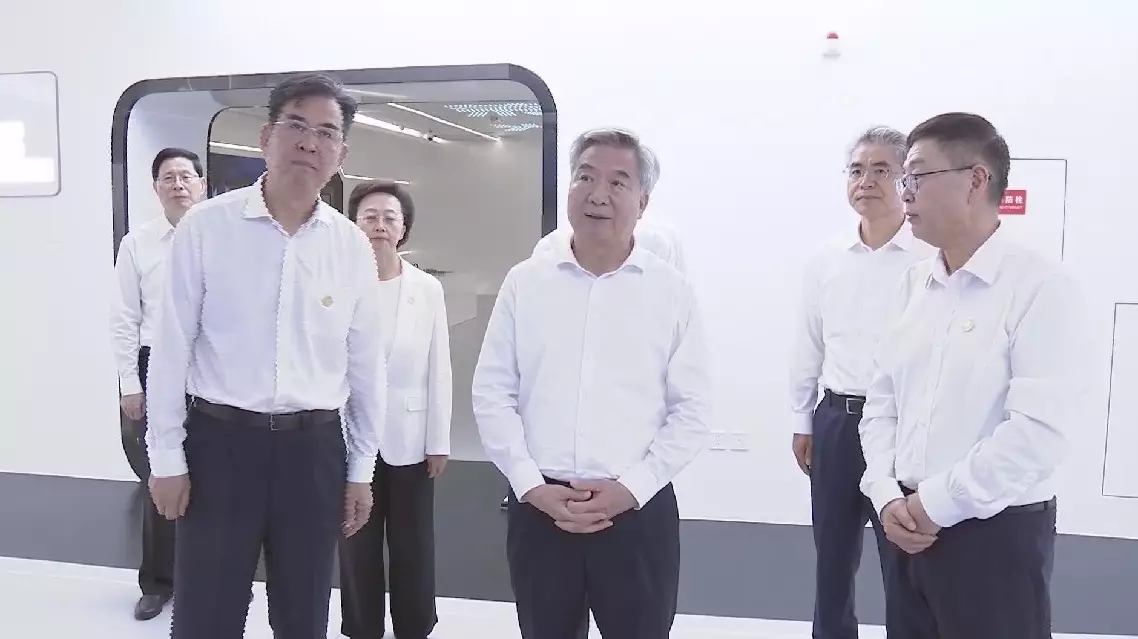
China's anti-graft chief stresses anti-corruption work during local inspection
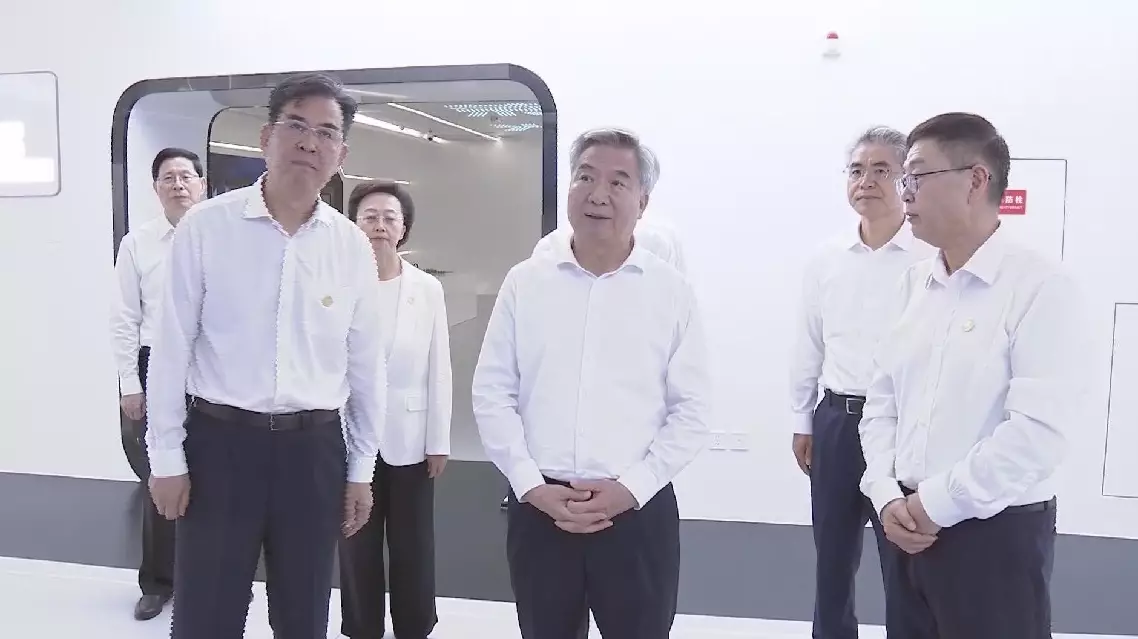
China's anti-graft chief stresses anti-corruption work during local inspection