More than a week after a devastating mudslide hit Gyirong Port in southwest China's Xizang Autonomous Region, a local official is actively calming the resettled villagers who are anxious to return to their disaster-hit homes to save livestock and reclaim belongings, as risks of secondary disaster still remain.
The mudslide, caused by an ice-rock avalanche in Nepal, hit multiple locations along the China-Nepal border on Aug 26. Thirty-one people have been confirmed dead and 531 others remain missing as of 18:00 Friday, according to the local emergency response and rescue command center.
Labi Village is one of the closest locations to the disaster's core zone. Thanks to rapid evacuation efforts, all villagers were safely relocated on the day of the catastrophe.
Bian Ba, the village head, came back to the village on Friday to reassure villagers staying at resettlement sites who are anxious about their homes and livestock. He has taken photos, updating them on the stable situation in the village.
"Villagers keep asking when they can return home. They are very worried about their cattle and chickens. I tell them not to worry," he said.
Bian Ba added that they have arranged on-site staff to take care of all their livestock and properties in the village.
The steep mountain terrain surrounding Labi Village posed a grave danger as the powerful mudslide rushed down the slope. Acting swiftly, local authorities evacuated all residents at a critical moment, ensuring that no one was left behind. The entire evacuation was completed by the afternoon of the disaster, allowing villagers to move to safety while witnessing the aftermath of the catastrophic mudslide.
"Our village sits right next to the mudslide path. The roar was deafening, and many of us initially thought an earthquake had struck," said Bian Ba.
Over 100 villagers have been moved out of the danger zone, but the evacuation process was especially challenging for the elderly, who require constant care for their physical health and mental well-being amid the post-disaster turmoil.
"Many elderly villagers were hesitant to leave. The village officials made repeated house calls to persuade and help them relocate safely," said Bian Ba.
Despite the challenging terrain, heavy deposits of mud, and ongoing secondary disaster risks, rescue teams continue to conduct round-the-clock search-and-rescue operations. As they race against time to find survivors, countless local volunteers like Bian Ba work behind the scenes to maintain a safe and supportive environment for those affected in this border region.
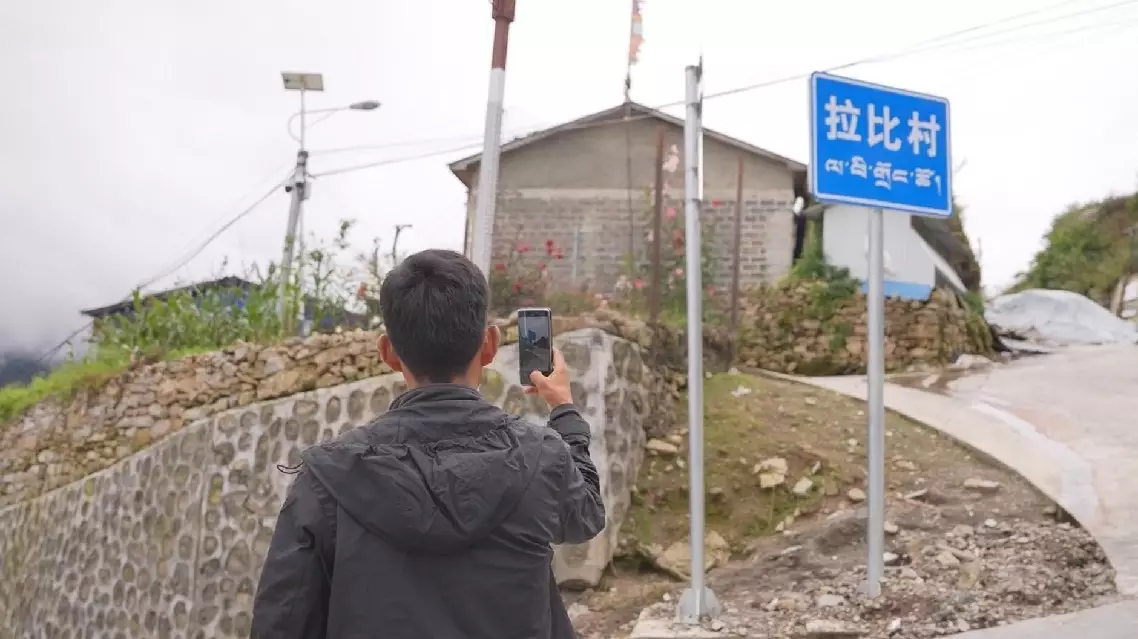
Village head reassures evacuated residents amid ongoing mudslide rescue efforts