The Shanghai Pudong International Airport led all its domestic counterparts by handling a total of 25 million inbound and outbound passenger trips this year as of Friday, reaching the milestone six days ahead of its 2025 pace.
The immigration data from the airport showed that foreign arrivals amounted to four million, marking a 21 percent year-on-year increase.
The data also showed that more than 60 percent of these foreign visitors entered visa free or enjoying the 24-hour and 240-hour transit visa exemption policies.
South Korea led other countries in terms of foreign arrivals, followed by Russia, the United States, Thailand, and Malaysia.
"The visa-free travel is very good. Now very easy. I want to be [in China] more often," said Aaron, a British visitor.
Emil, a Russian traveler, echoed the sentiment.
"[We want to go to] zoo, Disneyland, shopping, and taste Chinese cuisine. The visa[-free travel], it's very good," said Emil.
The surge in inbound arrivals follows a broader expansion of Pudong's international route network.
Carriers have added new services this year to destinations including Phu Quoc Island of Vietnam, Tashkent of Uzbekistan, and Zurich of Switzerland, expanding the airport's regular connections to 302 destinations in 53 countries, reaching a new historic high.
Meanwhile, the airport also handled more than 7.5 million outbound trips by domestic citizens this year.
Long-haul routes to Europe, Africa, and Australia have maintained steady growth.
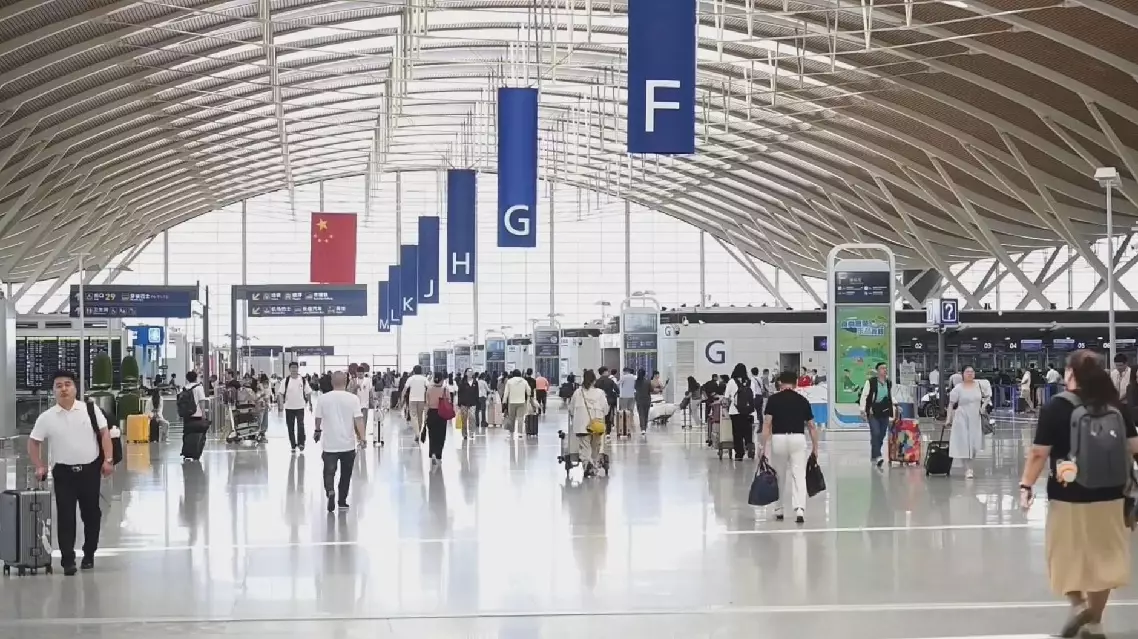
Pudong airport leads country with 25 million inbound, outbound trips
China's power battery industry maintained robust growth in the first seven months this year, with sales surging 37.1 percent year on year to 790.4 gigawatt-hours (GWh), according to China's Ministry of Industry and Information Technology (MIIT).
The power battery industry has built a comprehensive industrial system, with its overall strength and international competitiveness continuing to rise, according to official data.
"On corporate competitiveness, Chinese firms now make up six of the world's top ten battery producers by installed capacity, holding a combined market share of over 70 percent, a rise of 3 percentage points from a year earlier. The supply of high-quality battery products has contributed positively to the steady growth of the global new-energy vehicle sector and to the transition toward low-carbon energy," said Qu Guochun, director of the Equipment Industry Development Center under the MIIT.
In addition, companies in the power battery sector have deepened their global integration by establishing overseas production facilities, launching research and development centers, and pursuing technical collaboration, Qu added.
"Power battery technology is advancing on multiple fronts, with continued breakthroughs in next-generation technologies including solid-state batteries. At the same time, full-lifecycle carbon management, supply-chain cost controls, international regulatory compliance, and intellectual property strategies have become key determinants of a company's future competitiveness," Qu said.
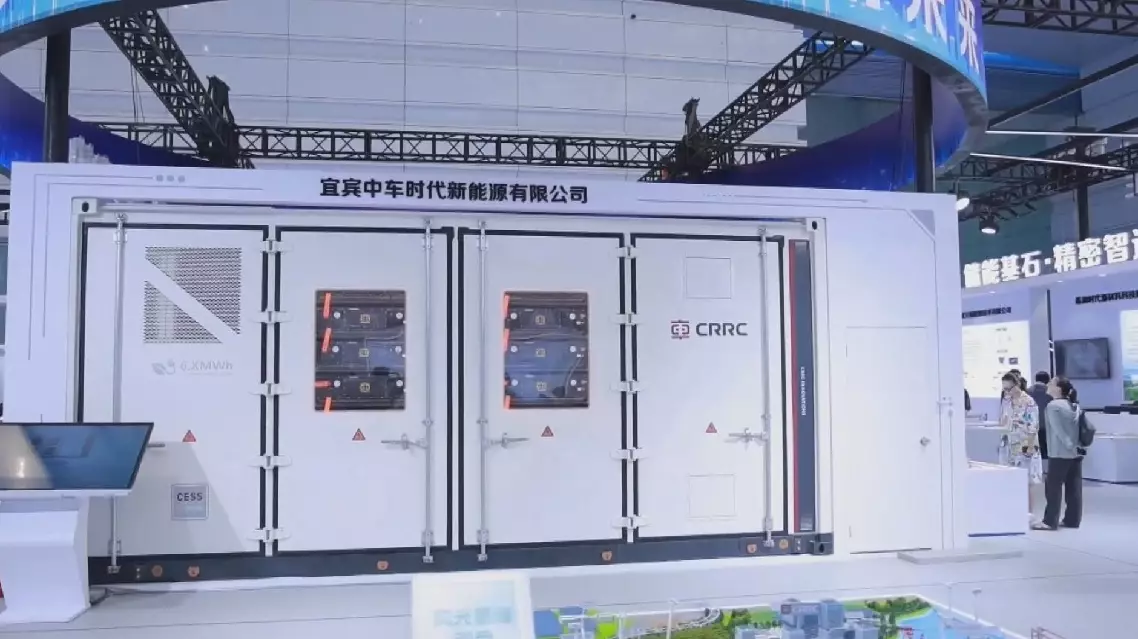
China's power battery sales up 37.1 pct in first 7 months in 2026