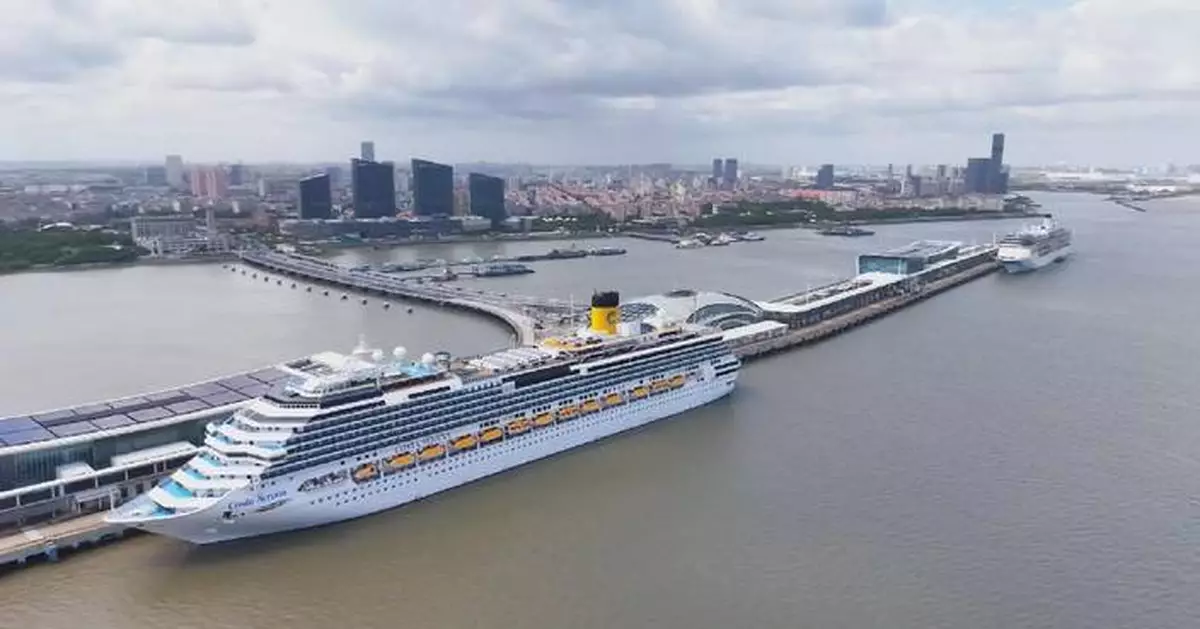
Shanghai's Wusongkou International Cruise Terminal handled its first dual cruise ship berthing of 2026 on Saturday, highlighting the continued growth and appeal of the metropolis as a major cruise home port.
Early on Saturday morning, the 1,600-meter quay was bustling as the Adora Mediterranea and Costa Serena berthed side by side. The Costa Serena returned to Wusongkou after a three-month break, carrying more than 2,500 passengers, over 90 percent of whom were South Korean tourists.
"We arranged 36 large buses today to take the South Korean guests to places like Yuyuan Garden, Zhujiajiao Ancient Town, Shanghai Tower, and Xintiandi. We hope they have a wonderful time in Shanghai," said Cheng Dong, a local tour operator.
The Adora Mediterranea, which had long been homeported in Tianjin and operated in the northern Chinese market, departed from Tianjin on Tuesday and arrived in Shanghai after making port calls in South Korea's Jeju and Busan. It is now scheduled to operate four voyages from Shanghai as its new home port.
This summer, Shanghai's cruise port delivered an impressive performance, handling 92 ship calls and nearly 300,000 inbound and outbound passenger trips, a testament to the growing gravitational pull of the city's home-port operations. Beyond the Adora Mediterranea, the Dream has also been operating home-port itineraries out of Shanghai since March.
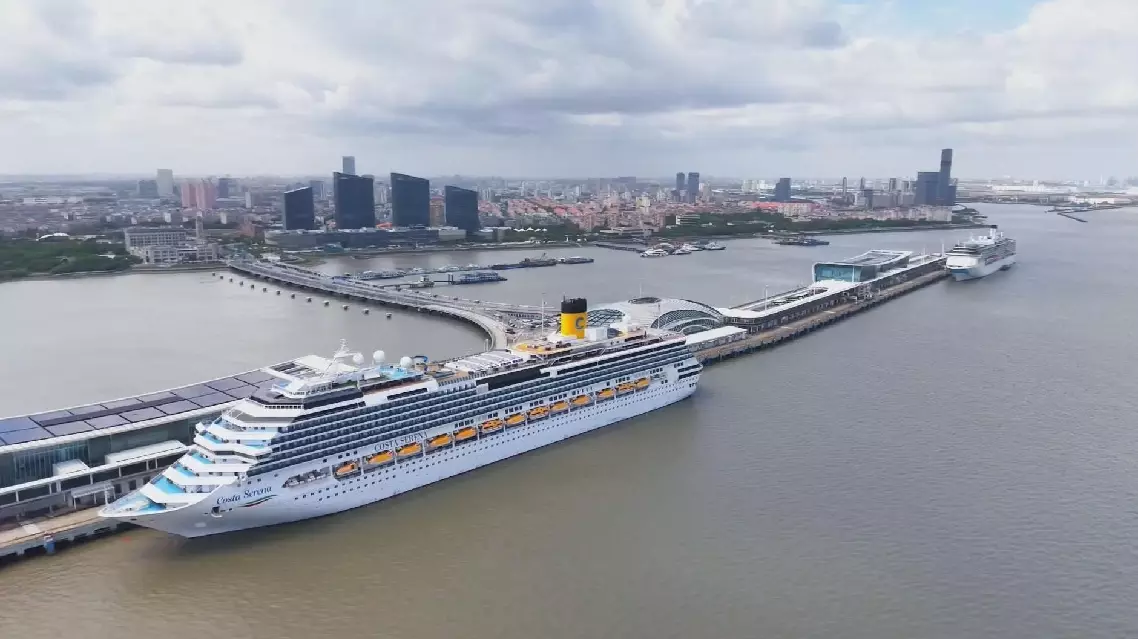
Wusongkou handles first dual cruise ship berthing in 2026
China's power battery industry maintained robust growth in the first seven months this year, with sales surging 37.1 percent year on year to 790.4 gigawatt-hours (GWh), according to China's Ministry of Industry and Information Technology (MIIT).
The power battery industry has built a comprehensive industrial system, with its overall strength and international competitiveness continuing to rise, according to official data.
"On corporate competitiveness, Chinese firms now make up six of the world's top ten battery producers by installed capacity, holding a combined market share of over 70 percent, a rise of 3 percentage points from a year earlier. The supply of high-quality battery products has contributed positively to the steady growth of the global new-energy vehicle sector and to the transition toward low-carbon energy," said Qu Guochun, director of the Equipment Industry Development Center under the MIIT.
In addition, companies in the power battery sector have deepened their global integration by establishing overseas production facilities, launching research and development centers, and pursuing technical collaboration, Qu added.
"Power battery technology is advancing on multiple fronts, with continued breakthroughs in next-generation technologies including solid-state batteries. At the same time, full-lifecycle carbon management, supply-chain cost controls, international regulatory compliance, and intellectual property strategies have become key determinants of a company's future competitiveness," Qu said.
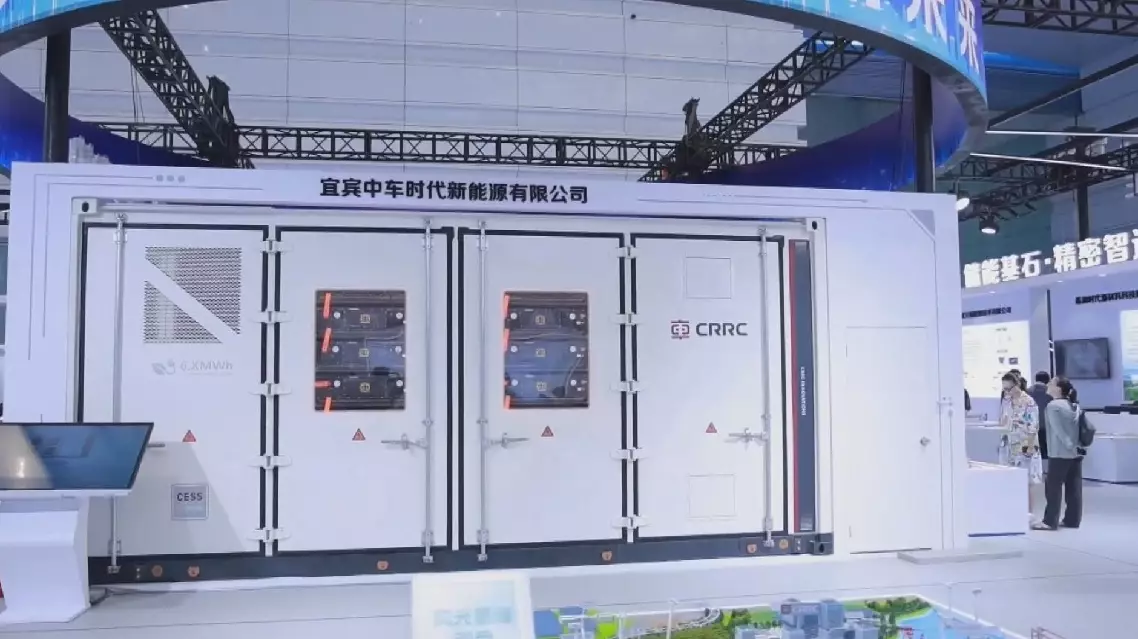
China's power battery sales up 37.1 pct in first 7 months in 2026