Japan's foreign reserve assets totaled 1.21 trillion U.S. dollars at the end of August, down by 79.58 billion dollars from a month earlier, marking the largest percentage decline on record, the Finance Ministry said Monday.
The 6.18-percent drop was driven by a decline in the market value of government bonds held in the reserves amid rising interest rates, as well as a reduction following Tokyo's record foreign exchange intervention to support the yen, according to the ministry.
Between July 30 and Aug 26, the ministry said Japan had spent a record 15.4 trillion yen (about 98.75 billion dollars) on dollar-selling, yen-buying interventions.
Foreign reserve assets fell for a fourth consecutive month in August, posting the largest declines in both percentage and dollar terms since comparable data became available in April 2000, ministry data showed.
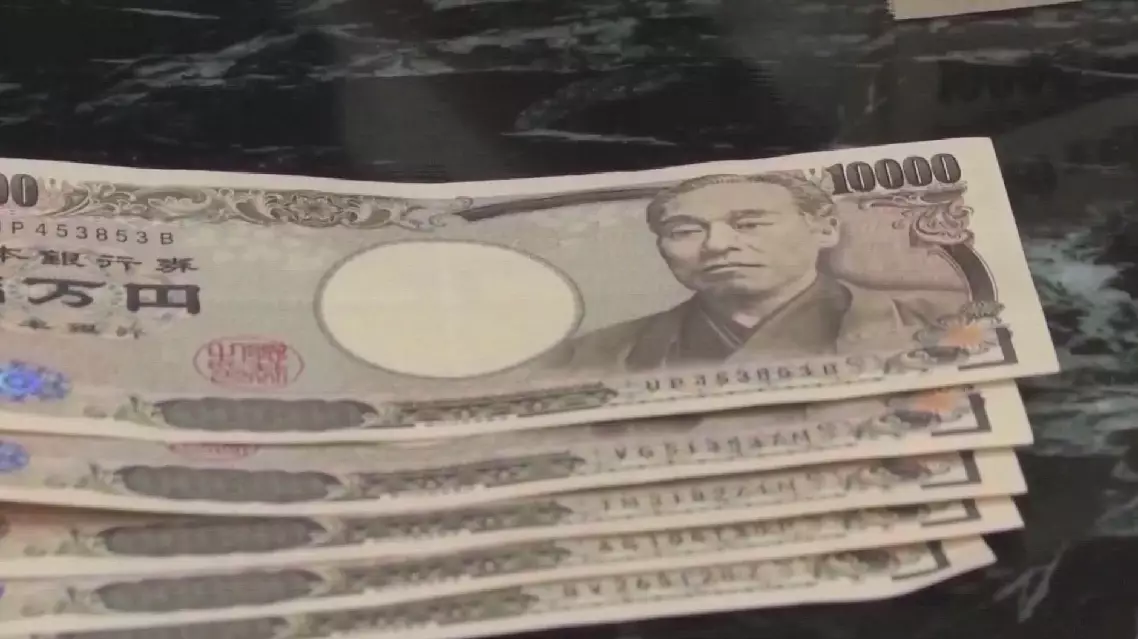
Japan's August foreign reserve assets drop by record 6 pct after yen interventions
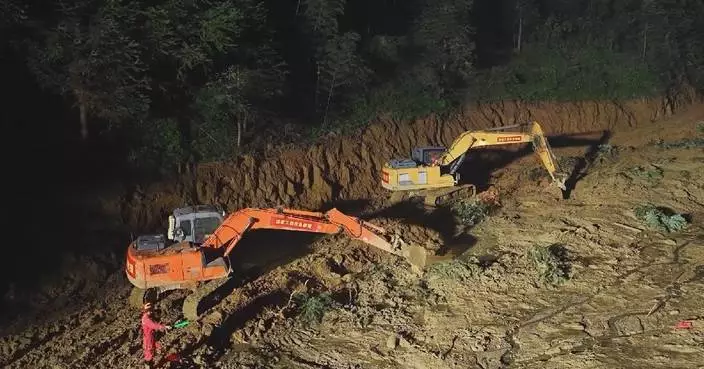
Residents displaced by the mudslide in Gyirong County, southwest China's Xizang Autonomous Region now are receiving various assistance and meticulous care at designated resettlement sites.
The deadly mudslide triggered by a glacial collapse on the Nepalese side struck the remote China-Nepal border region on Aug 26 morning.
Kami Tsering is among the 180 villagers relocated from Guoba Village following the mudslide. He was moved to a resettlement site in Gyirong Town on the second day after the disaster struck.
At the relocation site, food supplies remain ample, with staple provisions including traditional Tibetan fare, milk, and fresh fruits distributed on a regular basis.
"I arrived here on Aug. 27. The food is good, and breakfast is very nice - we have tsampa, butter tea, Tibetan sweet tea, and thenthuk (Tibetan noodle soup)," Tsering said.
Medical personnel have been deployed at the resettlement site to conduct regular health rounds. Each day, medical staff visit every relocated villager to monitor their physical well-being.
"We make morning visits once a day and carry out disinfection twice daily, in the morning and evening. Some residents here suffer from rheumatism and hypertension. For elderly individuals who are not feeling well or are experiencing sleep difficulties, we go door-to-door to administer medication and provide psychological counseling," said a medical worker at the resettlement site.
With food, shelter, and medical care now fully secured, Tsering has turned his attention to the relief efforts back in his home village. After the villagers were relocated, grassroots officials remained behind to help look after their properties. Tsering said that the officials send daily video updates to keep everyone informed.
"I have four or five oxen left behind at home. The grassroots officials post photos and videos in the group chat so all the villagers can see them, which puts our minds at ease," Tsering said.
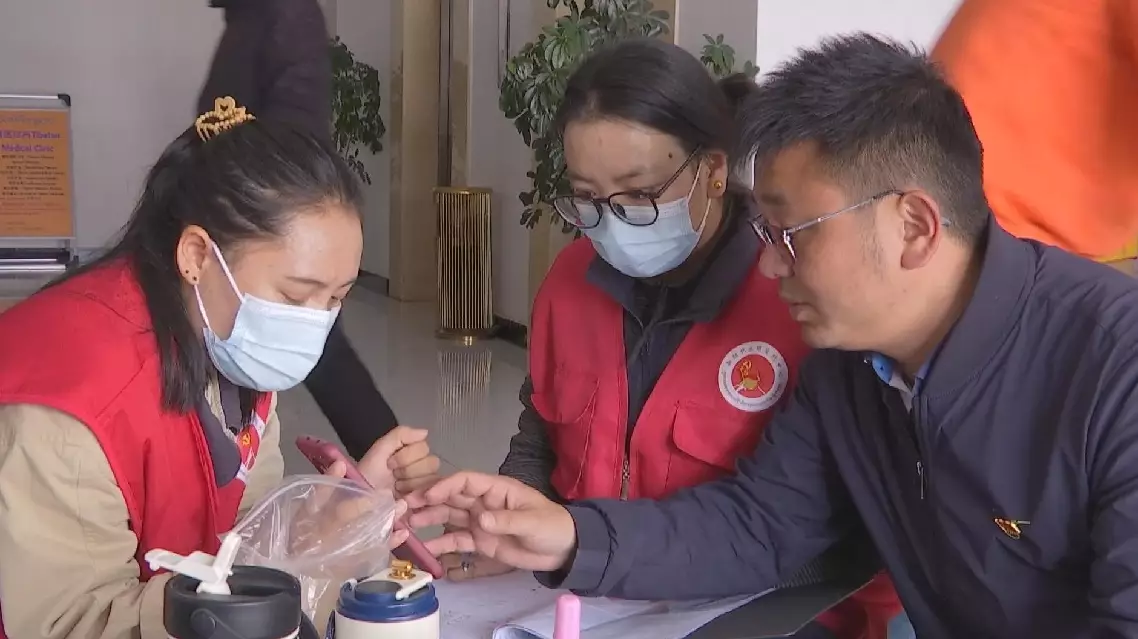
Mudslide-affected residents at Gyirong relocation site receive various support