A Chinese expert has called for stronger monitoring and international cooperation on glacier risks, stressing the importance of basin‑level surveys and cryosphere governance.
Yao Tandong, academician of the Chinese Academy of Sciences, told China Media Group (CMG) that the cryosphere -- Earth's frozen water systems including glaciers, ice sheets and snow cover -- is increasingly vulnerable as global warming accelerates.
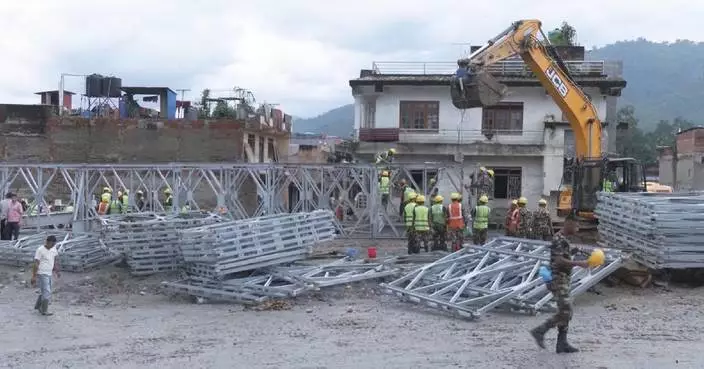
His remarks followed the Aug. 26 ice‑rock avalanche in Nepal that triggered a deadly mudslide along the China–Nepal border.
According to data released by the World Meteorological Organization, there are more than 275,000 glaciers worldwide. Accelerated global warming has caused obvious glacier retreat in high mountain areas, with glacier-contact lakes continuing to expand and new glacial lakes constantly forming, making glacier protection increasingly urgent.
"This is a question being discussed by scientists around the world. A general survey should first be carried out to draw a rough outline of risks at the river basin level or regional level, and then assess how serious the risks are in different areas and basins. So we need to make a judgment on the future trends of the multi-sphere interactions involving ice, water and air, and carry out monitoring of glaciers with extremely high risks within our capacity," Yao said. The multi‑sphere interactions Yao mentioned cover the cryosphere, atmosphere, hydrosphere, lithosphere, anthroposphere and biosphere, which together form the Earth science system and shape the planet's climate. Rising temperatures, glacier retreat and frequent extreme weather in recent years have all unfolded against the backdrop of global warming.
The expert said strengthened surveying, dynamic monitoring and early warning of glaciers and glacial lakes, along with deeper international cooperation on avalanche prevention, are top priorities for disaster reduction and relief.
In August 2024, the United Nations designated 2025–2034 as the Decade of Action for Cryospheric Sciences to boost research, monitoring, education and public engagement on cryosphere change.
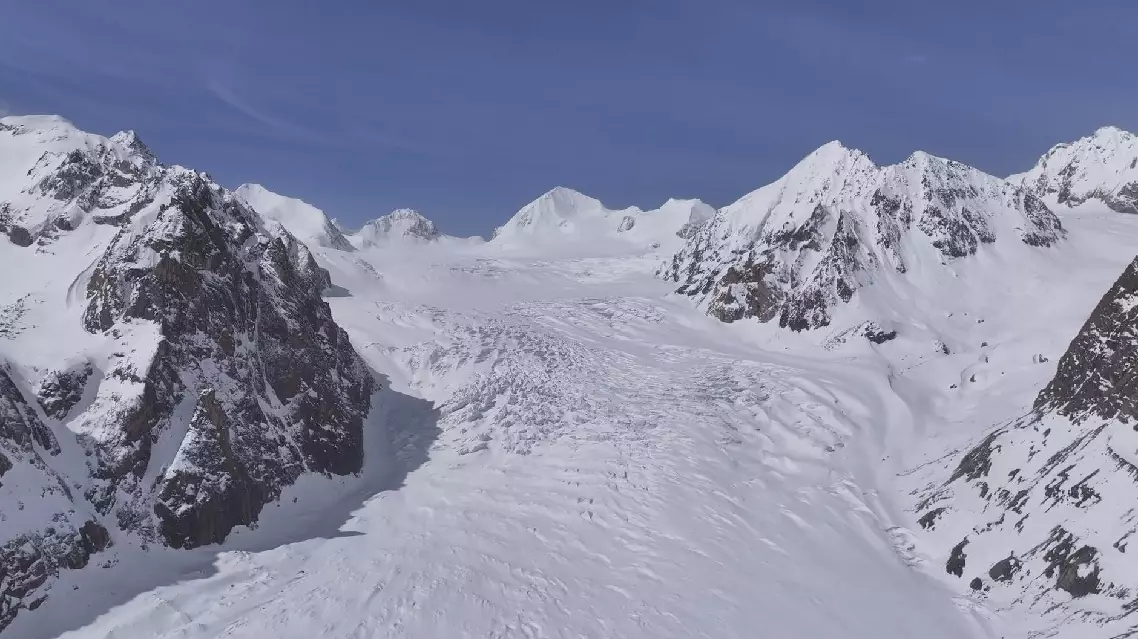
Chinese expert urges global glacier risk monitoring after deadly Nepal avalanche