Skip to Content Facebook Feature Image

Takeaways from AP story on a major effort to restore peatland in North Carolina

News

Takeaways from AP story on a major effort to restore peatland in North Carolina
News

News

Takeaways from AP story on a major effort to restore peatland in North Carolina

2026-09-09 21:14 Last Updated At:21:20

BELHAVEN, N.C. (AP) — Investors and scientists are restoring a 23-square-mile (60-square-kilometer) tract of peatland in North Carolina's Inner Banks to curb emissions of climate-warming carbon dioxide and regenerate native habitat.

Fifty miles (80 kilometers) of ditches dug decades ago for an abandoned farming venture drained much of the water from thousands of years of accumulated peat — partially decayed organic matter up to 15 feet (4.6 meters) deep — leaving the site vulnerable to drought and wildfires, altering native habitats and allowing it to emit 130,000 tons of carbon dioxide every year.

More Images
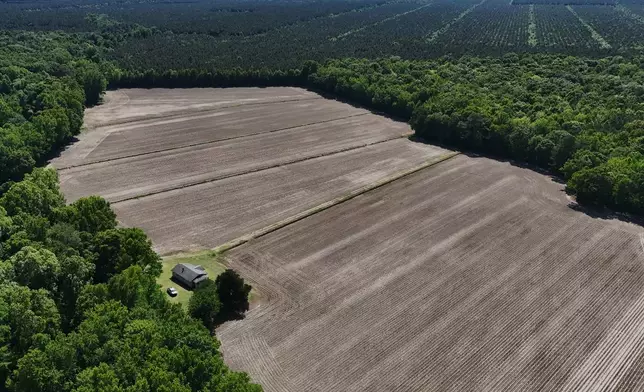
An agricultural field in a peatland area is visible Monday, May 4, 2026, in Roper, N.C. (AP Photo/Joshua A. Bickel)
An agricultural field in a peatland area is visible Monday, May 4, 2026, in Roper, N.C. (AP Photo/Joshua A. Bickel)

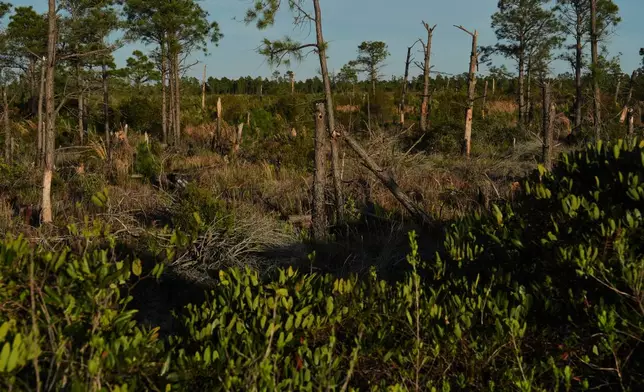
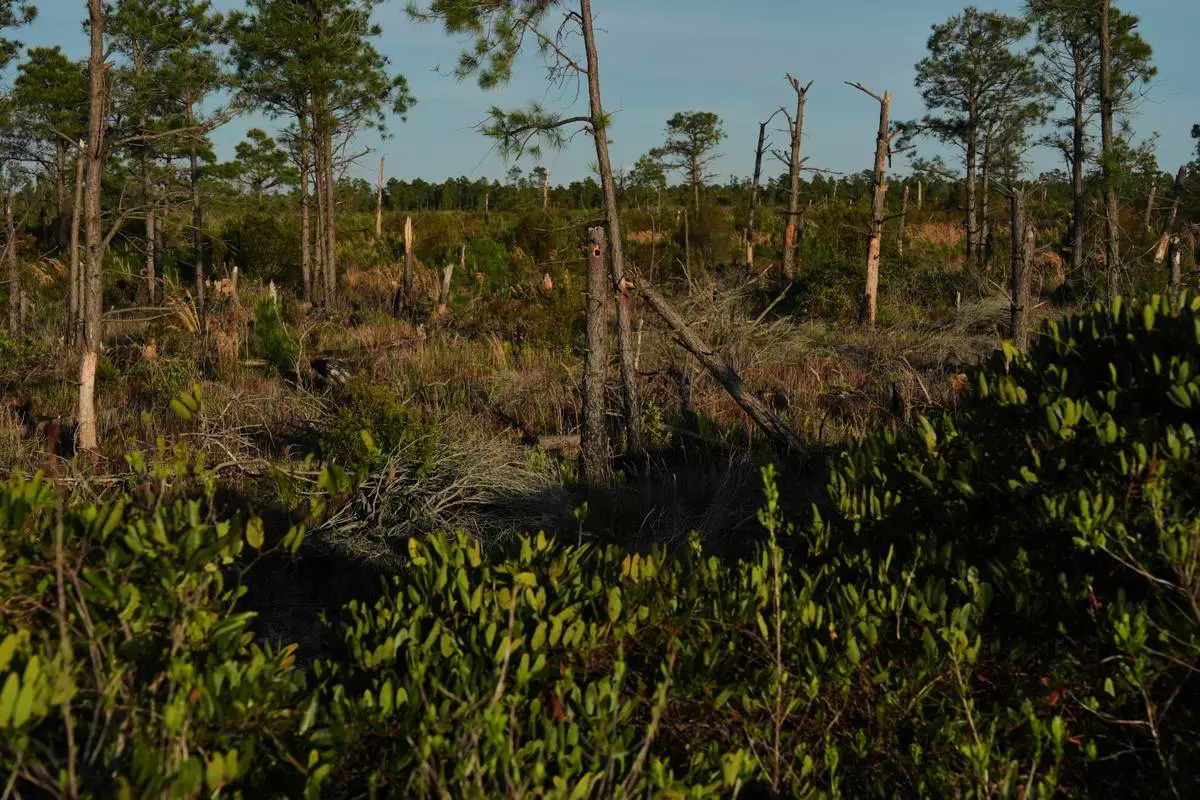
Fire-damaged trees stand in an area of peatland Tuesday, May 5, 2026, in Belhaven, N.C. (AP Photo/Joshua A. Bickel)
Fire-damaged trees stand in an area of peatland Tuesday, May 5, 2026, in Belhaven, N.C. (AP Photo/Joshua A. Bickel)

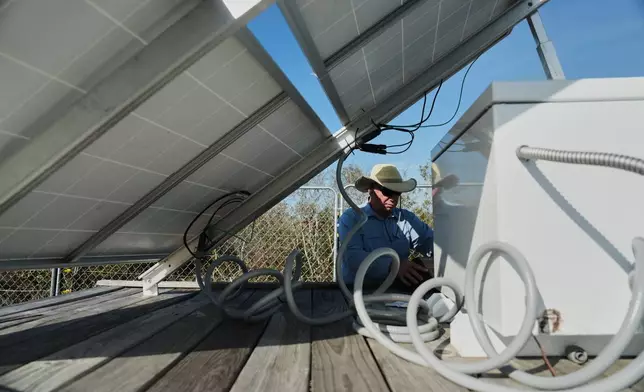
Neal Flanagan, a research scientist at Duke University, works near a solar panel powering a sensor that measures carbon emissions Wednesday, May 6, 2026, in Belhaven, N.C. (AP Photo/Joshua A. Bickel)
Neal Flanagan, a research scientist at Duke University, works near a solar panel powering a sensor that measures carbon emissions Wednesday, May 6, 2026, in Belhaven, N.C. (AP Photo/Joshua A. Bickel)

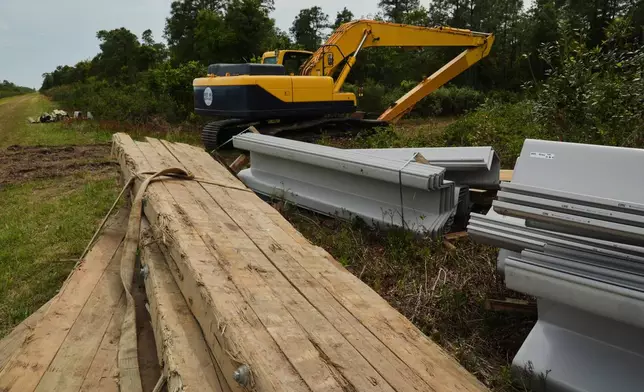
Construction materials sit near a peatland restoration site Wednesday, May 6, 2026, in Belhaven, N.C. (AP Photo/Joshua A. Bickel)
Construction materials sit near a peatland restoration site Wednesday, May 6, 2026, in Belhaven, N.C. (AP Photo/Joshua A. Bickel)

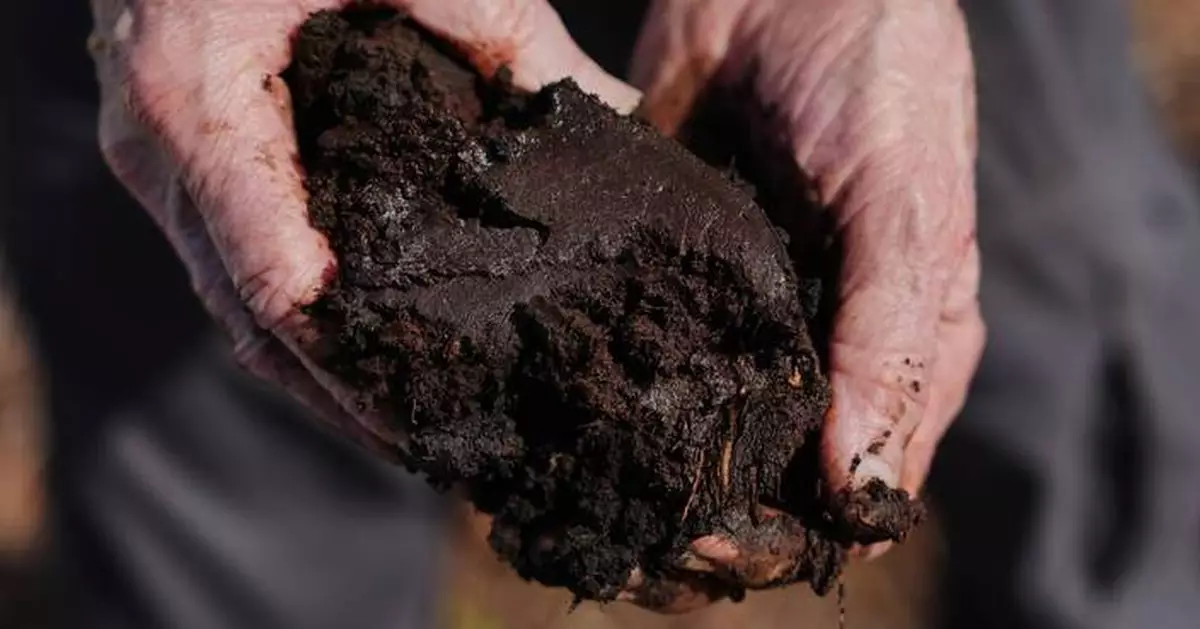
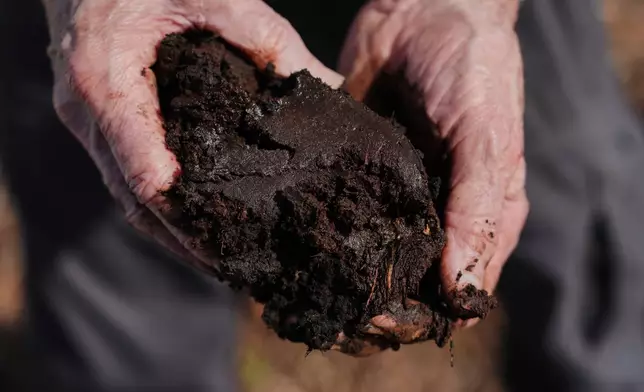
Curtis Richardson, an ecology professor at Duke University, holds peat soil Wednesday, May 6, 2026, in Belhaven, N.C. (AP Photo/Joshua A. Bickel)

Curtis Richardson, an ecology professor at Duke University, holds peat soil Wednesday, May 6, 2026, in Belhaven, N.C. (AP Photo/Joshua A. Bickel)

Here are key takeaways from The Associated Press’ reporting:

Though they account for just 3% of the global land surface, peatlands store about one-third of the Earth’s carbon dioxide, more than all forests combined. But when degraded, destroyed or burned they become part of the problem, releasing huge volumes of greenhouse gases, now about 6% of the annual global total from all sources.

When peatlands are intact, gases generated by decomposing plants are trapped in a waterlogged, oxygen-deprived environment, while surface vegetation absorbs carbon dioxide from the atmosphere, scientists say.

They also store about 10% of global fresh water, help control flooding and can help stem wildfires, as well as provide important habitat for many species.

Two-thirds of temperate peatlands — mostly in Europe and the U.S. — have been dewatered for farming, mining and other uses, while about 45% of tropical peatlands have been similarly disturbed, according to a 2025 study published by The Society for Conservation Biology.

Boreal peatlands, in colder climates in places like Canada and Russia, are about 90% intact, but face growing pressure from thawing permafrost and intense fires, both linked to climate change, as well as mining and critical minerals exploration.

Saturated peatlands are nearly fireproof: Just the surface vegetation and a few inches of peat burn, releasing nutrients, regenerating seed banks and creating beneficial biochar.

But when they’re dry, fire can burn underground for weeks or months — drying out and destroying even saturated layers — emitting enormous volumes of carbon dioxide and destroying thousands of years of accumulation.

In North Carolina, 11,000 miles (17,702 kilometers) of canals drain peatlands before the water empties into coastal estuaries. And the type of peatlands found there, and for hundreds of miles along the Eastern Seaboard, are among the most threatened in the world.

Colorado-based Pantheon Regeneration plans to restore its property by blocking off ditches to control the water table and significantly reduce carbon dioxide emissions. Then it will cull invasive species and replant native grasses, flowers and other plants.

Pantheon plans to sell carbon credits to tech companies and other corporations that want to compensate for their own greenhouse gas emissions, then use the money to restore and preserve a million acres of peatland from Virginia to northern Florida over the next decade.

The Associated Press’ climate and environmental coverage receives financial support from multiple private foundations. AP is solely responsible for all content. Find AP’s standards for working with philanthropies, a list of supporters and funded coverage areas at AP.org.
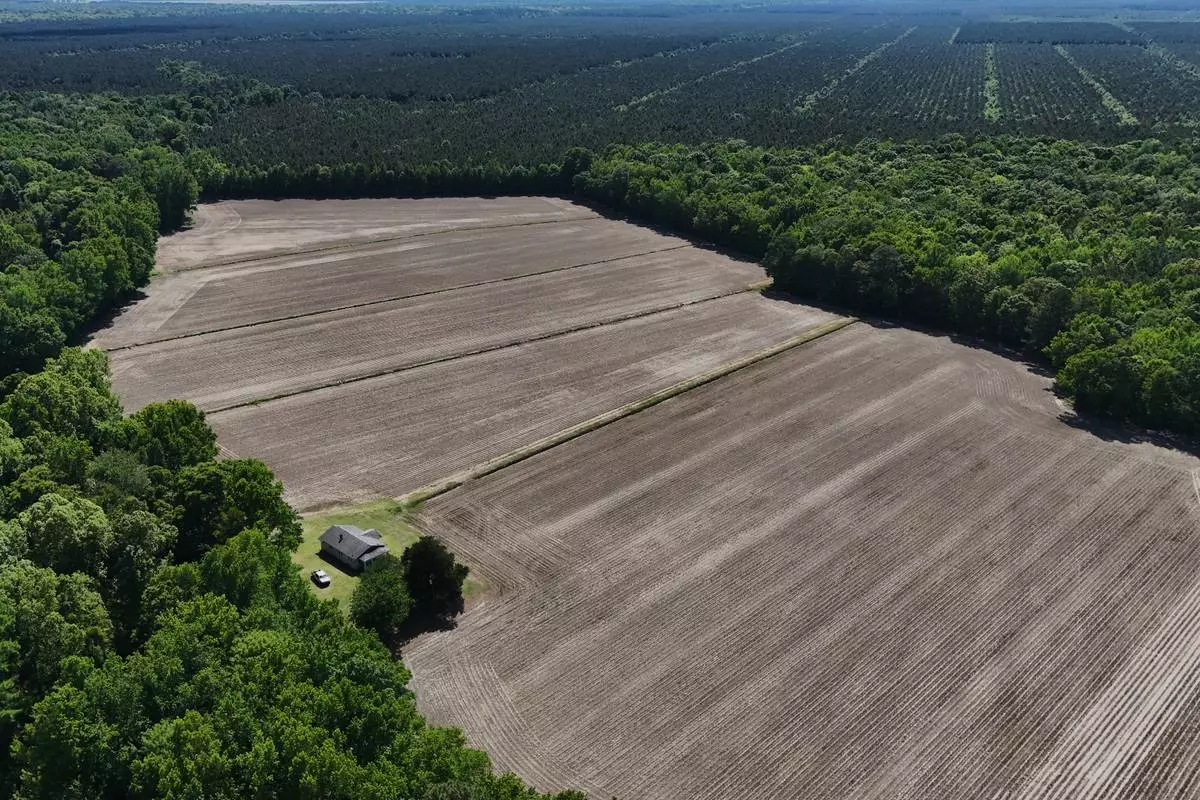
An agricultural field in a peatland area is visible Monday, May 4, 2026, in Roper, N.C. (AP Photo/Joshua A. Bickel)
An agricultural field in a peatland area is visible Monday, May 4, 2026, in Roper, N.C. (AP Photo/Joshua A. Bickel)

Fire-damaged trees stand in an area of peatland Tuesday, May 5, 2026, in Belhaven, N.C. (AP Photo/Joshua A. Bickel)
Fire-damaged trees stand in an area of peatland Tuesday, May 5, 2026, in Belhaven, N.C. (AP Photo/Joshua A. Bickel)

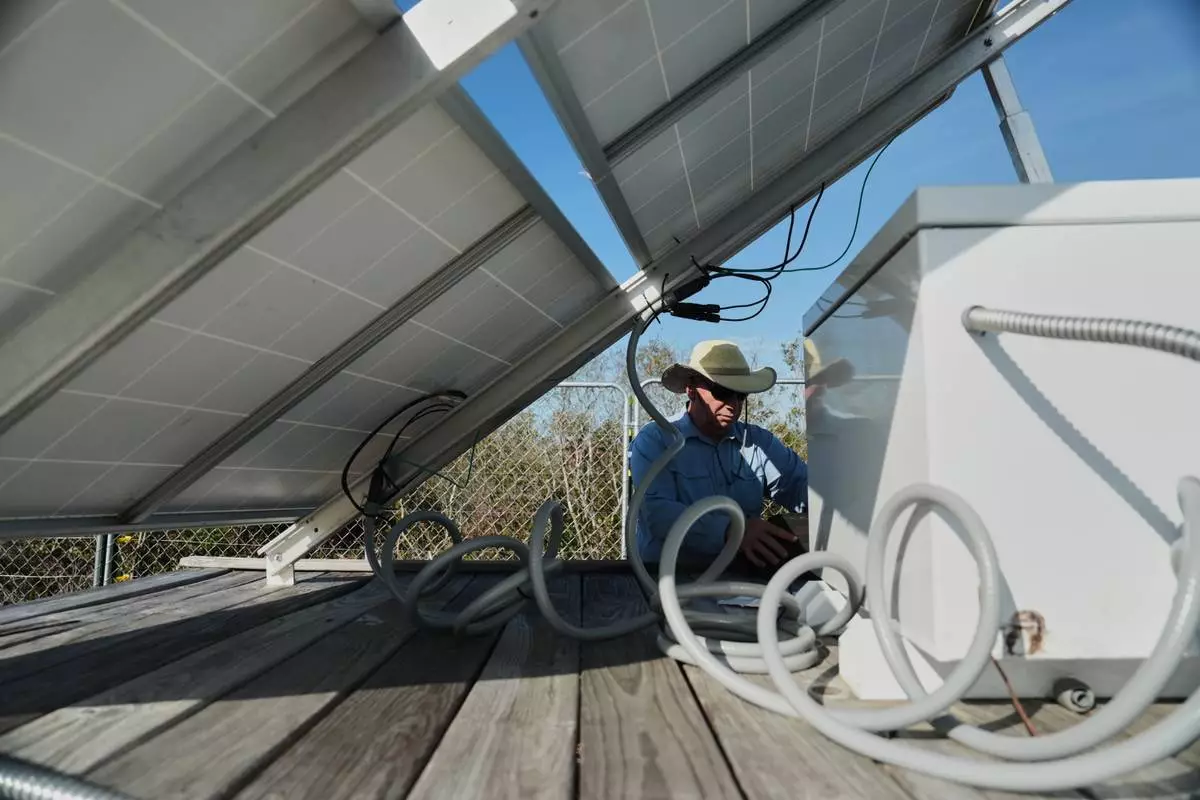
Neal Flanagan, a research scientist at Duke University, works near a solar panel powering a sensor that measures carbon emissions Wednesday, May 6, 2026, in Belhaven, N.C. (AP Photo/Joshua A. Bickel)
Neal Flanagan, a research scientist at Duke University, works near a solar panel powering a sensor that measures carbon emissions Wednesday, May 6, 2026, in Belhaven, N.C. (AP Photo/Joshua A. Bickel)

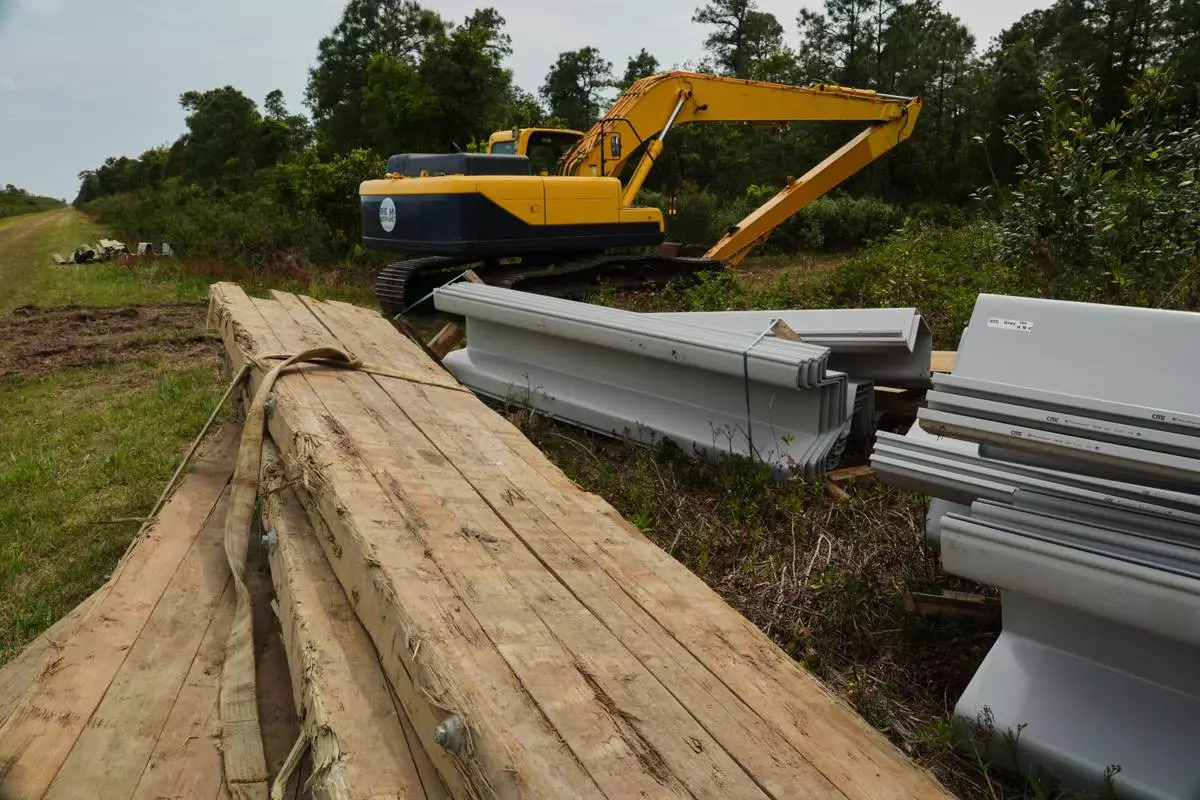
Construction materials sit near a peatland restoration site Wednesday, May 6, 2026, in Belhaven, N.C. (AP Photo/Joshua A. Bickel)
Construction materials sit near a peatland restoration site Wednesday, May 6, 2026, in Belhaven, N.C. (AP Photo/Joshua A. Bickel)

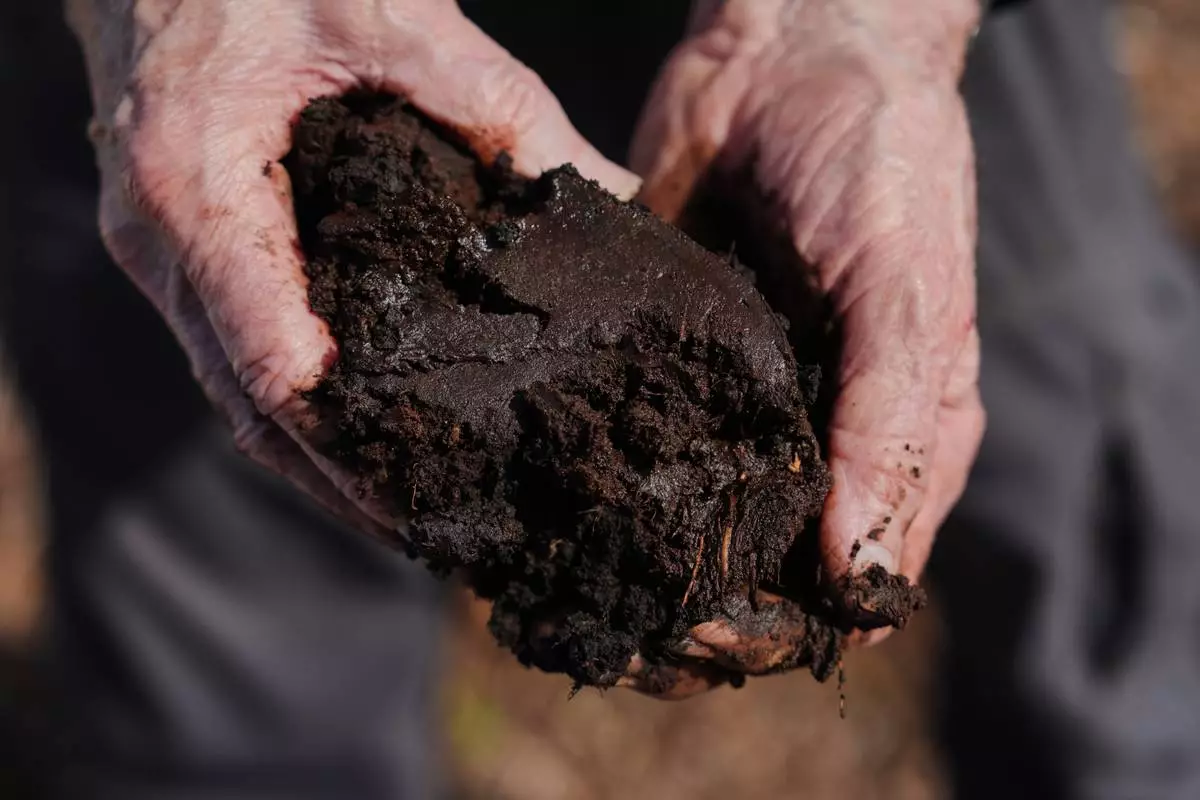
Curtis Richardson, an ecology professor at Duke University, holds peat soil Wednesday, May 6, 2026, in Belhaven, N.C. (AP Photo/Joshua A. Bickel)


Curtis Richardson, an ecology professor at Duke University, holds peat soil Wednesday, May 6, 2026, in Belhaven, N.C. (AP Photo/Joshua A. Bickel)

SAN FRANCISCO--(BUSINESS WIRE)--Sep 9, 2026--

Turing, the superintelligence accelerator that drives real economic progress from AI, today announced that Patrick McKinney has joined the company as Chief Information Security Officer (CISO). McKinney will lead Turing’s global security strategy as the company scales its work with the world’s leading AI labs and enterprises across highly regulated industries.

This press release features multimedia. View the full release here: https://www.businesswire.com/news/home/20260909246850/en/

McKinney brings extensive experience building and scaling security programs at high-growth technology companies. Most recently, he served as vice president of security & IT at Invisible Technologies, where he was the company’s first dedicated security hire and built its security organization from the ground up to support some of the world’s largest companies. Earlier in his career, McKinney held security and compliance roles at Dropbox and Coinbase, where he was part of the teams that helped guide both companies through their public offerings.

“Patrick has built security organizations for some of the most demanding and fast-moving technology environments, and he understands that world-class security has to enable a business to move quickly, not stand in its way,” said Jonathan Siddharth, CEO and founder of Turing. “As Turing works with frontier labs and enterprises to build and deploy increasingly capable AI systems, Patrick will help ensure security remains foundational to how we operate and scale.”

“AI is fundamentally changing the security landscape. It gives security teams powerful new capabilities to monitor and respond to threats at scale, while giving adversaries access to capabilities they’ve never had before,” said McKinney. “Turing operates at the forefront of that shift, working with leading AI labs and enterprises across industries and around the world. As AI continues to advance, security has an important role to play in enabling its potential across industries.”

As CISO, McKinney will oversee security across Turing’s frontier AI and enterprise AI businesses. Turing works with leading AI labs and Fortune 500 companies across industries including financial services, life sciences, healthcare, retail and automotive, creating a broad range of security, compliance and data protection requirements.

About Turing

Turing’s mission is to accelerate superintelligence to drive real economic progress. Headquartered in San Francisco, Turing helps frontier AI labs improve model capabilities in software engineering, enterprise knowledge work, and frontier STEM by providing evaluations, expert human data, and reinforcement learning environments. In software engineering, Turing is the category’s largest and longest-running research and data provider. Turing also helps Fortune 500 enterprises across financial services, life sciences, healthcare, retail, automotive, and CPG to build, deploy, and scale agentic AI systems. By operating on both sides, Turing closes the loop between frontier research and enterprise deployment. Learn more at www.turing.com.

Patrick McKinney, Chief Information Security Officer, Turing

Patrick McKinney, Chief Information Security Officer, Turing

Recommended Articles