KYIV, Ukraine (AP) — More than half a million Russian troops have been killed in Ukraine since the start of Moscow’s full-scale invasion in February 2022, a senior British defense official said Friday.
The dead are part of 1.5 million Russian casualties in Ukraine, Air Chief Marshall Sir Richard Knighton, Chief of the U.K’s Defense Staff, said.
Click to Gallery
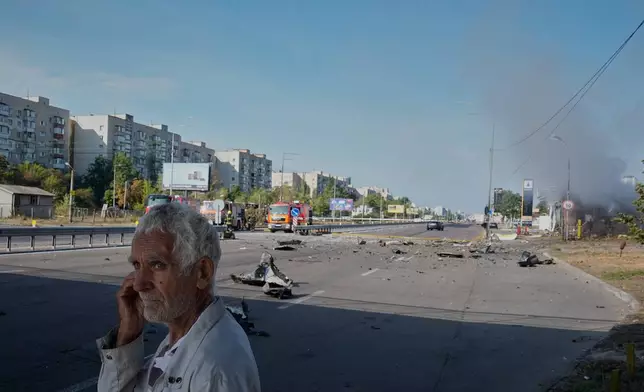
A civilian walks by after a gas station was hit by a Russian drone in Kyiv, Ukraine, Friday, Sept. 11, 2026. (AP Photo/Efrem Lukatsky)
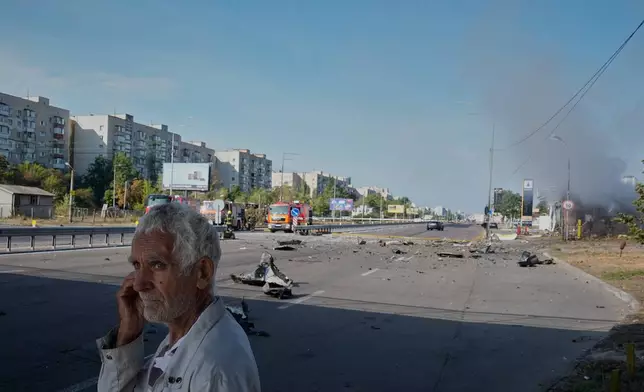
A civilian walks by after a gas station was hit by a Russian drone in Kyiv, Ukraine, Friday, Sept. 11, 2026. (AP Photo/Efrem Lukatsky)
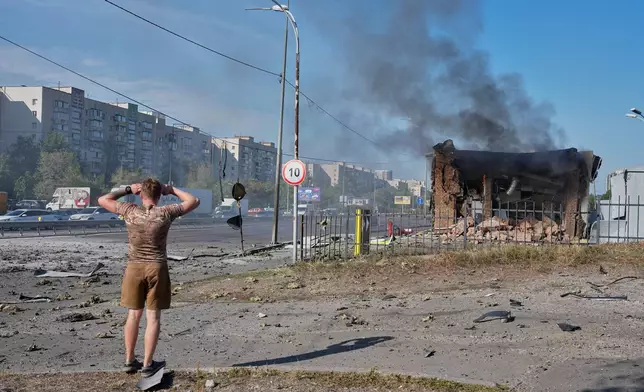
A civilian reacts after a gas station was hit by a Russian drone in Kyiv, Ukraine, Friday, Sept. 11, 2026. (AP Photo/Efrem Lukatsky)
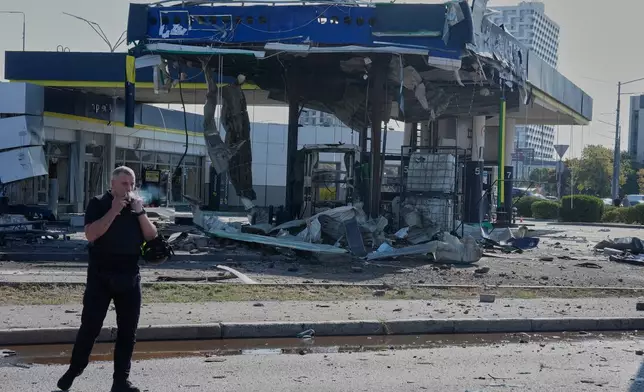
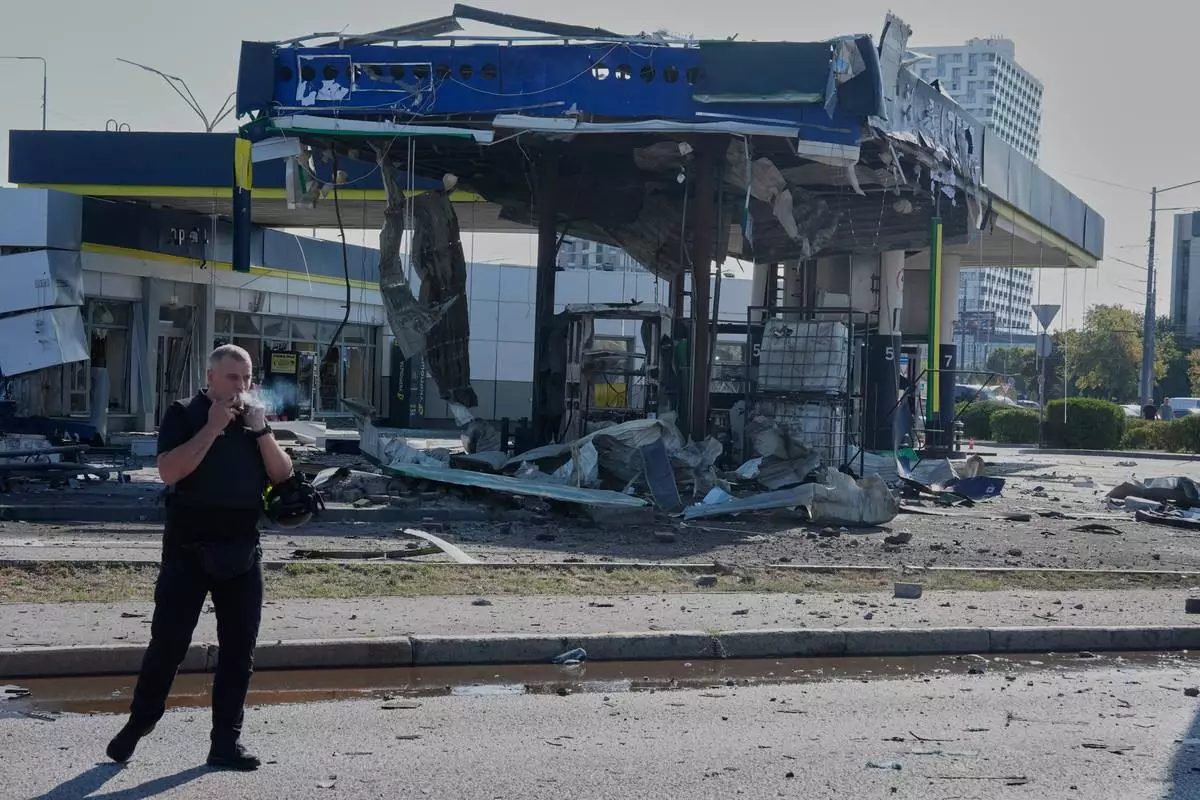
A policeman smokes near a damaged gas station after a Russian drone strike in Kyiv, Ukraine, Friday, Sept. 11, 2026. (AP Photo/Efrem Lukatsky)
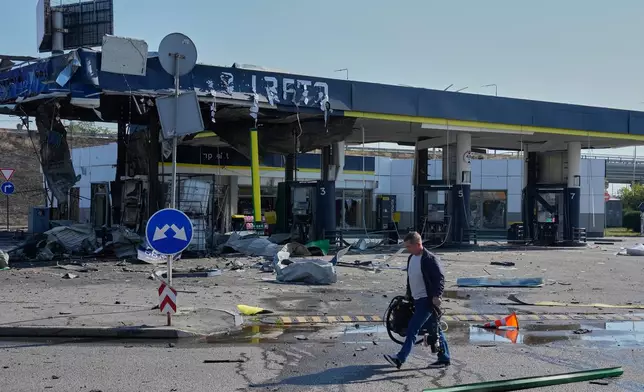
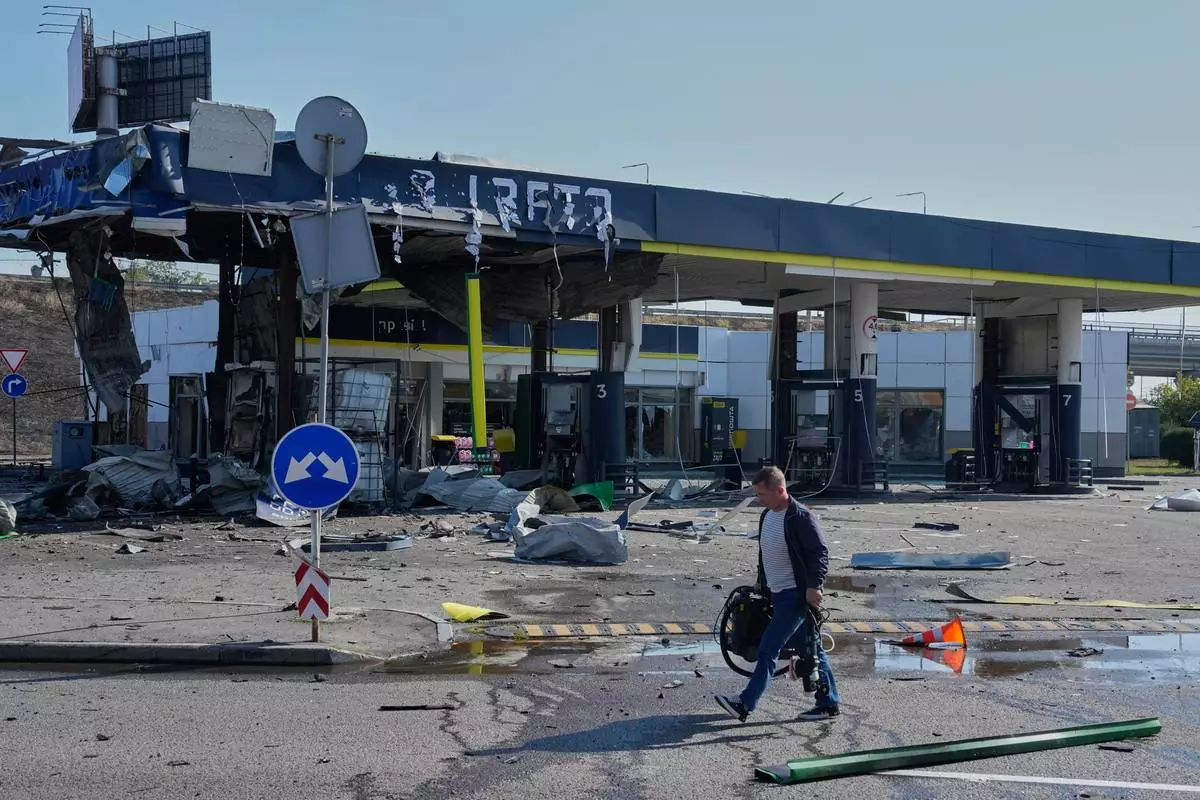
A worker leaves the damaged gas station after a Russian drone strike in Kyiv, Ukraine, Friday, Sept. 11, 2026. (AP Photo/Efrem Lukatsky)
The U.K. figures roughly coincide with those published by the Ukrainian military. There was no immediate comment from Russian officials.
Moscow’s bigger army is struggling to make headway on the battlefield. Western officials and analysts say the Russian rate of advance has slowed significantly this year.
Russia’s armed forces have also lost an “enormous” amount of military materiel, Knighton told reporters. That includes more than 10,000 armored and protected vehicles, close to 3,000 air defense and artillery systems, and over 370 aircraft and helicopters, Knighton said.
He didn’t say what Ukraine’s losses were.
Neither Moscow nor Kyiv give regular updates on their battlefield losses.
Russian drones targeted roadside gas stations in Kyiv for a second straight day Friday, as Moscow broadened its air war in what Ukrainian officials say is an effort to rattle civilians.
The attacks struck two Ukrnafta gas stations, killing two people and wounding six at one of them, the prosecutor’s office said.
Russian strikes on urban gas stations have intensified in recent months, mostly in regions near the front line in eastern and southern Ukraine. It is part of a campaign to disrupt civilian life and weaken morale that has also included attacks on food distribution hubs, sporadically leaving some supermarket shelves bare in the Ukrainian capital.
“Russia is systematically attacking places where it knows people will be spending their time going about their daily lives, seeking to maximize casualties, spread fear, and put pressure on Ukrainian society,” Foreign Minister Andrii Sybiha said on X late Thursday.
Authorities have urged residents not to linger near gas stations and other exposed infrastructure during air raid alerts.
Ukraine is urgently trying to improve its air defenses as Russia's invasion stretches into its fifth year, and on Thursday won pledges of more support from Canada.
Pavlohrad, a city in central Ukraine, observed an official day of mourning Friday for five residents killed near shopping malls in broad daylight by Russian drones the previous day.
The attack also wounded 67 people, Sybiha said on X.
In the southern city of Zaporizhzhia, a 32-year-old woman and her 10-year-old son were wounded in an overnight Russian drone attack, Ukraine’s State Emergency Service said. The drones struck a nine-story apartment block and a shopping mall, it said.
Efforts to put out the blazes were slowed by the constant threat of repeat strikes, forcing firefighters to stop working and take shelter, it added.
In Dnipro, a city in central Ukraine, a Russian daylight attack Friday wounded 12 people, according to local officials.
Ukraine, meanwhile, has extended its own long-range drone campaign deep into Russia, straining air defenses across its bigger neighbor’s vast territory. On Thursday, its military reported hitting a refinery more than 3,000 kilometers (1,800 miles) away in Siberia as Kyiv tries to hurt Russia’s vital oil sector. Its strikes have caused fuel shortages in Russia, one of the world’s biggest energy producers.
Russia’s oil product exports hit record lows in August, and Moscow is importing fuel from South Korea and India, the Center for Research on Energy and Clean Air said in a report.
“Ukrainian strikes on Russia’s refining capacity have turned tables on the world’s once largest oil product exporter to see them start importing fuels, with imports surging to a record 172,000 metric tons (189,600 tons) in August — more than seven times the previous monthly high,” the Finland-registered nonprofit said Thursday.
Ukraine launched a major barrage overnight from Thursday to Friday, with the Russian Defense Ministry saying air defenses intercepted 777 Ukrainian drones over 16 Russian regions, as well as occupied Crimea and the waters of the Azov and the Caspian seas.
Two people were killed and three others wounded overnight in a Ukrainian drone attack on the Tula region south of Moscow, local officials said Friday.
A Ukrainian drone strike during the night started a fire at the Saratov oil refinery in southwestern Russia, Russian independent online outlet Astra said Friday. Kyiv has repeatedly targeted that refinery, which was last hit in early August.
Major online retailer Ozon said its logistics facility in the same city was struck and set ablaze by a Ukrainian drone, though no casualties were reported. Ozon is a competitor to Wildberries, whose facilities Ukraine has also targeted.
Ukrainian President Volodymyr Zelenskyy said long-range strikes overnight hit eight Russian regions, including a business and an oil industry facility in the Saratov region.
The attacks were “aimed at reducing Russia’s capacity to wage war,” he said on X Friday.
Burrows reported from London and Hatton reported from Lisbon, Portugal.
Follow the AP’s coverage of the war in Ukraine at https://apnews.com/hub/russia-ukraine
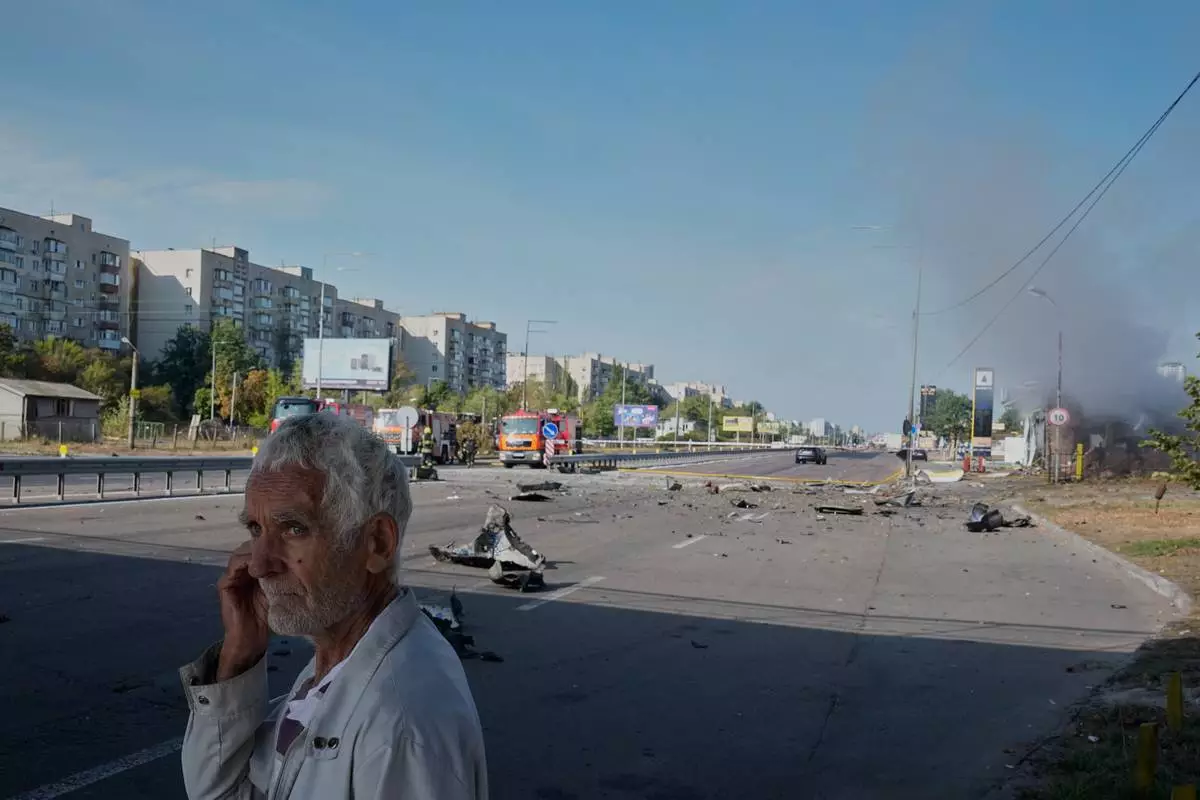
A civilian walks by after a gas station was hit by a Russian drone in Kyiv, Ukraine, Friday, Sept. 11, 2026. (AP Photo/Efrem Lukatsky)
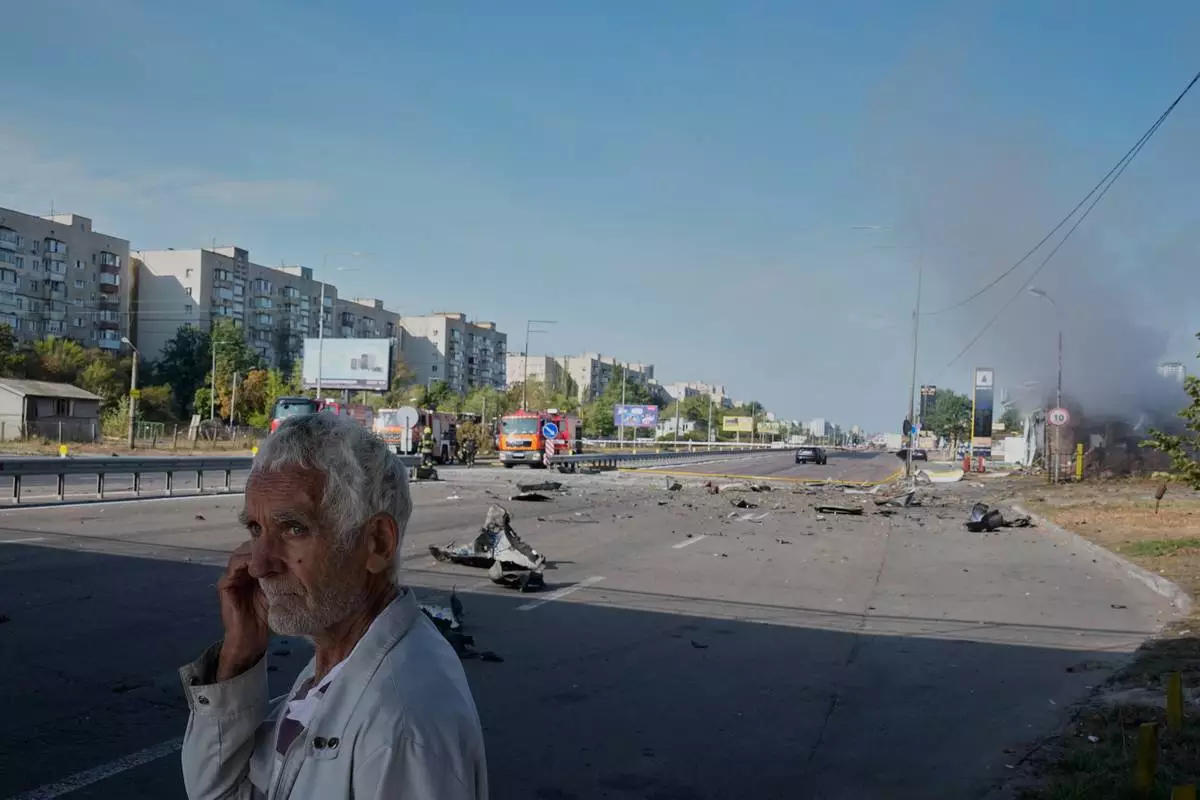
A civilian walks by after a gas station was hit by a Russian drone in Kyiv, Ukraine, Friday, Sept. 11, 2026. (AP Photo/Efrem Lukatsky)
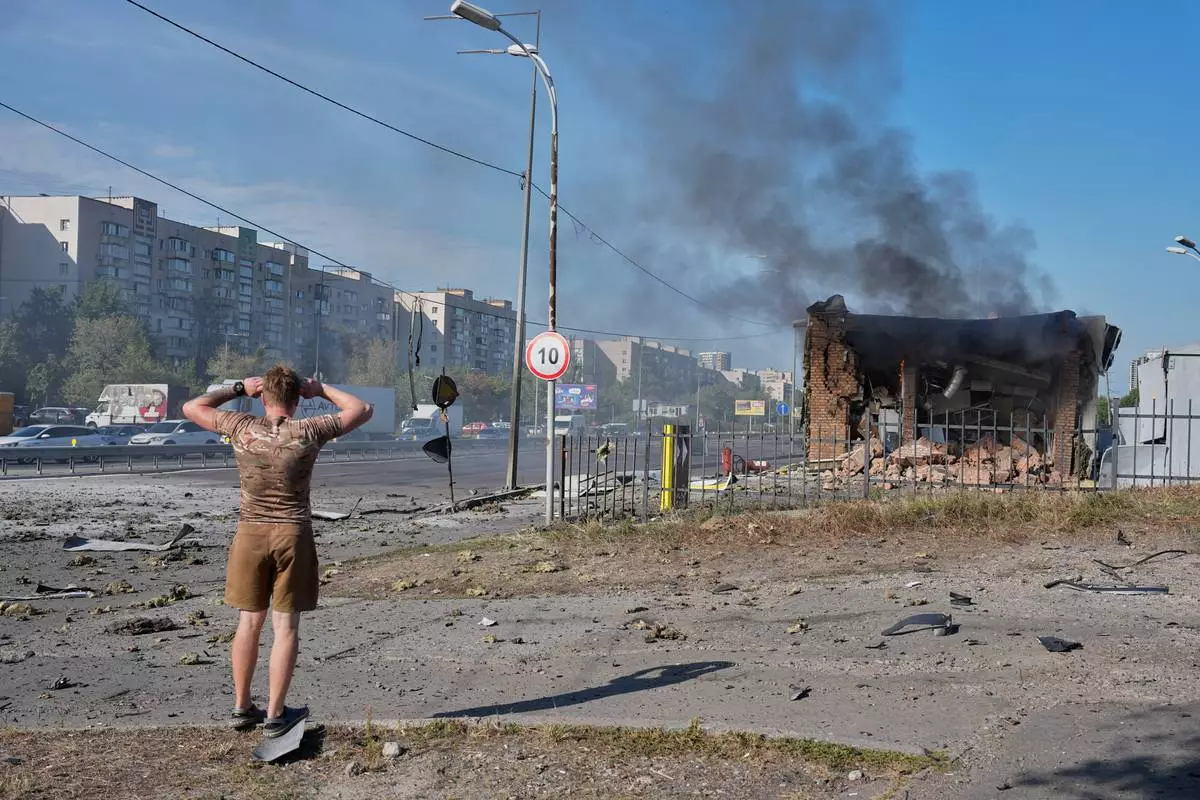
A civilian reacts after a gas station was hit by a Russian drone in Kyiv, Ukraine, Friday, Sept. 11, 2026. (AP Photo/Efrem Lukatsky)
A policeman smokes near a damaged gas station after a Russian drone strike in Kyiv, Ukraine, Friday, Sept. 11, 2026. (AP Photo/Efrem Lukatsky)
A worker leaves the damaged gas station after a Russian drone strike in Kyiv, Ukraine, Friday, Sept. 11, 2026. (AP Photo/Efrem Lukatsky)