A memorial event was held Friday at the Changi Chapel and Museum in Singapore to commemorate the Southeast Asian country's liberation from Japanese occupation during World War II, urging the public to cherish peace and remember history.
Japanese forces formally surrendered in Singapore on September 12, 1945, ending more than three years of its occupation of the country.
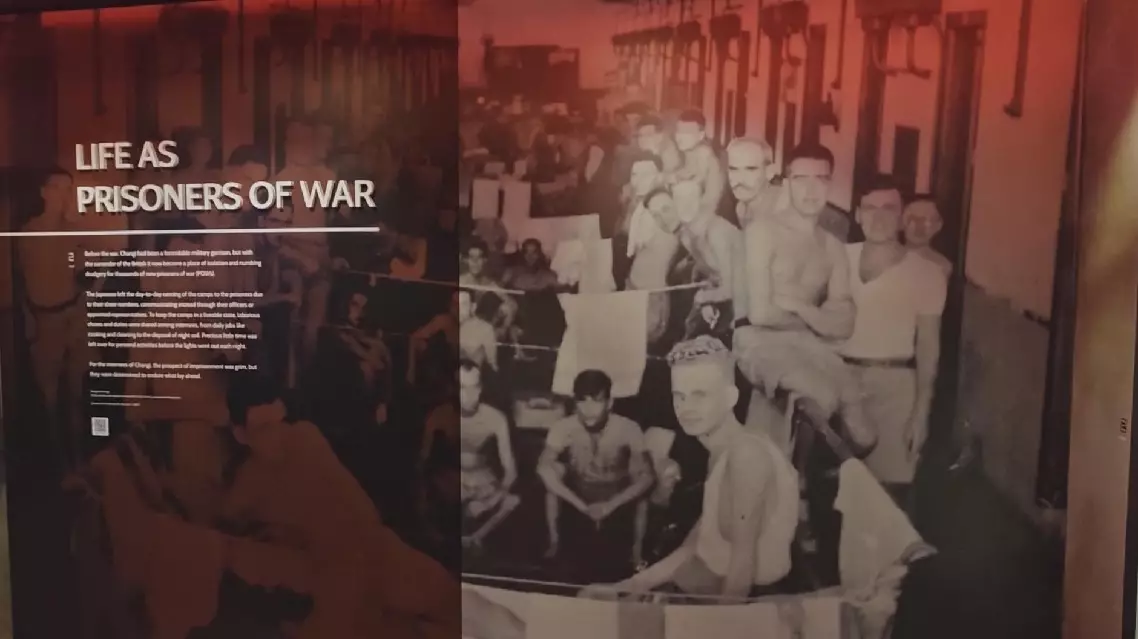
Historians shared historical photographs with audiences from Singapore, Australia, and elsewhere, recounting the suffering of civilians during the Japanese occupation and the experiences of interned prisoners of war subjected to forced labor.
"In terms of why do we want to make anyone go in, because it is our history. It is the way in which we want to talk about our experiences of the past. It also meant the beginning of memory and what was the stories that were lost during those times," said Zinnurain Nasir, a Singaporean curator and heritage researcher.
According to statistics from the Changi Museum, between 1942 and 1945, tens of thousands of people were detained at the Changi camp. Large numbers of Changi prisoners of war were also transported to the Myanmar-Thailand border, where they were forced by Japanese forces to build the Burma Railway, also known as the Death Railway. Countless people died from starvation, disease, and excessive forced labor.
Faced with severe survival challenges during their internment, a group of female civilian prisoners -- many with husbands or relatives held in nearby military camps -- devised a plan to make patchwork quilts for a camp hospital. Each woman embroidered an encrypted message or a specific symbol into her square, allowing family members who saw these quilts to know their loved ones were still safe.
"This quilt is actually very poignant because each patch, I would say, would tell different stories, different interpretations of what they saw in the world. Because a lot of this represented hope of wanting to return back to their family members, of going back to the homeland as well," said Nasir.
In 2016, the Changi Prison entrance gate, outer walls, and turrets were listed by Singapore's National Heritage Board as the country's 72nd national monument to commemorate those dark years.
Singapore commemorates liberation from Japanese occupation during WWII