Persistent low water levels on the Rhine River have severely restricted freight capacity, threatening significant economic loss in Germany this year, Nicole Rabold, a spokeswoman for the Rhineland-Palatinate Chamber of Commerce and Industry, said on Sunday.
Rabold 'said it remains unclear whether the damage will surpass that of 2018, when low water levels caused around 2.4 billion euros in losses.
The Rhine River handles approximately 80 percent of Germany's inland freight transport, making it a crucial lifeline for the country's industrial logistics.
Germany has experienced recurring heatwaves and droughts this year, keeping river levels consistently low and severely disrupting freight transport as some vessels remain grounded while others travel empty.

Rhine River's low water levels may cause massive economic loss for Germany: insider
Iraq announced on Sunday a phased reopening of three major border crossings with neighboring Iran, following administrative and technical reviews to enhance security and streamline border movement.
According to a statement by the Security Media Cell (SMC) affiliated with the Iraqi Joint Operations Command, the decision was made upon Iraqi Prime Minister Ali al-Zaidi's directive to upgrade organizational and technical infrastructure at the Shalamcheh, Mandali, and al-Sheeb border crossings.
Passenger travel through the al-Sheeb and Shalamcheh border crossings resumed at 06:00 on Sunday, with commercial trade at Shalamcheh set to resume Monday, followed by Mandali on Tuesday and al-Sheeb on Thursday, the statement said.
The SMC emphasized that trade and passenger movement with Iran at the Zurbatiyah and al-Munthiriya crossings have remained unaffected and continue to operate around the clock.
On Saturday, Iraqi security authorities said they had initiated administrative and security reorganization operations at several border crossings, necessitating their closure, to investigate security breaches.
The closures came after Al-Zaidi dismissed the Maysan Operations Commander on Saturday after authorities confirmed attacks targeting Saudi Arabia had been launched from a site in Maysan province in southern Iraq.
The Saudi Foreign Ministry said Friday that multiple drones launched from Iraq attacked its East-West Pipeline, causing injuries and damage.
The ministry noted that, at the request of the Iraqi prime minister, the kingdom has refrained from retaliating at this stage.
Saudi Arabia has invested heavily in the East-West Pipeline, which carries crude oil from its eastern fields to the Red Sea port of Yanbu, bypassing the Strait of Hormuz.
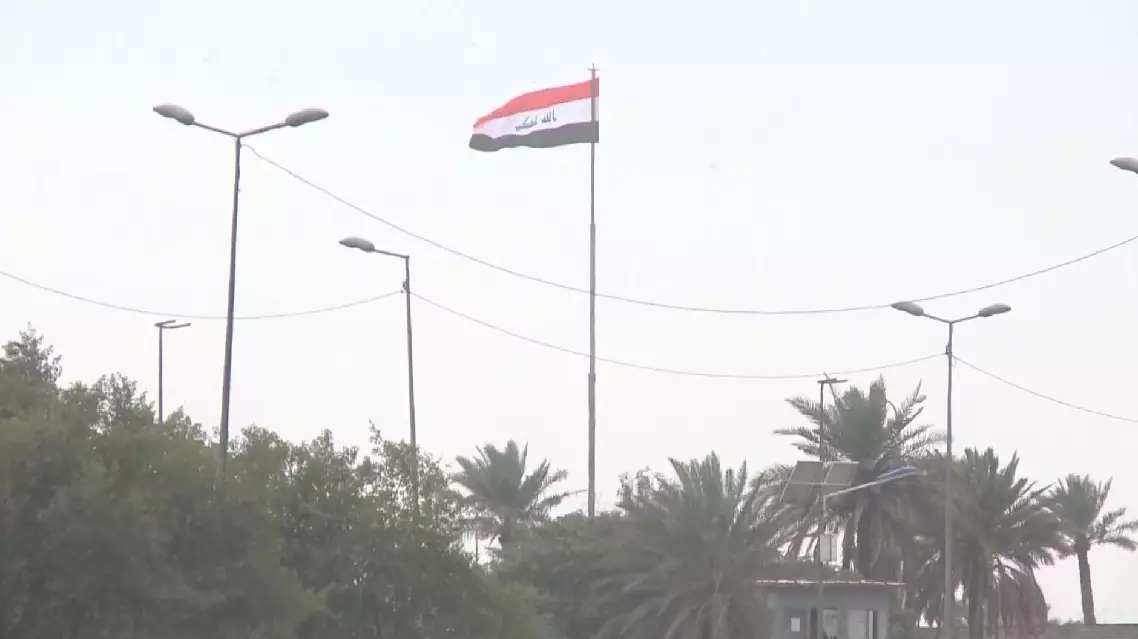
Iraq sets phased reopening schedule for border crossings with Iran after security, technical reviews