The 18th BRICS Summit wrapped up Sunday in New Delhi, India, with member nations pushing trade facilitation, financing and infrastructure projects aimed at delivering tangible benefits across the bloc.
The two-day summit pushed for a payment system that could allow member countries to settle transactions directly in their own currencies to streamline the process. This effort has been hailed by business representatives from various countries at the event.
"We, as a BRICS nation, we've got to be independent of the U.S. and them controlling the economy and the payment systems, because that's what BRICS is all about. BRICS is about BRICS countries," said Vivian Reddy, executive chairman of Edison Corporation, a South African electrical and infrastructure contracting company.
"We do a lot of exports, and definitely, if we are able to do a direct trade with the country of that currency, then both the countries are being benefited," said Archit Gala, president of Navneet Education Limited, an Indian children book company.
BRICS provides a platform for nations with diverse development paths to pool resources, industry and technology for shared growth. A key pillar of that effort is financing, with the New Development Bank offering affordable, long term funding to help turn development ambitions into reality. Established in Shanghai by the original BRICS members, the bank has mobilized billions for infrastructure and sustainability projects, approving 42.9 billion dollars for 140 initiatives by the end of the first quarter of 2026.
In India, the bank has financed a rapid rail transit system named Namo Bharat to offer a sustainable alternative to commuter travel between regional hubs.
In Russia, the NDB has supported the renewal of more than 3,500 locomotives across the Russian Railways network, making freight transport more efficient and less energy-intensive.
In Brazil, an NDB-funded water project is bringing piped water to more than 120,000 people across 16 municipalities in Paraiba state, many of whom currently have piped water access only part of the year.
In South Africa, NDB financing has helped add around 1,600 megawatts of energy capacity across eight provinces, supplying an estimated 7,500 gigawatt-hours of electricity every year while cutting millions of tons of carbon dioxide emissions.
These efforts point to the broader value of BRICS: it is not simply giving the Global South a stronger voice, but creating practical opportunities for countries to access financing, technology and cooperation suited to their development needs.
Marking its 20th anniversary this year, the BRICS was initially formed by Brazil, Russia, India and China, later expanding with the addition of South Africa. Today, the bloc has expanded to 11 member countries and 10 partner countries, becoming the world's most influential platform for cooperation among emerging markets and developing countries.
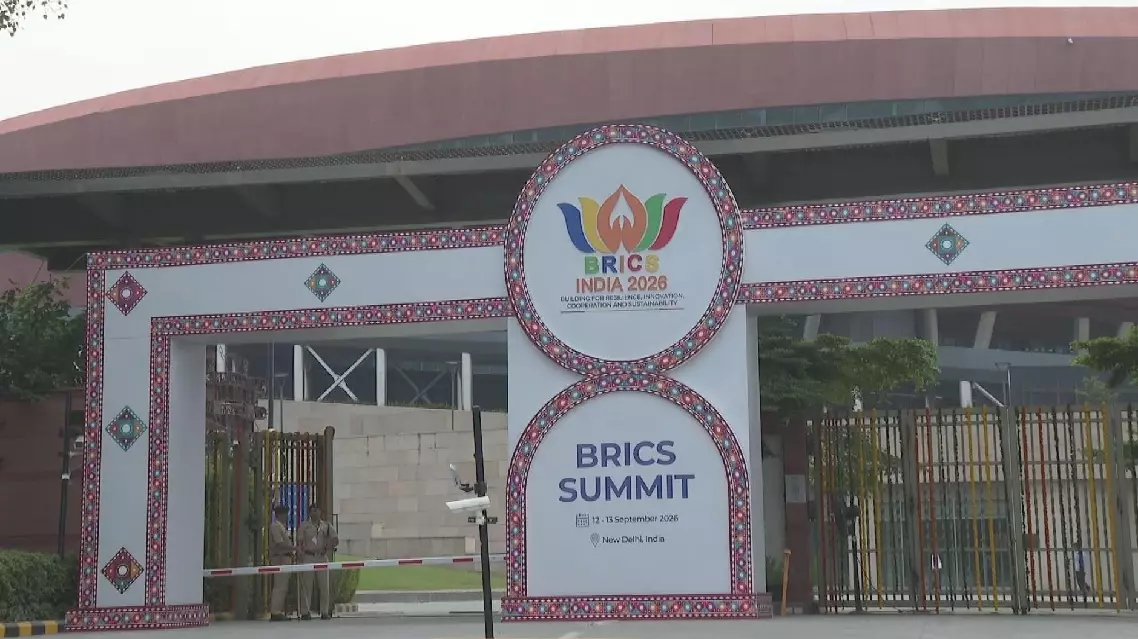
BRICS summit wraps up with push for currency settlement, financing gains