Skip to Content Facebook Feature Image

Japan's drills harm other's security, threatens regional stability: spokesman

China

Japan's drills harm other's security, threatens regional stability: spokesman
China

China

Japan's drills harm other's security, threatens regional stability: spokesman

2026-09-14 23:45 Last Updated At:09-15 10:47

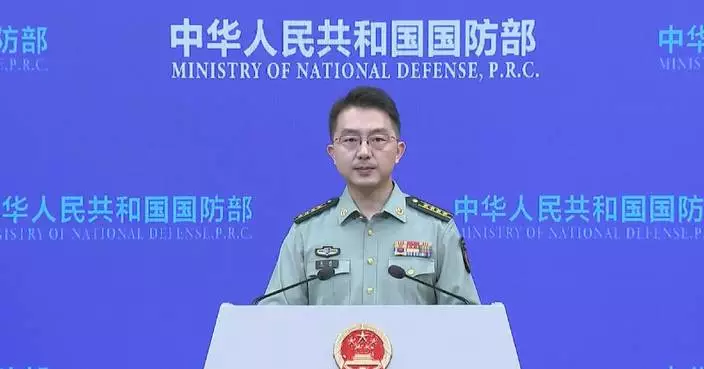
Japan's ongoing joint exercises with the United States and Australia will harm other countries' security interests and threaten regional security and stability, a Chinese spokesman said on Monday.

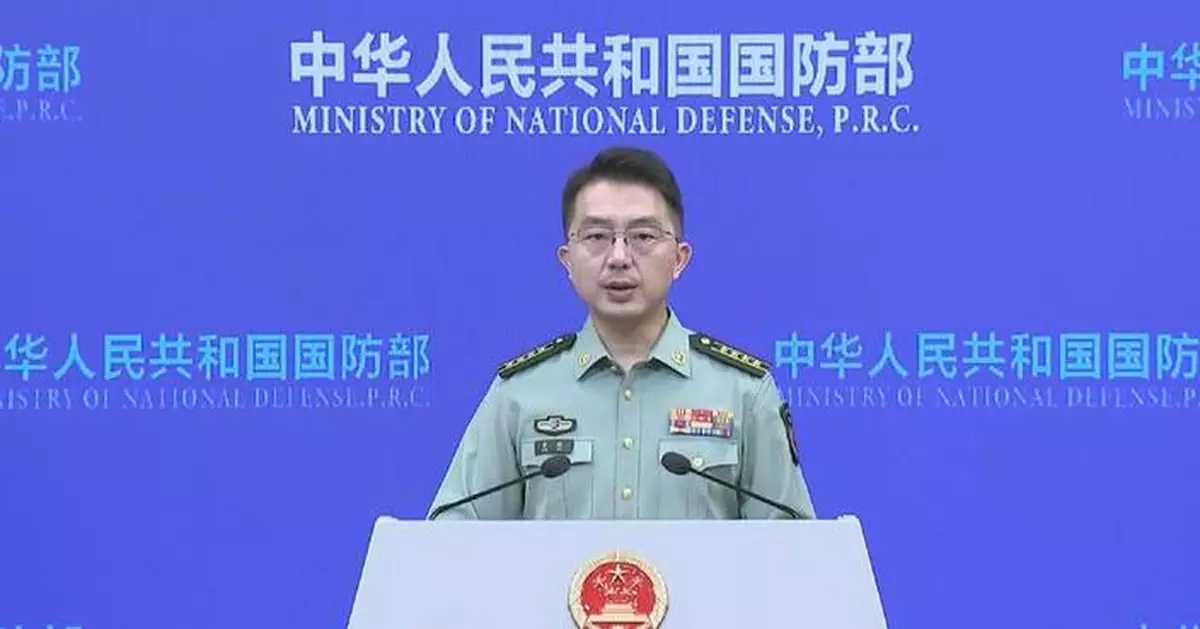
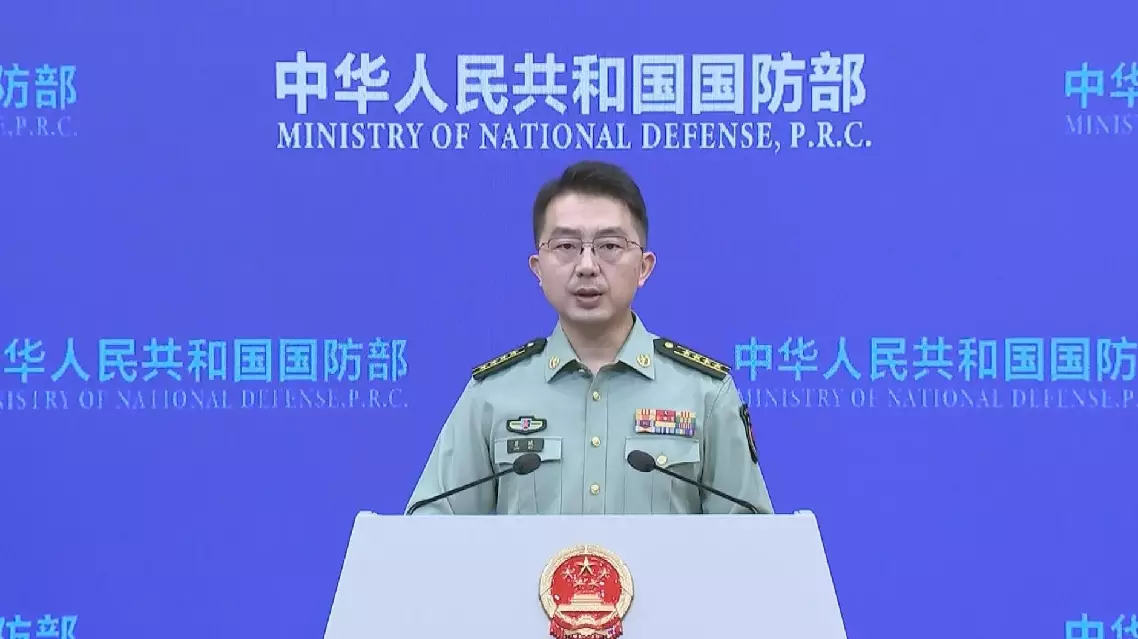
Jiang Bin, the spokesman for the Ministry of National Defense, made the remarks in response to a media query about the largest-ever Orient Shield exercises. The drills involve Japan's Self-Defense Forces and U.S. and Australian forces, operating primarily in and around Hokkaido from Sept 8 to 24.

"This exercise is packaged as a 'shield,' but in reality it amounts to the forward deployment of strategic offensive weapons. It not only undermines other countries' legitimate security interests, but also heightens the risk of an arms race and military confrontation, and seriously threatens regional security and stability. We firmly oppose this," said Jiang.

"In recent years, Japan has continuously breached the constraints of its Pacifist Constitution and exclusively defense-oriented policy, while vigorously developing long-range offensive weapons. It has accelerated remilitarization through joint military exercises with other countries and pursued military expansion. In addition, by catering to extra-regional forces and fostering bloc confrontation, it is deliberately stoking regional tensions and gradually embarking on the dangerous path of neo-militarism," he said.

"Any move that fuels Japan's military ambitions will only push the region into a dangerous vortex and will inevitably bring harm to those involved. We urge the relevant countries to earnestly respect others' security concerns, rectify their erroneous practices, and contribute positively to regional peace and stability through concrete actions," Jiang said.
Japan's drills harm other's security, threatens regional stability: spokesman

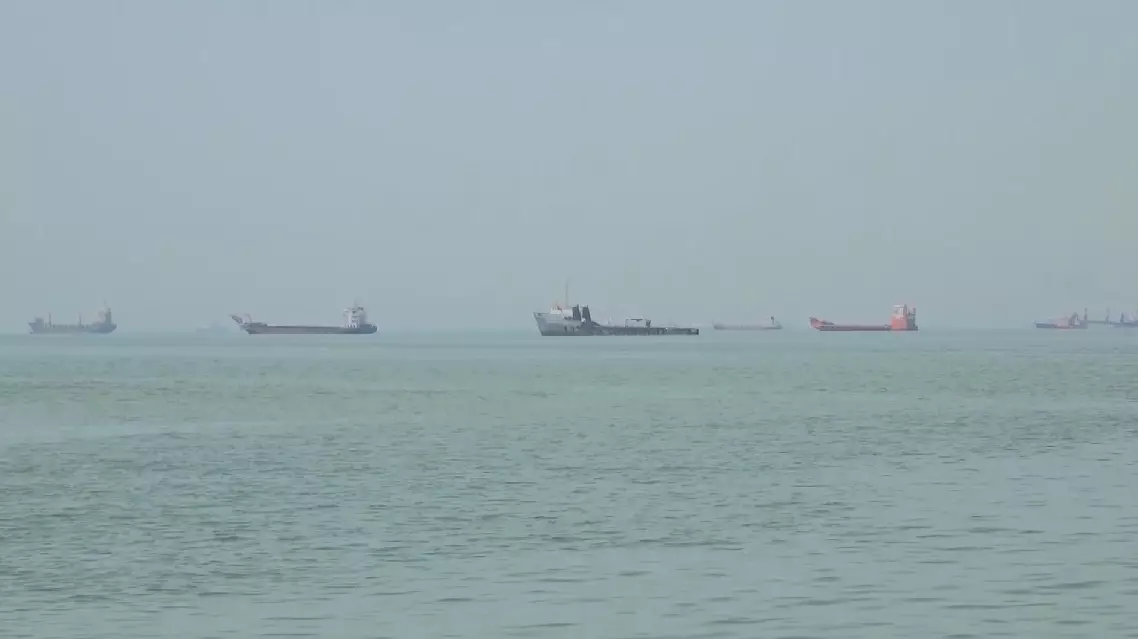
Japan's drills harm other's security, threatens regional stability: spokesman
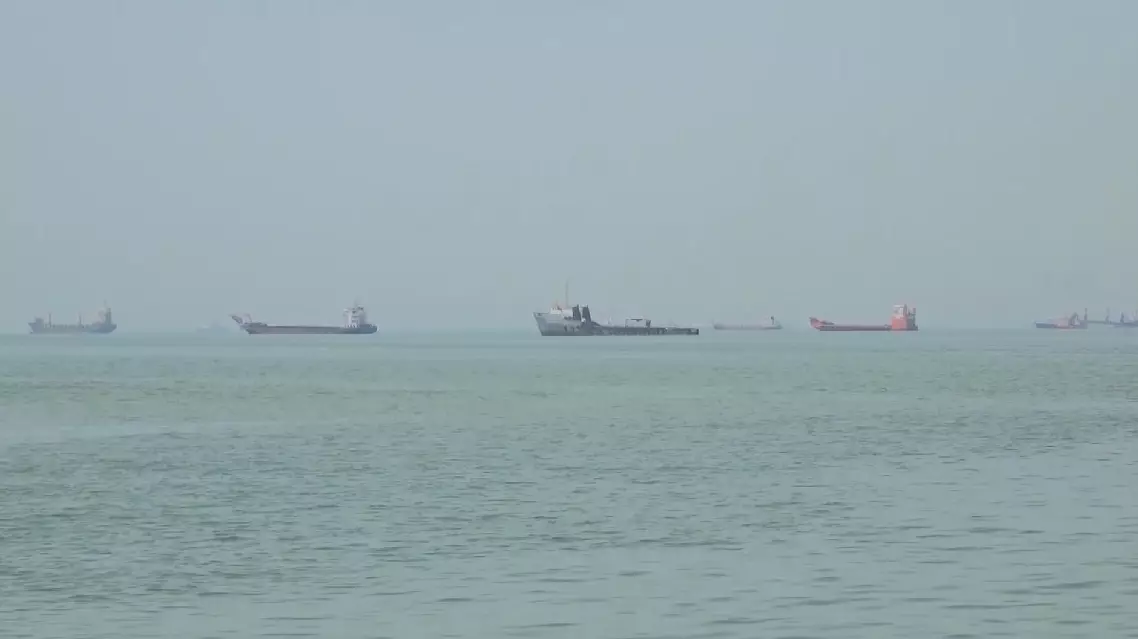
Iran's Islamic Revolution Guard Corps (IRGC) said in a statement on Monday that a super oil tanker, which was trying to cross the Strait of Hormuz via the "forbidden" route to the south of the strait, exploded after hitting naval mines.

Warnings about the dangers of this route had been issued previously, according to the statement published on the IRGC's official news outlet Sepah News.

In the statement, the IRGC Navy said that the Strait of Hormuz has been blocked and remains under Iran's "smart control".

Following U.S.-Israeli strikes on Iran on Feb. 28, Tehran restricted passage through the strategic waterway, while U.S. forces imposed a naval blockade targeting vessels traveling to or from Iranian ports.

Ship-tracking data showed that the daily number of vessels transiting through the strait dropped to single digits over the weekend, falling below the recent 10-day average of 14 vessels per day.

Four vessels, including a gas carrier, exited the strait over the weekend, while 10 cargo ships entered the waterway.

However, these figures do not include vessels that pass through the strait with their Automatic Identification System (AIS) switched off.

The Strait of Hormuz handles roughly 20 percent of the world's seaborne oil flows and significant shipments of liquefied natural gas (LNG) and fertilizers.

Before the U.S.-Israeli strikes, around 125 large commercial vessels would pass through the strait every day, including oil tankers, gas carriers, bulk carriers, and container ships.

Iran says oil tanker explodes after hitting naval mines in Hormuz, US denies Iran's claim

Iran says oil tanker explodes after hitting naval mines in Hormuz, US denies Iran's claim

Iran says oil tanker explodes after hitting naval mines in Hormuz Strait

Iran says oil tanker explodes after hitting naval mines in Hormuz Strait

Recommended Articles