RIO DE JANEIRO (AP) — Brazil’s Supreme Court is in the throes of an unprecedented crisis. Sessions are being canceled. Justices are overruling one another’s decisions. And suspicions of graft, political bias and police interference loom over several of its members ahead of the country's presidential election in October.
The justices at the heart of the crisis are perceived as being at opposing ends of Brazil’s polarized political spectrum. Next month, incumbent Luiz Inácio Lula da Silva is expected to face off with Sen. Flávio Bolsonaro, the son of former President Jair Bolsonaro, in what is likely to be a close election, as it was four years ago.
Click to Gallery
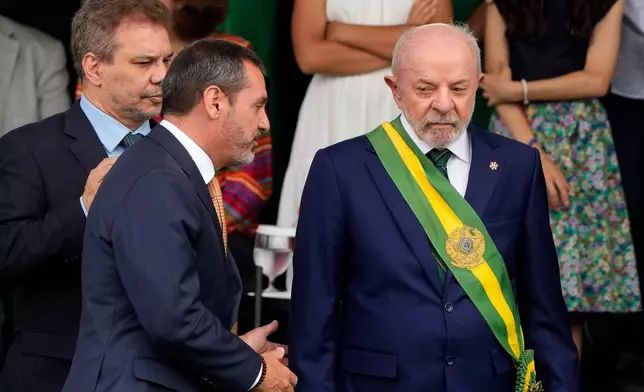
Brazilian President Luiz Inacio Lula da Silva, right, speaks with Federal Police Director General Andrei Rodrigues, center, next to Justice Minister Wellington Cesar, far left, during Independence Day celebrations in Brasilia, Brazil, Monday, Sept. 7, 2026. (AP Photo/Eraldo Peres)
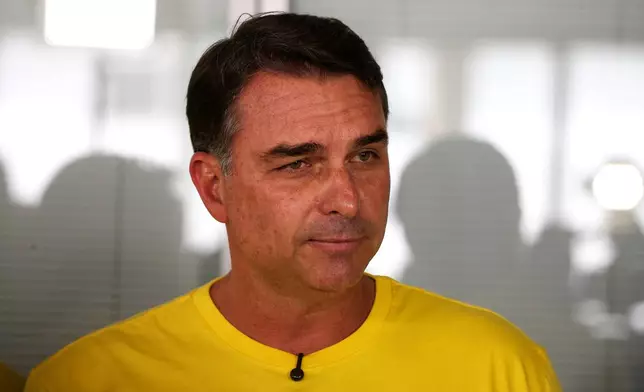
Opposition presidential candidate Sen. Flavio Bolsonaro attends a news conference after visiting a Honda motorcycle factory in the Manaus Free Trade Zone during a campaign event in Manaus, Amazonas state, Brazil, Friday, Sept. 11, 2026. (AP Photo/Edmar Barros)
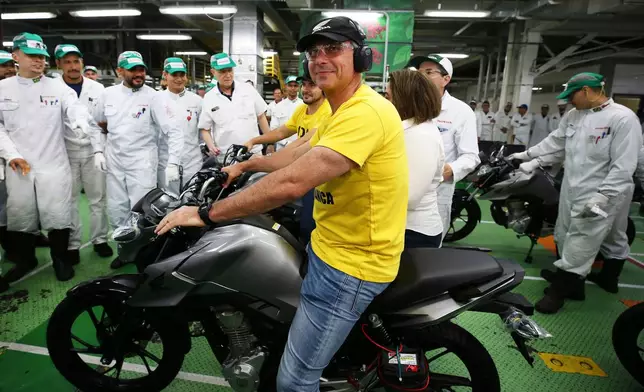
Opposition presidential candidate Sen. Flavio Bolsonaro sits on a motorcycle during a visit to a Honda motorcycle factory in the Manaus Free Trade Zone during a campaign event in Manaus, Amazonas state, Brazil, Friday, Sept. 11, 2026. (AP Photo/Edmar Barros)
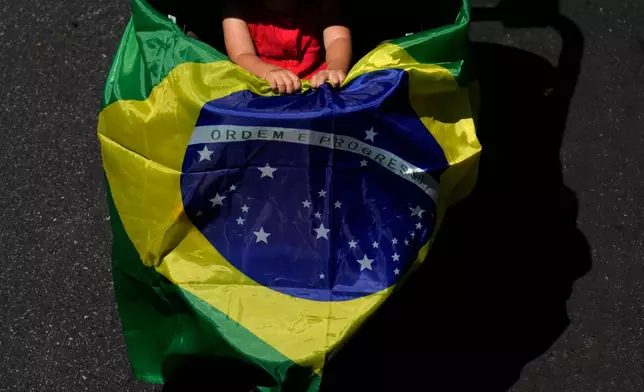
A child holds a Brazilian flag during an election campaign march in support of Brazilian President Luiz Inacio Lula da Silva, who is running for reelection, in Brasilia, Brazil, Sunday, Sept. 13, 2026. (AP Photo/Eraldo Peres)
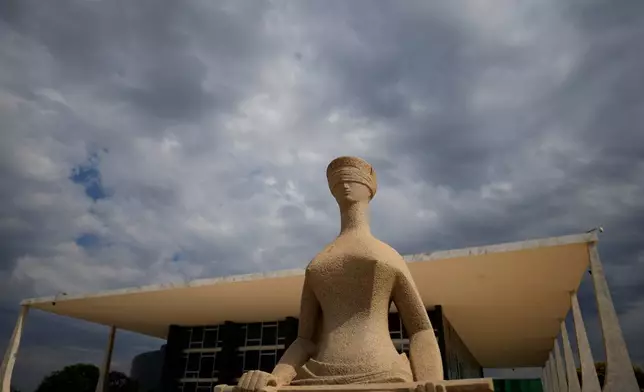
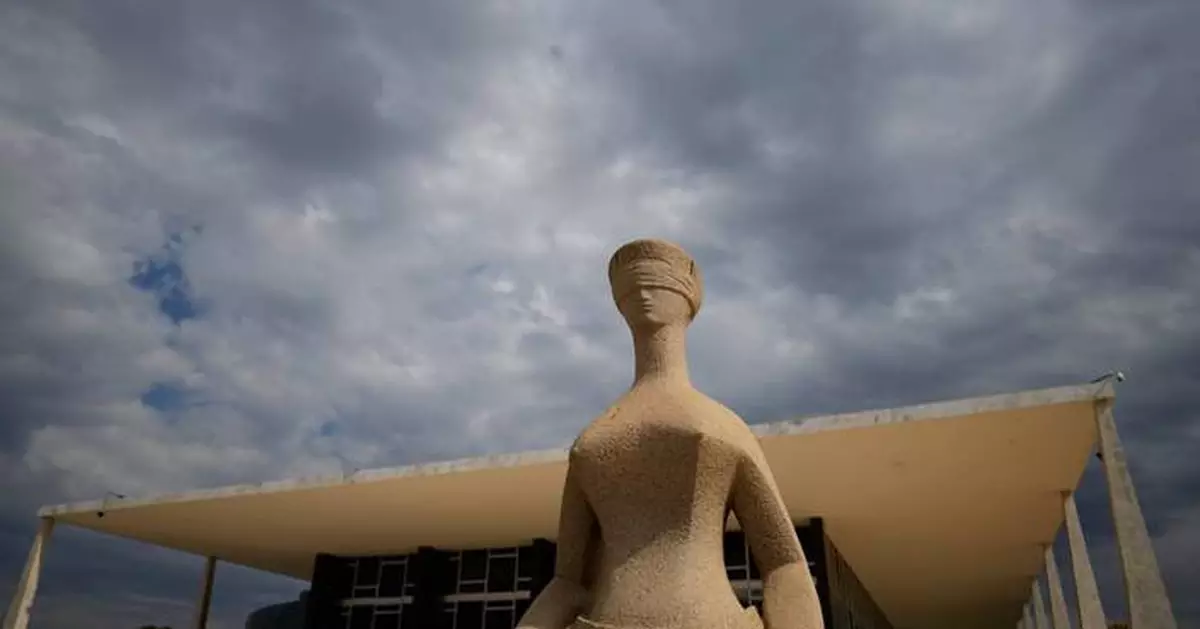
The Statue of Justice stands outside the Supreme Court building ahead of a plenary session in Brasilia, Brazil, Wednesday, Sept. 2, 2026. (AP Photo/Eraldo Peres)
The court is set to meet Tuesday to discuss whether one of the justices should be investigated for corruption.
Here’s what to know.
The chaos gripping the court stems from the collapse of Banco Master, a mid-sized bank worth up to $16 billion in assets, which was shut down last November after a sprawling investigation into a fraud scheme involving billions of reais. Several top politicians and members of the judiciary were linked to it.
Justice Andre Mendonca, an appointee of former president Jair Bolsonaro, was in charge of the case at the Supreme Court.
Banco Master’s former head Daniel Vorcaro was arrested earlier this year. Investigations show he had business dealings with several high-ranking politicians, including Sen. Bolsonaro. Additionally, Justice Alexandre de Moraes — a rival of Mendonca — provided legal advice to Vorcaro, and his wife had a 130 million reais ($23 million) contract to provide legal services to Banco Master, according to documents related to the ongoing investigation.
Meanwhile, investigations into Flávio Bolsonaro's relationship with Vorcaro and the banker's $12 million in payments for a movie on his father's life have been much slower. Sen. Bolsonaro has admitted receiving the payment but denied allegations of wrongdoing.
Some members of Brazil's top court have openly accused Mendonca of selectively releasing parts of the sprawling Banco Master case and purposely slow-walking the release of parts of the investigation that relate to Sen. Bolsonaro to coincide with the upcoming elections.
Mendonca denies the accusations of bias.
Multiple Brazilian media outlets have reported that Mendonca wants de Moraes suspended while the court decides whether he should be investigated for graft. De Moraes has filed a request to have Mendonca investigated by the court and potentially impeached by the Senate for investigating him in an unauthorized proceeding.
Brazil’s next president will appoint at least four new Supreme Court justices, who can serve until they are 75 years old. Some Senate candidates allied with Flávio Bolsonaro have promised to push to impeach members of the country's highest court, while Lula allies are considering term limits.
De Moraes is a hero for many Lula supporters for overseeing the case that led to the conviction of ex-President Bolsonaro for attempting a coup after his 2022 defeat.
Ahead of the 2022 vote, de Moraes used his double role as a high court judge and head of Brazil’s electoral court to fight disinformation and protect the integrity of the electoral process as Bolsonaro cast unfounded doubts on Brazil’s electronic voting system.
De Moraes' demise, analysts say, could embolden the Bolsonaros to once again question results if they lose. A Bolsonaro appointee, Justice Kassio Nunes Marques, currently chairs Brazil's top electoral court.
At a rally that drew nearly 30,000 people in Sao Paulo for Brazil’s Independence Day on Sept. 7, Sen. Bolsonaro directly linked Lula to de Moraes. “Whoever votes for Lula votes for Alexandre de Moraes,” Sen. Bolsonaro said, vowing to reshape the court if elected.
“Because it’s an extremely polarized campaign, all that is negative for de Moraes is, immediately, positive for the Bolsonaro family,” said independent political consultant Thomas Traumann, noting that the crisis at the Supreme Court has become a central issue in the presidential campaign.
When the court meets Tuesday, it is expected to discuss whether de Moraes should be investigated.
Chief Justice Luiz Edson Fachin is trying to turn down the political heat and has removed Mendonca from overseeing the Banco Master investigations. Fachin also ordered the unsealing of all documents related to the Banco Master case at the Supreme Court, which were made available on Friday.
Follow AP’s coverage of Latin America and the Caribbean at https://apnews.com/hub/latin-america
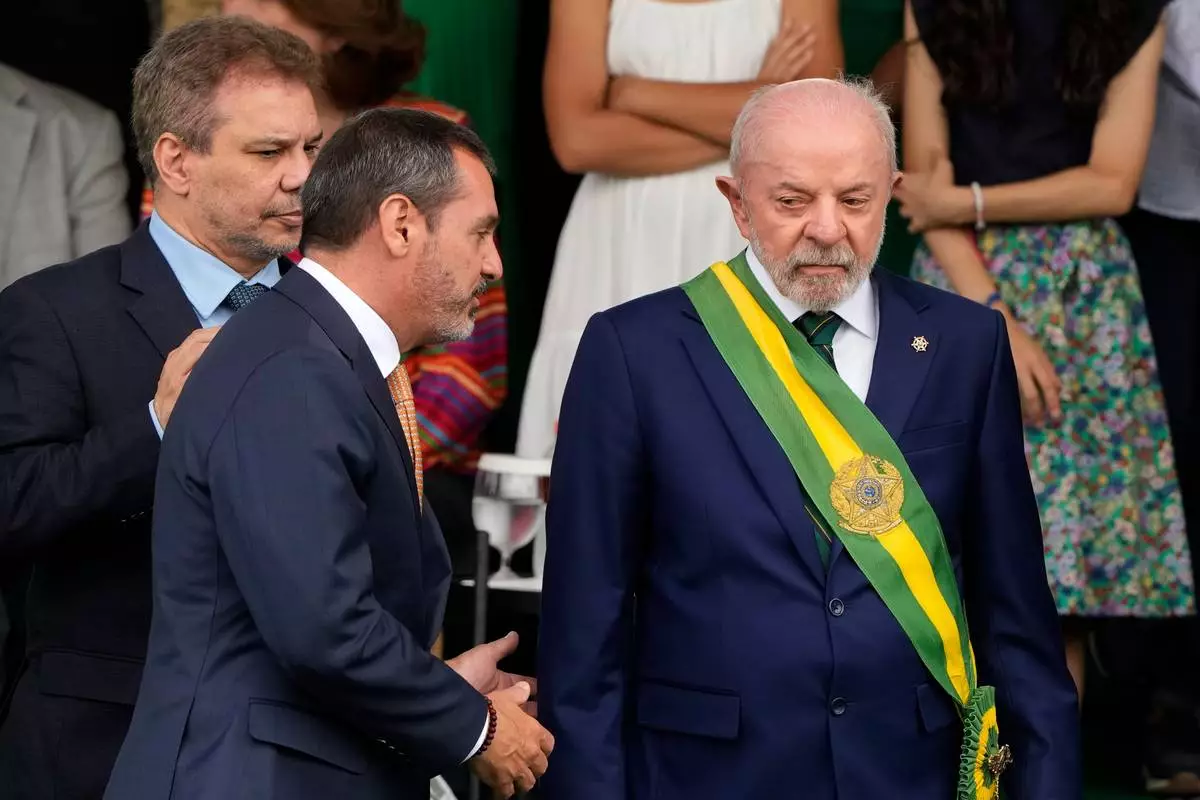
Brazilian President Luiz Inacio Lula da Silva, right, speaks with Federal Police Director General Andrei Rodrigues, center, next to Justice Minister Wellington Cesar, far left, during Independence Day celebrations in Brasilia, Brazil, Monday, Sept. 7, 2026. (AP Photo/Eraldo Peres)
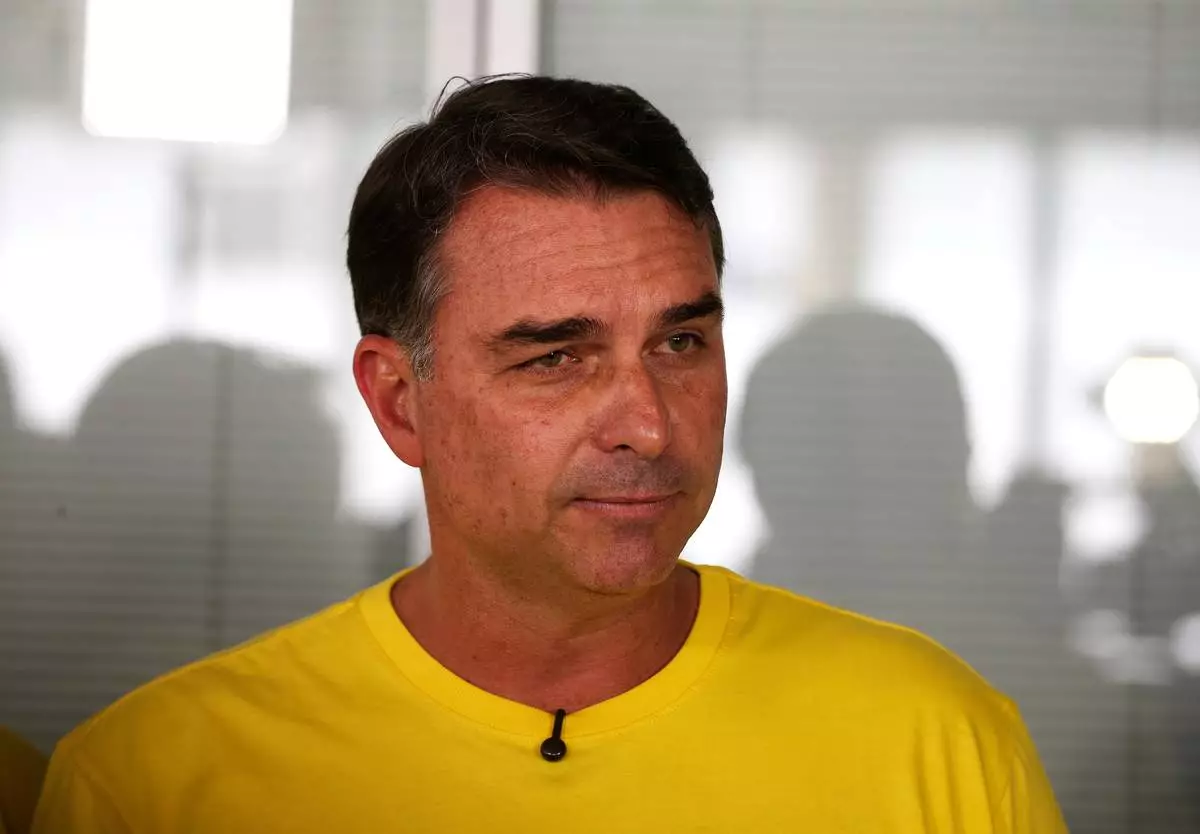
Opposition presidential candidate Sen. Flavio Bolsonaro attends a news conference after visiting a Honda motorcycle factory in the Manaus Free Trade Zone during a campaign event in Manaus, Amazonas state, Brazil, Friday, Sept. 11, 2026. (AP Photo/Edmar Barros)
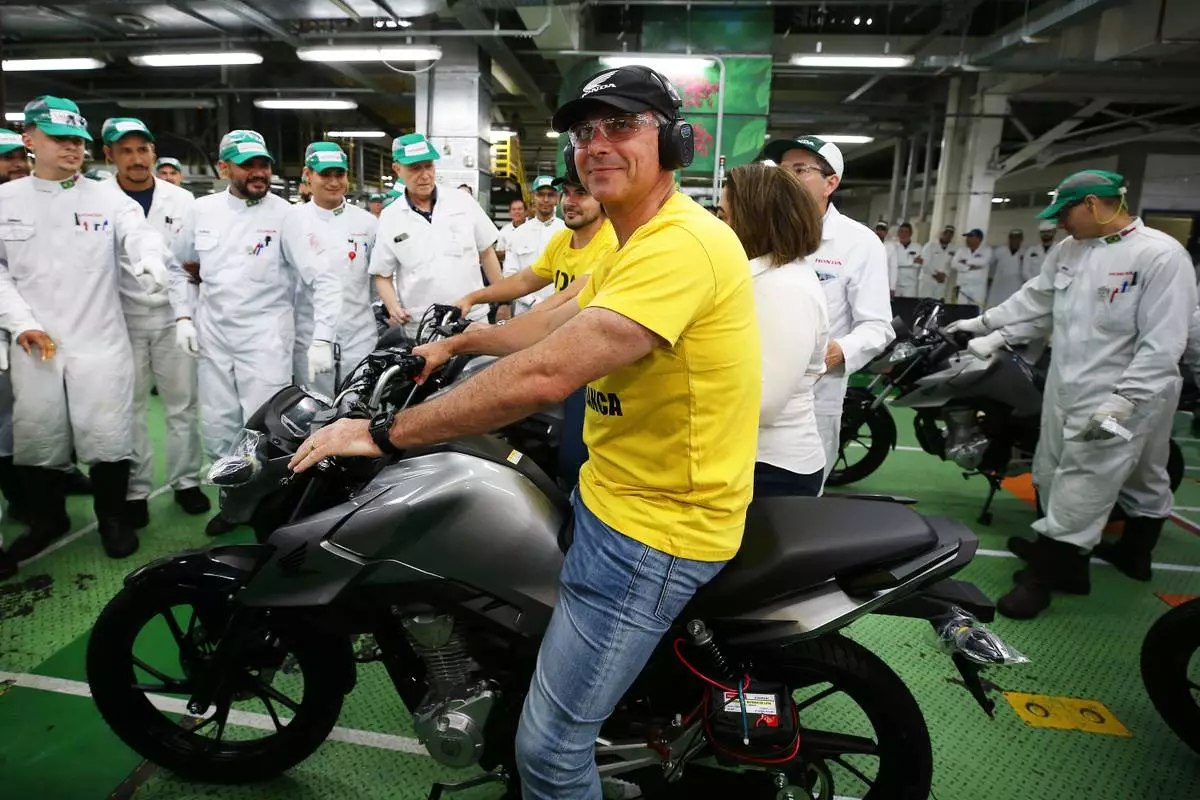
Opposition presidential candidate Sen. Flavio Bolsonaro sits on a motorcycle during a visit to a Honda motorcycle factory in the Manaus Free Trade Zone during a campaign event in Manaus, Amazonas state, Brazil, Friday, Sept. 11, 2026. (AP Photo/Edmar Barros)
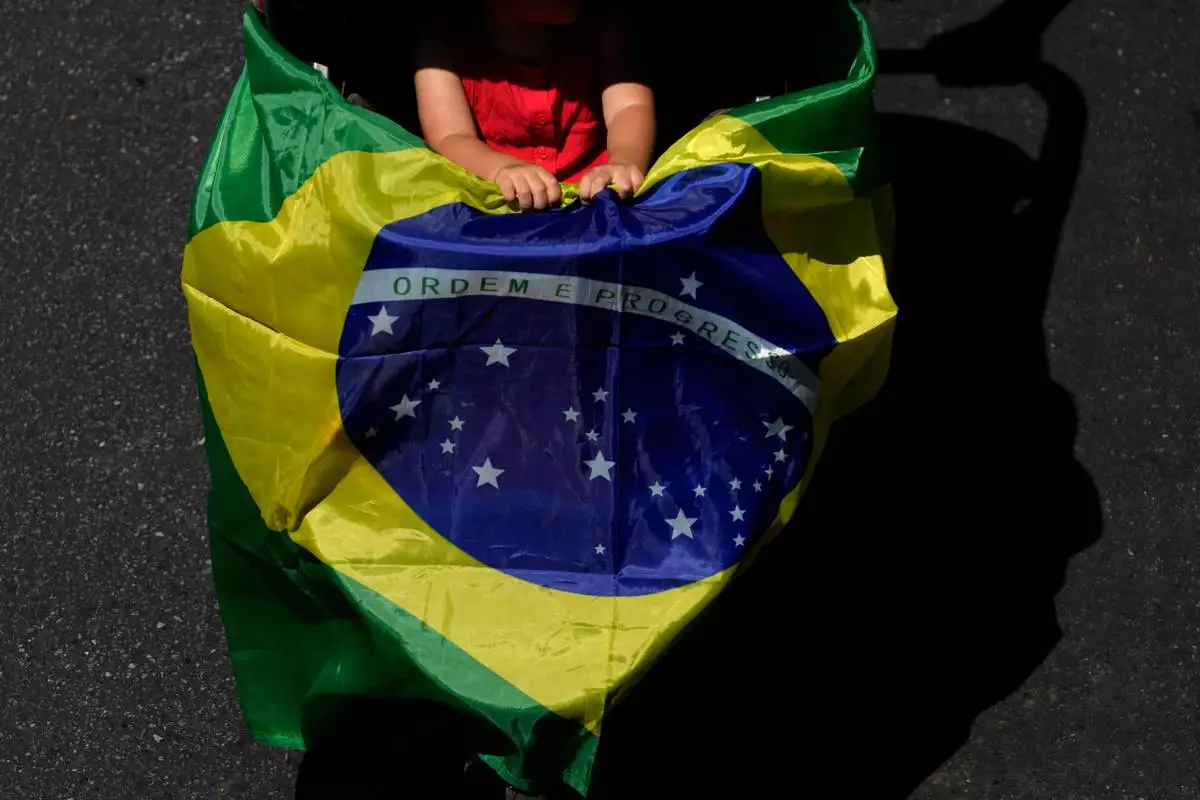
A child holds a Brazilian flag during an election campaign march in support of Brazilian President Luiz Inacio Lula da Silva, who is running for reelection, in Brasilia, Brazil, Sunday, Sept. 13, 2026. (AP Photo/Eraldo Peres)
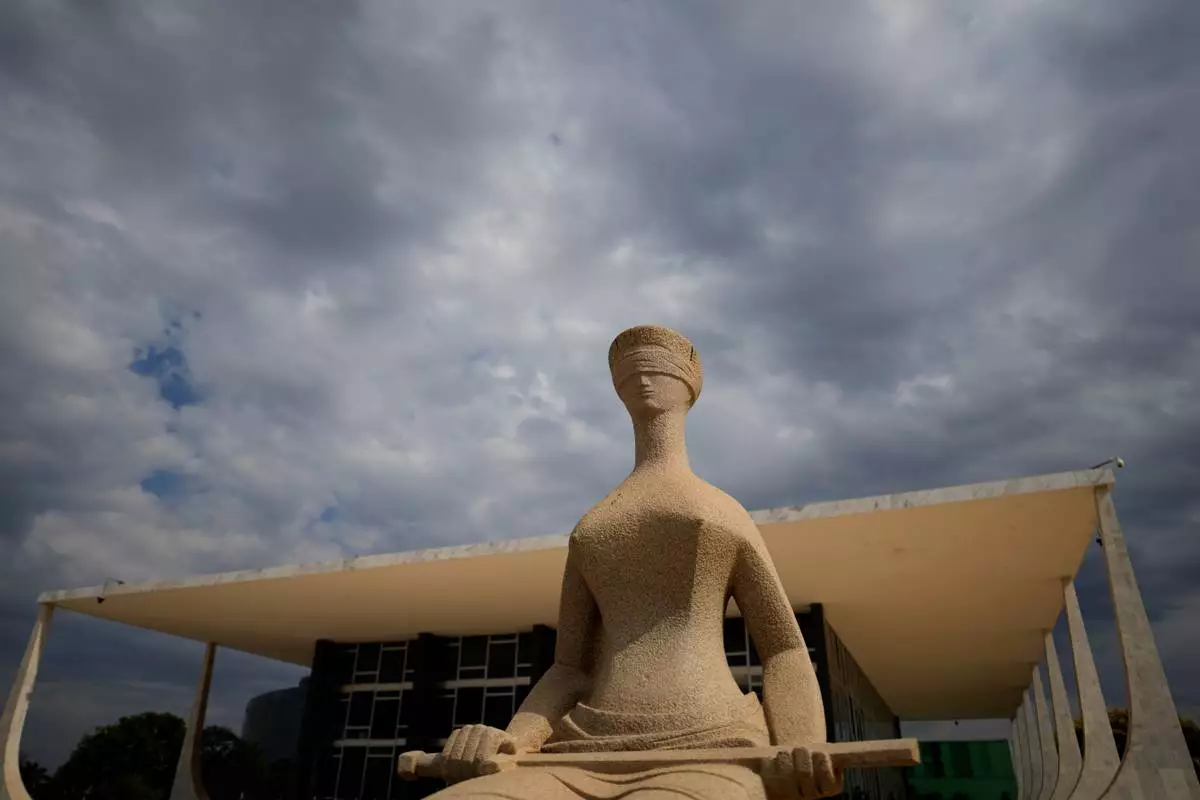
The Statue of Justice stands outside the Supreme Court building ahead of a plenary session in Brasilia, Brazil, Wednesday, Sept. 2, 2026. (AP Photo/Eraldo Peres)