NEW YORK (AP) — The Supreme Court this week closed the chapter on one of President Donald Trump’s boldest efforts to reshape November’s elections — a plan that would have demanded a dramatic overhaul of the nation’s mail voting processes on what most election officials agreed was an impossibly short timeline.
But the case was just one example of the Republican president’s numerous attempts to assert federal control over the upcoming midterms. Several others remain in various states of play, even as mail ballots have been sent out in at least three states and early voting starts in others this week.
Click to Gallery
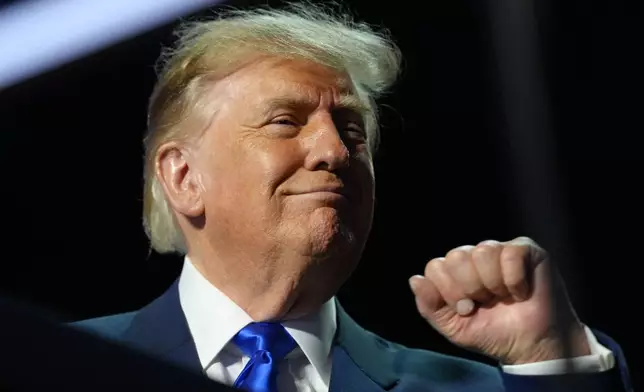
President Donald Trump speaks during the RNC Midterm Convention, Wednesday, Sept. 9, 2026, at the American Airlines Center in Dallas. (AP Photo/Jacquelyn Martin)
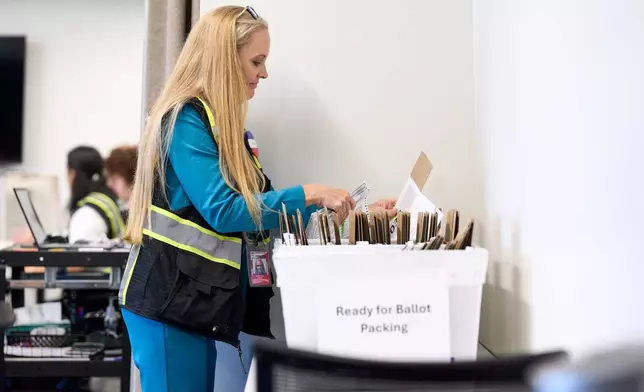
Wake County Board of Elections employees prepare absentee ballots to be mailed on Thursday, Sept. 3, 2026, in Raleigh, N.C. (AP Photo/Matt Ramey)
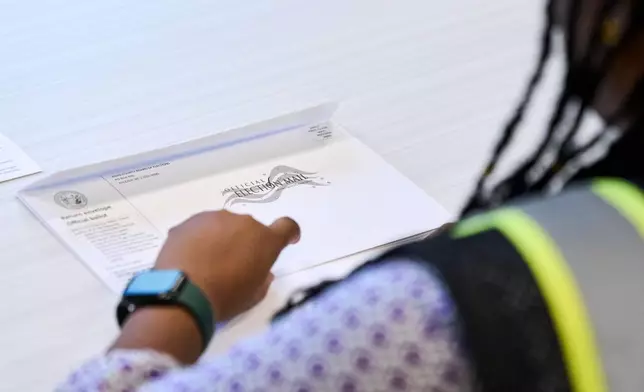
Wake County Board of Elections employees prepare absentee ballots to be mailed on Thursday, Sept. 3, 2026, in Raleigh, N.C. (AP Photo/Matt Ramey)
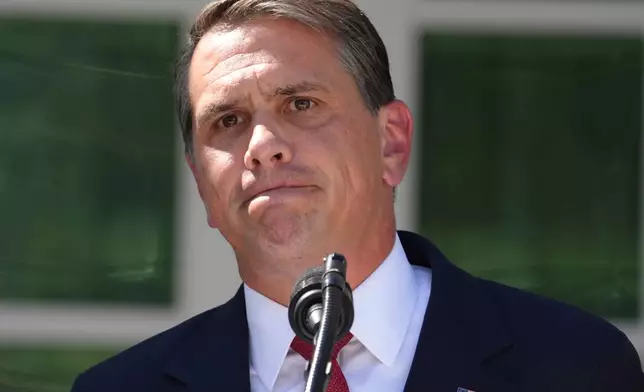
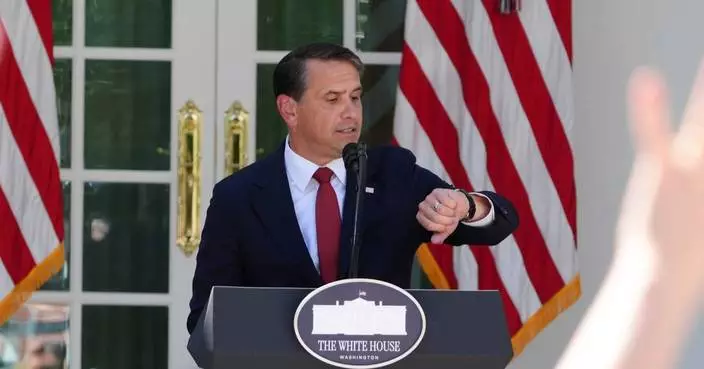
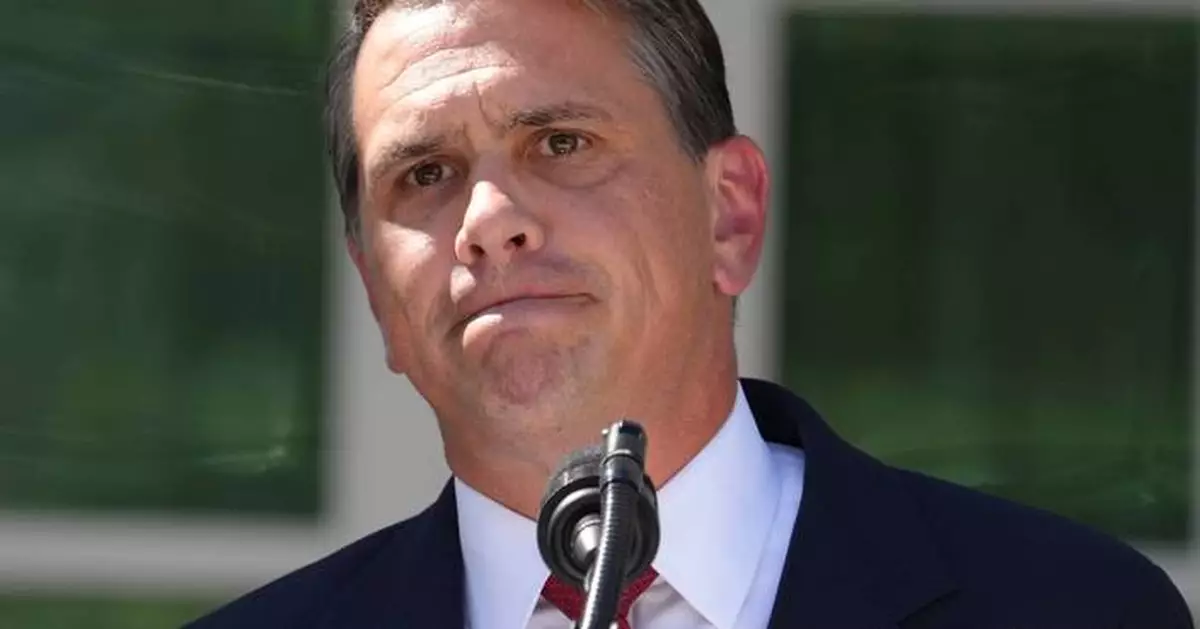
U.S. Attorney General Todd Blanche listens during a news briefing in the Rose Garden of the White House, Tuesday, Sept. 15, 2026, in Washington. (AP Photo/Jacquelyn Martin)
Recently, the Department of Justice ordered officials in more than two dozen states to preserve records from the 2024 election as part of a campaign to force them to turn over detailed voter data despite repeated court losses.
And lacking the sensitive voter data the administration wants from many states, the Department of Homeland Security has launched its own probe to find noncitizen voters on state rolls, an effort that a federal whistleblower says is rushed, error-ridden and potentially violating state laws.
Meanwhile, Trump has continued to falsely claim that mail ballots are corrupt, that noncitizens are abundant on voter lists and that Democratic election fraud is widespread. During the recent Republican convention, the president goaded his fans in a verbal pledge to “cheat like hell, like they do.”
In response to Monday's Supreme Court ruling, Trump lashed back at the justices, saying they lacked the “courage necessary to save our America.”
The Constitution gives the power to run elections to states, rather than to the federal government. Election officials have said they’re prepared to run a safe, secure election even if Trump continues to fan the flames.
Democratic groups have signaled they are building out contingency plans in case Trump sends armed federal officers to the polls or Republicans make other attempts to improperly interfere in the election, a high-stakes contest that will determine which party controls Congress next year.
With his mail ballot reforms blocked for now, here's a look at Trump's other, ongoing efforts to reshape election procedures:
The president insists, contrary to reams of research, that large numbers of noncitizens are illegally voting around the country.
In his second term in office, he has sought to use the might of the federal government to crack down on the issue, including through a massive overhaul of a federal voter eligibility database called Systematic Alien Verification for Entitlements, or SAVE.
The SAVE program was created under an immigration law mandating that the Department of Homeland Security help federal, state and local agencies prevent government benefits from going to noncitizens. Trump last year directed changes to significantly expand its abilities for mass searches by election officials.
Then, his administration sent letters and filed lawsuits to push states to run their sensitive voter data through the tool – a prospect some states have agreed to, but many have resisted to keep their residents’ personal information secure.
Since last year, at least 67 million registrations have been scanned through the program, but critics worry it could end up purging valid voters from the rolls. Some registrants have already been wrongly flagged.
A federal judge in June barred the new version of the SAVE program, calling it an illegal violation of Americans' privacy. The Trump administration has asked the Supreme Court to intervene and block that ruling with an emergency order. The Supreme Court has yet to weigh in on the case.
Meanwhile, the federal government continues to push states to give up voter registration information that contains addresses, dates of birth, driver’s license numbers and partial Social Security numbers.
DHS Secretary Markwayne Mullin in July warned that state officials could lose funding or face investigations if they failed to go along with Trump's election security demands. And the DOJ last week sent letters to 29 states and the District of Columbia ordering them to preserve 2024 election documents and advising them that they were “under investigation” and subject to ongoing litigation for their failure to give up the data.
Numerous investigations have found that while noncitizens have occasionally appeared on voting rolls and cast ballots, it is extremely rare.
In a last-ditch effort to hunt for noncitizen voters without detailed data from all states, DHS in August ordered a group of U.S. Citizenship and Immigration Services staff to pivot to a full-time manual investigation of state voter rolls, according to a whistleblower's report released Monday.
The anonymous federal whistleblower said federal employees are being directed to misrepresent themselves on the voter lookup tools in a way that likely violates state laws as they compare DHS-provided data with state records in an attempt to identify noncitizens who are illegally registered.
The probe known as the “Unlawful Voter Initiative” also asks employees to create federal law enforcement records about voters based on unreliable data, the whistleblower account warns. It's a prospect that could wrongly implicate U.S. citizens in documentation that could spur further investigation.
Asked about the initiative, DHS didn't deny its work but said the investigation was being conducted “diligently and professionally.”
“The department accessed publicly available data from states’ voter rolls and cross referenced them with known aliens in our systems,” a DHS spokesperson said in an emailed statement. “It’s not rocket science; it’s an easy step to secure our elections.”
Trump has repeatedly run up against the courts in his attempts to more widely reshape election administration, including through two executive orders tied up in lawsuits that allege the changes he wants are unconstitutional.
He also has been stymied in his attempts to get the Republican-led Congress to pass a strict proof-of-citizenship bill called the SAVE America Act. The legislation doesn't have enough votes in the Senate to pass.
But his administration also has used its law enforcement power to take unprecedented steps that have been successful. For example, the Federal Bureau of Investigation last year seized hundreds of boxes of ballots and other documents related to the 2020 election in Georgia's most populous county without offering an explanation. The FBI has also demanded 2024 ballots from Michigan's Wayne County, and received records related to the 2020 election from Arizona's Maricopa County.
Attorney General Todd Blanche on Tuesday signaled the Trump administration will be undeterred by the Supreme Court's ruling in its efforts to investigate and combat voter fraud.
“I expect you’re going to see that work continue," he told reporters at a Rose Garden press briefing.
Tammy Patrick of The Election Center, which has nearly 2,500 election officials as members, said those who run voting offices breathed a collective sigh of relief at the high court's decision on mail voting Monday night. It removes the main threat that could have immediately disrupted balloting nationwide.
She and various election administrators insisted that time-tested processes will hold for the 2026 midterms and that voters' voices will be heard.
“Voters should realize the midterms are going to be secure,” Patrick said. “They’re going to be legitimate.”
Associated Press writers Jill Colvin in New York and Nicholas Riccardi in Mason, Michigan, contributed to this report.
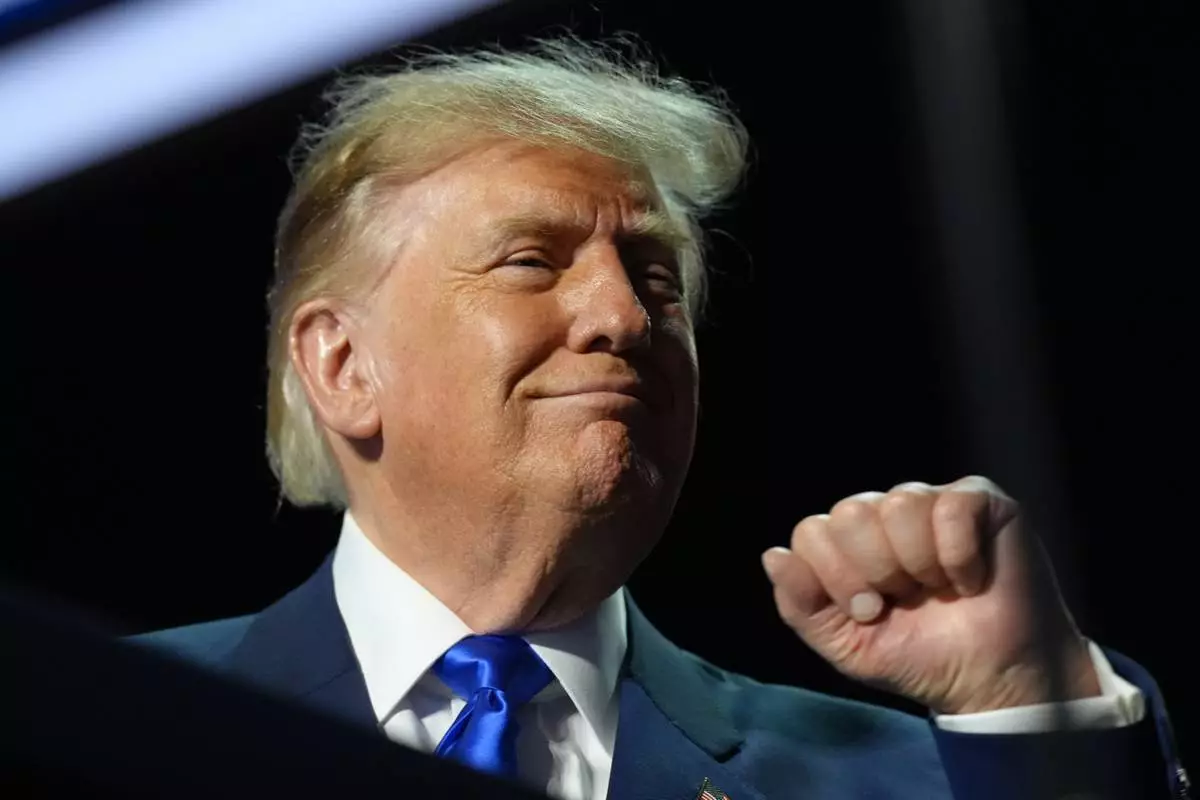
President Donald Trump speaks during the RNC Midterm Convention, Wednesday, Sept. 9, 2026, at the American Airlines Center in Dallas. (AP Photo/Jacquelyn Martin)
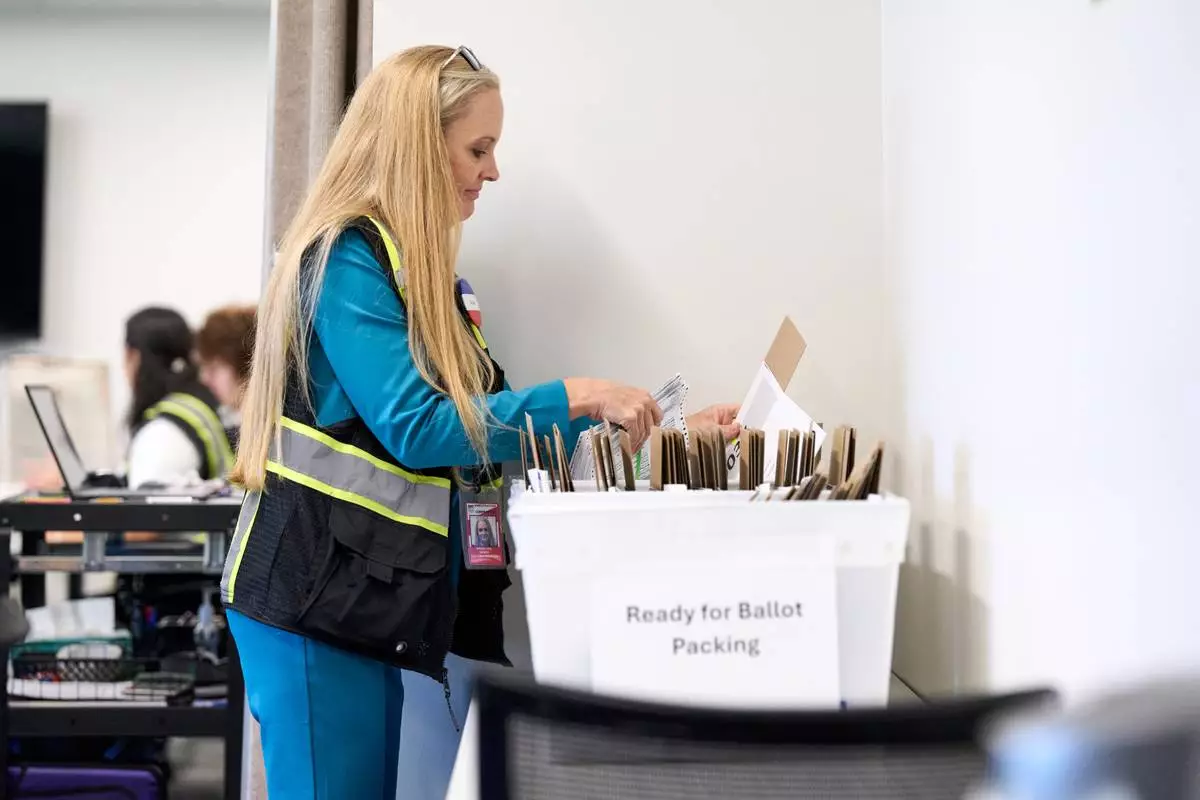
Wake County Board of Elections employees prepare absentee ballots to be mailed on Thursday, Sept. 3, 2026, in Raleigh, N.C. (AP Photo/Matt Ramey)
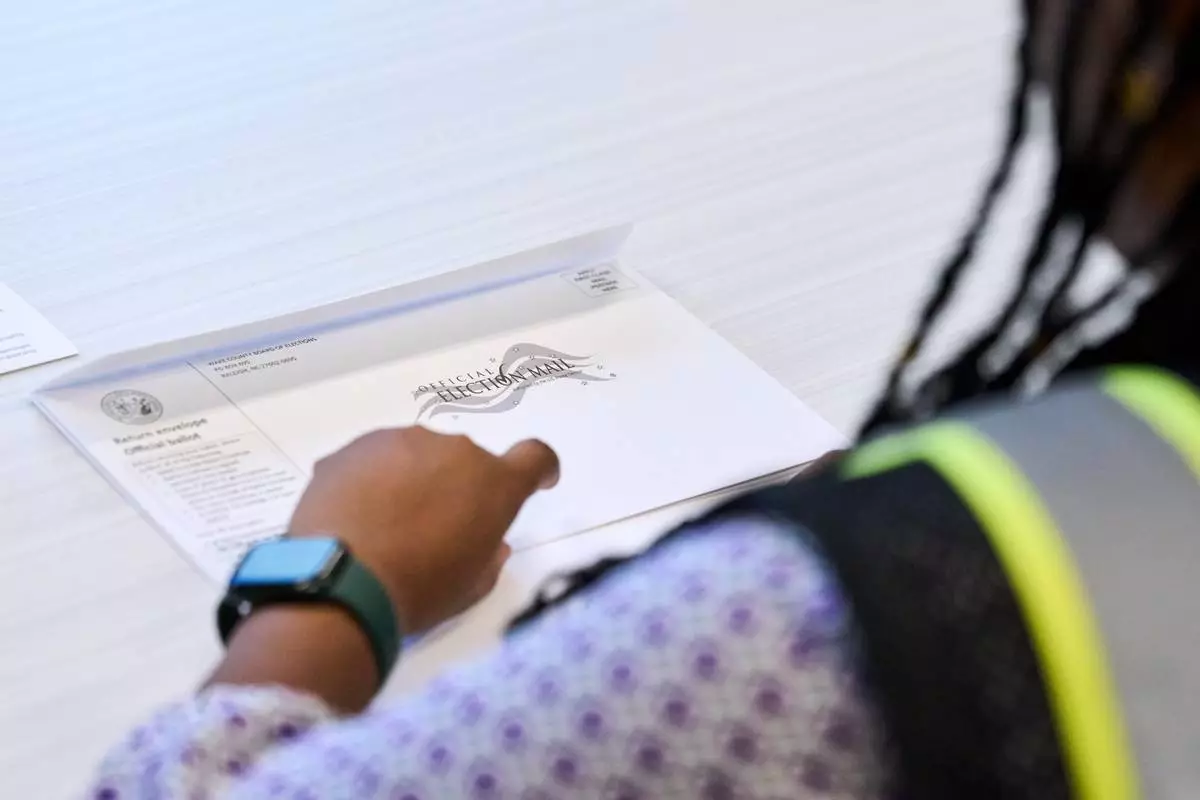
Wake County Board of Elections employees prepare absentee ballots to be mailed on Thursday, Sept. 3, 2026, in Raleigh, N.C. (AP Photo/Matt Ramey)
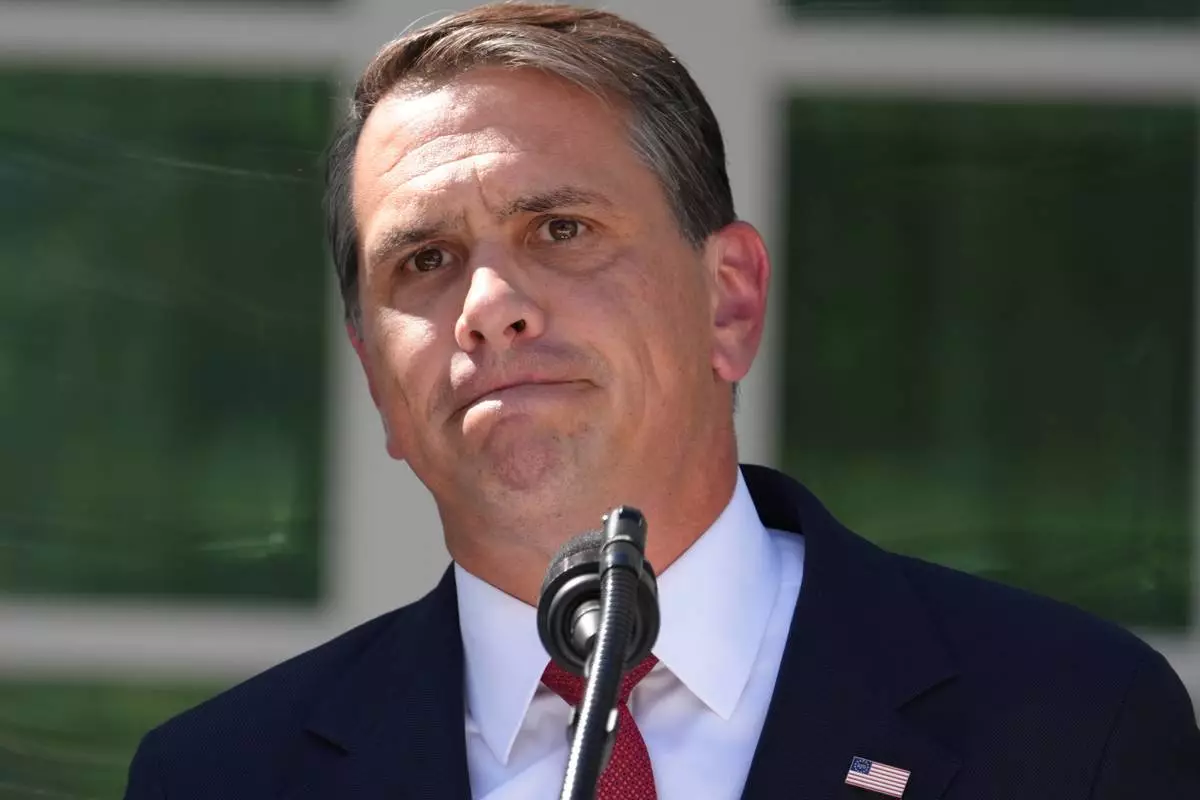
U.S. Attorney General Todd Blanche listens during a news briefing in the Rose Garden of the White House, Tuesday, Sept. 15, 2026, in Washington. (AP Photo/Jacquelyn Martin)