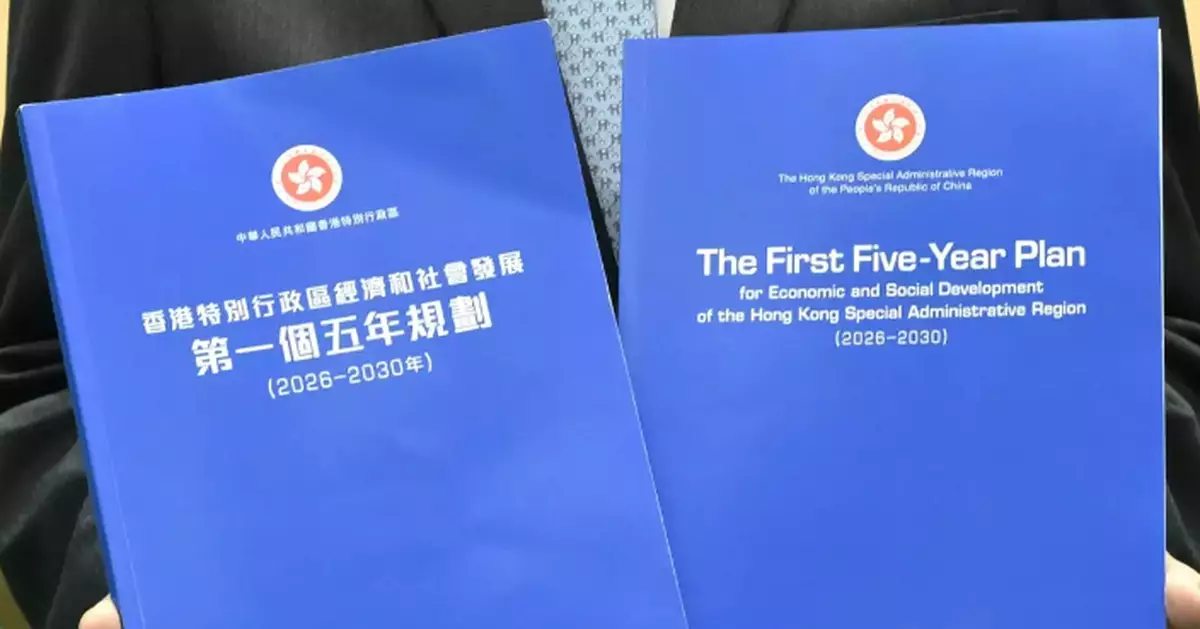
Full text of the First Five-Year Plan for Economic and Social Development of the Hong Kong Special Administrative Region (2026-2030) (1)
Foreword
Click to Gallery
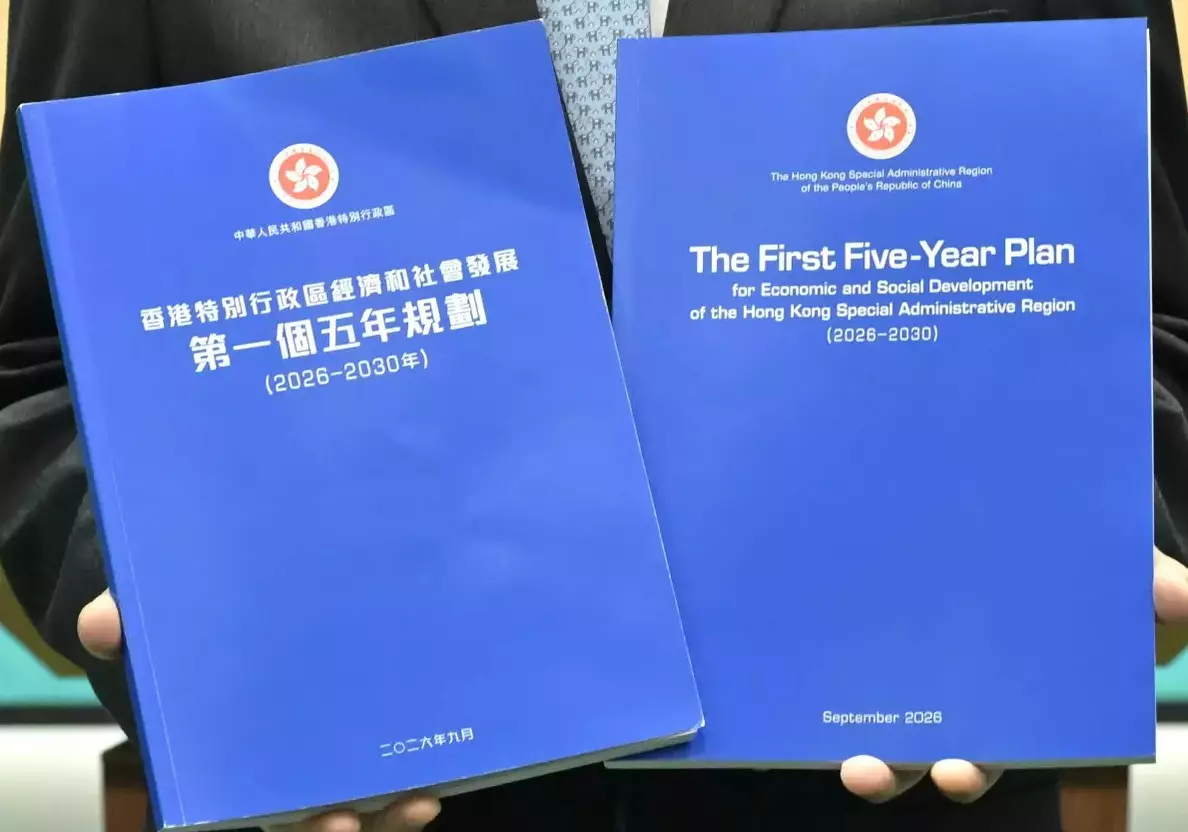
Hong Kong's First Five-Year Plan
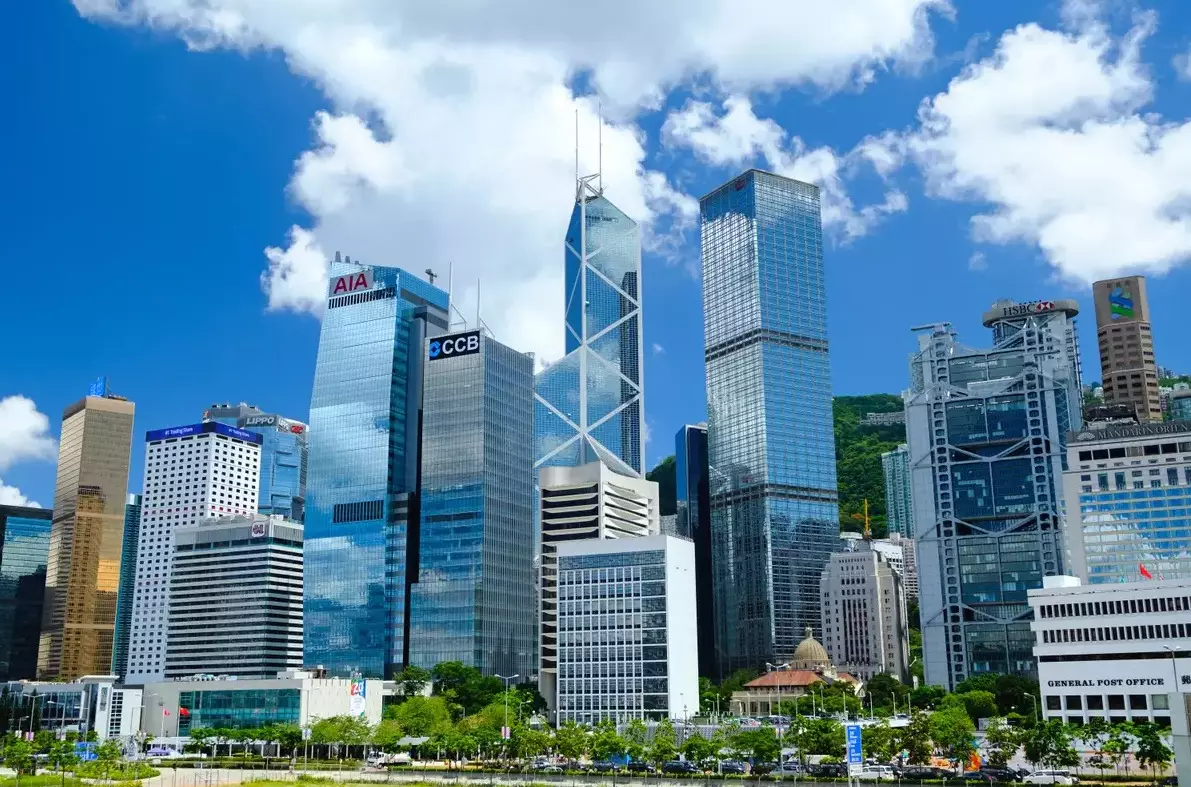
Hong Kong, Photo source: reference image
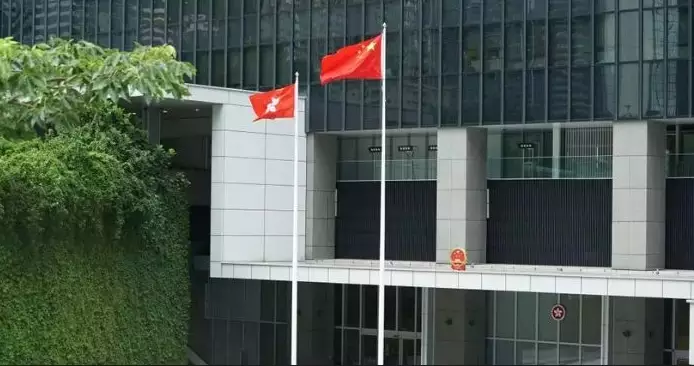
Photo source: reference image
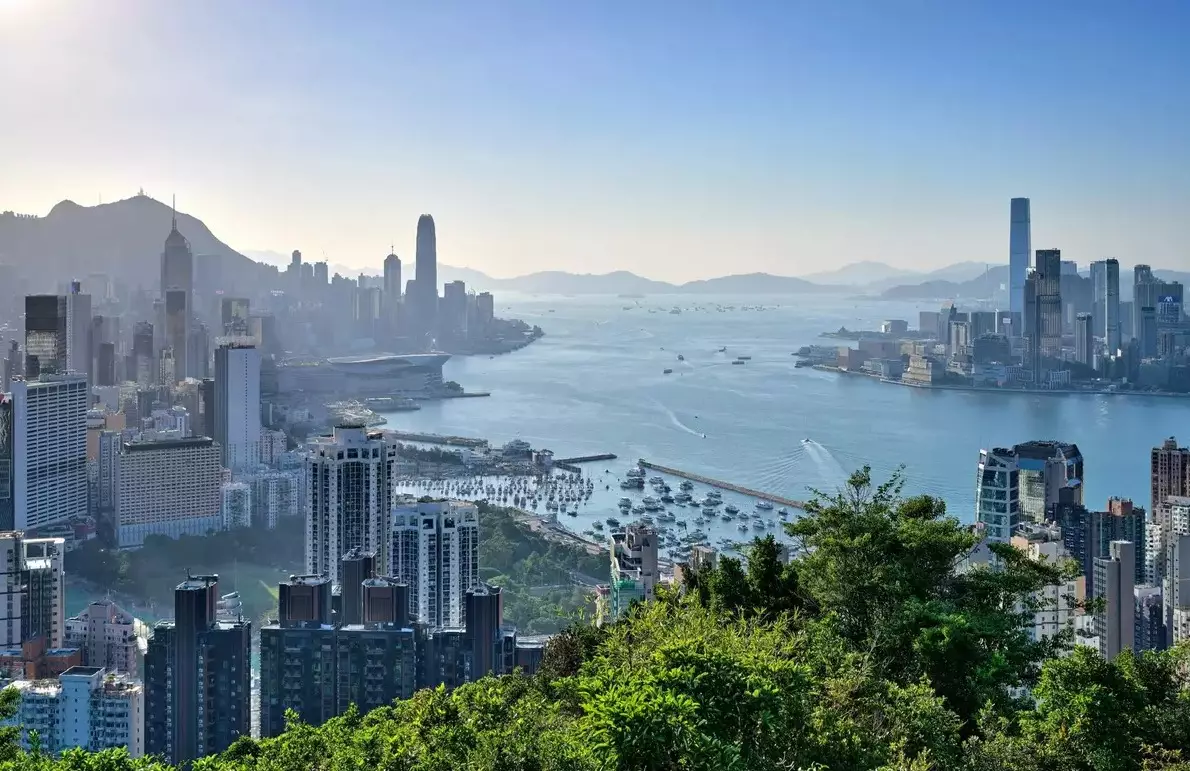
Hong Kong, Photo source: reference image
Photo source: reference image
Photo source: design image
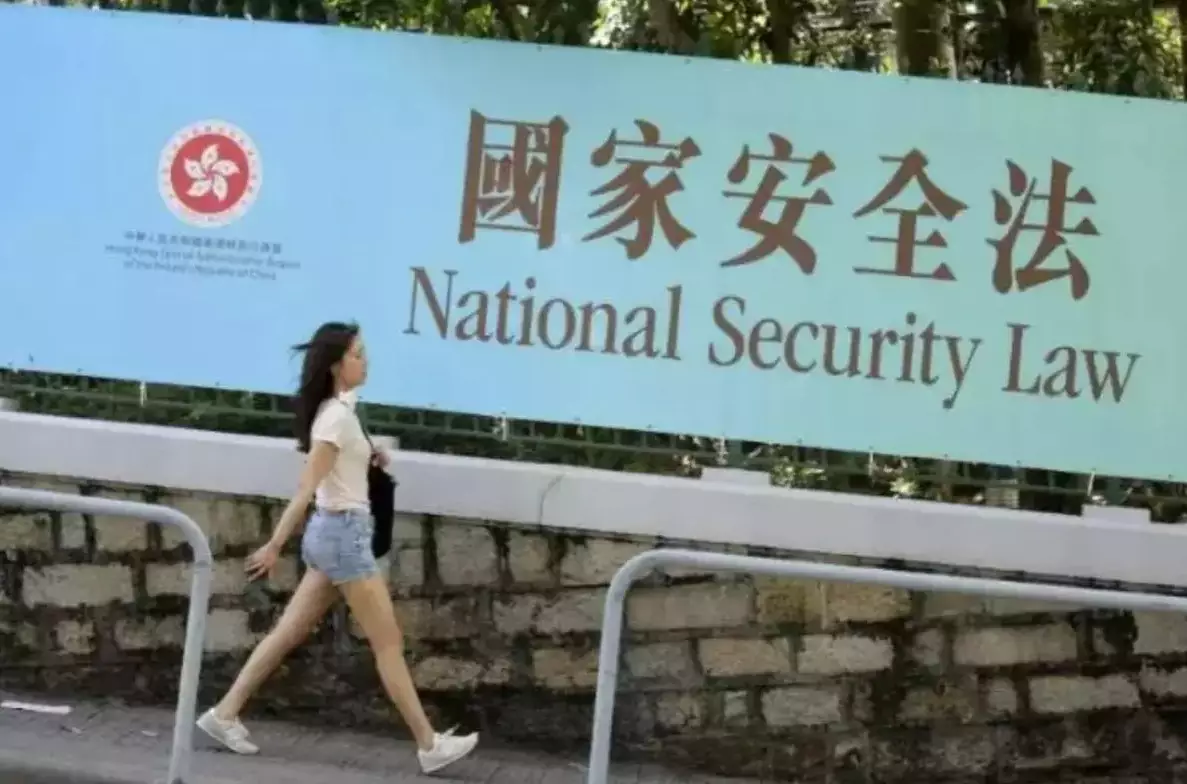
National security law, Photo source: AP News
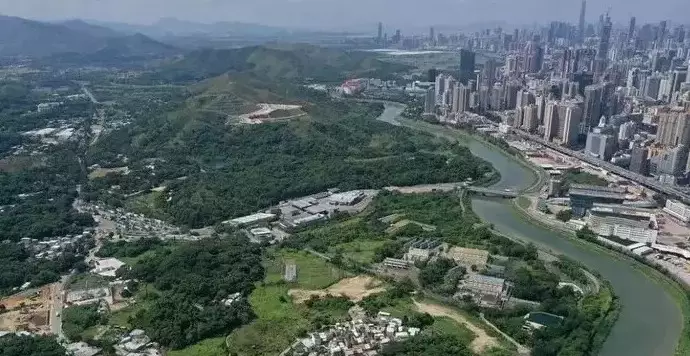
The Northern Metropolis, Photo source: reference image
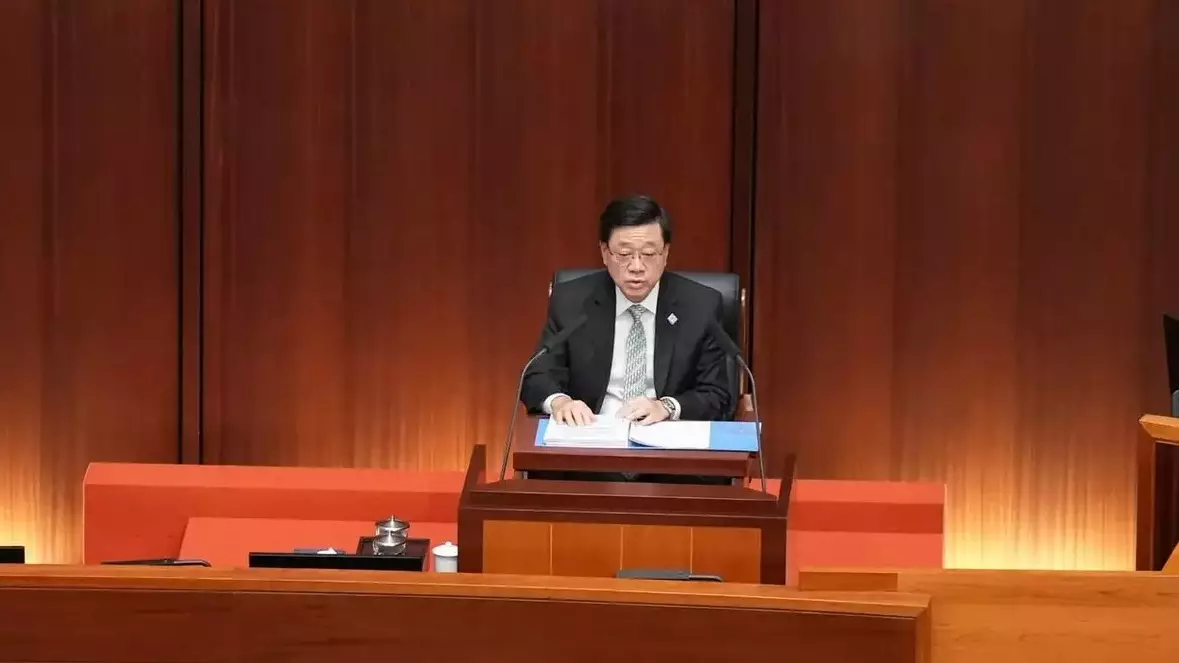
Chief Executive, Mr. John Lee unveils the First Five-Year Plan for Economic and Social Development of the Hong Kong Special Administrative Region (2026-2030) on September 16. Photo by Bastille Post
Formulated in the opening year of the National 15th Five-Year Plan, this inaugural Five-Year Plan of the Hong Kong Special Administrative Region (HKSAR) represents a major initiative of the HKSAR Government to uphold and enhance the executive-led system, and to improve the efficacy of its governance. It signals the strategic planning need for Hong Kong to proactively align with national development strategies, and better integrate into and serve the overall national development. It also provides an action agenda for forging consensus and uniting different sectors in society with a view to promoting Hong Kong's transition from stability to prosperity and achieving high-quality development of our city.
Hong Kong's First Five-Year Plan
The formulation of the First Five-Year Plan for Economic and Social Development of the Hong Kong Special Administrative Region (2026-2030) (Hong Kong's Five-Year Plan) has to be grounded in the city's practical reality. It is imperative to devise a medium- to long-term strategy for Hong Kong's development, spelling out the directions of development, mission targets, strategic priorities as well as implementation roadmaps, supported by operable and effective policy measures and major projects that feature Hong Kong's unique character. By formulating the Five-Year Plan, we shall shed light on our directions of development, optimise resource allocation, stabilise social expectations, and better protect social well-being and the interests of investors across the world, building a Hong Kong that is more open, more inclusive, more liberal, more prosperous and safer. We will make Hong Kong a bridge and gateway between our country and the rest of the world as well as a more attractive, vibrant and opportunity-rich world city, continuing to make unique and more substantial contributions to building a strong country and achieving national rejuvenation through advancement of Chinese modernisation.
Part 1
Open up New Horizons and Unfold a New Chapter
Chapter 1 Seize the Strategic Opportunities Presented by Changes Unseen in a Century
1.1 In the 14th Five Year Plan period, under the leadership and staunch support of the Central Government, Hong Kong has achieved a historic transition from chaos to order and from stability to prosperity. Back in 2019, Hong Kong was overwhelmed by its own version of "colour revolution" and "black clad" violence, with public order severely undermined. The entire society descended into chaos and unrest as innocent citizens were assaulted, facilities set ablaze and vandalised, and daily lives disrupted. Against this backdrop, the Central Government took decisive action to restore social order by promulgating and implementing the Law of the People's Republic of China on Safeguarding National Security in the Hong Kong Special Administrative Region. Following the improvement of the electoral system and the full implementation of the principle of "patriots administering Hong Kong", the new term Election Committee, Legislative Council, and District Councils were formed successively. In addition, the HKSAR Government has accomplished the glorious mission of enacting local legislation for Article 23 of the Basic Law and implementing the Safeguarding National Security Ordinance. Not only has this bridged the gap of 26 years and 8 months of unfulfilled constitutional responsibility, but also provided a reliable safeguard for Hong Kong to strive for a vibrant economy, pursue development, improve people's livelihood, and foster reforms. Resuming its governance in the way as intended under the principle of "one country, two systems", Hong Kong has entered a new phase where we transitioned from chaos to order and is now advancing from stability to prosperity. Our economy has returned to positive growth. Besides maintaining its position as the world's freest economy, Hong Kong has risen to top spot in cross boundary wealth management worldwide and is ranked second in world competitiveness. The city is ranked third among international financial centres and has come fourth in talent competitiveness. While staying in fourth place as an international maritime centre, Hong Kong has advanced to fifth in merchandise trade. In 2025, our median employment earnings of full time employees has increased by about 20% over a four year period. All these indicate that Hong Kong is at its prime both politically and economically.
1.2 In the 15th Five Year Plan period, Hong Kong finds itself at a time of development when strategic opportunities exist alongside risks and challenges with intensifying uncertainties. At this juncture, global, epoch making and historical changes are unfolding at a faster pace. A profound shift is taking place in the international balance of power. Unilateralism, protectionism, and hegemonism are clashing vigorously with multi polarity and economic globalisation. Relations between major countries are having a major bearing on the international landscape, the dynamics of which will in turn exert a profound impact on the development of Hong Kong. As a highly externally oriented economy, Hong Kong is extremely susceptible to the influence of the said changing environment. Hong Kong's economic structure still leaves room for enhancement, the mission of transitioning to new growth drivers remains formidable, and deep seated social problems still require speedy resolution.
Hong Kong, Photo source: reference image
1.3 In a world of such turbulent times, China has become a major stabiliser and driver for global economic growth. The 15th Five Year Plan, which outlines a blueprint for future national development and also places a heightened demand for Hong Kong's better integration into and service of the overall national development, presents major opportunities and opens up new ground for the growth of our city. It is against this background that we formulate our first Five Year Plan to decisively seize the opportunities presented by national development, with the determination to proactively identify, navigate, and embrace changes, and to fully align with the National 15th Five Year Plan.
1.4 The new round of technological revolution and industrial transformation has expedited breakthroughs, while the prominence of artificial intelligence (AI) has catalysed the emergence of new industries, new forms of business, and new models. Against the changing domestic and global landscapes, Hong Kong needs to change our mindset and beliefs, drawing on the experience of our country and the effective practices of major global economies to devise a medium to long term development strategy. Such a strategy should spell out the directions of development, mission targets, strategic priorities, and implementation roadmaps, addressing our shortcomings to realise better and faster future development.
Chapter 2 Hong Kong's Historic Position in the Period of the 15th Five Year Plan
1.5 The 15th Five Year Plan period is a time which presents Hong Kong with strategic opportunities to proactively embrace modern trends, consolidate and enhance our competitive edge, nurture new growth drivers, and achieve high quality economic and social development. These are five crucial years for us to seize the opportunity to expedite our transition from stability to prosperity, enhancing social well-being, and building a better home for all. These are five promising years for us to integrate into and serve the overall national development, shouldering the dual responsibilities of realising our full potential and contributing to our country.
Photo source: reference image
Chapter 3 Consolidate and Strengthen Hong Kong's Unique Strengths
1.6 Hong Kong enjoys the unique advantages of being supported by our country while closely connected to the world under "one country, two systems". With a solid foundation of institutional strengths, Hong Kong remains committed to a free and open economic system with the free flow of capital, goods, people, and information. Besides being the world's only Chinese English bilingual common law jurisdiction, Hong Kong is held in high regard for its rule of law and maintains a simple tax regime, a clean and efficient government and civil service, as well as internationally aligned regulatory standards. With all these advantages, Hong Kong boasts an internationalised business and investment environment with stability, security, fairness, and predictability. Hong Kong is a "safe harbour", and a "safe harbour" is a "harbour for development". Security has become one of Hong Kong's major developmental advantages. Hong Kong's status as a world renowned international financial, maritime and trade centre, coupled with its world class education and talent resources, consistently positions the city at the forefront of attracting global high end production factors. With all its strengths, capacity, and confidence, Hong Kong will play an effective role as a "super connector" and "super value-adder". Not only will we better realise our own development, but also contribute our might to building our country into a strong nation while advancing national rejuvenation.
Hong Kong, Photo source: reference image
Table 1 Hong Kong's International Rankings in Economic and Social Development
Overall
- World's 2nd most competitive economy (World Competitiveness Yearbook 2026)
- Ranked 1st globally in "Business legislation" and "Tax policy"
- Ranked 2nd globally in "Finance"
- Ranked 3rd globally in "International trade", "International investment", "Management practices" and "Education"
- Ranked 4th globally in "Public finance" and "Basic infrastructure"
Economy and Trade
- World's freest economy (Economic Freedom of the World 2025
Annual Report)
- World's 5th largest trading entity in merchandise trade (2025)
Finance
- World's No. 3 and AsiaPacific's No.1 financial centre (Global Financial Centres Index released in March 2026)
- World's No. 2 for initial public offering funds raised (First half of 2026)
- World's largest crossboundary wealth management centre (Global Wealth Report 2026)
Maritime and Aviation
- World's No. 4 international maritime centre (The XinhuaBaltic International Shipping Centre Development Index (2026))
- World's No. 1 in air cargo throughput and 8th in international passenger traffic (World's Busiest Airports rankings 2025)
- World's No. 5 in registered ship tonnage
Innovation and Technology
- AsiaPacific's No. 2 and World's No.4 for digital competitiveness (World Digital Competitiveness Ranking 2025)
- ShenzhenHong KongGuangzhou innovation cluster ranked 1st globally (Global Innovation Index 2026)
Legal Services
- World's 2nd most preferred seat for arbitration (2025 International Arbitration Survey)
Culture, Sports, and Tourism
- Among World's Greatest Places of 2026: Kai Tak Sports Park (Time Magazine: The World's Greatest Places of 2026)
Chapter 4 Underlying Principles of the Five Year Plan
Adhere to the "one country, two systems" Principle
1.7 With a resolute commitment to fully and faithfully implementing the principles of "one country, two systems", "Hong Kong people administering Hong Kong", and a high degree of autonomy, the Government acts in strict compliance with the Constitution and the Basic Law while remaining steadfast in safeguarding national sovereignty, security, and development interests. It is our duty to ensure no deviation or distortion in the implementation of "one country, two systems". We will uphold and enhance the executive led system; we will adhere to the improved electoral system; and we are committed to the full implementation of the principle of "patriots administering Hong Kong". These will intensify our efforts to strengthen the HKSAR's governance systems and capacity, and enhance the efficacy of governance in accordance with the law, so as to reinforce the positive landscape as we advance from stability to prosperity.
Remain Committed to a Livelihood oriented Approach
1.8 Committed to the livelihood oriented approach, the Government aims to provide practical solutions to people’s livelihood concerns. With a focus on the most acute, direct, and practical challenges facing the people, we will prioritise our resources in improving social well-being in areas of deep seated livelihood concerns such as housing, healthcare, education, employment and elderly care, so as to continuously elevate the sense of fulfilment, happiness, and security in our community.
Photo source: reference image
Uphold an Executive led System
1.9 The Government will uphold the principle of executive led governance, with the Chief Executive and the HKSAR Government at the helm embracing the leadership role, earnestly shouldering the primary responsibility for Hong Kong's governance with a sense of commitment and public service. The administration will take the lead to strive for highly efficacious governance, driving collaborative efforts among the executive, legislative, and judicial arms as they perform their respective duties, thereby achieving governance synergy. Formulating and implementing the Five Year Plan is a challenging system wide undertaking, which calls for the executive branch to fully leverage its crucial role to put the "decision led, resource led, social mobilisation, public first" philosophy¹ into practice.
Embrace Reform and Innovation
1.10 We are committed to deepening reforms through institutional innovations for elevated governance efficacy, an enhanced civil service structure, and an enhanced Heads of Departments Accountability System. We will strengthen interdepartmental collaboration, supervision, and oversight for better public service, while adopting measures for the digital government initiative and large scale application of AI to streamline workflows and improve efficiency. We will foster a better business environment, while expediting land and housing supply as well as industry restructuring. In terms of key areas such as finance, innovation and technology (I&T), the Northern Metropolis, community services, and regional co-ordination, etc, we will rid ourselves of development bottlenecks through institutional reforms and policy breakthroughs to further enhance Hong Kong's overall competitiveness and development impetus.
Photo source: design image
Uphold the Two pronged Approach of "Effective Market" and "Capable Government"
1.11 We uphold the two pronged approach of "effective market" and "capable govrnment". Through strategic guidance, investment in infrastructure, system innovations as well as modernisation of our laws, we will sustain a high quality business environment that is open, transparent, grounded in rule of law, and internationalised. We will consolidate and enhance our long standing advantages that are our international finance, maritime, trading, and aviation industries, while expediting I&T development, so as to bolster Hong Kong's overall competitiveness. On the other hand, the Government will share market and economic development insights, stimulate innovation and competitiveness within the business sector, while promoting the free flow and optimal matching of the key factors such as funds, talent, and skills, etc. With a capable government working in tandem with an effective market, we will create strong and synergised impetus driving the high quality development of Hong Kong.
Adopt a Holistic Approach to Development and Security
1.12 National security is the bedrock of Hong Kong's steady development. We will faithfully fulfil our responsibility in safeguarding national and public safety. We will enhance the legal system and enforcement mechanism for safeguarding national security, as well as the social governance system to prevent risks and resolve challenges of various sorts. We strive to create an environment for development that is safe, ideal for living, and orderly, so as to safeguard Hong Kong's long term prosperity and stability.
National security law, Photo source: AP News
A Pragmatic and Proactive Planning
1.13 We are guided by an evidence based approach with systemic principles in formulating the Five Year Plan. The Five Year Plan accentuates key areas for us to focus our efforts so as to elevate our development impetus across the board. We will remain practical in setting realistic development goals while proceeding with prudence and order. Throughout the planning process, we will duly consider practicalities in implementation to ensure tangible results. We will widely consult various stakeholders, thereby forging consensus by tapping the collective wisdom.
Chapter 5 Major Objectives
1.14 Achieving new breakthroughs in economic development. We endeavour to consolidate and enhance "Four Centres and One Hub", that is to consolidate and enhance our status as international financial, maritime, and trade centres and an international aviation hub, while expediting the city's development into an international I&T centre and an international hub for high calibre talent, thereby fostering an economic structure where technology and industries are deeply integrated. This will drive the high quality development of our economy. We will strengthen the city's role as a global offshore renminbi (RMB) business hub, an international asset and wealth management centre, and an international risk management centre, while developing a commodity trading ecosystem and a high value added supply chain services centre. We will deepen financial innovations, empower industries through finance, and develop high end financial services such as green finance and digital finance.
1.15 Expanding our global competitiveness and influence continuously. We will deepen our efforts to develop Hong Kong into a centre for international legal and dispute resolution services and a regional centre for intellectual property trade, as the city's influence as a centre for international legal and dispute resolution services in the Asia Pacific region has heightened significantly. We will drive Hong Kong's development into an East meets West centre for international cultural exchange to further promote the flourishing and integrated development of culture, sports, and tourism. We will expand the reach of our high quality post-secondary education to attract more non local students to study in Hong Kong and global top notch talent and innovation collectives to establish their presence in our city. We will strengthen our economic development impetus and global competitiveness.
The Northern Metropolis, Photo source: reference image
1.16 Enhancing the speed and effectiveness of the Northern Metropolis development. With the Northern Metropolis serving as the key growth engine for post-secondary education and I&T development, we will promote the integrated development of education, technology, and talent. The synergised development of industrial parks, universities, and research institutions will foster an innovation ecosystem where industry, academia, and research are deeply integrated. We will also adopt the smart city concept in the planning of transport, housing, greening as well as other public facilities. Taken together, the Northern Metropolis will emerge as a well-equipped metropolitan area ideal for living, work, and travel, further boosting Hong Kong's overall competitiveness and momentum for sustainable development.
1.17 Enhancing social well-being markedly. We will continue to enhance people's livelihood, by improving public services across healthcare, education, housing, elderly care, and other areas. We will strengthen labour rights protection, enhance employment support measures, and put in place a more efficient social security system for targeted response. We will expedite smart city development to create a better living and work environment and continue to enhance the sense of fulfilment, happiness, and security in the community.
1.18 Taking significant strides in integrating into and serving the overall national development. We will take an active part in taking forward major national strategies. We will deepen the development of the Guangdong-Hong Kong-Macao Greater Bay Area, advancing the development of major co-operation platforms in Qianhai, Nansha, and Hetao. We will strengthen the co-operation with Mainland cities in technological innovation, industry collaboration, and infrastructure interconnectivity, while maintaining close alignment with high-standard international economic and trade rules, so as to create a testing ground for rule alignment within the Guangdong-Hong Kong-Macao Greater Bay Area. This helps us better perform our roles as "super connector" and "super value-adder" in the high level opening up of the country. For the high quality co-operation under the Belt and Road Initiative, we will deepen our involvement, expand our global co-operation network, and tell good stories of China. These efforts will translate into Hong Kong's greater contributions to the country in building a new development paradigm of dual circulation", deepening its further reform and opening up.
Major Indicators
Description
Base Year (2025 unless otherwise specified)
2030
Average annual change / cumulative change
Nature
(1) Economy, innovation and infrastructure development
1. Real Gross Domestic Product (GDP) growth (%)
3.6
-
Within a reasonable range; annual targets to be proposed in light of prevailing conditions
Anticipatory
2. Growth of Labour Productivity Index (%)
2.3 (2024)
-
At a stable level
Anticipatory
3. Air cargo throughput (million tonnes)
5.07
-
Maintaining worldleading position
Anticipatory
4. Value of Hong Kong's total imports and exports of goods ($ billion)²
10,927.1
-
Steady growth alongside global economic expansion
Anticipatory
5. Value of Hong Kong's total imports and exports of services ($ billion)
1,626.8
-
Steady growth alongside global economic expansion
Anticipatory
6. Ratio of total domestic expenditure on innovation activities to GDP (%)³
1.63 (2024)
Strive to reach 3 after 2030
Around 10% increase in average annual expenditure
Anticipatory
7. Ratio of the value added of Manufacturing and New Industrialisation related Industries to GDP (%)
3.8 (2024)
Strive to reach 5.5 after 2030
Around 10% increase in average annual valueadded
Anticipatory
8. Global financial centre
Ranked 3rd globally
Strengthen its world-leading position
-
Anticipatory
9. International crossboundary wealth management centre
Ranked 1st globally
Strengthen its world-leading position
-
Anticipatory
10. Total number of companies in Hong Kong with parent companies located outside Hong Kong
11070
-
Average annual increase of 45%
Anticipatory
11. "Spadeready sites" available in the Northern Metropolis in five years (hectares)
120 (202122 to 202526)
900 (202627 to 203031)
Cumulative increase of 750%
Binding
12. Completion of domestic units in the Northern Metropolis in five years (units)
11000 (202122 to 202526)
70000 (202627 to 203031)
Cumulative increase of approximately 640%
Anticipatory
13. Number of nonlocal students enrolled in fulltime locallyaccredited postsecondary education programmes in Hong Kong (persons)
79800 (2024/25 academic year)
100000 (2029/30 academic year)
Cumulative increase of 25%
Anticipatory
14. Value added of the tourism industry ($ billion)
86.2 (2024)
126 (2030)
Cumulative increase of approximately 4050%
Anticipatory
(2) Livelihood
15. Median monthly employment earnings of employed persons (excluding foreign domestic helpers) ($)
22,200
-
In line with the trend of economic growth
Anticipatory
16. Risk of premature mortality from four major noncommunicable diseases (%)
7.3 (2024)
6.9
-
Anticipatory
17. Ratio of doctors per 1000 population (persons)
2.25
2.43
-
Anticipatory
18. Per capita public current health expenditure ($)
18,000 (202425)
-
On an upward trend
Anticipatory
(3) Environmental protection
19. Reduction in carbon emission per unit of GDP (i.e. carbon intensity) against the 2020 level (%)
12.3 (2024)
-
32.5 (Cumulative % reduction in 2030 against the 2024 level)
Binding
20. Share of zerocarbon energy in the fuel mix of electricity generation (%)
25 (2024)
30
-
Binding
21. Average concentration of PM2.5 in the ambient air (μg/m3)
15
<14
-
Binding
22. Overall compliance rate of Hong Kong's surface water quality objectives (%)
> 88
> 90
-
Binding
¹ The crux of government administration lies in policy formulation and allocation of public resources; that the government proactively organises social forces and spells out the directions of development; and the people oriented approach, which takes long term development into account and does not simply pursue profits through market mechanisms.
²In Hong Kong Dollars unless otherwise specified.
³ With reference to international guidelines and statistical mehodologies adopted by other economies, Total Domestic Expenditure on Innovation Activities covers the domestic expenditure on research and development (R&D), which includes basic and applied research, and expenditure on enterprises' application development and other related innovation activities (such as product design, software development, process validation, pilot testing, product testing, and applications for intellectual property registration, etc.). The Government also maintains statistical tracking of the Gross Domestic Expenditure on R&D (solely covers R&D)toGDP ratio, which stood at 1.13% for 2024.
It refers to the unconditional probability of dying between ages of 30 and 70 from four major non-communicable diseases, namely cardiovascular diseases, cancers, diabetes, or chronic respiratory diseases.
Chief Executive, Mr. John Lee unveils the First Five-Year Plan for Economic and Social Development of the Hong Kong Special Administrative Region (2026-2030) on September 16. Photo by Bastille Post