Full text of "The Chief Executive's 2026 Policy Address" (1)
Chapter I Formulate the First Five-Year Plan and Start a New Chapter for Hong Kong
(A) Four-Year Review
1. The current-term Government has been in office for four years. During those four years, Hong Kong's economy has gone from negative growth of minus 3.7% to positive growth of 3.6% last year. For the first half of 2026, the economy even grew 5.1% year-on-year, marking the strongest half-year performance in almost five years. Total exports of goods also grew by over 26% year on year. Our Gross Domestic Product surpassed $3.3 trillion in 2025. The numbers of registered local and non-local companies both hit record highs, and the total amount of funds raised through initial public offerings (IPOs) is ranked among the world's top. Median monthly employment earnings among citizens have risen by a cumulative 20% over the past four years. Our achievements have won recognition around the world. We are consistently ranked as the world's freest economy. We have become the largest cross-boundary wealth management centre globally, and reclaimed our position as the world's third-largest international financial centre. Our world competitiveness ranking has climbed to second place, while we have jumped 10 places to rank fourth globally in talent competitiveness. We have been ranked third in education competitiveness, with five of our universities among the world's top 100.
2. Over the past four years, the Government has worked to resolve many deep-seated and long-standing problems, including regulating ride-hailing services by legislation to fill the legal vacuum that has existed for years; rationalising traffic flow among the three harbour crossings to relieve the chronic cross-harbour traffic congestion; enacting the Basic Housing Units Ordinance to eradicate substandard subdivided units (SDUs) in residential buildings in an orderly manner; launching Light Public Housing (LPH); shortening the Composite Waiting Time for Subsidised Rental Housing (CWT) by 1.3 years, from 6.1 years to 4.8 years, setting the lowest level in over eight years for two consecutive quarters; and combating the abuse of public rental housing (PRH) with over 10 000 units recovered, equivalent to two large public housing estates, enabling people to move into their flats sooner.
3. We have fully implemented the principle of "patriots administering Hong Kong" and strengthened interactive exchanges between the Executive and the Legislature. We have improved governance at the district level, set up District Services & Community Care Teams (Care Teams) and visited more than 600 000 elderly households and households in need to enhance district support services.
4. We have introduced reforms to the approval system for drugs and medical devices, by establishing "primary evaluation" and preparing for the establishment of the Centre for Medical Products Regulation, enabling people to gain earlier access to more advanced treatment. We have also advanced primary healthcare development and strengthened chronic disease management, so that the public can benefit from early prevention and early treatment. In addition, we have introduced a reward scheme for the Elderly Health Care Voucher Scheme, allowing shared use of vouchers between spouses, and extending its application coverage to the Guangdong-Hong Kong-Macao Greater Bay Area (GBA). Furthermore, we have also improved manpower for public healthcare, brought in talent and started the preparation for establishment of the third medical school. The Chinese Medicine Hospital of Hong Kong (CMHHK) also commenced services.
5. We have abolished the Mandatory Provident Fund (MPF) offsetting arrangement; changed the Statutory Minimum Wage review frequency from biennial to annual; and improved the threshold under the continuous contract requirement from what has been commonly referred to as the "418" requirement to the "468" requirement. This enables more workers to receive greater protection.
6. The National Games was co-hosted by Guangdong, Hong Kong and Macao for the first time and with great success. Kai Tak Sports Park (KTSP), following its grand opening, has quickly become one of the most popular sports and entertainment venues in the world. This has enhanced Hong Kong's capability and attractiveness in hosting large-scale sports events, concerts and other activities, boosting our mega-event economy.
7. Embracing a result-oriented approach, I transformed government culture, establishing a government-wide mobilisation mechanism. It has been activated in the aftermath of extreme weather and for large-scale drills, raising the Government's overall preparedness and emergency response capabilities.
8. The Government has brought violence to an end and restored social order and is handling key cases concerning offences endangering national security in accordance with the law. The Government has also completed local legislation for Article 23 of the Basic Law, gloriously fulfilling its constitutional responsibility, which took more than 26 years to accomplish, and establishing a comprehensive and effective shield for safeguarding national security. Hong Kong has further strengthened national security, maintaining the city's prosperity and stability, and creating a more stable and predictable environment for business and development.
(B) Hong Kong's First Five-Year Plan
9. By formulating successive national Five-Year Plans, our country has thrived through sustained endeavour, and enhanced social development and livelihoods in each of its five-year periods, realising significant achievements that are impressive at a global level.
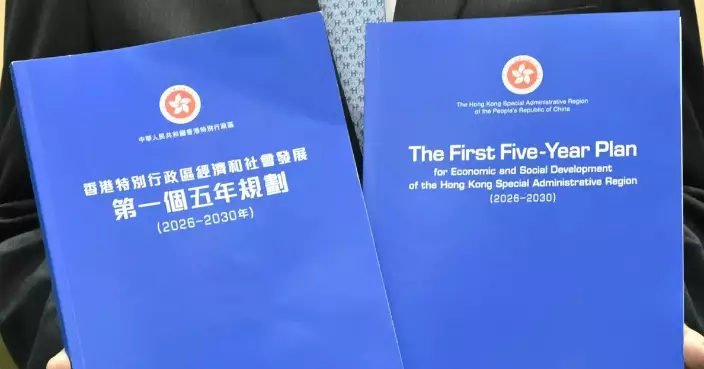
10. This year marks the opening year of the National 15th Five-Year Plan. The Hong Kong Special Administrative Region (HKSAR) Government has formulated our first Five-Year Plan (the Five-Year Plan) to proactively align with the National 15th Five-Year Plan, seizing opportunities for development while better integrating into and serving the overall national development. In the thick of accelerating global changes not seen in a century, the vibrant momentum driven by our country's robust strength, enormous market and high-quality development presents Hong Kong with boundless opportunities. We will better develop our economy and boost social well-being, starting a bright new chapter for Hong Kong.
11. The Five-Year Plan is a forward-looking, strategic, and directional guiding document for Hong Kong, a blueprint for the city's economic and social development over the next five years. The Policy Address, meanwhile, is an annual report on the implementation of the Five-Year Plan, together with the Chief Executive's policy priorities for the year having regard to actual circumstances. The two documents are interconnected and inextricably related.
12. The Five-Year Plan is the blueprint for economic and social development. The Policy Address seeks to realise the blueprint by adjusting policy agenda and formulating work indicators annually, in response to the global environment as well as economic outlook and dynamics. It also sets out details of the key policy priorities, major works and infrastructure projects for the year.
13. Over the coming year, as we move ahead with the implementation of the Five-Year Plan, the Government will focus on the key policies and major projects set out in the Policy Address. Through the allocation of resources in the Budget and a cross-departmental co-ordination mechanism, we will regularly review progress and ensure the orderly implementation of objectives.
Chapter II Fully, Faithfully and Resolutely Implement the "one country, two systems" Principle
(A) Fully and Faithfully Implement
"One Country, Two Systems"
14. "One country, two systems" is the cornerstone of Hong Kong's long-term prosperity and stability, and we must stay committed to the cause. With a resolute commitment, we will continue to fully and faithfully implement the principles of "one country, two systems", "Hong Kong people administering Hong Kong" and a high degree of autonomy. Practical experience has proven that by upholding the principle of "one country" and leveraging the advantages of "two systems", Hong Kong is able to make better use of its strengths and seize the opportunities presented by our country's development, ensuring the steadfast and successful implementation of "one country, two systems".
(B) Safeguard National Security
15. The fundamental premise of the "one country, two systems" principle is to safeguard national sovereignty, security and development interests. In the face of intricate risks and complex challenges amid the accelerating changes not seen in a century, we must establish a bottom-line mindset to mitigate risks and hidden threats. Safeguarding national security is a never-ending process and a continuing mission of the HKSAR.
16. The successive implementation of the Hong Kong National Security Law and the Safeguarding National Security Ordinance has provided better protection for the security of our country and Hong Kong. We will continue to improve the legal system and enforcement mechanisms for safeguarding national security, upholding the unity of the Central Government's fundamental responsibility and the HKSAR's constitutional responsibility for safeguarding national security.
17. We will follow a holistic approach to development and security. Security must never be overlooked in promoting development. High-quality development must be safeguarded by high-level security; in turn high-level security must be underpinned by high-quality development.
18. Our implementation of measures safeguarding national security has brought a sense of stability, certainty and predictability to the market. Hong Kong is a "safe harbour", and a "safe harbour" is a "harbour for development". Security has become a clear advantage for Hong Kong's development.
19. To respect and abide by the national security laws is not only a responsibility, but also an obligation of each and every one of us. The HKSAR Government will continue to reinforce promotional and educational efforts in respect of national security. The National Security Exhibition Gallery, the first physical national security education base in Hong Kong, has attracted over 1.9 million visitors since its launch in August 2024. The Government will expand the gallery and enrich its contents to promote the concept that "security brings prosperity".
(C) Uphold and Enhance the Executive-Led System
20. The HKSAR Government will uphold its executive-led system and assume its main responsibility. It performs the roles and functions of a co-ordinator, facilitator and enabler, and enhances its working mechanism for advancing various areas of work through pragmatic and effective measures. These measures maintain social stability, support high-quality economic development, and enhance people's well-being.
21. Under the principle of executive-led governance, the executive authorities and the legislature check and balance and co-operate with each other. Both focus on jointly addressing social issues, developing the economy and improving people's livelihood.
(D) Implement the Principle of "Patriots Administering Hong Kong"
22. Since the improvement of the HKSAR's electoral system in 2021 and district governance system in 2023, the principle of "patriots administering Hong Kong" has been fully implemented, providing solid institutional safeguards for the steadfast and successful implementation of "one country, two systems".
23. The HKSAR will devote its efforts to preparing for the Election Committee Subsector Ordinary Elections to be held on November 22 this year, as well as the Chief Executive Election and the District Council Ordinary Election next year. We will ensure that these elections are conducted in a fair, just, honest, safe and orderly manner.
24. We will strengthen patriotic forces with affection for the country and our city, placing particular emphasis on nurturing young people and uniting patriots from all sectors in the community. By establishing communication platforms, we will create a more extensive network of patriotic groups, working in unison to resolve challenges.
(E) Promote Patriotic Education
Strengthen Affection for and Sense of Belonging to the Country
25. We will align with the strategic initiative of "fostering virtue through education in the new era" under the 15th Five-Year Plan, as well as enhancing students' sense of national identity and building their cultural confidence. To that end, we will extend the promotion of activities for the Constitution and Basic Law Student Ambassadors Training Scheme to all publicly-funded primary and secondary schools. We will also launch a new national security education online platform to tie in with the updated Curriculum Framework of National Security Education in Hong Kong, and provide more learning and teaching resources as well as teacher training courses on national geography.
26. We will deepen patriotic education for young people by making good use of the Mainland's resources to deliver multi-faceted and content-rich exchange and internship activities as well as designating annual themes, such as the country's aerospace achievements and the supply of Dongjiang water to Hong Kong. This will enable young people to witness first-hand the country's development and achievements, deepening their understanding of the nation's history and culture as well as its enduring bond and kinship with Hong Kong.
Promote Hometown Culture
27. Since the launch of the Clansmen Culture Promotion Scheme in 2024, annual funding of $10 million has been provided to subsidise the organisation of activities in promoting hometown culture. The Scheme has so far funded over 100 such activities of clansmen associations. Starting from the 2027-28 financial year, the Government will continue to earmark funding of $10 million annually to support clansmen associations in organising more activities, with particular emphasis on deepening young people's understanding of and sense of belonging to their hometowns.
Enrich Patriotic Education Resources
28. This year marks the 90th anniversary of the victory of the Long March. Yan'an is a sacred place of the Chinese revolution and the cradle of New China. With the support of the Central Government, we will list the Yan'an Revolutionary Memorial Hall in Shaanxi Province as the second patriotic education base for the youth of the HKSAR in the Mainland, and encourage students and young people to visit the place for study. We will continue to communicate with relevant Mainland departments on the inclusion of more patriotic education facilities to enrich Hong Kong's patriotic education resources.
Establish a Museum to Showcase the Development and Achievements of Our Country
29. The Leisure and Cultural Services Department (LCSD) is collaborating with relevant national museums, including the National Museum of China and the Museum of the Communist Party of China, to take forward the preparatory work for the establishment of a museum in Kwu Tung North. The museum will focus on the development and achievements of our country, showcasing our country's rapid progress and remarkable achievements in such areas as technology, sports and culture. It will also highlight Hong Kong's role in national development and the unique advantages of "one country, two systems".
Promote Chinese Culture
30. The Chinese Culture Promotion Office has since its establishment in April 2024 organised various well-received exhibitions, with the Chinese Culture Festival and the General History of China Exhibition Series curated as annual flagship brands. The Chinese Culture Festival will continue to feature high-quality projects, showcasing profound traditional Chinese culture to tell the good stories of China to the world.

Source: AI-found images
Full text of the First Five-Year Plan for Economic and Social Development of the Hong Kong Special Administrative Region (2026-2030) (7)
Chapter 22 Strengthen the Protection forPeople's Livelihood
Section 1 Strengthen the Support for Disadvantaged Communities
5.41 We will continue to provide and enhance inclusive public services, including social welfare, healthcare, education and housing, etc., to offer basic protection to our citizens, with a view to relieving their family burden and improving their quality of life. We will progressively put in place multi-tiered social security to ensure the provision of an appropriate and dignified safety net for disadvantaged communities. In the meantime, we will empower those who can help themselves to encourage self reliance and continuous striving.
5.42 We will stay committed to the "people oriented" principle, under which we will step up our targeted poverty alleviation efforts and forge ahead in two key directions. First, an integration of macro level statistics and micro level care to provide different disadvantaged groups with focused support and responses that address their unique needs. Second, a shift from relying on the Government's sole effort in poverty alleviation towards promoting tripartite collaboration among the Government, the business sector, and the community to consolidate diverse forces for a more steady and sustainable progress in targeted poverty alleviation.
Section 2 Targeted Response to Specific Needs
5.43 We will provide targeted support for persons with disabilities as well as their carers. We will promote the application of technology, including the continued implementation of the Innovation and Technology Fund for Application in Elderly and Rehabilitation Care, to enhance the quality of life of frail elderly persons and persons with disabilities while alleviating the pressure on care personnel and carers. Building on the existing care service and support systems, we will actively enhance capacity building on all fronts, including the provision of residential care homes, rehabilitation services, selective placement, and carer support, etc. We will also step up the promotion of a friendly workplace culture to encourage and support employment of persons with disabilities and their carers, thereby building a thriving disability inclusive society.
5.44 We will expand the School based After School Care Service Scheme launched by the Commission on Poverty (now renamed as the Commission on Targeted Poverty Alleviation) so as to unleash parents' employment potential and enhance their household income. We will also set up additional Community Living Rooms to provide subdivided unit households with various facilities, along with referrals to other social welfare services, etc., to raise their living standard, broaden their interpersonal networks, and strengthen their sense of belonging to the community.
Section 3 Effective Consolidation of Resources
5.45 We will promote data driven proactive support and champion a shift in approach in the social welfare sector from "reactive response" towards "proactive identification and targeted support". Subject to privacy protection, compliance with applicable laws and regulations, and public confidence, we will explore the establishment of a "welfare information sharing e platform" to progressively consolidate relevant data scattered across different systems in various fields such as social welfare, healthcare, education, housing, and transportation, etc., so as to analyse and identify risk signals while expanding screening and outreach networks for timely detection of risk factors and support needs among individuals and families. The aim is to enhance the effectiveness of our proactive identification, outreach, and intervention efforts regarding high-risk cases, and strengthen our demand forecasting capabilities and resource deployment efficiency, thereby advancing the provision of services to the preventive stage as far as practicable to forestall accumulation of risks.
5.46 We will promote an institutionalised model of tripartite collaboration among the Government, the business sector, and the community in poverty alleviation. The Government will adopt a policy led approach and set up an efficient matching platform through which the business sector's goodwill will be pooled together and matched with the community's creativity to enable the delivery of more targeted support projects for groups in need. Under this model, the Government will identify targets for assistance and set up the regime; the business sector will provide resources in terms of funding, venues, talent, experience, technologies, etc.; while the community and welfare organisations will design innovative services and take charge of the actual implementation drawing on both their frontline insights and practical experience. Such joint efforts will progressively develop into steady, sustainable and scalable forces, thereby promoting the innovation and development of social welfare services.
Section 4 Safeguard Children's Well-being
5.47 To continue to strengthen the child protection system, we will continuously enhance the handling and reporting mechanism for suspected child abuse cases to facilitate early identification and intervention while enhancing deterrence. We will also continue to strengthen professional support for child abuse victims and their families through Child Protection Support Service Teams. In the meantime, we will review in a timely manner and continuously enhance support and supervision for child care and related services, while also strengthening child protection related promotion, education, and training, to safeguard the well-being of children through a multipronged approach, thereby weaving a comprehensive and effective safety net for children.
5.48 We will strengthen family support services. In line with the "family focused" and "carer centric" principles, we will strive to bolster the support for working families in childbearing and expand community child care and after school care services. We will also promote the long term strategy of gradually transitioning family support services from "crisis response" towards "prevention and fostering family resilience".
5.49 To strengthen child care services, we will continue to substantially increase the number of child care service places, while continuously reviewing and enhancing various child care services. In the meantime, through the School based After School Care Service Scheme, we will help alleviate the child care pressure on grassroots parents (in particular single parents), thereby fostering better parent child relationship.
| Table 36Strengthening Child Care Services |
Increasing child care service places - Set up additional aided standalone child care centres, with the target of gradually increasing 1800 child care service places, i.e. from about 1500 service places in 2025 to about 3300 places in 2030.
|
- Set up additional aided standalone child care centres, with the target of gradually increasing 1800 child care service places, i.e. from about 1500 service places in 2025 to about 3300 places in 2030.
Section 5 Deepen Collaboration and Exchange in Social Services with Mainland Counterparts
5.50 We will strengthen our collaboration with the Mainland. We will advance the Guangdong-Hong Kong-Macao Greater Bay Area Social Service Co operation Projects, thereby deepening the integrated and concerted development of quality social welfare services in the Guangdong-Hong Kong-Macao Greater Bay Area. We will also support talent exchange and training between the social service sectors of the Mainland and Hong Kong (including Hong Kong social welfare organisations making effective use of the Dedicated Fund provided by the Government to arrange Mainland study visits for their staff) to promote professional exchange, practice based research, and experience sharing across various social welfare areas between Hog Kong and the Mainland. In the meantime, we will support social welfare organisations in Hong Kong to introduce from the Mainland new technologies as well as smart equipment applicable to social service settings while assisting our country's products and services in going global.
Chapter 23 Enhance Labour Protection
Section 1 Increase Labour Supply
5.51 To harness I&T to enhance employment services, we will deploy tools such as AI to strengthen job matching, enhance push notification for employment information, and provide more personalised recommendations regarding job vacancies and vocational training. We will also organise thematic job fairs of varying scales and types to expedite the dissemination of employment information and improve the effectiveness of job matching. In the meantime, we will render support to key groups, including youths, women, older and middle aged persons, ethnic minorities, and people with disabilities, etc., to reduce employment barriers, thereby promoting employment and unleashing the potential labour force.
5.52 We will import labour on an appropriate scale alongside efforts to unleash the local labour force. On the premise of protecting local workers, we will import labour in an orderly manner and on an appropriate scale in response to actual social and economic needs. We will closely monitor the changes in labour supply and demand, and dynamically adjust the type and number of workers to be imported. While maintaining stable co-operation with existing source countries of foreign domestic helpers, we will actively seek expansion of source countries, and admit foreign domestic carers with better elderly care skills, with a view to addressing the challenges posed by an ageing population and meeting the home care needs of the elderly.
Section 2 Enhance Labour Rights Protection
5.53 We will protect employment rights and foster harmonious labour relations. In response to socio economic development level and the needs arising therefrom, we will systematically review and enhance the labour legislation to align with the policy directions on population and encouraging childbirth, etc. in a timely manner. We will improve the legal framework by exploring and enacting new legislation applicable to new forms of employment to continuously strengthen labour protection. We will also follow the mechanism to review the statutory minimum wage rate annually to ensure that the pay rise for low paid workers can keep pace with inflation, so that they may share the fruits of economic growth when the economy performs well. We will enhance the consultation mechanism among employees, employers, and the Government to facilitate effective tripartite communication and forge consensus on labour related issues of common concern. In the meantime, we will promote an "employee oriented" culture in human resource management, fostering labour relations built on mutual trust and understanding.
5.54 We will deepen the culture of occupational safety and health by making better use of new technology. Through proactive application of new technology, we strive to enhance the effectiveness of management and regulation of occupational safety and health by exploring the use of AI to facilitate inspection and law enforcement. We will also promote smart handling of occupational safety and health information by introducing a smart management system to enhance the separation of enquiries and complaints, so as to accord priority to high-risk cases. Meanwhile, we will leverage data analytics to support risk based inspection and policy formulation. We will establish a one stop industry based occupational safety and health information platform to facilitate inter departmental collaboration and information sharing, thereby further deepening awareness and culture of occupational safety and health in society. Also, we will provide professional advice from the regulatory perspective regarding the R&D of technology products related to occupational safety and health, facilitating the introduction of such products with a view to improving the safety performance of the industry.
Chapter 24 Concerted Efforts to Build a Thriving Age friendly Society
Section 1 Foster a Sense of Security among the Elderly
5.55 To enhance elderly care service capacity, we will build more government funded community and residential care facilities for the elderly and progressively increase the number of vouchers under both the "Community Care Service Voucher Scheme for the Elderly" and the "Residential Care Service Voucher Scheme for the Elderly" in order to steadily raise the proportion of vouchers in the overall subsidised care services. In the meantime, we will, on a pilot basis, provide government built elderly welfare premises for self financed operation by the sector, while continuing to implement the Incentive Scheme to Encourage Provision of Residential Care Home for the Elderly Premises in New Private Developments. We will strive to promote the development of the elderly care services market and enhance the overall elderly care service capacity through public private collaboration.
| Table 37Enhancing Elderly Care Service Capacity |
Additional places for subsidised longterm care services for the elderly - Provide 8000 additional places for subsidised longterm care services for the elderly, bringing the number of service places from around 69500 in end2025 to around 77500 in end2030.
|
- Provide 8000 additional places for subsidised longterm care services for the elderly, bringing the number of service places from around 69500 in end2025 to around 77500 in end2030.
5.56 We will promote cross-boundary elderly care. Seizing the development opportunities of the Guangdong-Hong Kong-Macao Greater Bay Area, we will further enhance the support measures for cross-boundary elderly care to provide elderly people of Hong Kong with more choices and greater convenience in living and receiving care across the boundary, thereby fostering social and livelihood integration between the two places as well as the development of the elderly care industry in the Guangdong-Hong Kong-Macao Greater Bay Area. To this end, we will strengthen co-operation with Mainland cities of the Guangdong-Hong Kong-Macao Greater Bay Area in identifying more quality residential care homes for the elderly for joining the "Residential Care Services Scheme in Guangdong", so as to expand the care facility network and service capacity of the scheme. We will make good use of Mainland's facilitation policy measures for Hong Kong residents, and subsidise Hong Kong elderly people participating in the scheme to purchase the local "Basic Medical Insurance for Urban and Rural Residents" and the "Commercial Medical Insurance", and disburse portable cash assistance to the elderly retiring across the boundary directly through remittance using Mainland banking network. To deepen exchanges and co-operation in elderly care, Guangdong and Hong Kong will leverage respective strengths to jointly advance personnel training, service enhancement, and market development.
5.57 We will strengthen the promotion of active ageing. To this end, we will consolidate existing resources and networks, step up the promotion of retirement planning, raise the awareness of healthy ageing, and promote the elderly's invaluable contribution to society.
Section 2 Promote a Sense of Worthiness among the Elderly
5.58 We will promote the social integration of the elderly into the community. By encouraging the elderly to participate in social affairs, establishing mutual support networks and exchange platforms for the "young olds", and forming elderly volunteer teams in the community, we will strive to promote mutual help and a sense of worthiness among the elderly so that they can achieve self fulfilment and play an active role in society.
5.59 We will support lderly employment by providing vocational training services specific to the needs of older persons, so as to enhance their employability in response to the needs of the labour market. In the meantime, through dedicated employment services and programmes for older and middle aged persons, we will encourage employers to provide on the job training and adopt elderly friendly employment practices to boost the employment of the healthy elderly.
5.60 We will strengthen and scale up the silver industry. We will encourage the introduction of more silver consumer products and development of more application scenarios in domestic, community, and institutional settings, while stimulating diverse consumer demands for silver tourism, leisure and culture. We will also promote the professional development and branding of the silver economy to foster quality silver consumption locally and facilitate overseas expansion of the sales network.
5.61 We will improve the standards of silver services. Through strengthening exchanges and collaboration between certification institutions in Hong Kong and those in our country, we will foster mutual recognition of qualifications and the "one inspection, two certificates" arrangement, thereby enabling silver products and services to access the Mainland market more easily while also tapping into overseas markets. We will strive to upgrade the existing certification standards to national standards, with a view to enhancing market competitiveness.
Chapter 25 Build a Green and Liveable City
Section 1 Realise Green Transformation
5.62 We will promote continuous optimisation of the energy mix and maintain the stability of electricity tariffs. Through efficient utilisation of clean energy transmission pathways and the country's clean, low carbon, safe, and efficient new energy system, we will progressively increase the share of zero carbon energy in the local fuel mix of electricity generation to achieve the goal of ceasing the use of coal for daily electricity generation by 2035 and increase the share of zero carbon energy in the fuel mix of electricity generation to about 60% to 70%. With these efforts, we strive to strengthen energy security, help lower energy generation costs, and stabilise fluctuations in electricity tariffs, thereby supporting the sustainable and high-quality development of our city.
5.63 To continuously improve the energy efficiency of major energy users such as buildings, we will enhance the regime of energy efficiency standards for buildings and electrical products, and promote green, energy saving, and carbon reduction retrofits for new and existing buildings. Our goal is to reduce the electricity consumption of commercial buildings by 30% to 40% and that of residential buildings by 20% to 30% from the 2015 level by 2050, and to achieve half of the above targets by 2035.
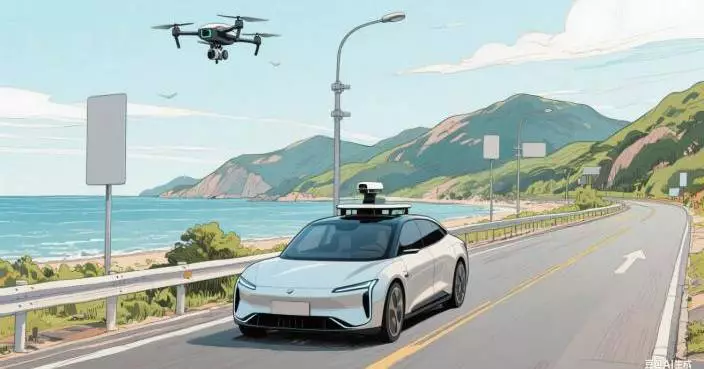
5.64 We will promote the use of green transport. We will steadily promote vehicle electrification and the trial and application of new energy transport while developing safe and efficient supporting networks for charging and hydrogen filling, etc., thereby creating conditions for achieving zero vehicular emissions before 2050. We will also introduce Smart and Green Mass Transit Systems, with construction works of such systems in Kai Tak, East Kowloon, HSK, and the South Island Line (West) commencing from 2027 progressively. These systems can overcome previous technical constraints in constructing heavy rail, providing cost effective and convenient public transport systems with low carbon emissions.
5.65 To deepen the reform of the municipal solid waste management system, we strive to move away from reliance on landfill disposal for municipal solid waste by 2035, with a view to achieving "Zero Landfill". This will contribute to reducing carbon emission and promoting the development of a circular economy, including the development of high-value added precious and rare metal recovery and refining industries, thereby establishing a waste material refining hub in Asia. We will enhance our recycling and waste to energy system by leveraging technology to advance waste sorting and resource utilisation, and building a digital recycling network, with a view to achieving waste to resources transformation, waste reduction, and harmless disposal. We will also expand producer responsibility schemes to raise recycling rates for recyclables, such as retired electric vehicle batteries and plastic bottles, thereby turning waste into resources and reducing reliance on raw materials.
5.66 We will develop green technologies and new energy, and establish a carbon trading hub. Through the Green Tech Fund, we will support the development of green technologies and promote the commercialisation of R&D outcomes, thereby increasing the supply of green technologies. The Strategy of Hydrogen Development in Hong Kong will be implemented in an orderly manner to steadily promote a wider application of hydrogen in Hong Kong. In this regard, we will set out the lifecycle greenhouse gas emission values for green hydrogen and low carbon hydrogen, and provide support for the planning and development of hydrogen projects, investments in relevant infrastructure, and green finance arrangements, in order to enhance the mutual recognition and competitiveness of Hong Kong's green and low carbon hydrogen in the global market. In the meantime, we will develop Hong Kong into a demonstration platform for green and low carbon hydrogen technologies to facilitate the export of technologies and products developed in both the Mainland and Hong Kong, and provide financing and professional services for green hydrogen technologies and products. We will also assist the country in implementing Article 6 of the Paris Agreement on carbon credit and trading mechanism, and advancing the formulation of clear and strict international standards, thereby providing a reliable decarbonisation co-operation platform for overseas countries and enterprises.
| Table 38 Proactive Decarbonisation and Green Transformation |
1. Green transport - Complete the construction of a ChaoJi charging demonstration station in Hong Kong in 2027. The number of fast chargers will increase to 4000 in 2030 and is expected to further increase to around 10000 in 2035, supporting around 500000 electric vehicles.
- The target is to cease new registrations of fuelpropelled private cars, including hybrid vehicles, in 2035 or earlier.
|
2. New energy - Establish a certification system for green hydrogen and lowcarbon hydrogen standards that connects with the Mainland and the rest of the world in 2027 and promote its international application.
|
- Complete the construction of a ChaoJi charging demonstration station in Hong Kong in 2027. The number of fast chargers will increase to 4000 in 2030 and is expected to further increase to around 10000 in 2035, supporting around 500000 electric vehicles.
- The target is to cease new registrations of fuelpropelled private cars, including hybrid vehicles, in 2035 or earlier.
- Establish a certification system for green hydrogen and lowcarbon hydrogen standards that connects with the Mainland and the rest of the world in 2027 and promote its international application.
Section 2 Strengthen Ecological Protection
5.67 To continuously improve the quality of our ecological environment, we will carry on with our efforts to review and enhance management strategies of various ecological protected areas, covering key areas such as Hong Kong UNESCO Global Geopark, the Mai Po Inner Deep Bay Ramsar Site designated under the Convention on Wetlands, country parks, as well as marine parks and marine reserves, etc., strengthening ecological conservation and enhancing biodiversity. We will also expand the network of terrestrial and marine protected areas in an orderly manner, and study the establishment of a coastal protection park at Tsim Bei Tsui, Lau Fau Shan, and Pak Nai to strengthen the conservation of the coastal ecosystem of Deep Bay.
5.68 To strengthen the protection of wild fauna and flora as well as endangered species, we will continue to enhance their protection and governance, rigrously implement the relevant international conventions, and regulate trade in endangered species. We will also review and enhance the relevant legislation to strengthen enforcement against smuggling and illegal trade in endangered species and protect cetaceans found in Hong Kong waters.
5.69 We will expand co-operation in ecological conservation. We will strengthen collaboration with relevant Mainland provinces and municipalities to jointly conserve cross-border ecology and migratory animals, including deepening ecological co-operation between Shenzhen and Hong Kong, establishing a collaborative platform for public participation in biodiversity protection in the two places, and taking forward the development of the Shenzhen Wutong Mountain Hong Kong Robin's Nest ecological corridor, with a view to enhancing ecological integration between Shenzhen and Hong Kong. Through partnerships with the relevant Mainland provinces and municipalities, we will also enhance the protection of Chinese white dolphins in Guangdong and Hong Kong, strengthen the conservation of Shenzhen Bay (Deep Bay) wetlands, and advance coral conservation, while putting in place arrangements for rescue co-operation of large aquatic wild animals between Shenzhen and Hong Kong.
| Table 39 Continuous Improvement in Ecological Environment Quality |
Implementing a management system of ecological protection red lines - By 2030, maintain at least 40% of the total terrestrial area as terrestrial protected areas.
- By 2030, maintain at least 20% of the total marine area as marine protected areas and other effective areabased conservation measures²³.
|
- By 2030, maintain at least 40% of the total terrestrial area as terrestrial protected areas.
- By 2030, maintain at least 20% of the total marine area as marine protected areas and other effective areabased conservation measures²³.
5.70 We will strengthen environmental protection in key areas to contribute to building a Beautiful China. By establishing a smart environmental monitoring system, we will improve law enforcement efficiency and environmental risk prevention and control, so as to fully realise precise, scientific, and law based pollution control, leading to reduction in both pollution and carbon emissions in a co-ordinated manner. We will continue to develop and introduce innovative technologies and facilities, such as AI and big data, etc., and further develop the Hong Kong Environmental Database, an online platform for environmental impact assessment and monitoring, so as to enhance pollution prevention and control as well as the effectiveness of environmental monitoring through more targeted efforts. The air quality monitoring network will be optimised to make it more targeted and to improve its real time performance and coverage . We will vigorously pursue the "Beautiful Bays" initiative, strengthen nearshore pollution prevention and shoreline remediation, and continuously improve the water quality and marine ecological environment of Victoria Harbour and nearshore waters.
²³It refers to areas outside protected areas that are considered important for insitu conservation of biodiversity.

Source: AI-found images