International experts at the ongoing 13th Beijing Xiangshan Forum have urged stronger global governance and strict human oversight on the use of artificial intelligence, warning that the rapid militarization of AI technology poses a growing security threat.
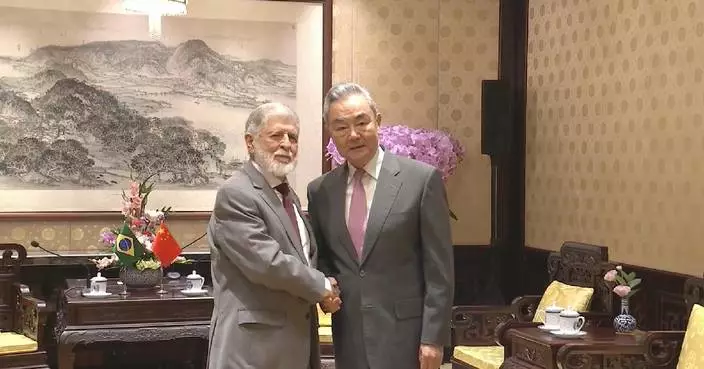
The three-day forum opened in the Chinese capital on Tuesday, bringing together delegations from almost 100 countries, regions and international organizations.
This year's Xiangshan Forum focuses on the prominent and pressing major challenges currently facing the international security landscape.
The topic of AI has been thrust into the spotlight at the forum, amid concerns over how its fast-paced development could impact multiple industries. With widespread calls surrounding the need for greater global governance over this ever-evolving technology, nations face a new question over where to draw the line when AI enters the military domain.
Li Shuyin, director of the Office of the Secretariat of the Beijing Xiangshan Forum said that the issue has become a focal point for discussions at the event as the military application of AI is both a cutting-edge issue and an urgent reality that must be addressed.
"The law of armed conflict has yet to clearly define what role AI should play, where the boundaries of its application should lie, and how it should interact with the role of humans," said Li, adding that whether AI ultimately increases or reduces violence is a question worth exploring.
Other speakers say that the increasing autonomous abilities of AI means there is a pressing need to find solutions before it is too late.
"We are now entering another important stage -- the emergence of agentic AI, systems that can move beyond simply providing information, to planning, coordinating, making recommendations, and increasingly executing complex tasks," said Obaid Al Ketbi, former assistant minister at the United Arab Emirates' Ministry of Foreign Affairs and International Cooperation.
Attention at the forum also focused on autonomous weapons as a major concern, particularly drones capable of identifying and engaging targets with limited human intervention.
Discussions at the forum also highlighted how autonomous weapons are becoming another major concern in the modern battlefield, particularly the emergence of drones capable of identifying and engaging targets with limited human intervention.
Vladimir Norov, chairman of the Central Asian Association for Artificial Intelligence (AICA), an organization based in the Uzbek capital Tashkent, emphasized the dangers of such capabilities.
"Machines or drones using AI for self-targeting will raise more risk, and that's why it is important [to keep] that human control over the use of AI in military," said Norov.
Experts say that while implementing a total ban on the military use of AI is an unrealistic goal, ensuring greater cross-border cooperation and transparency is the key to providing the necessary safeguards.
"My message is simply [that] governments set the red line, companies take responsibility, independent experts verify, countries cooperate, and innovation must continue. This is the balance we should aim for: security, sovereignty, responsibility and innovation," Al Ketbi said.
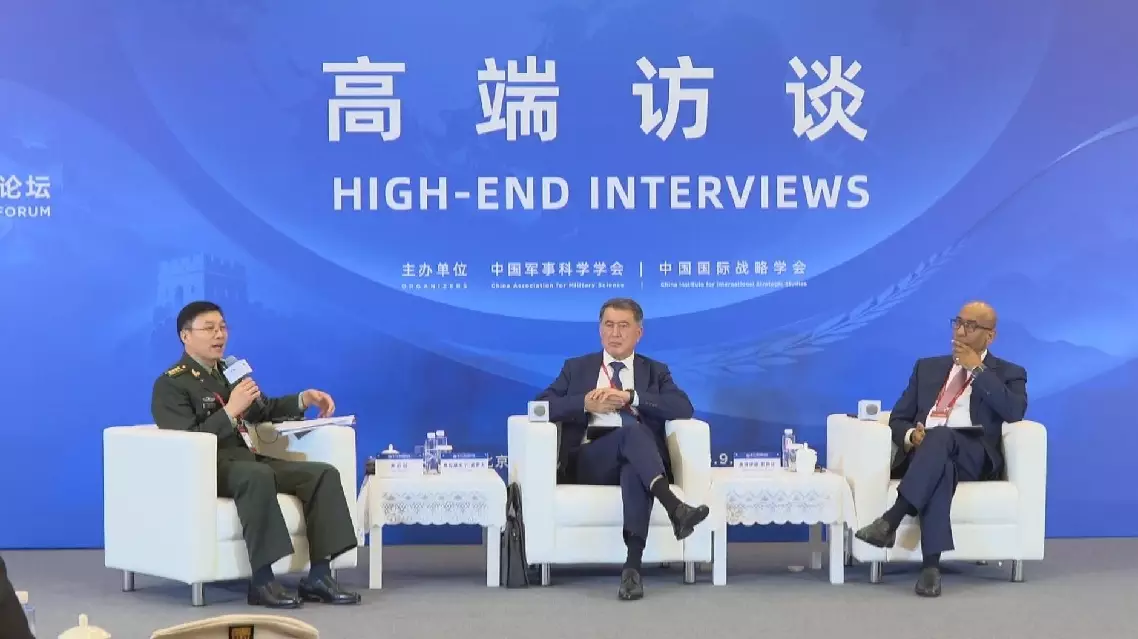
Xiangshan Forum spotlights AI military risks as experts urge global governance