Japanese Prime Minister Sanae Takaichi's one-day spacing of the ruling party's personnel reshuffle and the cabinet reshuffle is a move calculated to consolidate her influence within the party and seek re-election, said a Japanese scholar.
Takaichi, who also heads the ruling Liberal Democratic Party (LDP), reshuffled the party's executive lineup on Wednesday and her cabinet on Thursday.
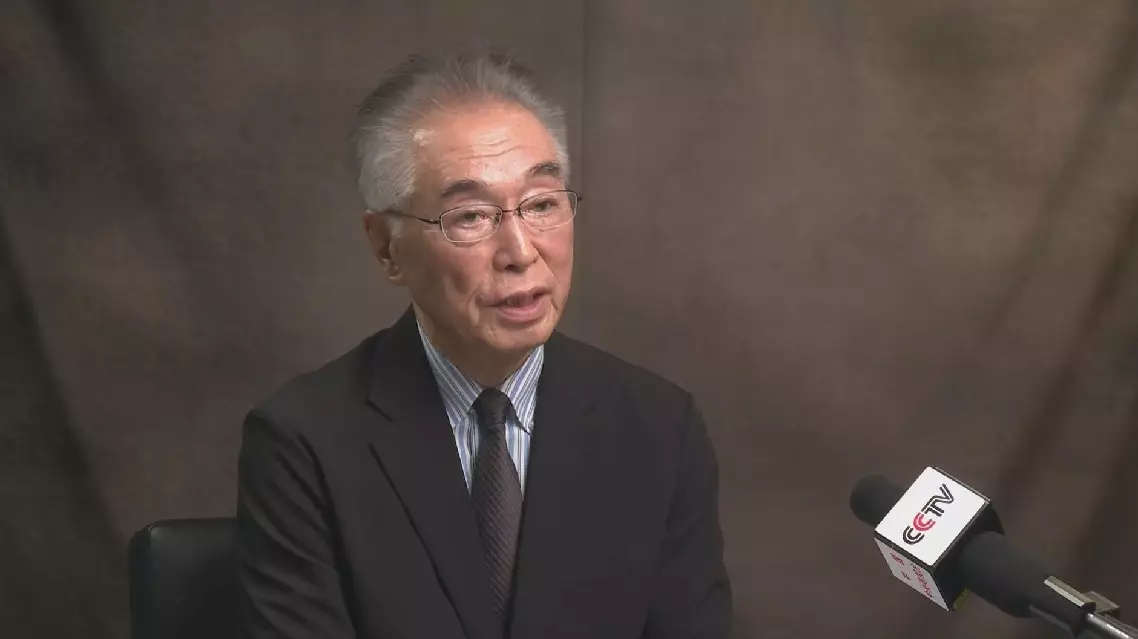
In an interview with China Central Television (CCTV), Tomoyoshi Kimura, director of the Northeast Asia Dynamics Study Group, said the schedule was carefully calculated.
"Takaichi deliberately left this gap, which actually means she wants to show her power within the party. In other words, for those who want to become cabinet ministers or vice ministers, she can show that she holds the power of appointment by making them hopeful. So I think this cabinet reshuffle is of no difference from the previous one; instead, it will likely head in a worse direction. That is the biggest concern I have," said Kimura.
The scholar noted that the reshuffle is less about the cabinet itself than about Takaichi's own political future.
"I think Takaichi has already set her sights on next autumn's LDP leadership election and hopes to win re-election. How to make her administration last longer, how to stay in power longer — that is the purpose of this LDP personnel change and the starting point of the cabinet reshuffle," he said.
The Japanese government recently approved a food consumption tax cut, deciding to lower the rate from the current eight percent to one percent for a two-year period starting April 2027.
Kimura said the consumption tax has been an important stable source of revenue supporting Japan's social security system, and how to fill the huge fiscal gap created by the tax cut is the biggest question.
He added that the tax cut could cause Japanese government bond yields to surge.
"I think it is highly doubtful how much effect this policy can actually produce. And where to find the funds to fill the fiscal gap resulting from the tax cuts? Obviously, the money can only be taken from some other tax. In that case, it will only create new burdens elsewhere," said Kimura.
Kimura also warned of a growing squeeze on livelihoods, as rising bond interest payments and higher defense spending add to the burden.
"In addition, the continuous expansion of government bond interest payments means that the burden of repaying interest in the national annual budget is growing, so the funds that can truly be used in other areas will be increasingly squeezed. This means the measures the state can take, that is, fiscal spending to protect people's livelihoods, will be continuously squeezed. If this continues, Japan will become poorer and poorer, and ordinary people's lives will become more and more difficult. At the same time, increasing defense spending will also add to the related tax burden," he said.
Takaichi seeks to consolidate personal influence via cabinet reshuffle: Japanese scholar