The Global Health Forum 2026 Haikou Conference was held in Haikou City of south China's Hainan Province on Wednesday, focusing on global health governance and international cooperation.
Hosted by the Boao Forum for Asia, the event gathered participants from across the globe to explore ways to enhance international collaboration in tackling shared health challenges.
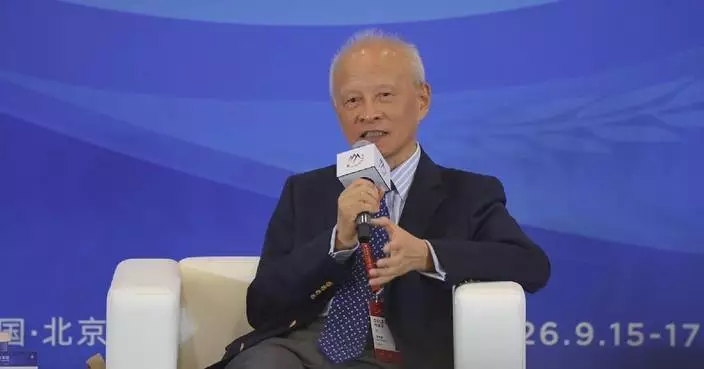
"There is still a long way to go in advancing the global health cause. We urgently need to build greater consensus, and strengthen solidarity and cooperation, so that health can serve as a fundamental foundation for ensuring sustainable and high-quality development," said Leung Chun-ying, vice chairman of the National Committee of the Chinese People's Political Consultative Conference while addressing the conference.
The conference covered a wide range of health-related topics from healthy aging to health industry cooperation. Artificial intelligence (AI) was one of the key focuses, as the technology continues to rapidly reshape the healthcare sector.
"I think some of the ways that are the most exciting are the ones we don't see. They are not helping the patient directly. They are not helping the doctor directly, but they are making the systems more efficient," said Alain Labrique, director of the Department for Data, Digital Health, Analytics and AI at the World Health Organization.
While some remain concerned that AI hallucinations could pose risks when the technology is used in healthcare, guests at the event said such risks can be mitigated through proper regulation and appropriate human oversight.
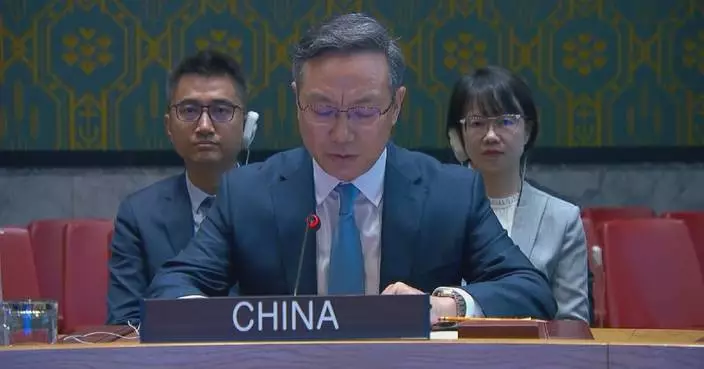
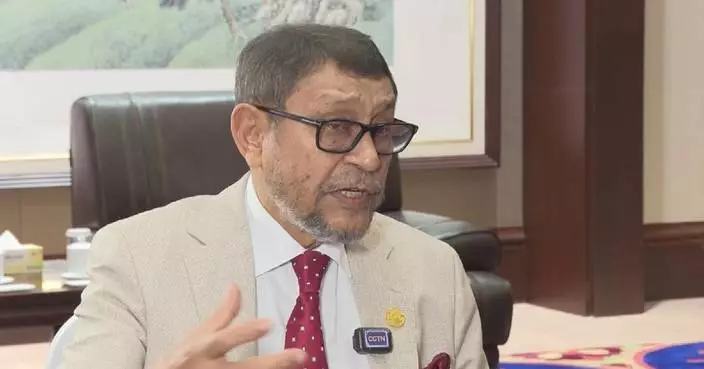
"If I use a calculator, if I give two plus two and if I had five, that is the man behind the machine. So, the man behind the machine must be very careful and technologically very high and efficient," said Sardar Md. Sakhawat Husain, Bangladesh's Minister of Health and Family Welfare. "It's critical that regulators and regulatory systems are in place to make sure that people have access to the right tools for what they need. And to make sure that companies and systems are accountable for when mistakes happen," Labrique said.
Participants also noted that global health governance needs to keep pace, bringing countries together to respond to both new opportunities and emerging challenges.
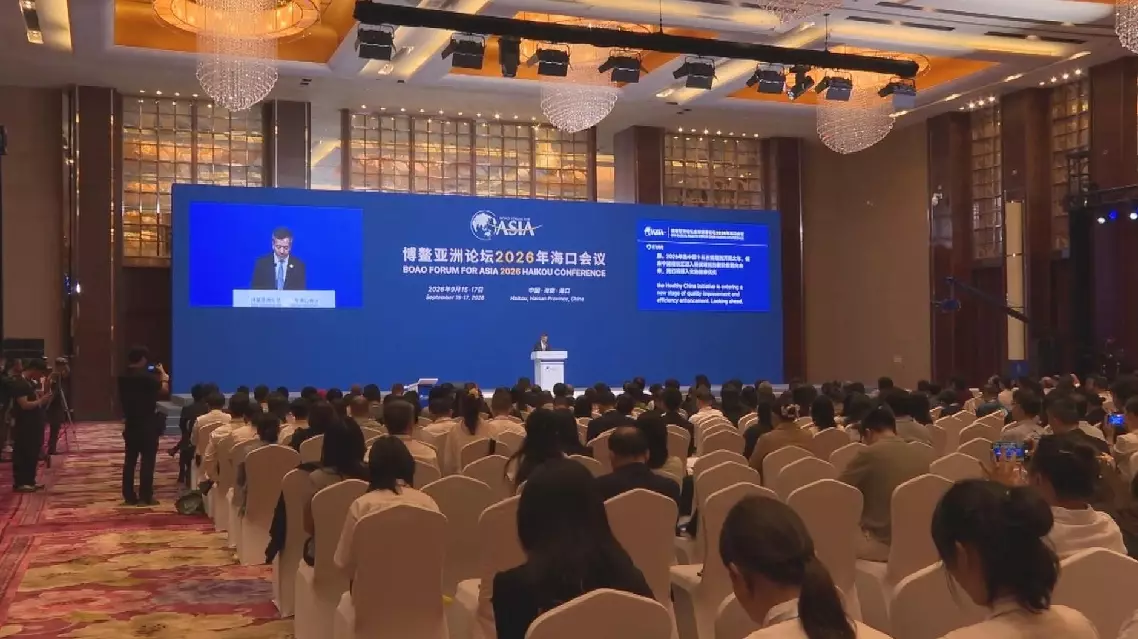
Global Health Forum held in south China's Hainan to focus on international health cooperation
The 9.18 Historical Museum in Shenyang, northeast China's Liaoning Province, has recently been presented with a batch of precious cultural relics and historical materials donated by a private collector on Chinese people's struggle against Japanese aggression, as this year marks the 95th anniversary of the September 18, 1931 Incident.
On the night of Sept. 18, 1931, the Japanese Kwantung Army bombed a section of the South Manchuria Railway near the Liutiao Lake on the northern outskirts of Shenyang, a city in northeast China.
The Japanese blamed Chinese troops for the act and used this as a pretext to attack Beidaying (the Great Northern Barracks), where the Chinese Northeast Army was garrisoned, and then bombarded Shenyang.
The September 18, 1931 Incident marked the start of China's war of resistance against Japanese aggression.
The collections donated to the museum include 14 pieces from Zhan Hongge, a collector of historical documents.
He donated domestic and foreign newspapers and periodicals published between 1931 and 1945, featuring historical materials about the September 18, 1931 Incident launched by Japanese militarists, Japan's military occupation of northeast China, the Northeastern Volunteer Righteous and Brave Fighters' and the Northeast Anti-Japanese United Army's counterattack against the Japanese invaders, and Japan's announcement of unconditional surrender in 1945, as well as the bills issued in the period.
"This picture in the newspaper shows the Japanese Kwantung Army occupied Shenyang's Beiling. This is Zhang Xueliang's villa near Beiling. Besides Beidaying, they also invaded Jilin and occupied Changchun. These are the images recording the invasions," Zhan said.
The newspaper donated by Zhan also reflects how people in northeast China, under the influence of the Communist Party of China, established armed forces to fight Japanese invaders after the September 18, 1931 Incident.
"These two pieces of newspapers were part of the progressive publication 'Jiuwang Qingbao' (information on national salvation) at that time. The newspapers detailed some resistance of the volunteer army led by Zhao Shangzhi against the Japanese aggressor troops, covering some specific time points. It's helpful in future exhibitions for us to study these historical facts about the Northeast anti-Japanese United Army led by the Communist Party of China," said Tian Jing, a researcher at the museum.
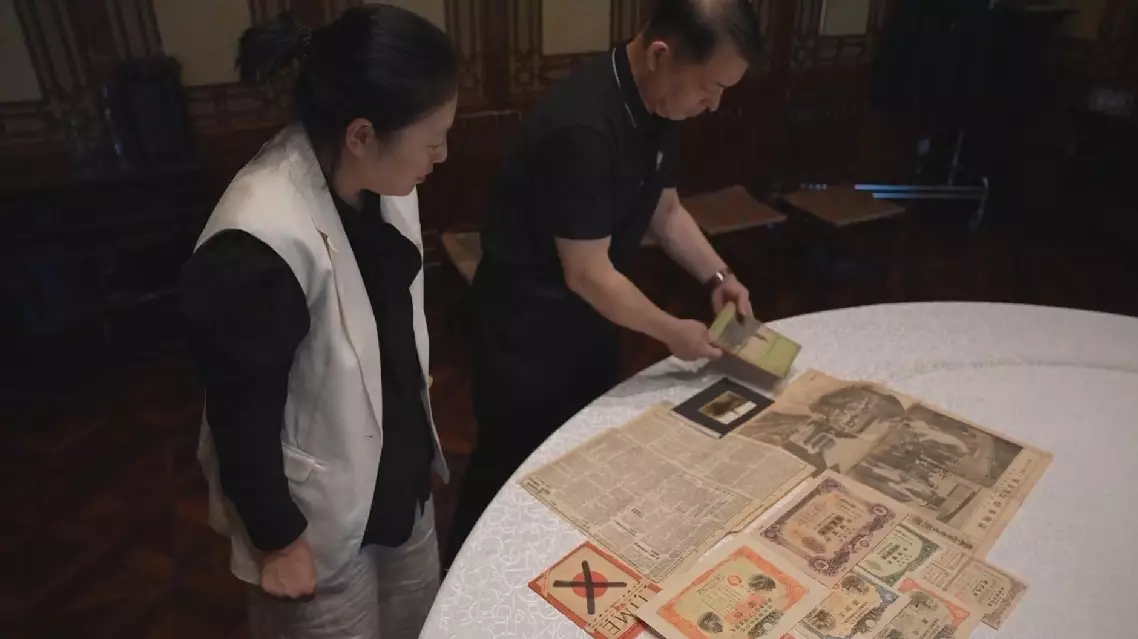
Historical museum receives private collections about struggle against Japanese aggression