Skip to Content Facebook Feature Image

Historical museum receives private collections about struggle against Japanese aggression

China

China

China

Historical museum receives private collections about struggle against Japanese aggression

2026-09-17 20:51 Last Updated At:21:07

The 9.18 Historical Museum in Shenyang, northeast China's Liaoning Province, has recently been presented with a batch of precious cultural relics and historical materials donated by a private collector on Chinese people's struggle against Japanese aggression, as this year marks the 95th anniversary of the September 18, 1931 Incident.

On the night of Sept. 18, 1931, the Japanese Kwantung Army bombed a section of the South Manchuria Railway near the Liutiao Lake on the northern outskirts of Shenyang, a city in northeast China.

The Japanese blamed Chinese troops for the act and used this as a pretext to attack Beidaying (the Great Northern Barracks), where the Chinese Northeast Army was garrisoned, and then bombarded Shenyang.

The September 18, 1931 Incident marked the start of China's war of resistance against Japanese aggression.

The collections donated to the museum include 14 pieces from Zhan Hongge, a collector of historical documents.

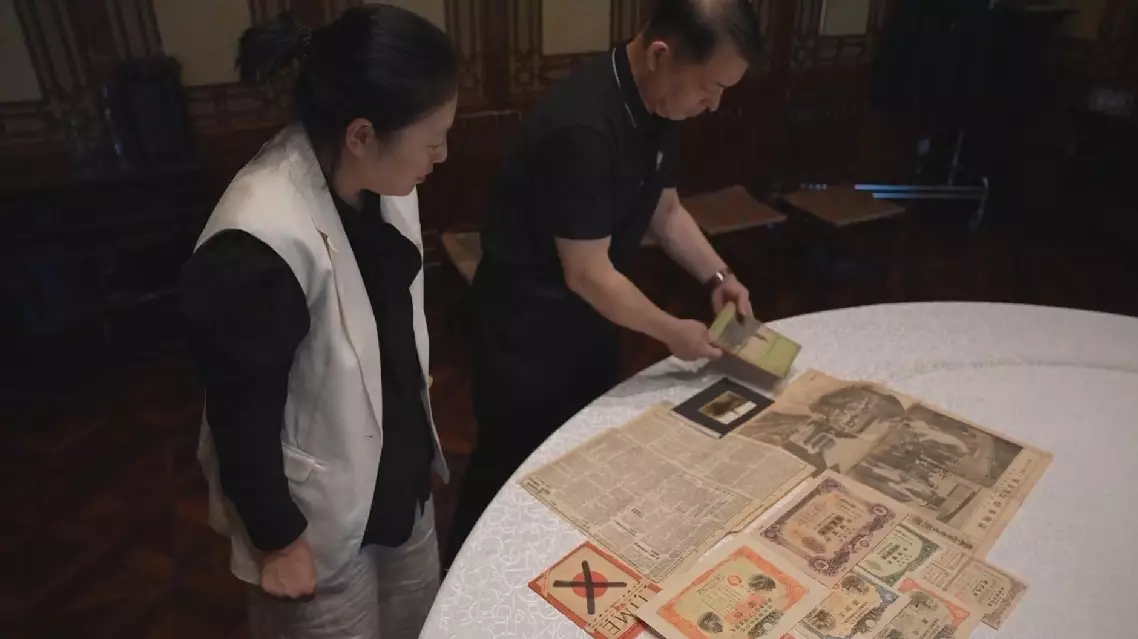
He donated domestic and foreign newspapers and periodicals published between 1931 and 1945, featuring historical materials about the September 18, 1931 Incident launched by Japanese militarists, Japan's military occupation of northeast China, the Northeastern Volunteer Righteous and Brave Fighters' and the Northeast Anti-Japanese United Army's counterattack against the Japanese invaders, and Japan's announcement of unconditional surrender in 1945, as well as the bills issued in the period.

"This picture in the newspaper shows the Japanese Kwantung Army occupied Shenyang's Beiling. This is Zhang Xueliang's villa near Beiling. Besides Beidaying, they also invaded Jilin and occupied Changchun. These are the images recording the invasions," Zhan said.

The newspaper donated by Zhan also reflects how people in northeast China, under the influence of the Communist Party of China, established armed forces to fight Japanese invaders after the September 18, 1931 Incident.

"These two pieces of newspapers were part of the progressive publication 'Jiuwang Qingbao' (information on national salvation) at that time. The newspapers detailed some resistance of the volunteer army led by Zhao Shangzhi against the Japanese aggressor troops, covering some specific time points. It's helpful in future exhibitions for us to study these historical facts about the Northeast anti-Japanese United Army led by the Communist Party of China," said Tian Jing, a researcher at the museum.
Historical museum receives private collections about struggle against Japanese aggression

Historical museum receives private collections about struggle against Japanese aggression
China is going to propose another resolution on accessibility to the UN Council so as to further enrich human rights protection practices, Foreign Ministry spokesperson Guo Jiakun said on Thursday.

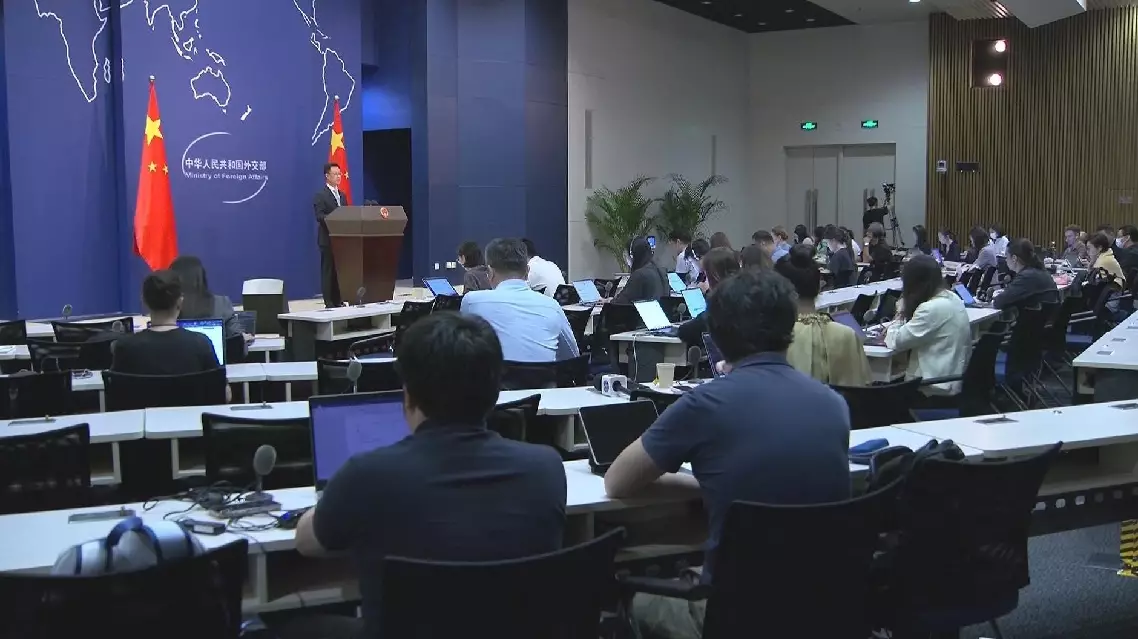
At a press conference in Beijing, Guo disclosed the move when he introduced an exhibition themed "Accessibility for All," held on Tuesday at the Palace of Nations in Geneva on the sidelines of the 63rd session of the United Nations Human Rights Council (UNHRC).

"The exhibition brought together more than 300 guests, including UN High Commissioner for Human Rights Volker Türk, permanent representatives of various countries, heads of international organizations, and media representatives. The exhibition offered a comprehensive look at China's practices in advancing 'accessibility for all' in areas such as science and technology, culture, employment and the rule of law. The event was warmly received with guests trying out cutting-edge smart assistive devices and viewing artworks by persons with disabilities," said Guo.

"Building a barrier-free environment is an important part of human rights protection. In October 2024, the 57th session of the Human Rights Council adopted by consensus a resolution proposed by China, on behalf of 30 countries, titled 'Promoting accessibility for the full enjoyment of all human rights by all'. Holding this exhibition is an important step in implementing that resolution," he said.

"This year marks the first anniversary of the Global Governance Initiative proposed by President Xi Jinping and the third anniversary of the implementation of the Law of the People's Republic of China on the Building of a Barrier-free Environment. China will once again propose a resolution on accessibility to this session of the Human Rights Council. We stand ready to work with the international community to further enrich practices in human rights protection, improve global human rights governance, and together build a community with a shared future for humanity," Guo noted.

China to advance human rights protection with international community: spokesman

China to advance human rights protection with international community: spokesman

Recommended Articles