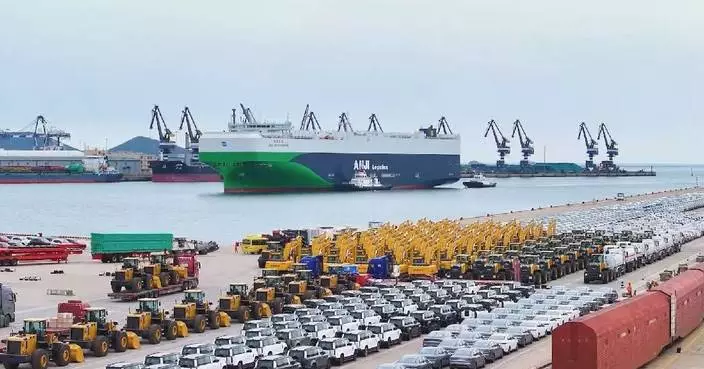
China's automotive company Geely Auto has commenced local production of its EX5 EM-i hybrid sport utility vehicle (SUV) in Parana state, southern Brazil, expanding its manufacturing footprint in Latin America through its partnership with French carmaker Renault.
The model that rolled off the production line this time is built on a new-generation hybrid technology independently developed by the Chinese company.
With technological support from the Chinese automaker, the Ayrton Senna Industrial Complex, where the project is located, has completed a comprehensive intelligent upgrade and gained the capacity to produce battery electric vehicles and plug-in hybrid electric vehicles, becoming a leading smart automotive manufacturing base in Brazil in terms of overall capabilities.
"We aim to achieve long-term development based on local resources. Through strategic coordination, we will work with our cooperation partners to achieve mutual complementarity, which not only meets consumers' demand for new energy products but also brings more opportunities to the local supply chain and employment," said Yang Xueliang, senior vice president of the leading Chinese automaker Zhejiang Geely Holding Group.
"Renault and Geely have once again strengthened their partnership with the state, further consolidating Parana's position as Brazil's second-largest automotive industry hub," said Parana Governor Ratinho Junior.
In recent years, Chinese new energy vehicles have become highly popular among Brazilian consumers, thanks to their excellent quality, smart features, and competitive use costs. Data show that in July this year, Chinese automotive brands captured more than 20 percent of Brazil's passenger car market.
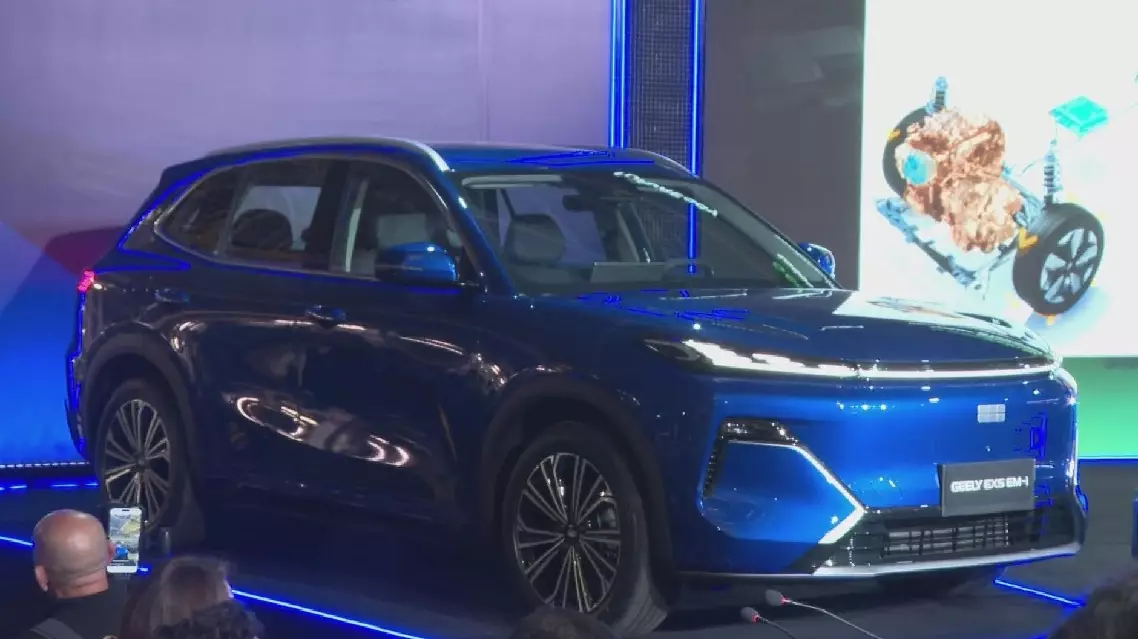
Chinese automaker Geely starts new hybrid car production in Brazil
China has made full preparations for the upcoming autumn grain procurement as the summer procurement approaches its end, according to the National Food and Strategic Reserves Administration.
For now, the country's total amount of wheat procurement has exceeded 100 million tons.
To protect grain farmers' interests, the government has promptly activated the minimum purchase price program for wheat. Sinograin has opened 164 purchasing sites across two major producing provinces of Henan and Anhui, offering to buy wheat at prices supported by the policy without any volume cap.
"The payment for my grain came through quickly today, and I feel much more at ease now that the minimum purchase price policy has been put into effect," said Hou Erwei, a local farmer.
As the autumn grain crop gradually ripens across the coutry, the autumn grain purchasing season is about to begin, expected to run from late September through the end of April next year.
The Autumn season accounts for approximately three-quarters of the country’s total annual grain purchases, making it the most significant grain procurement and storage period of the year.
This year, grain dryers and smart grain-handling equipment have been included into subsidy, helping ensure that the autumn harvest can be purchased, stored, and transported smoothly.
"At present, grain storage capacity, purchasing funds, personnel, equipment, and other resources are all in place. It is expected that grain purchases during this year's peak autumn harvest season will reach approximately 350 million tons. We will strengthen market monitoring and information dissemination, as well as make effective use of the drying and other services provided by post-harvest grain service centers to help farmers reduce losses and increase their incomes," said Luo Shouquan, director of Grain Reserves Department, National Food and Strategic Reserves Administration.
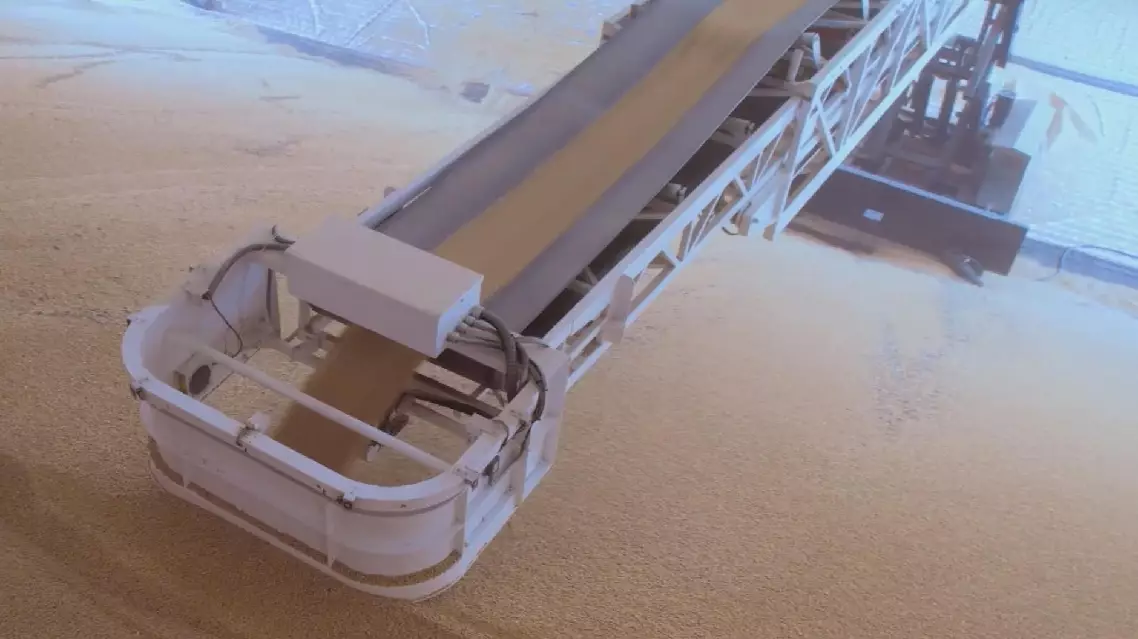
China ready for autumn grain procurement as summer purchase draws to close