The U.S. dollar was almost flat in late trading on Thursday.
The dollar index, which measures the greenback against six major peers, settled at 100.248 at 3 p.m. (1900 GMT).
In late New York trading, the euro rose to 1.1475 dollars from 1.147 dollars in the previous session, and the British pound was down to 1.3353 dollars from 1.3382 dollars in the previous session.
The U.S. dollar bought 156.04 Japanese yen, higher than 155.92 Japanese yen in the previous session. The U.S. dollar decreased to 0.8248 Swiss francs from 0.825 Swiss francs, and it lost to 1.3992 Canadian dollars from 1.3994 Canadian dollars. The U.S. dollar declined to 9.8256 Swedish kronor from 9.8598 Swedish kronor.
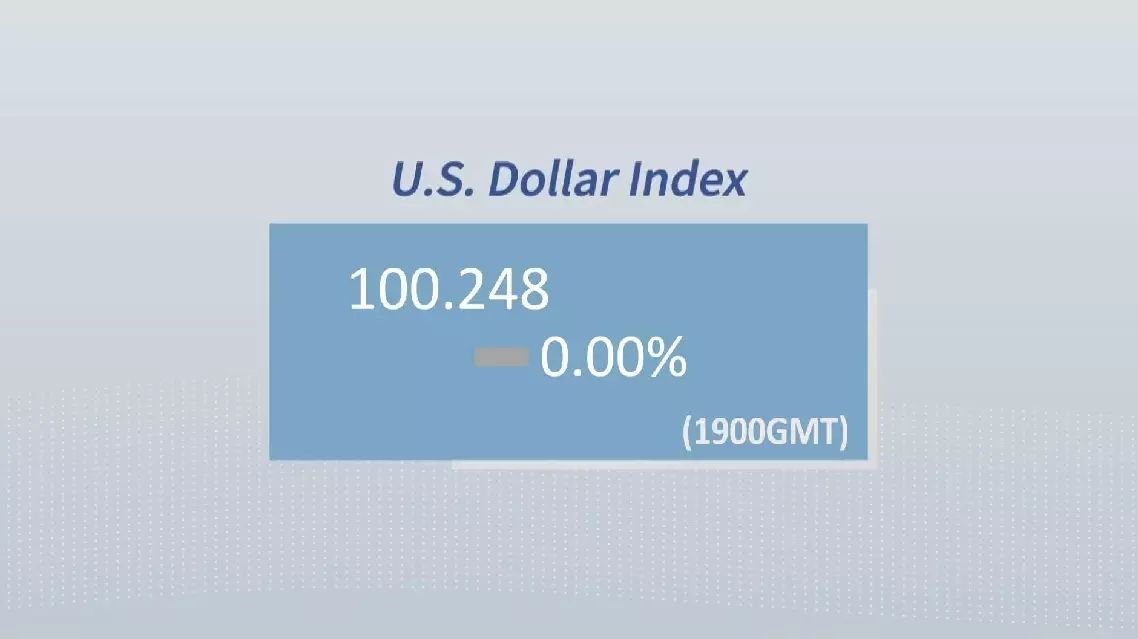
US dollar little changed
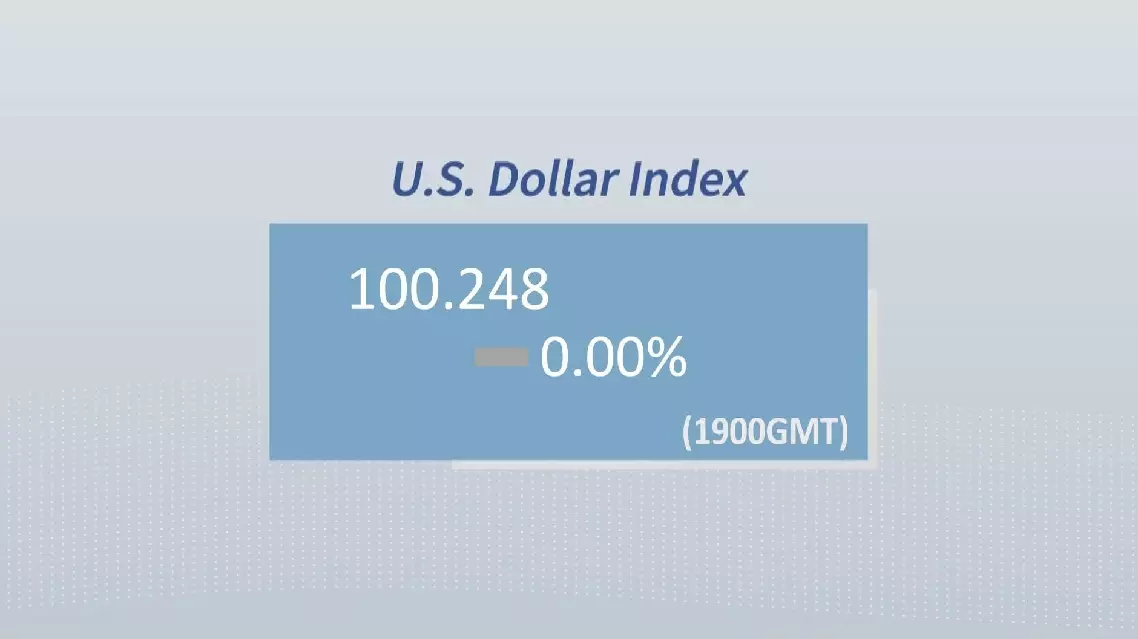
US dollar little changed
At a two-day national conference on advanced manufacturing which concluded in Beijing on Thursday, industry experts called for leveraging artificial intelligence and intensifying efforts to overcome key technology bottlenecks to propel the sector's development.
The event brought together government officials and industry experts to discuss measures aimed at boosting innovation, competitiveness, and overall strength of the advanced manufacturing sector.
Placing a strong emphasis on innovation, the conference underscored the need to fortify basic research and accelerate the translation of sci-tech achievements into practical, commercial applications.
Attendees also highlighted the necessity of promoting the large-scale development of emerging industries while drawing up forward-looking plans for future industries.
A major focal point of the gathering was the deep integration of AI into the industrial sector. Participants advocated for advancing the "AI plus manufacturing" initiative, calling for enhanced policy support to facilitate the digital and intelligent transformation of enterprises.
"First, we must continuously elevate our level of sci-tech innovation. Second, we need to advance new-generation intelligent manufacturing. The booming development of artificial intelligence can play a highly significant role in boosting production efficiency across the manufacturing sector," said Tian Jietang, director of industrial economy research at the State Council Development Research Center.
"Efforts should be made to achieve breakthroughs in critical core technologies, focusing on key areas such as high-end machine tools, advanced semiconductors, and critical materials. We should also actively advance the 'AI plus manufacturing' initiative, driving the deep integration of next-generation information technologies, represented by AI, into every stage of the value chain, including research and development, design, production, operation management, and marketing," said Zhang Li, director of the China Center for Information Industry Development (CCID).
Beyond technological breakthroughs, the conference stressed the importance of cultivating advanced manufacturing clusters tailored to local conditions, promoting tiered and categorized quality upgrades across different regions.
"We should leverage the role of leading enterprises in driving industrial chain integration, and encourage small and medium-sized enterprises (SMEs) to deeply cultivate niche markets and enhance their specialized capabilities, so as to foster a fair, orderly, and vibrant industrial ecosystem," said Zhang.
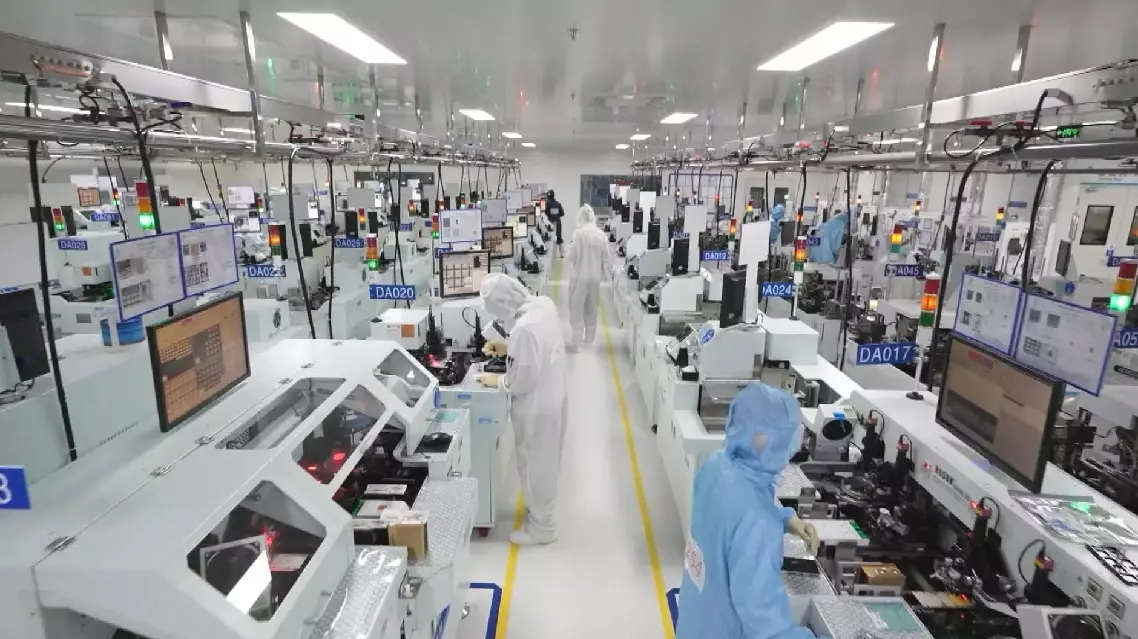
Experts call for leveraging AI, breaking key tech bottlenecks to propel advanced manufacturing