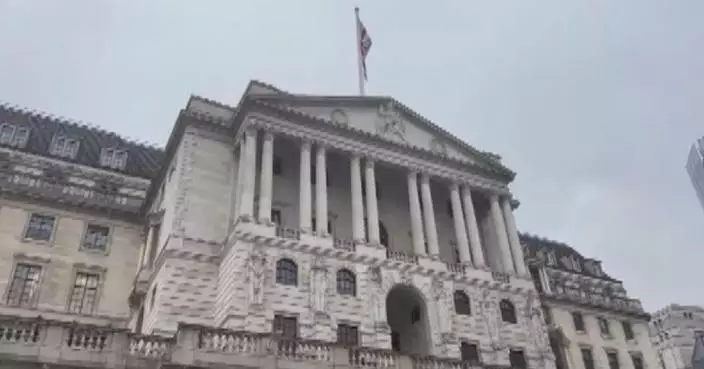
The Bank of Japan (BOJ) on Friday raised its policy interest rate by 0.25 percentage points to 1.25 percent, the highest in about 31 years, following a two-day board meeting.
The central bank lifted the rate again after increasing it to 1.0 percent at its June policy meeting, the shortest interval between increases since the BOJ began the current rate hike cycle in March 2024.
The decision came amid mounting concerns that Japan's inflation could overshoot the BOJ's expectations, as the yen's slide to its lowest level in decades against the U.S. dollar has driven up import costs, while the prolonged Middle East conflict and disruptions to shipping through the Strait of Hormuz have sent crude oil prices surging.
Two of the BOJ's nine policymakers voted against the rate hike.
Rising interest rates would push up borrowing costs for both businesses and households, potentially weighing on economic activity and posing a challenge for the BOJ's efforts to contain inflation without hampering growth.
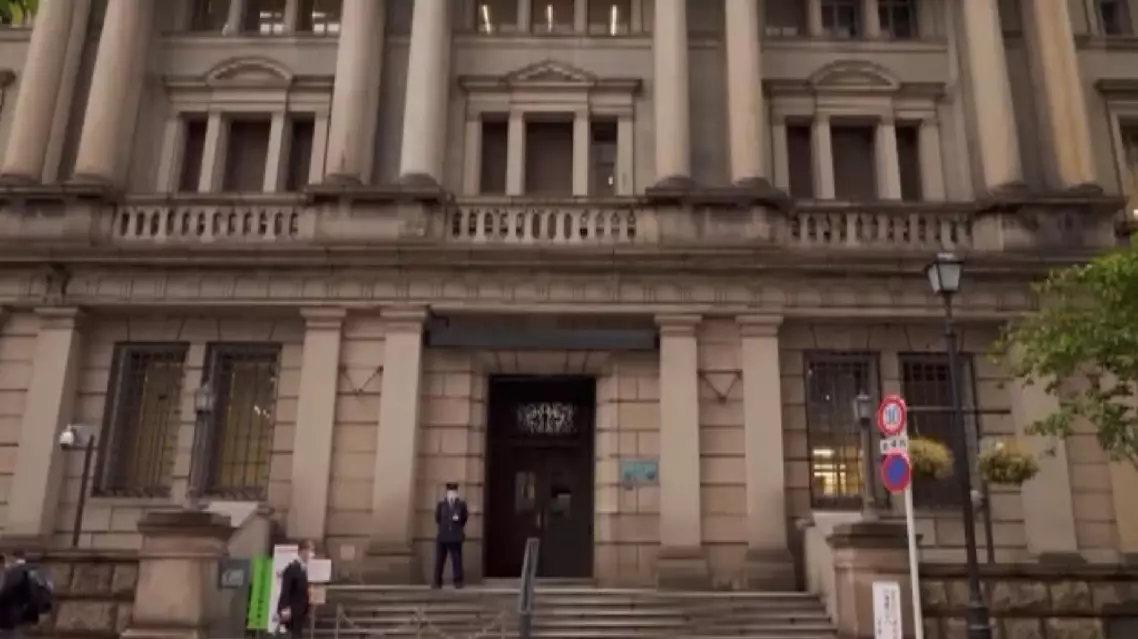
Japan's central bank lifts policy rate to 31-year high of 1.25 pct