The parents of a 23-year-old woman who was fatally struck after her Uber driver pulled over along a southern California highway were awarded $40 million after an arbitrator found both Uber and the driver liable for her death.
Carol Normandin and Ken Parker said Friday that they hope the amount will put a spotlight on the 2023 death of their daughter, Emily Normandin-Parker and to use the money to advocate for strengthening safety standards and transparency in the ride-hailing industry.
“I want to do good with it,” Parker said of the money, but “I never wanted it. No parent would ever want it. The best thing about it is that it's bringing attention to the issue that sorely needs attention.”
On the night she was killed, Normandin-Parker had ordered the Uber for her and her friend to get home after spending a night out drinking alcohol. When the friend got sick and vomited, driver Vu Tran pulled over on the side of Route 73 in Orange County and all three got out of the car before Normandin-Parker was hit by traffic.
During arbitration, Uber had argued that it’s a technology platform connecting riders with “independent third-party drivers,” according to the independent arbitrator, Richard Stone. But Stone, a retired judge, wrote that he rejected that argument and found Uber was “vicariously liable” for the driver’s negligence.
Uber disagreed.
“While we respect the arbitration process, we believe the arbitrator was wrong in holding Uber legally responsible for the tragic events of that night,” the company said in a statement, adding that they have continued to “strengthen our approach to safety over the years.”
Attorneys who represented Tran at the arbitration hearing did not immediately respond to an email seeking comment.
The arbitration document, dated in July, was released by Normandin and Parker's attorneys this week. Stone decided Uber and Tran were jointly responsible for $20 million to each parent.
There are holes in what ultimately happened “in those crucial moments,” the arbitrator wrote, as “no one presented entirely credible testimony.” But the evidence shows Tran pulled into a gore point — the area between a ramp and the road — and began to argue with Normandin-Parker's friend outside of the car, according to Stone.
Neither saw traffic hit Normandin-Parker.
“In a fit of anger, he needlessly placed them (and himself) in danger by illegally stopping in the gore point when he could have easily … stopped in a safe place instead alongside an active freeway at night,” Stone wrote. “Tran then abandoned those two young women, whom he knew to be intoxicated and whom he had kicked out of his car in his anger over what had transpired, in that spot.”
After Tran left the scene, GPS data shows he pulled over at the next exit and called Uber about securing a cleaning fee, Stone said.
California law allows Uber and other ride-sharing platforms to treat their drivers as independent contractors, but Stone rejected the idea that that absolves Uber of liability. Uber should “learn from this tragic incident” and change its approach to passenger safety, Stone wrote.
“Should it fail to do so, it no doubt engages in that approach at its own substantial risk,” he said.
The case went through arbitration because Uber’s terms of service, which riders agree to when they sign up, require claims or disputes be resolved with the private resolution process. The arbitrator's decision, unlike a court ruling, does not establish legal precedent.
Uber said in its statement that it continues to invest in safety with “new technology, policies and safeguards” and guidance to drivers on avoiding unsafe drop-off locations and said its work on safety “is never finished.”
Normandin and Parker remembered their daughter for her creativity, sense of humor and kindness. She was a writer, working on being a playwright, an older sister and an advocate for others. They established the Emily Normandin-Parker Foundation and said they will also be using the money to fund scholarship and mentorship opportunities and to support LGBTQ+ organizations.
They criticized Uber's response as a reflection of the company's “pathological inability to admit responsibility.”
“They're focused on their bottom line, to the detriment of safety,” Parker said. “They don't care about safety. They care about money.”
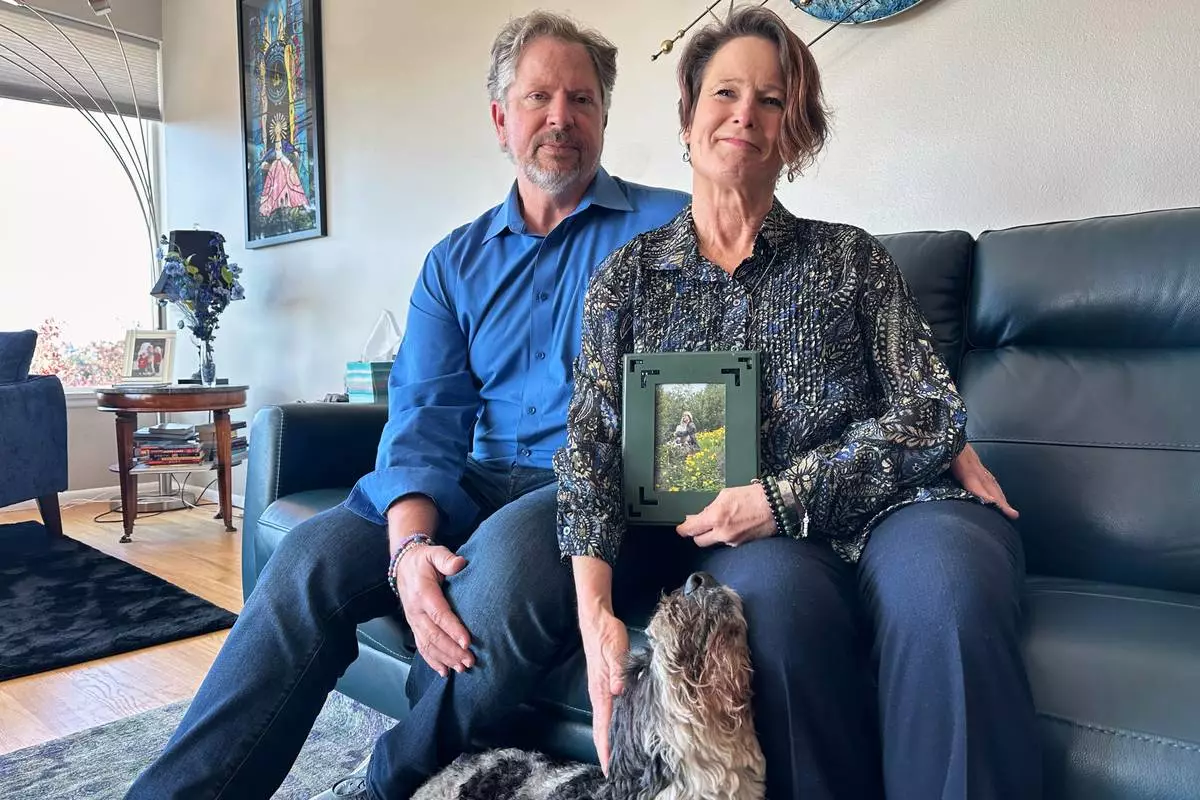
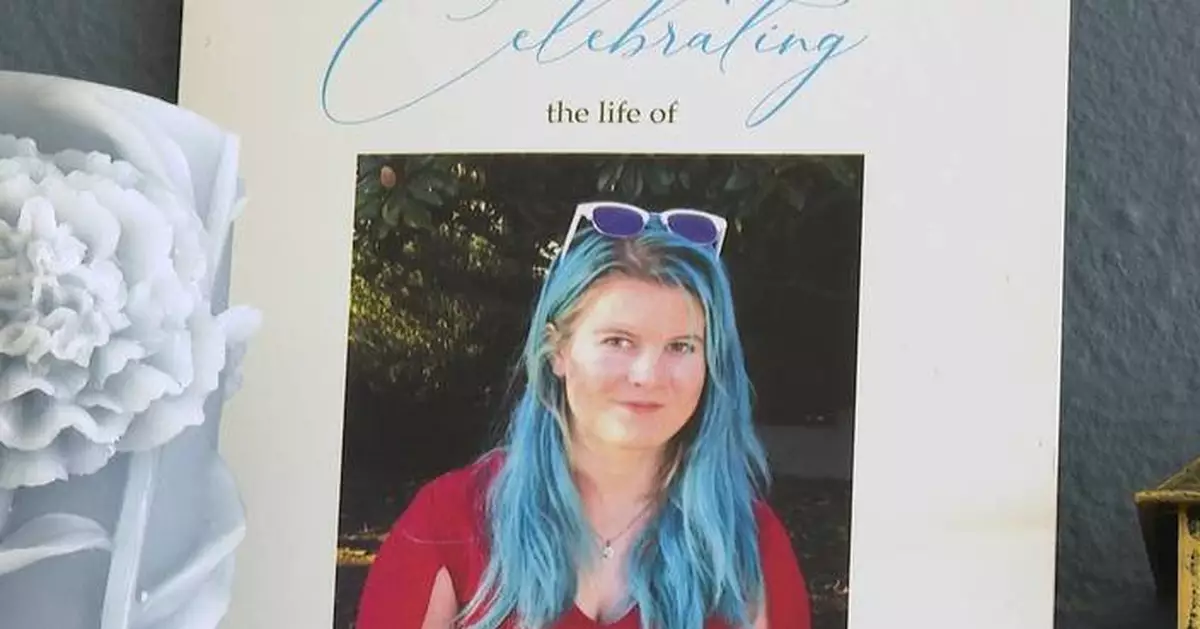
In this photo taken with a smartphone, Ken Parker and Carol Normandin pose for a portrait with their dog, Trooper, and a photo of their late daughter, Emily Normandin-Parker, in Seattle on Friday, Sept. 18, 2026. (AP Photo/Manuel Valdes)
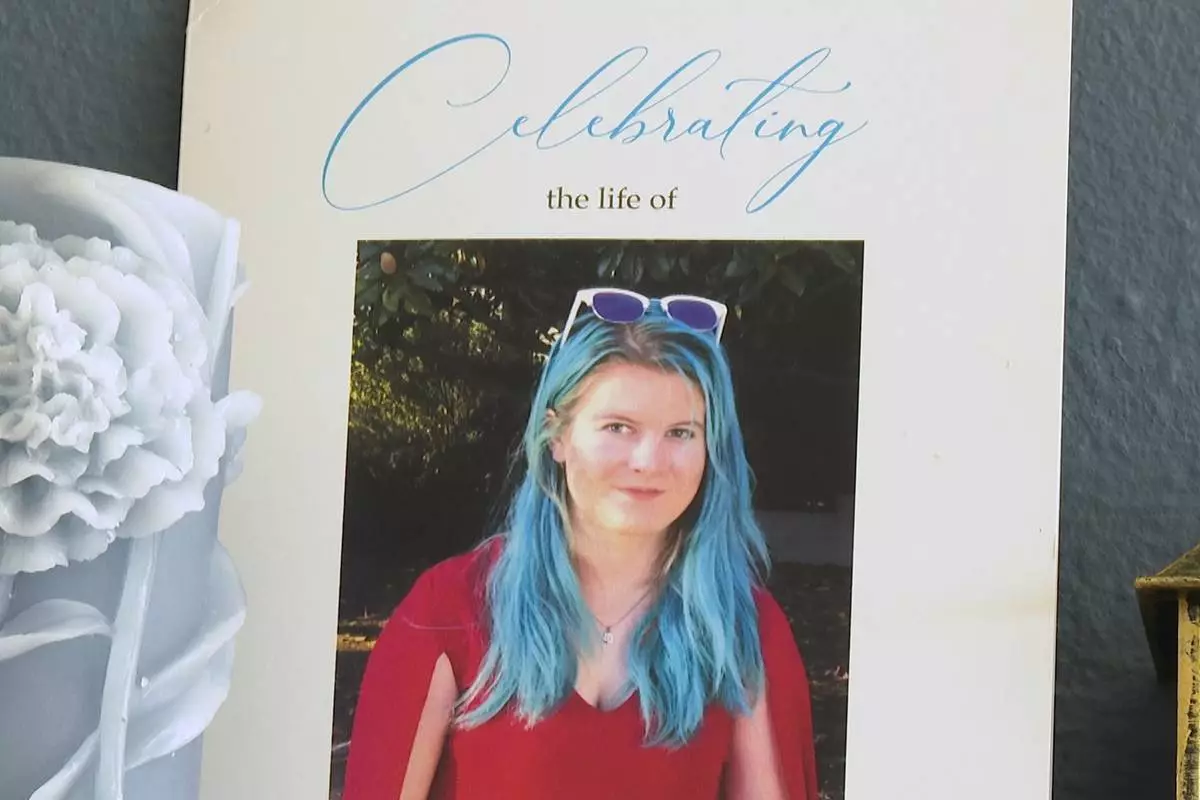
This image from video shows a photo of Emily Normandin-Parker on her memorial program at her parents' home in Seattle, Friday, Sept. 18, 2026. (AP Photo/Manuel Valdes)
NEW YORK (AP) — President Donald Trump said Friday that he was barring CNN, MS NOW and Politico from the White House due to what he called unfavorable coverage and “fake news,” and threatened that more such media bans could be coming — the latest salvo in the president's increasingly aggressive response to media coverage he finds unfavorable.
Like many of Trump's other confrontations with news organizations — some of which are playing out in the legal arena — this threat has potential First Amendment implications. There was no immediate indication, though, that he was following through.
Trump wrote on his social media site that effective immediately, “I am banning” CNN, MS NOW and Politico “from the White House as a result of their constant ‘reporting’ FAKE NEWS!” Minutes later, speaking at an event in the Oval Office, Trump was asked to explain his statement.
“Because they’re fake news,” he said. “You get so tired of reading and seeing fake news. When you look at CNN, it’s just fake. That’s why their ratings are no good. When you look at MS NOW … , it’s fake news.”
“And when you look at Politico ... the stories they wrote are fake. So there’s a lot of news and there may be others to join them, and maybe they can get better," he said. "But our country has to have honest news.”
He gave no further details on how the ban would be implemented. Journalists from CNN, MS NOW and Politico were still on the White House grounds as of late Friday afternoon with no signs of being removed.
CNN denounced the move, saying it stands behind its White House team and their “fair and accurate reporting.”
“We have a right under the U.S. Constitution to do that reporting without hindrance or interference from the government,” it said in a statement posted on X. “Should the ban which President Trump threatened go ahead, it would be an illegal assault on that fundamental and constitutionally-protected right.”
Politico said it would “continue to fairly report on this White House and future ones. We will vigorously defend our First Amendment rights against any attempt to restrict them.” MS NOW did not immediately return an email asking about the ban.
In his second term, Trump and his administration have upped the ante and punished certain media outlets, both in the courtroom and through regulatory action. Trump has also lashed out at individual reporters in person or over social media, sometimes in strikingly personal terms.
The move follows the president's decision last year to bar Associated Press reporters from the Oval Office, Air Force One and other events in retaliation for the news outlet’s decision not to follow his lead in changing the name of the Gulf of Mexico, which lies partially in Mexican and other waters. The AP said that it would note when appropriate that Trump had ordered it renamed the "Gulf of America."
The AP filed suit and the case is ongoing. Since returning to office, Trump has pursued other legal action against a variety of different outlets, including The New York Times, The Wall Street Journal and the BBC. His administration is also involved in a long-simmering confrontation involving ABC over renewal of its broadcast licenses.
Trump seeking to block White House access for CNN is especially notable, as it could upend the traditional five-network television pool that travels with the president and tracks his every move — meant to provide independent coverage of his actions and interactions for the Americans who elected him and for the world. CNN was traveling with the vice president on Friday to Iowa.
The National Press Club was one of several groups immediately criticizing Trump's threatened action. “Banning news organizations from the White House based on the administration’s disapproval of their coverage is a clear attempt to control which voices are allowed to witness and report on the exercise of presidential power,” said the group's president, Mark Schoeff.
In legal terms, that's called “viewpoint discrimination” — the government singling out specific media outlets for the content of what they say or publish. That legal principle is at issue in many of the court cases around Trump's treatment of the media,.
“Someone needs to explain to President Trump how the First Amendment works,” said Tim Richardson, journalism and disinformation director at PEN America. “As we’ve seen time and time again, this administration’s hostility toward the press is never about the accuracy of news stories, but about its inability to withstand scrutiny of its actions."
And Seth Stern, chief of advocacy at Freedom of the Press Foundation, said it was “difficult to imagine a more blatant violation of the First Amendment than Trump banning news outlets from the People’s House for criticizing the government.”
He added: "These outrageous attacks only demonstrate how scared he is of an informed public.”
In his social media announcement, Trump did not provide details on how the ban would be implemented.
It came moments before he spoke to reporters in the Oval Office as part of a health care event. He later planned to take the press pool to his golf club in Virginia for a meeting and dinner sponsored by his Super PAC before spending the weekend at Camp David — one of the few places reporters don’t follow him.
“Media Outlets shouldn’t be able to constantly write or report FICTION and LIES when they’re covering the President of the United States, the Trump Administration, or the United States of America,” Trump wrote. “Other Fake News Media Outlets to follow.”
At the event, Trump doubled down on his opinions about various media outlets.
"The New York Times is so fake. Washington Post is disgusting,” he said.
Trump's defense secretary, Pete Hegseth, applauded the decision in a post on X. “The Department of War fully supports President Trump’s decision to kick CNN, MS NOW and Politico to the curb so they can publish their Fake News from outside the White House,” Hegseth wrote.
In the 1977 case Sherrill v. Knight, a federal appeals court ruled that although the White House is not required to open its doors to the news media, once it establishes press facilities for credentialed journalists, it cannot deny access based on the content of a journalist’s coverage.
The court held that any denial must serve a compelling government interest and that the journalist must receive notice, the chance to respond and a final answer in writing.
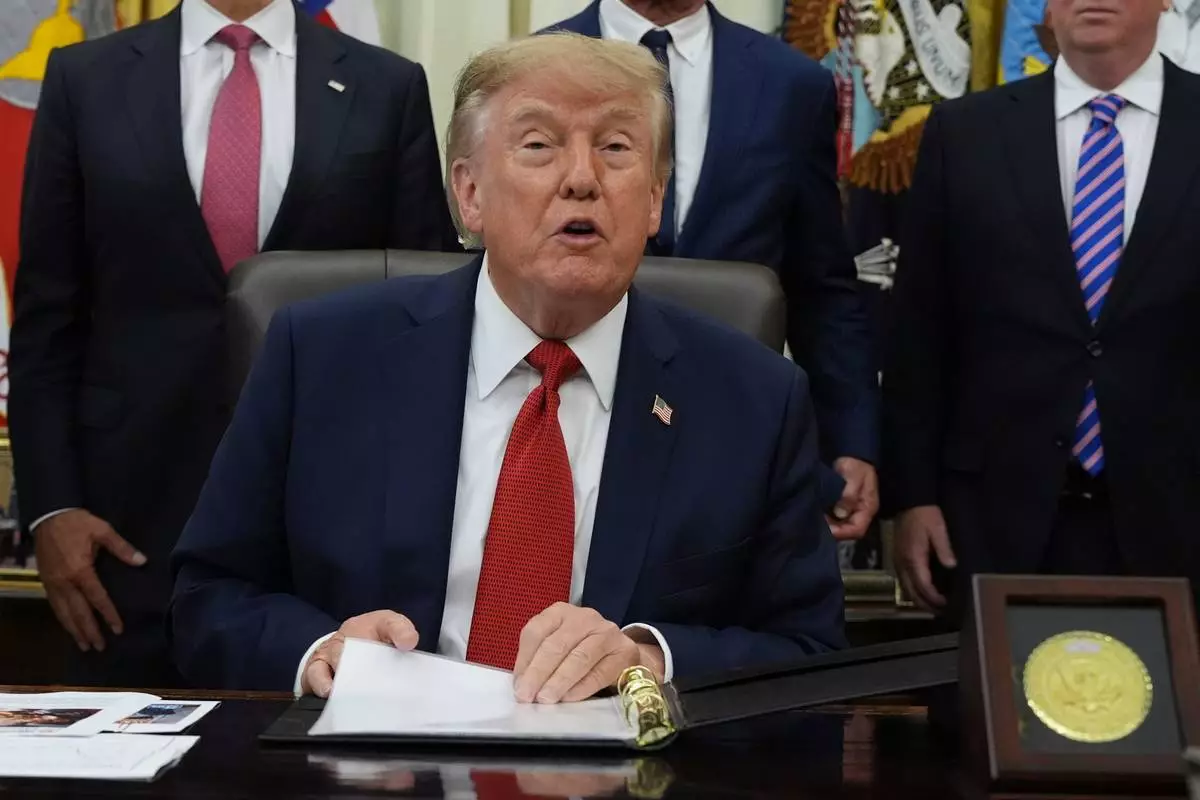
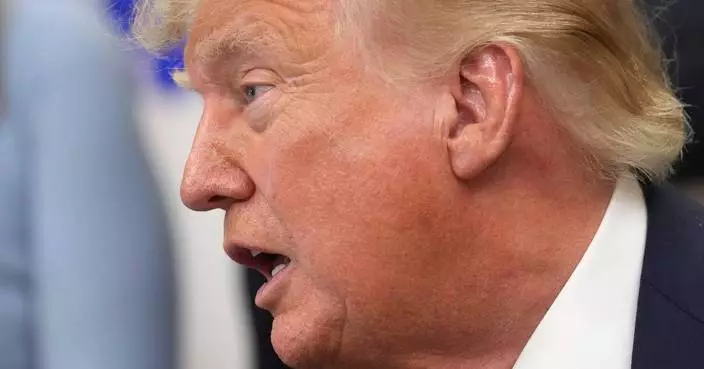
President Donald Trump speaks about healthcare in the Oval Office of the White House, Friday Sept. 18, 2026, in Washington. (AP Photo/Jacquelyn Martin)
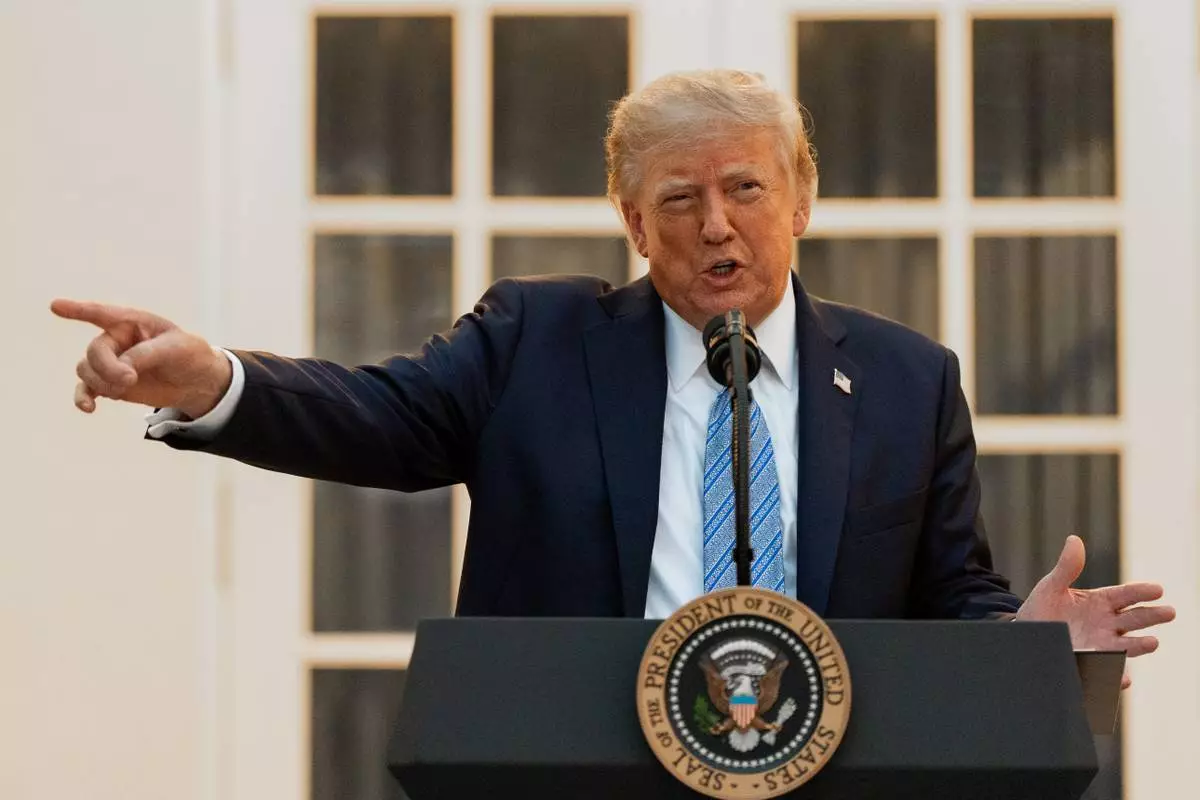
President Donald Trump speaks during a dinner in the Rose Garden of the White House, Thursday, Sept. 17, 2026, in Washington. (AP Photo/Alex Brandon)