U.S. President Donald Trump on Friday signed into law the "Lindsey O. Graham Sanctioning Russia and Iran Act of 2026," according to a White House release on Friday.
The act authorizes and expands statutory sanctions, tariffs and prohibitions on Russia while extending existing sanctions on Iran.
The U.S. House of Representatives passed the bill on Wednesday after the Senate passed it on Aug 7.
The measure would impose sanctions on Russian officials, banks and vessels used to transport Russian energy. It also authorizes Trump to impose tariffs of up to 100 percent on goods from the five largest importers of Russian oil or natural gas.
It also extends the Iran Sanctions Act by five years, maintaining sanctions targeting Iran's energy and weapons sectors.
Speaking about Iran the same day during an oval office press conference, Trump said the war would end "soon," reiterating that Iran will not be allowed to possess nuclear weapons. He also said that once the war with Iran ends, gasoline prices will fall back to previous levels or even lower. Meanwhile, Trump said that the United States is in contact with Yemen's Houthi armed group.
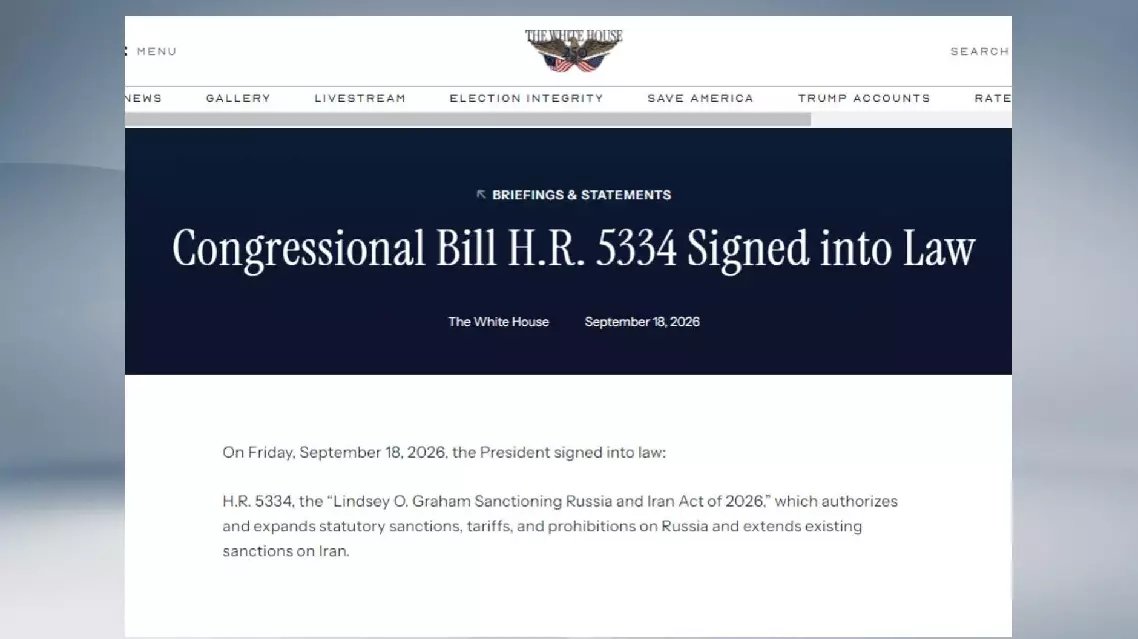
Trump signs bill expanding Russia sanctions, extending Iran measures
Escalating armed conflict in the eastern Democratic Republic of the Congo (DRC) has displaced more than 70,000 people and strained local communities and humanitarian access, the UN Office for the Coordination of Humanitarian Affairs (OCHA) said on Friday.
The OCHA said the intensifying hostilities in North Kivu and South Kivu provinces have triggered large-scale displacement, heaping mounting pressure on local livelihoods and public services.
According to OCHA, the surge in violence since mid-August has driven over 70,000 people to flee their homes and take refuge in the Walikale territory of North Kivu.
The mass influx of displaced populations has severely overstretched local basic public services, placing a heavy burden on host communities across the region.
Compounding the crisis, the worsening security situation has not only restricted civilian mobility in affected zones, but also severely hampered the delivery of life-saving humanitarian assistance.
OCHA renewed its call on all parties to the conflict to protect civilians and ensure safe, unimpeded humanitarian access so that life-saving supplies can reach affected populations without delay.
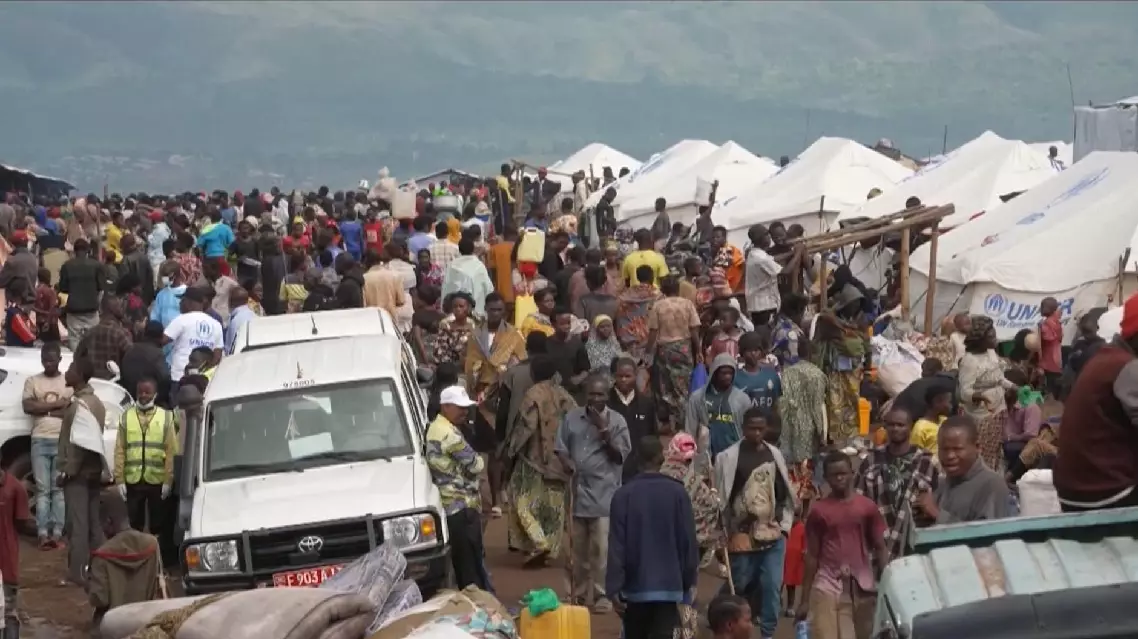
Escalating conflict in eastern DRC displaces over 70,000 civilians: UN