Pakistan has introduced a new round of fuel-saving measures as surging international oil prices put mounting pressure on the country's energy supply, transportation costs and household livelihoods.
Under the measures, government departments will cut fuel supplies for official vehicles by 50 percent for three months.
Shops, markets, shopping centers and bazaars will close by 21:00, while restaurants and cafes will shut by 23:00.
The measures come as domestic fuel prices have risen sharply over the past 15 days.
The price of gasoline has increased by about 37 Pakistani rupees (about 0.13 U.S. dollars) per liter, bringing the retail price close to 400 rupees (about 1.44 U.S. dollars) per liter.
"When I come to school, and I came today on Indrive app, the usual fare which varied from 400 to 500 is now showing 700 to 800," said a local resident.
"Most of the money we earn with one day's hard work will be given to the gas station. After a day's work, I can only make around 500-1,000 rupees or even no profits, so I can only go home empty-handed," a taxi driver noted.
The energy price increases have raised transportation costs and added to household expenses.
In the capital Islamabad, much of the fruit, vegetables, fresh produce and other daily necessities are transported from other parts of the country.
Higher fuel prices have therefore pushed up logistics costs, which have been passed on to consumers, contributing to broader increases in the prices of essential goods.
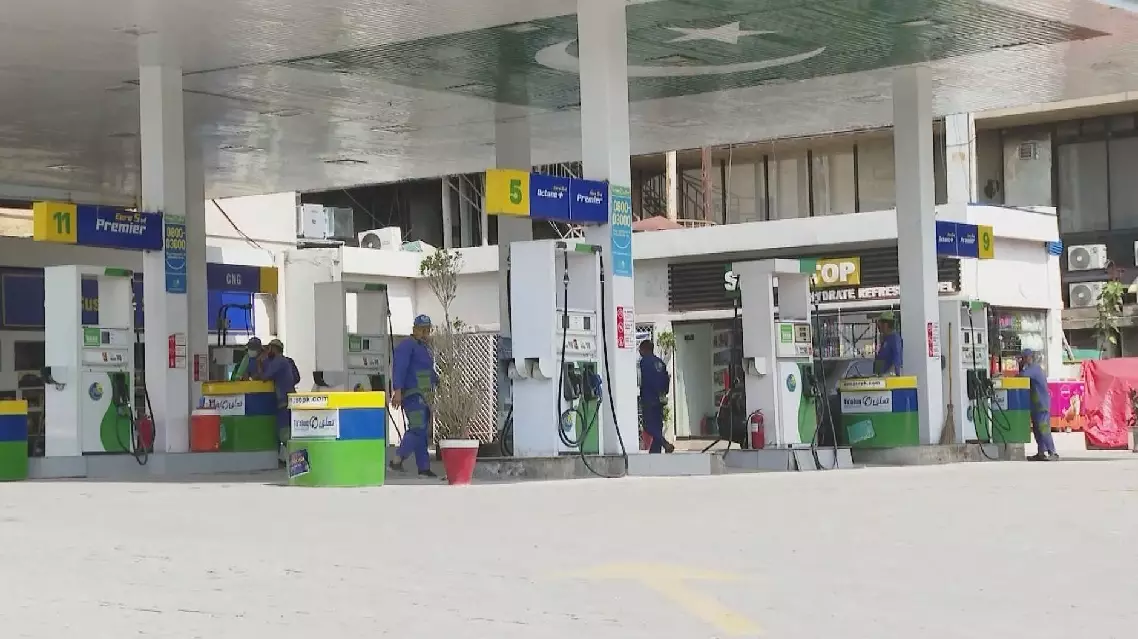
Pakistan rolls out fuel-saving measures amid soaring oil prices
Angola's National Assembly President Adao de Almeida said his landmark visit to China, highlighted by the signing of a memorandum of understanding between the two countries' legislatures, will strengthen the two nations' comprehensive strategic cooperative partnership and deepen their traditional friendship and cooperation.
Almeida led a delegation to China from September 9 to 16 at the invitation of China's National People's Congress (NPC). He spoke about the significance of his visit in an exclusive interview with China Media Group.
"First, thank you for giving me this opportunity to speak in this interview about relations between Angola and China. This is my first visit to China as President of Angola's National Assembly at the invitation of China's National People's Congress. It is also the first visit to China by a president of Angola's National Assembly in nearly 20 years," he said.
The visit produced concrete results. On September 11, the two countries' legislatures signed a memorandum of understanding to institutionalize parliamentary exchanges and support broader bilateral relationship.
"Today [September 11], our two sides signed an important document of cooperation, the Memorandum of Understanding between the National Assembly of Angola and the National People's Congress of China. We will establish Angola-China Friendship Groups and also friendship groups of our respective legislatures and make full use of them to facilitate communication and maintain regular consultations on issues of common concern. As you know, [Chinese ] President Xi Jinping and [Angolan] President Joao Lourenco have maintained strategic communication. The memorandum will not only promote exchanges between our two legislatures, but also support our countries' diplomacy and help translate into reality the vision set out by our leaders for bilateral relations," he said.
Looking back over decades of engagement, he underscored China's role as a partner in Angola's postwar reconstruction and the importance he attaches to Chinese investment.
"Since Angola and China established diplomatic relations in 1983, our relationship has continued to move forward with the times. With the end of years of armed conflict and the restoration of peace in Angola during the 2002-2003 period, the bilateral relations deepened further. China became an important partner in Angola's postwar reconstruction, and we need to attach greater importance to Chinese investment in Angola. Our ties have now been elevated to a comprehensive strategic cooperative partnership. This visit is therefore highly significant. It has added a new dimension to bilateral relations through cooperation between our legislatures, while further deepening the traditional friendship and cooperation between our two countries," he said.
Angola lies on the southwestern coast of Africa, bordering the Republic of the Congo and the Democratic Republic of the Congo to the north, Zambia to the east and Namibia to the south, with the Atlantic Ocean to its west. Endowed with fertile land, a network of rivers and rich fishery resources, the country relies on oil and diamond mining as pillars of its national economy.
China and Angola established diplomatic relations in 1983, and elevated their ties to a comprehensive strategic cooperative partnership in 2024.
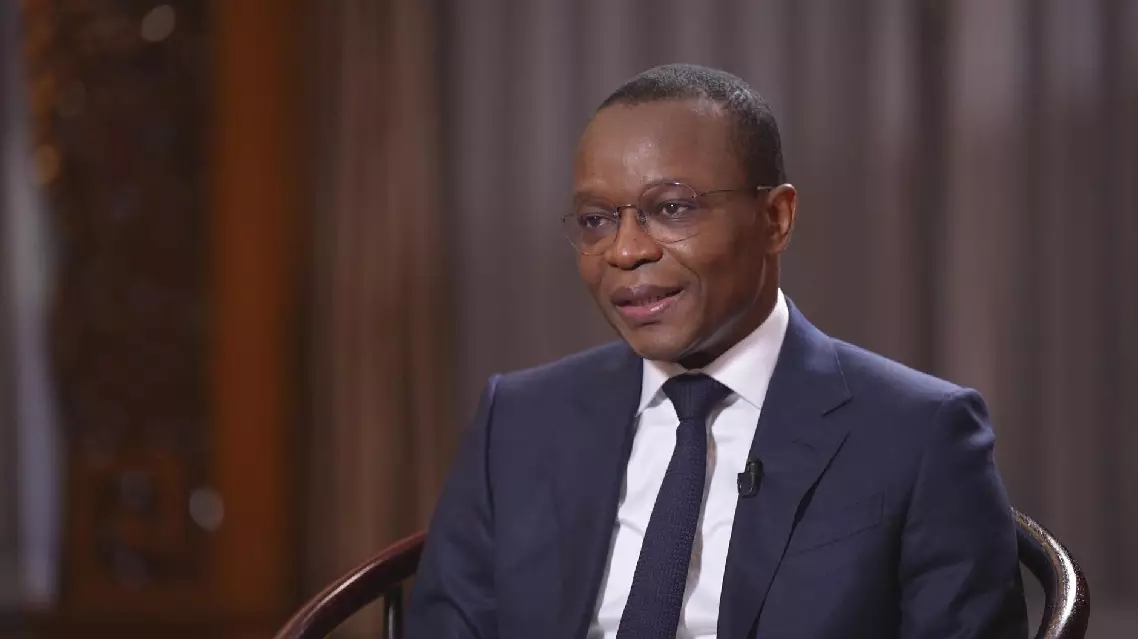
Angola's parliament president eyes deeper friendship, cooperation with China