Mike Babcock last coached an NHL game in November 2019. His biggest accomplishments in the sport so far were guiding Canada to gold at the Olympics in 2010 and 2014 and the Detroit Red Wings to the Stanley Cup in 2008.
All these years later, the Edmonton Oilers are turning to Babcock to be the person to get Connor McDavid and Leon Draisaitl the championship that has eluded two of the best hockey players in the world for more than a decade.
Click to Gallery
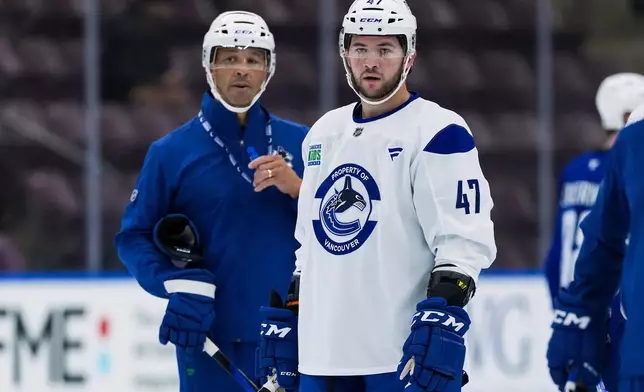
Vancouver Canucks' Paul Cotter (47) and head coach Manny Malhotra, left, look on during opening day of the NHL hockey team's training camp in Penticton, British Columbia, Thursday, Sept. 17, 2026. (Darryl Dyck/The Canadian Press via AP)
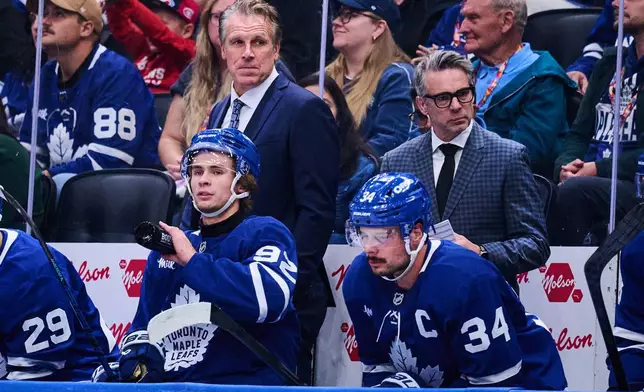
Toronto Maple Leafs head coach Jim Hiller, top left, looks on past Gavin McKenna (92), left, and Auston Matthews (34) during second period NHL pre-season hockey action against the Montreal Canadiens in Toronto, on Saturday, Sept. 19, 2026. (Sammy Kogan/The Canadian Press via AP)
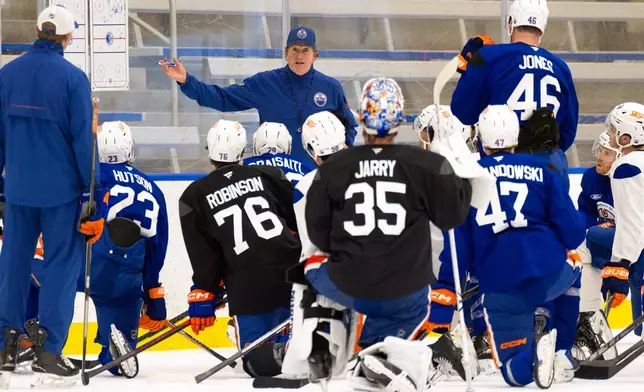
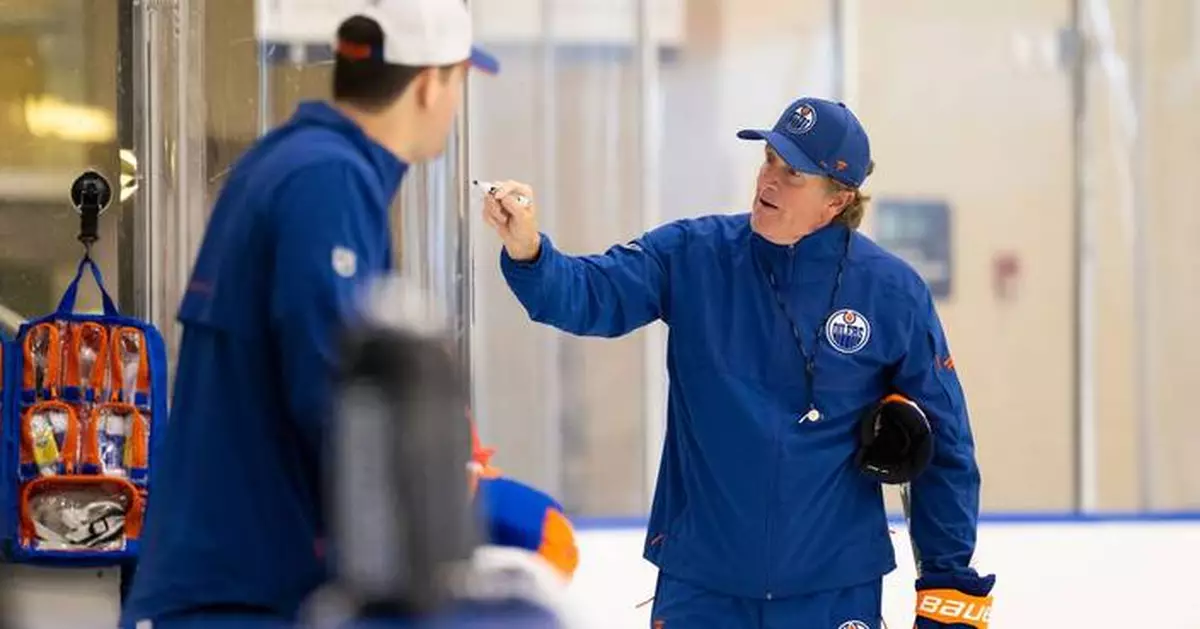
Edmonton Oilers' head coach Mike Babcock gives instruction during the NHL hockey team's training camp in Edmonton, Alberta, Thursday, Sept. 17, 2026. (John Ulan/The Canadian Press via AP)
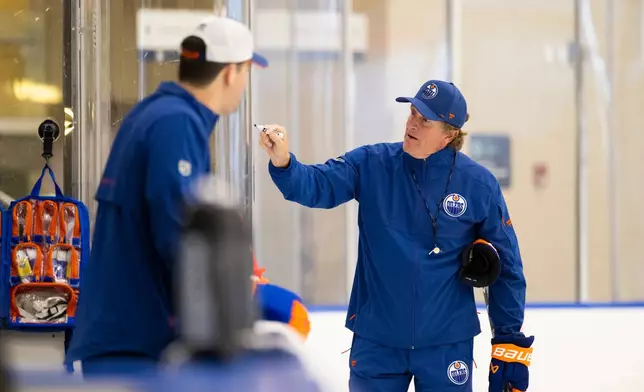
Edmonton Oilers head Coach Mike Babcock gives instruction during the NHL hockey team's training camp in Edmonton, Alberta, Thursday, Sept. 17, 2026. (John Ulan/The Canadian Press via AP)
Babcock, 63, is back in the league three years since taking over the Columbus Blue Jackets and resigning before training camp when his requests for personal photos from players in a bonding effort drew criticism as too invasive. He is old school, and that is what the Oilers wanted.
“He’s bringing experience and accountability," Oilers CEO of hockey operations Jeff Jackson said this summer. “That’s what we wanted on the organizational management side, and that’s what our players wanted -- our leadership group — so it all aligned."
Edmonton is among the Cup favorites largely because of McDavid and Draisaitl. After reaching the final in 2024 and ‘25, losing to Florida each time, getting knocked out in the first round of the playoffs this past spring spelled the end of Kris Knobaluch’s time behind the bench.
Knoblauch is calm and steadfast and got the ship going in the right direction when he replaced Jay Woodcroft in November 2023. But it was his first job in the NHL, and Babcock has tons of experience with 700 regular season wins and 90 more in the playoffs. Sidney Crosby, who played for Babcock for those back-to-back Olympic championships, recalled an organized coach who knew what he was doing.
“He was really good at kind of painting a clear picture of how he wanted us to play, what guys’ jobs were,” Crosby said. “Really good bench management when it came to matching lines and just a feel for if certain lines were going or certain guys were going: putting the right guys together, timeouts, just feel for the game.”
Babcock is one of five new coaches this season.
Like the Oilers, Pacific Division rival Los Angeles turned to a Cup-winning coach with deep experience in Peter Laviolette. Los Angeles is his seventh NHL organization two decades since he won it all with Carolina.
Getting another chance “says a lot about Lavy,” according to Nashville's Filip Forsberg, who played for Laviolette for six seasons from 2014-20, a stretch that included reaching the final in 2017.
“We had a lot of shenanigans off the ice to kind of keep the guys excited," Forsberg said, citing Laviolette hosting the Predators' annual poker tournament. “I loved him — just the way he can inspire people."
The Kings have made the playoffs five years in a row and lost in the first round each time. Laviolette is one of just four coaches in league history to make the final with three teams.
“We got a lot of veteran guys who’ve gone deep, who have won,” forward Quinton Byfield said. “They know what’s needed to make the next step, so I feel like there’s a lot there for us to be a threat.”
The Golden Knights fired Bruce Cassidy with seven games left last season and put John Tortorella in charge. They went on a run to the final before losing to Carolina, then announced Tortorella would not return.
Vegas promoted Ryan Craig from Henderson of the American Hockey League after three years coaching there. Craig was a Golden Knights assistant from their inaugural season in 2017-18 through their Stanley Cup championship in 2023.
"Unbelievable human being, super high character, really good communicator,” center Jack Eichel said. “I know he’s going to get the most out of our team, and it’s a well-deserved opportunity for him.”
Hiller was an assistant on Babcock's staff with the Maple Leafs from 2015-19 and coached the Kings from when he was a midseason replacement for Todd McLellan in '24 until being fired in March. New Toronto general manager John Chayka tabbed him as the successor to Craig Berube in what may have been the most surprising coaching hire of this cycle.
Familiarity may be his biggest strength, given that camps are shorter this year.
“Any time you have a little bit of continuity, it gets you past some of that kind of get-to-know-you phase,” said John Tavares, who has been with the Leafs since 2018. “For the few of us that have had him in the past, it kind of gets us off and running right off the get-go and get a good feel for who he is as a person and how he thinks and how approaches things.”
Adam Foote lasted just one season as coach of the Canucks, who finished last in the NHL. The rebuilt front office with general manager Ryan Johnson assisted by Daniel and Henrik Sedin promoted Manny Malhotra from the AHL's Abbotsford Canucks after he was in the running a year ago when Foote got the job.
Malhotra brings with him a work ethic that sustained him through a lengthy playing career and is a new voice for a young group looking to start getting better.
“There’s no gray area,” winger Brock Boeser said. “There’s black and white of what we’re supposed to do, what we're not supposed to do. I think that will help our team a lot.”
See AP’s full NHL coverage here
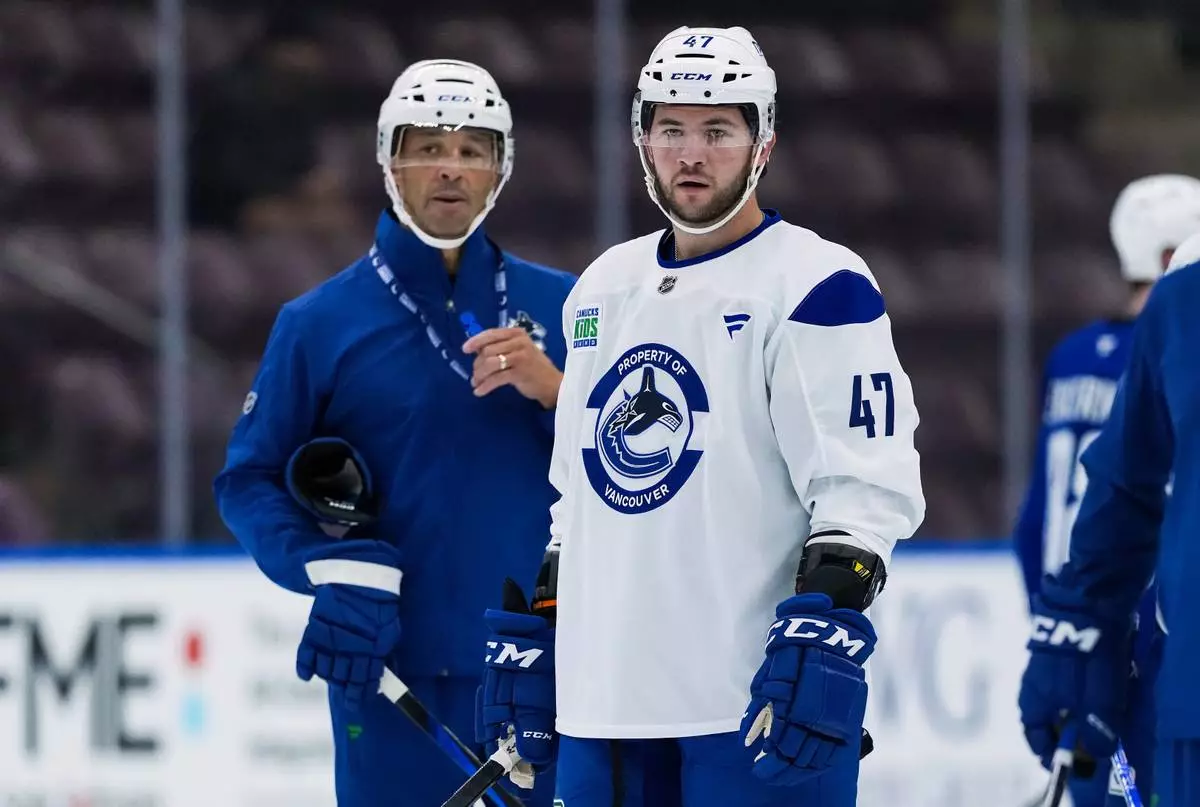
Vancouver Canucks' Paul Cotter (47) and head coach Manny Malhotra, left, look on during opening day of the NHL hockey team's training camp in Penticton, British Columbia, Thursday, Sept. 17, 2026. (Darryl Dyck/The Canadian Press via AP)
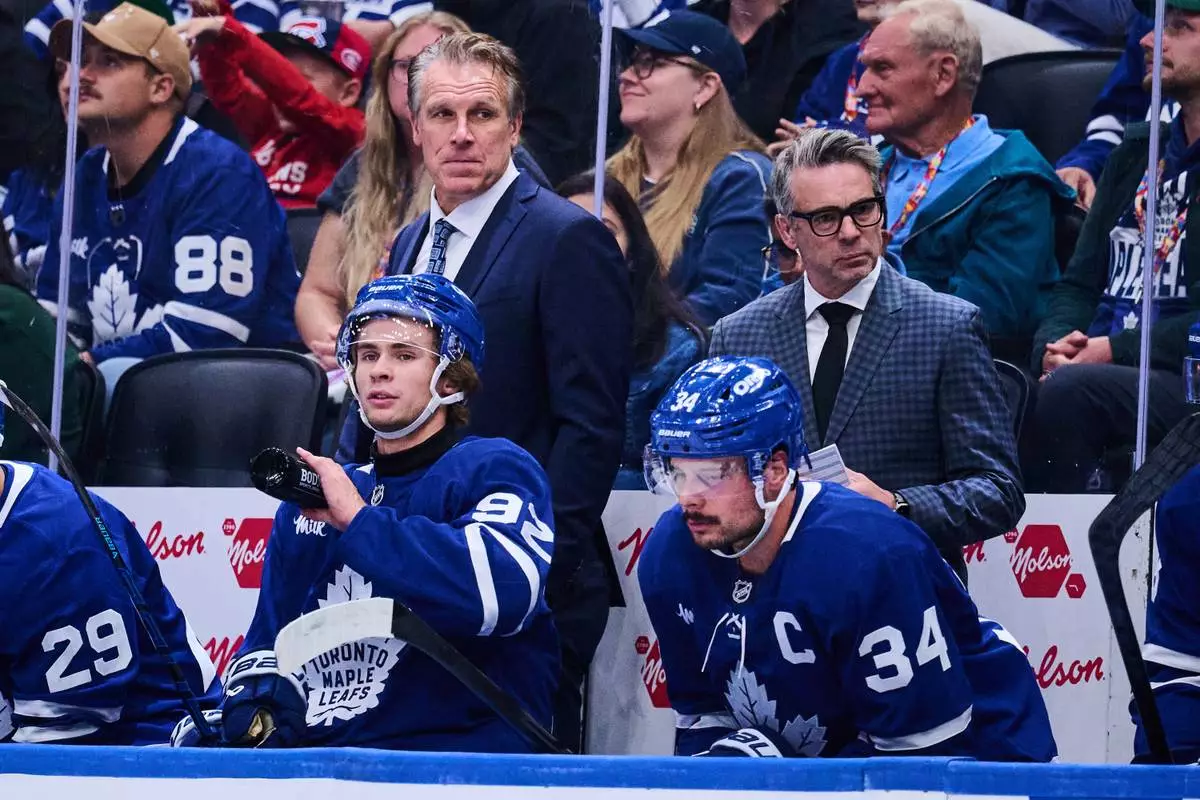
Toronto Maple Leafs head coach Jim Hiller, top left, looks on past Gavin McKenna (92), left, and Auston Matthews (34) during second period NHL pre-season hockey action against the Montreal Canadiens in Toronto, on Saturday, Sept. 19, 2026. (Sammy Kogan/The Canadian Press via AP)
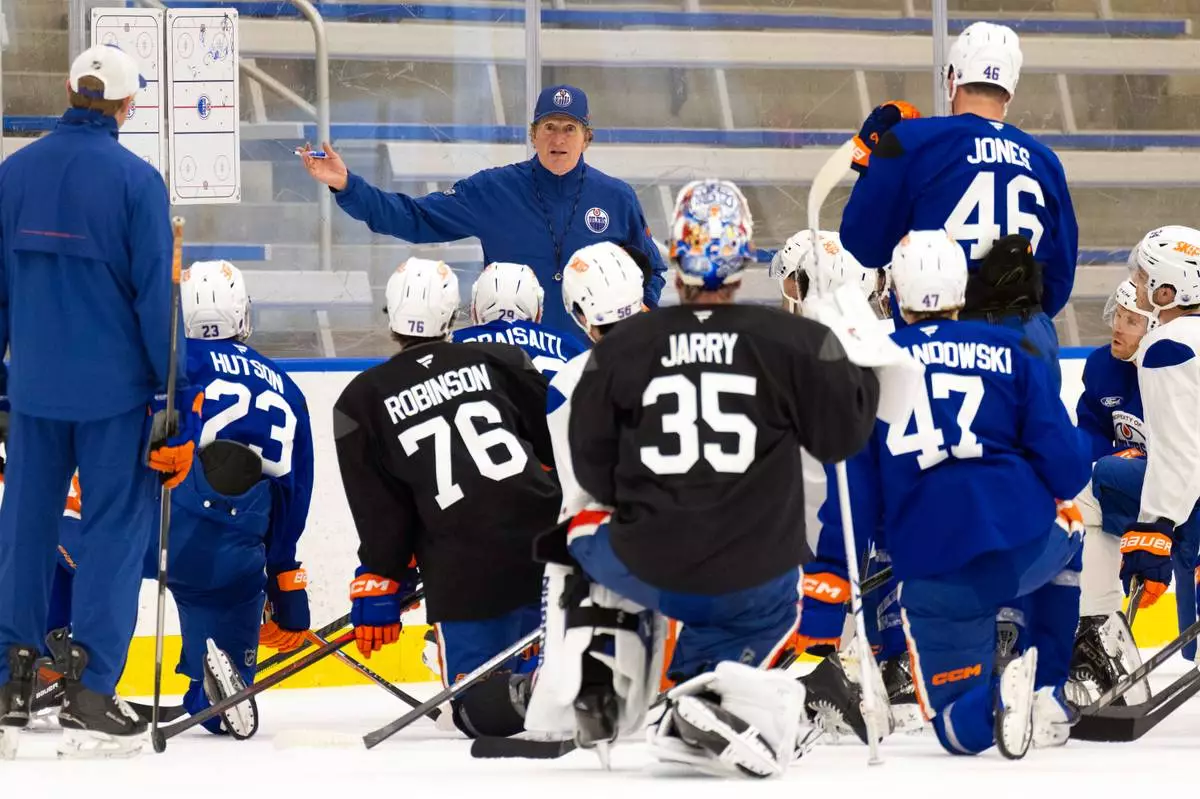
Edmonton Oilers' head coach Mike Babcock gives instruction during the NHL hockey team's training camp in Edmonton, Alberta, Thursday, Sept. 17, 2026. (John Ulan/The Canadian Press via AP)
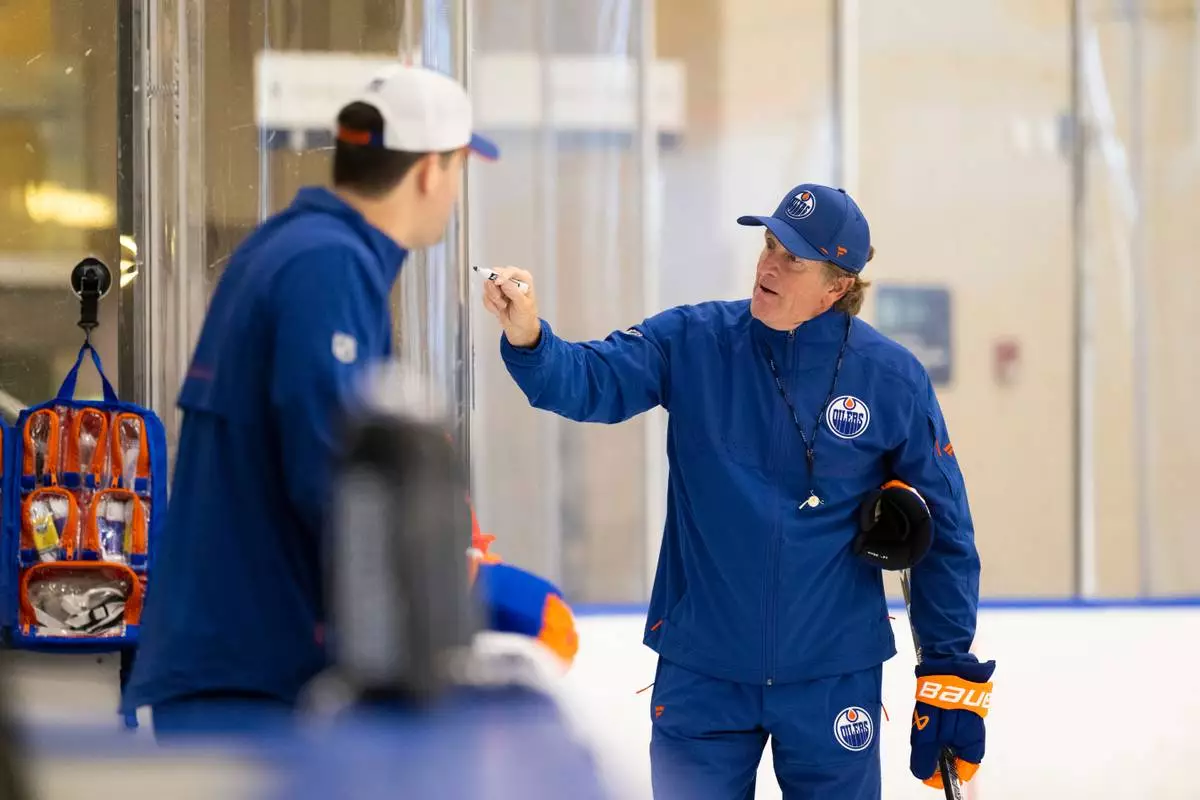
Edmonton Oilers head Coach Mike Babcock gives instruction during the NHL hockey team's training camp in Edmonton, Alberta, Thursday, Sept. 17, 2026. (John Ulan/The Canadian Press via AP)