Iran's gross domestic product (GDP) contracted by more than 10 percent year on year during the U.S.-Israel-Iran war, official data showed on Sunday.
According to the Statistical Center of Iran, the country's GDP, including the oil and gas sector, fell by 10.1 percent year on year from March 21 to June 20, a period corresponding to the first quarter of the Persian calendar year.
Meanwhile, GDP excluding oil and gas sector declined by 4.6 percent year on year during the same period, the data showed.
Iran has long been subject to Western economic sanctions and was already facing pressure from currency depreciation and inflation. After the United States and Israel launched military operations against Iran in late February, U.S. restrictions and sanctions on Iran were further intensified.
In late August, the U.S. Treasury Department announced a new round of sanctions against Iran.
In response, Iran's Ministry of Economic Affairs set up an "Economic War Command Center" to coordinate and speed up efforts to address economic challenges arising from the conflict.
On Feb. 28, Israel and the United States launched joint attacks on Tehran and other Iranian cities. Iran responded with waves of missile and drone attacks targeting Israel and U.S. bases and assets in the region, and tightened its grip on the Strait of Hormuz.
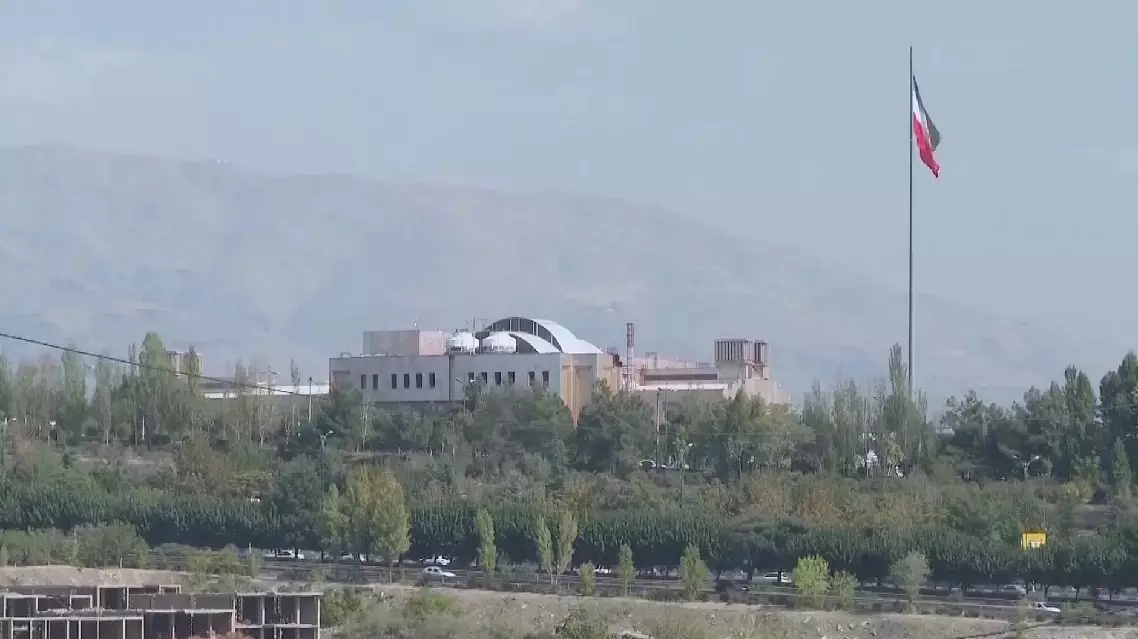
Iran's economy contracts more than 10 pct during war: official data
The 13th edition of the Africa Aerospace and Defence (AAD) exhibition concluded on Sunday in Pretoria, South Africa's administrative capital, highlighting technological innovation, industrial development, and international cooperation in the aerospace and defense sectors.
The five-day event was held at Air Force Base Waterkloof under the theme "Africa's Gateway to Defence and Aerospace Collaboration."
More than 250 exhibitors from Africa, Asia, Europe, and North and South America participated in this year's event.
During the exhibition, the Chinese defense enterprises' exhibition area attracted considerable attention, showcasing a wide range of leading aviation equipment.
The J-10CE fighter jet, the JF-17 Thunder fighter jet, and the Y-20 transport aircraft brought by the Aviation Industry Corporation of China (AVIC) drew strong interest from visitors.
"We are hopeful that our engagements with China will assist us as Africa to advance. And what is much more important is the non prescriptive type of approach and posture that China has. I mean it's coming in where to engage with us as equal partners, which is much more important, and that we will remain grateful for and will continue engaging with the people of China," said Moeti Mohwasa, Botswana’s Minister for State President.
Held biennially, the AAD combines a trade exhibition with an air show, serving as a platform for promoting international collaboration, trade and investment in Africa's aerospace and defense industries.
This year's edition featured three trade days from Wednesday to Friday, followed by two public air show days over the weekend.
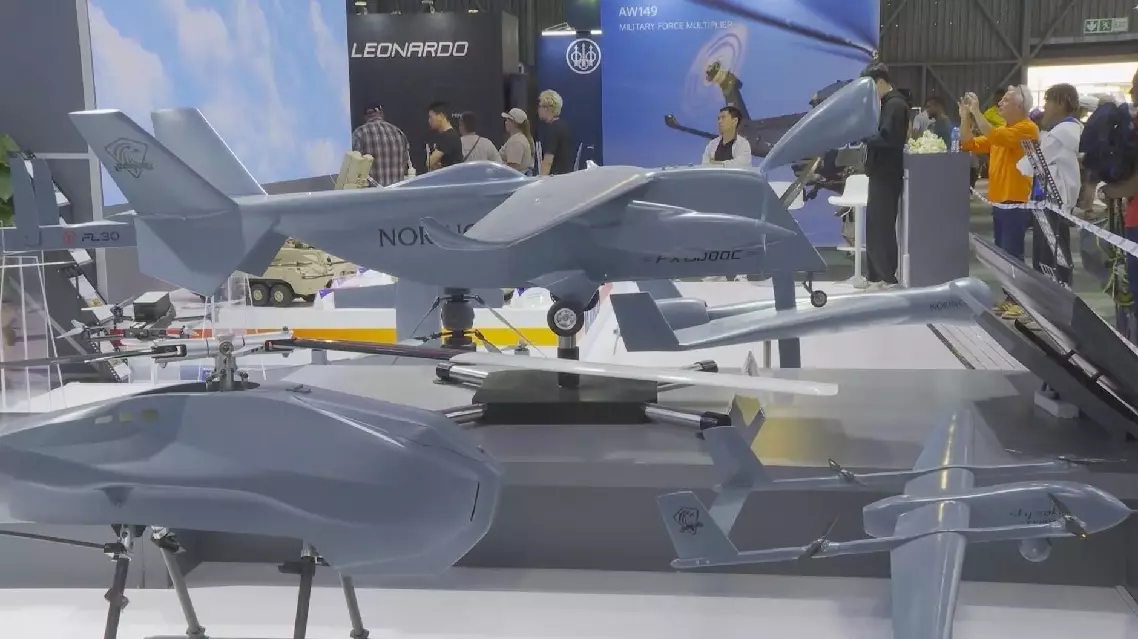
AAD 2026 concludes in South Africa, highlighting innovation, defence cooperation