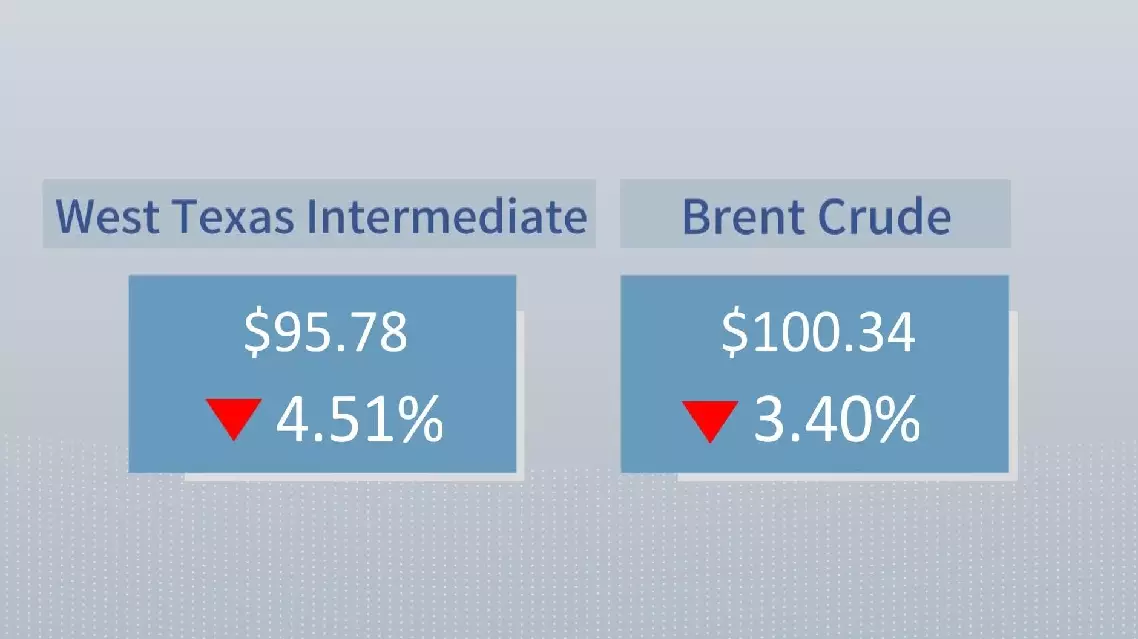
International oil prices fell for the fourth consecutive trading day on Monday as market concerns over tensions in the Middle East continue to wane, easing worries on global energy supplies.
The West Texas Intermediate for October delivery lost 4.52 U.S. dollars, or 4.51 percent, to settle at 95.78 dollars a barrel on the New York Mercantile Exchange.
Brent crude for November delivery dropped 3.53 dollars, or 3.4 percent, to settle at 100.34 dollars a barrel on the London ICE Futures Exchange.
On Sunday, U.S. President Donald Trump said in a phone interview that Washington is in "constant communication" with Yemen's Houthi group, which has agreed not to fight the United States.
Trump also said that that he would "probably be open" to meeting Iranian President Masoud Pezeshkian on the sidelines of the United Nations General Assembly in New York this week.
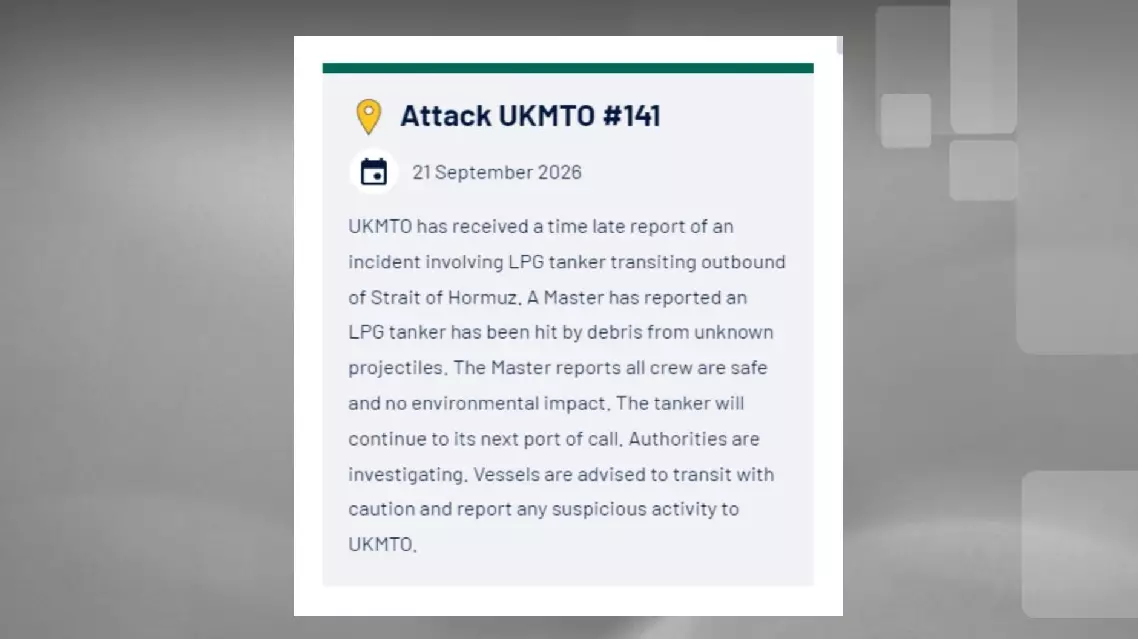
Ryan McKay, director of commodity strategy at TD Securities, noted that exports through the Strait of Hormuz have steadily risen with flows from the broader Middle East reaching about 80 percent of pre-war levels.
Without a major escalation, "Iran may have lost notable leverage in the Strait", said McKay.
But the security situation in the region remains volatile and prone to sudden escalation. The oil market "is grappling with multiple near-term drivers that have been a tug of war for prices," he said.
Meanwhile, Saudi Arabia's East-West Pipeline is expected to partially resume operations in the coming days.
The Saudi Ministry of Energy previously announced that the vital pipeline, which carries crude oil from its eastern fields to the Red Sea port of Yanbu, bypassing the Strait of Hormuz, was preemptively shut down after facing multiple attacks in the Riyadh and Medina regions.
Oil prices fall for 4th consecutive trading day on easing Middle East tensions