As the 48th WorldSkills Competition is poised to open in Shanghai, Chinese competitors and coaches in the fashion technology category have been making their final preparations, with fundamental skills and the ability to adapt and design being the most emphasized factors.
The biennial WorldSkills Competition, the world's largest and most influential vocational skills event, has been held 47 times. This year's edition, running from Tuesday to Sunday in Shanghai, will feature more events and competitors than any previous editions.
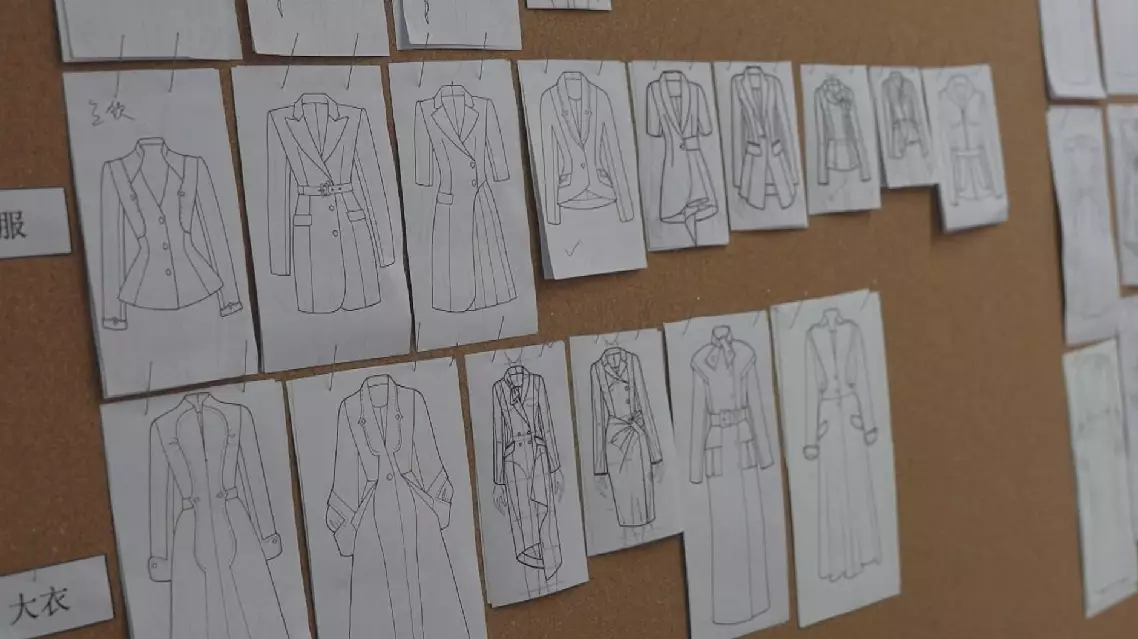
For the fashion technology category, which China has won four consecutive gold medals, this year's competition requires each competitor to complete a draping work, draw a set of style design drawings, and produce a finished garment on site, all within 18 hours.
At the national training base for fashion technology, competitor Yu Na is in final preparations. The tight schedule places a premium on basic skills, requiring even and smooth seams in the joining sections, with an error margin of no more than 0.5 millimeters, with no time to unpick or adjust, according to sources familiar with the competition.
"I remember at the beginning of training, it might took me 11 hours to finish a skirt. But as I practice more and become more familiar with the process, I can finish a skirt within the required 5.5 ho," she said.
Given that the fashion industry development varies widely across countries, WorldSkills publishes sample questions in advance and defines the competition scope for competitors to prepare on equal footing. This year's garment-making theme is "Spring Garden."
As a bellwether for the industry, the judging standards of the competition are constantly evolving. For this year, weights will be placed on on-the-spot adaptability and independent design ability, coaches noted.
"In the previous five competitions, specific requirements were given. For example, competitors were required to design a skirt with shirring, use two fabrics, include a pocket. But this time, none of that is given. Requirements will be announced on site, whether it is a haute couture gown or fast fashion, spring/summer or autumn/winter, and the competitors have to create a collection design based on the fabric and the market," said Li Ning, China's chief expert for the fashion technology project.
That uncertainty demands broad experience and a keen understanding of the market.
"[The change] is pushing competitors and the technical team to improve. It is no longer about memorizing a set of questions. It is about fully presenting design concepts and possibilities, as well as making enough technical preparation," Li said.
"I believe that it is about watching more and exercising more to build a reservoir in mind. When you have ideas, you can become a more versatile talent," Yu added.
China's competitors ready for WorldSkills fashion contest