Growing up in a military family helped prepare Devin Lloyd for a career in the NFL.
Lloyd had a breakout season in 2025 and has carried that momentum into a new season with his new team.
Lloyd, who was a second-team AP All-Pro linebacker last year in Jacksonville, had two interceptions, including a pick-6, in Carolina’s 34-3 win over Atlanta last Sunday.
Both of his parents are U.S. Navy veterans with a combined 40 years of service. What did they teach him?
“It just comes down to the little things that you do when nobody’s watching, making your bed every morning, keeping your bathroom clean,” Lloyd said on the AP’s “Football Unfiltered” podcast. “My dad would have me wake up and cut the grass on Saturday mornings, just all the little things. I had to ride my bike to school. I wasn’t driven to school, and my school, keep in mind, was 1 ½ miles away and I had go up a hill, so just doing the mundane things over and over again and some of them may be more challenging than others, and some may be simple, but it’s still finding a way to get the job done all the time. So just those little tendencies, I guess, just grew into habits over time and became who I was.”
He became a dependable playmaking linebacker who was drafted in the first round by the Jaguars in 2022. After Jacksonville declined to exercise his fifth-year option before last season, Lloyd had an outstanding campaign. He had five interceptions, including a 99-yard pick-6 and made his first Pro Bowl.
The defending NFC South champion Panthers signed him in free agency to upgrade the defense. Carolina gave up 59 points against Chicago in the season opener but shut down Bijan Robinson and the Falcons, who were missing their top two quarterbacks.
“There was something schematically we did where we just toned it down just a little bit just to tailor-shoot the players that we had," Lloyd said. "And ultimately, it just came down to, a mentality, guys having the right mentality up front in the run game and then in the back end just capitalizing on the opportunity.”
Hall of Fame coach Bill Cowher hasn’t looked back since leaving the sideline after the 2006 season. He quickly joined CBS and has stayed in touch with football as a studio analyst for the past two decades.
“I don’t know if I’ve ever been tempted to go back,” Cowher said on the AP’s “Football Unfiltered” podcast. “I think I had to make some personal choices. And I thought that I go on the other side of this. I have a great platform for me. I talk to a lot of people around the National Football League involved with a lot of different committees. So I love the game, I love what the game teaches.”
Watch “Football Unfiltered with Rob Maaddi” here or listen here
See AP’s full NFL coverage here

Carolina Panthers linebacker Devin Lloyd (55) walks off the field after an NFL football game against the Atlanta Falcons in Atlanta, Sunday, Sept. 20, 2026. (AP Photo/Mike Stewart)

Carolina Panthers linebacker Devin Lloyd (55) celebrates touchdown after an interception during an NFL football game against the Atlanta Falcons in Atlanta, Sunday, Sept. 20, 2026. (AP Photo/Mike Stewart)
MEXICO CITY (AP) — Residents along Mexico’s west coast stacked sandbags to fortify beachfront shops and evacuated their homes, while Hawaii’s Big Island and Maui braced for potentially catastrophic flooding, as two separate storms swirled in the Pacific on Thursday.
Heavy rains from powerful Hurricane Polo could cause life-threatening flooding and landslides in Mexico, according to the U.S. National Hurricane Center. In places like the port city of Lazaro Cardenas, seawater swept through homes Thursday and left wooden planks and furniture strewn on the streets.
Polo has gone back and forth between Category 4 and 5, both major-hurricane strength. The strongest winds were expected to remain offshore as the storm’s center skirts the coast before moving out to sea. But Polo was forecast to hook back toward Mexico’s coast farther north on Saturday.
Far off the southern tip of Hawaii’s Big Island, Tropical Storm Nolo was gathering strength, and forecasters expect it to become a hurricane soon. Hawaii is likely to see heavy rains starting late Thursday and winds reaching hurricane levels by early Saturday. Nolo could dump more than 2 feet (60 centimeters) of rain across islands still recovering from a string of storms.
The series of powerful storms comes as the weather phenomenon El Niño prompts major environmental shifts across the world, fueling drought in some areas and flooding in others. El Niño traditionally dampens the Atlantic hurricane season, while it tends to rev up tropical cyclone activity in the Pacific with moist air and little wind shear.
Hawaii has been battered this year by major flooding in the spring, an earthquake and two other hurricanes since mid-August.
“In my 20 years of experience here, I’ve never seen three hurricane watches for the islands in the same year,” said John Bravender of the National Weather Service in Honolulu.
Mexican authorities were opening shelters and clearing people from beaches, while coastal residents tried to protect businesses from getting swept away. People in high-risk areas were being evacuated, though authorities didn’t immediately say how many.
Much of the worry from locals comes from hurricanes in past years that devastated cities along the Pacific coast. Hurricane Otis in 2023 unexpectedly plunged Acapulco into turmoil for weeks.
“So many people said it wouldn’t happen and then it did. After that, you’re left on edge,” said Gonzalo Ramírez, a bartender in the city.
Polo posed the biggest threat to Guerrero and Michoacán, neighboring states in southwest Mexico that share a long coastline scattered with small ports, tourist towns and fishing villages. Much of the area is marked by poverty, and residents routinely complain they are left to fend for themselves during natural disasters.
Mexican authorities have deployed 15,000 security personnel across the coast and suspended schools.
In Lázaro Cárdenas, a port city in Michoacán that was hit with high surf, locals and government officials were clearing out piles of wooden planks from a number of destroyed ramadas and shoveling thick mud coating much of the town.
Alicia Contreras said the walls and roof of her restaurant had been severely damaged by 15-foot (4.5-meter) waves. As officers and family helped pick through the damaged house, Contreras worried how she would economically recover.
“This is huge because we have no other source of income. Now we’re just surviving,” Contreras said.
Forecasters said Tropical Storm Nolo might grow into a major hurricane and could drop 20 inches (50 centimeters) of rain on the Big Island, with even higher amounts possible through Saturday.
The island of Maui could also be hit with life-threatening floods and mudslides, the hurricane center said.
While the Big Island is expected to bear the brunt of the storm, its full path remains uncertain, according to Bravender, the weather service's warning coordination meteorologist in Hawaii.
Most concerning, he said Thursday, is that the heaviest rain is likely to fall over the same southeastern region of the Big Island hit in August by Hurricane Lala and where grounds are still wet from additional precipitation.
“There are several communities that were isolated, flooded, roads that were washed out,” he said. “It’s that same area that is most under threat,” Bravender said.
Hawaii officials told residents to put together emergency kits and the governor issued an emergency proclamation, activating more than 230 Hawaii National Guard members. Schools were closed for the rest of the week.
Hawaiian Electric, the state’s primary utility, said crews that had been helping restore power in Kauai after this month’s Hurricane Lowell would return to Oahu, Maui and the Big Island in preparation for the coming storm.
A third storm in the Pacific, Hurricane Odalys, was centered far from land roughly 1,110 miles (1,785 kilometers) west-southwest of the southern tip of Mexico’s Baja California peninsula.
In the northern Atlantic Ocean, Tropical Storm Fay re-formed early Thursday, the U.S. hurricane center said. It was nearly 1,000 miles (1,600 kilometers) west-southwest of the Azores.
Aoun Angueira reported from San Diego. Associated Press journalists John Seewer in Toledo, Ohio, Hannah Schoenbaum in Salt Lake City and Jeriel Vargas Ambriz in Lázaro Cárdena, Mexico, contributed.
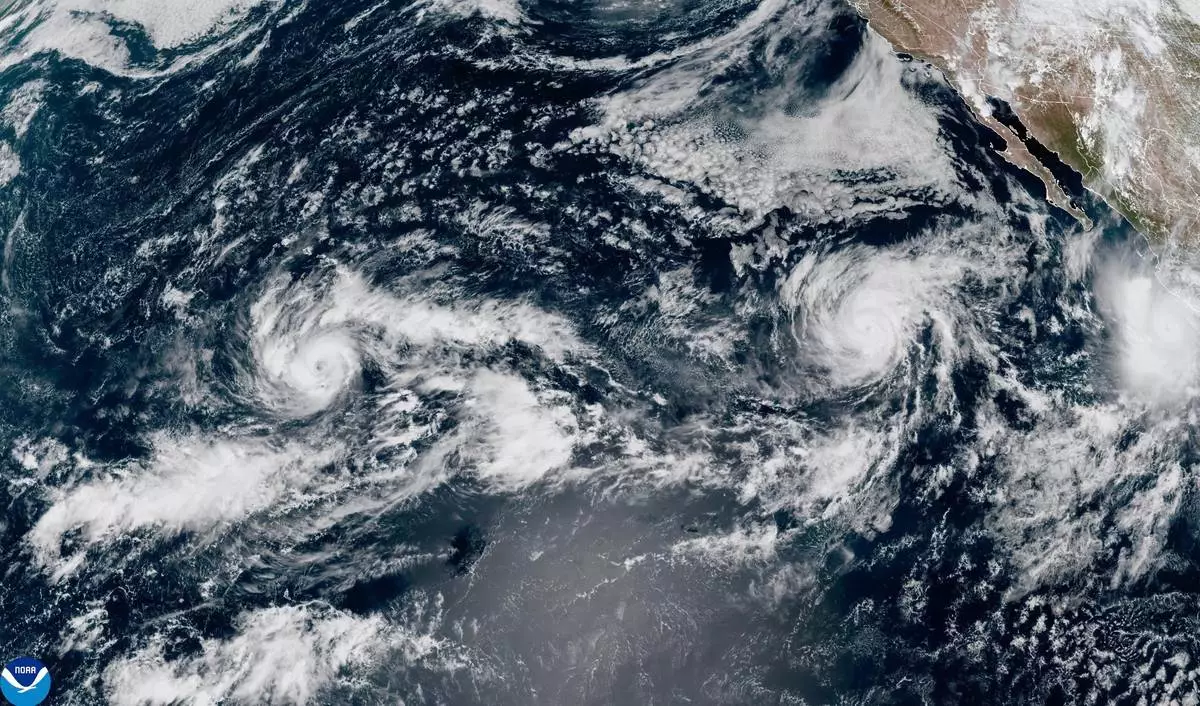
This satellite image provided by NOAA shows Tropical Storm Nolo, left, south of Hawaii; Hurricane Odalys, middle, and Hurricane Polo, right, off the coast of Mexico, in the Pacific Ocean on Thursday, Sept. 24, 2026. (NOAA via AP)
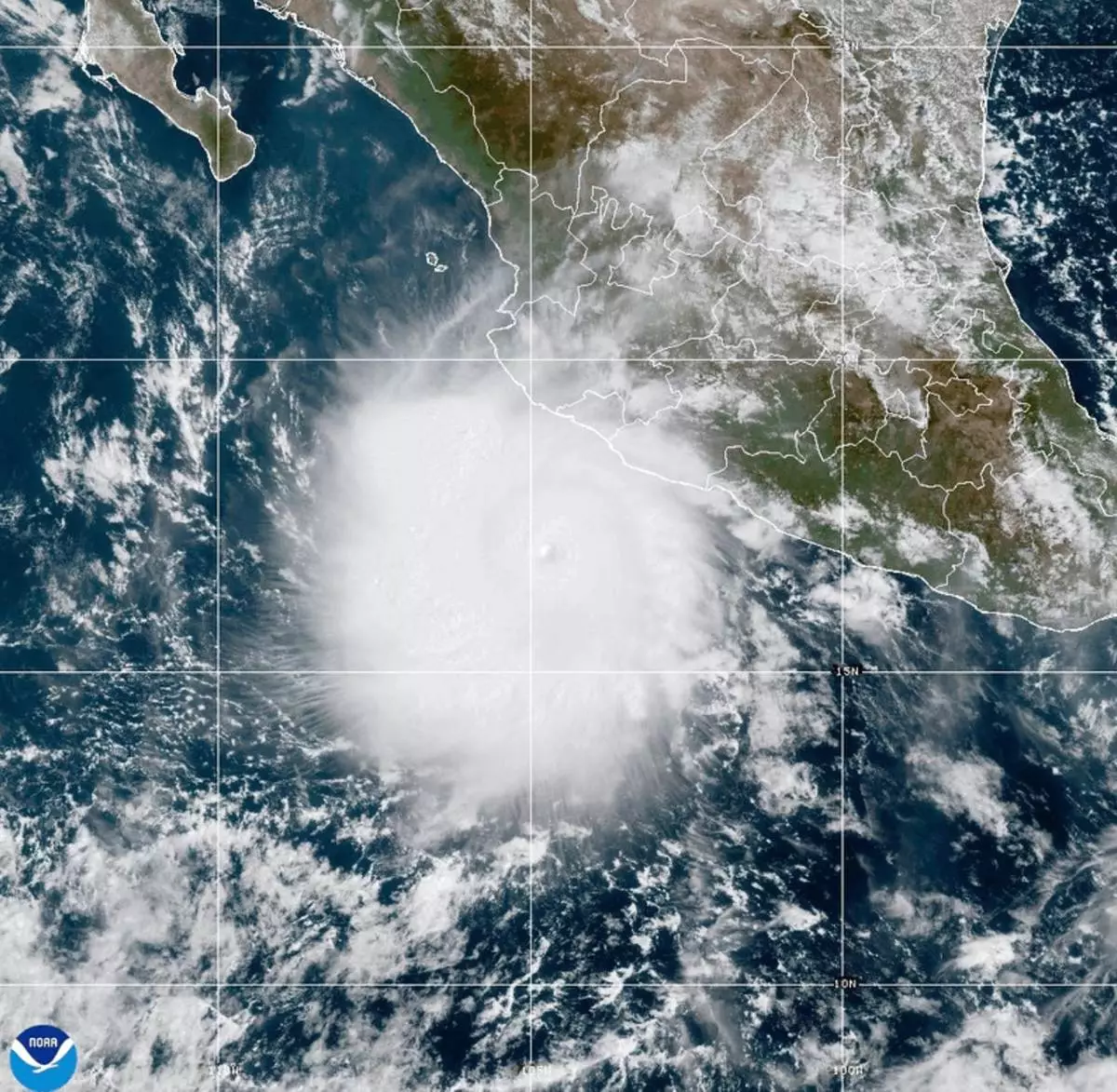
This photo provided by NOAA shows Hurricane Polo moving away from the southwestern coast of Mexico on Thursday, Sept. 24, 2026. (NOAA via AP)
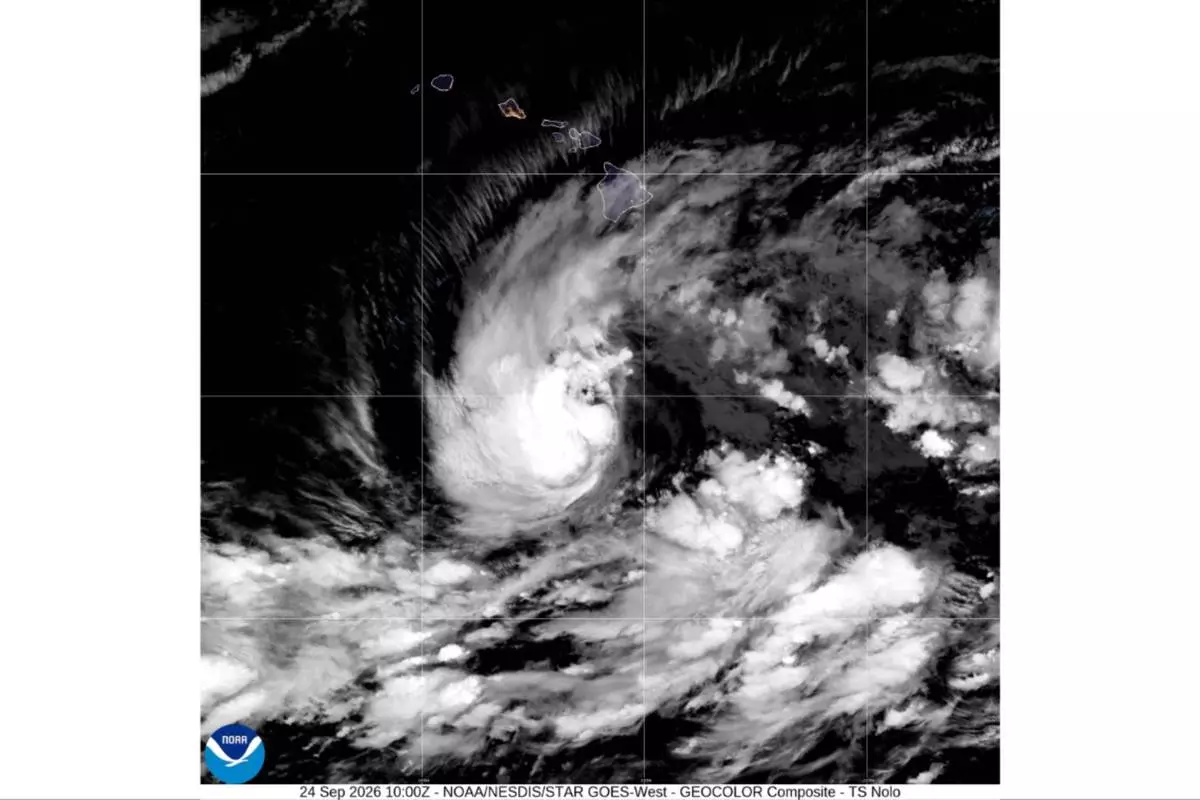
This satellite image from the National Oceanic and Atmospheric Administration shows Tropical Storm Nolo in the Pacific Ocean, Thursday, Sept. 24, 2026. (NOAA via AP)
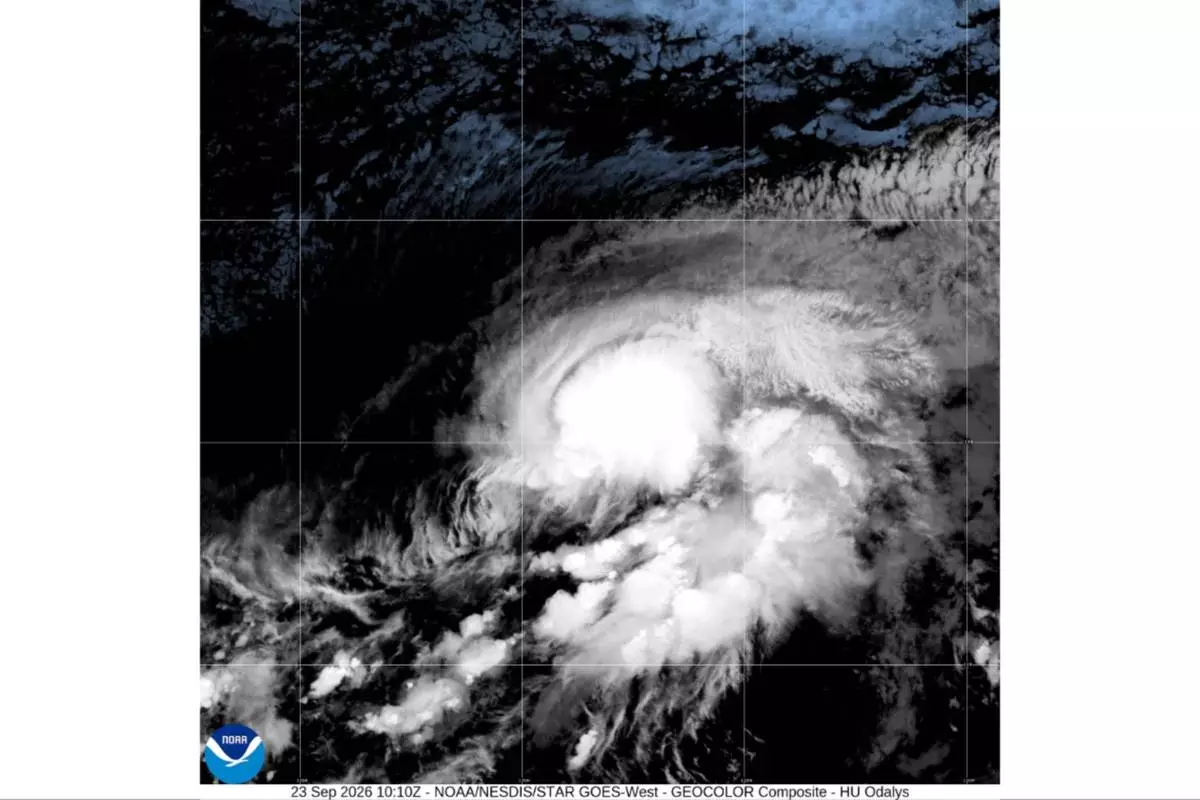
This satellite image from the National Oceanic and Atmospheric Administration shows Hurricane Odalys in the Pacific Ocean, Wednesday, Sept. 23, 2026. (NOAA via AP)
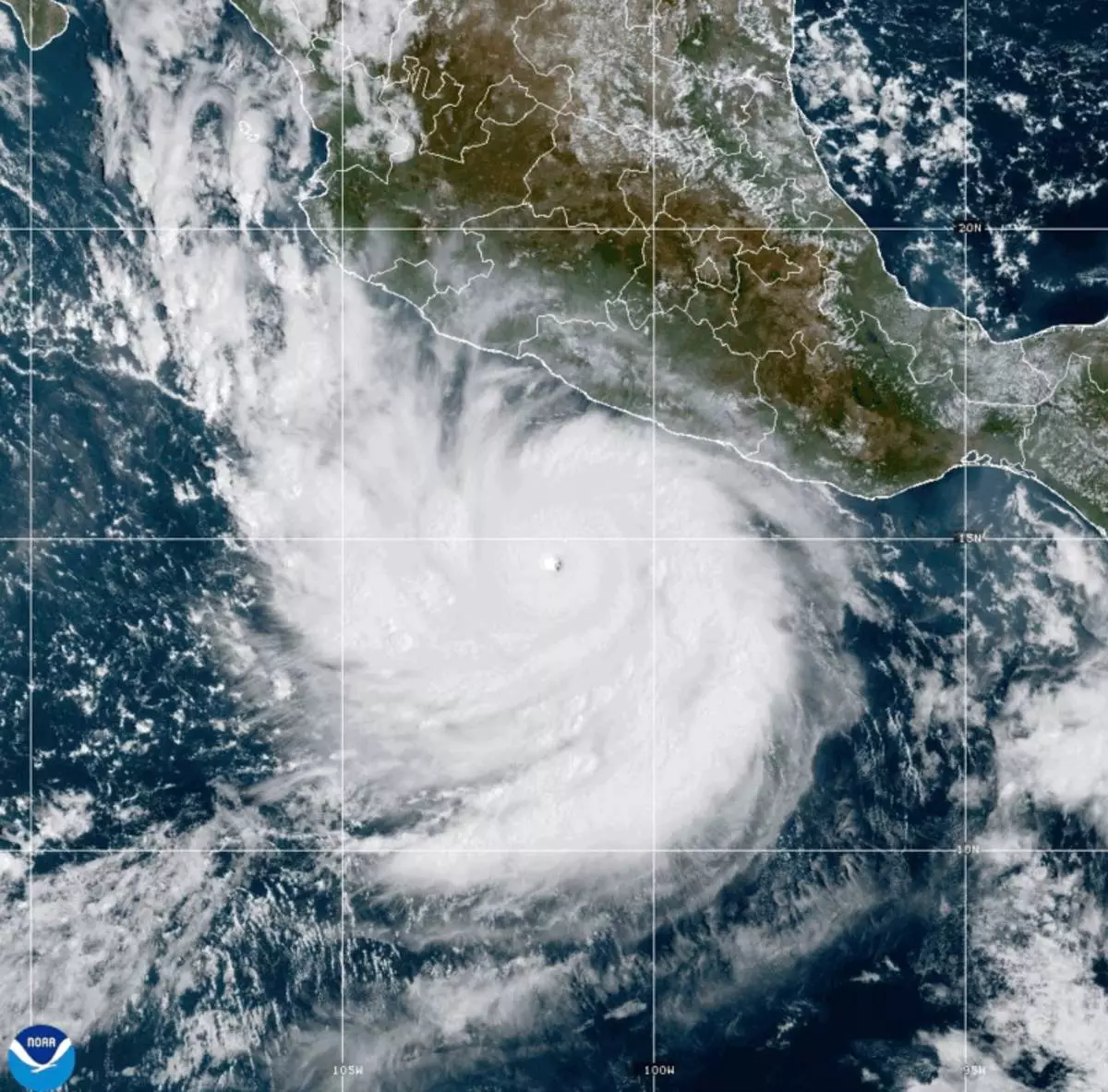
This photo provided by NOAA shows Hurricane Polo strengthening in the Pacific Ocean off the coast of Mexico on Tuesday, Sept. 22, 2026. (NOAA via AP)