NEW ORLEANS (AP) — Bob Pettit, an imposing scorer and rebounder for the St. Louis Hawks and winner of the NBA’s first Most Valuable Player award in 1956, has died. He was 93.
Pettit's alma mater, LSU, announced Thursday that he died a day earlier. The university did not provide a cause of death.
Pettit was an All-American at LSU before going on to the NBA, where he was an All-Star for each of his 11 seasons, all with the Hawks. He led them to the 1958 championship over the mighty Boston Celtics, the Hawks’ lone title.
He was also the NBA MVP in 1959 and was the MVP of the All-Star game four times, an achievement matched only by Los Angeles Lakers great Kobe Bryant.
Pettit was a force at a time when the NBA featured the likes of Wilt Chamberlain, Bill Russell, Oscar Robertson and Elgin Baylor. But it was also before a time when the NBA was widely seen on television, and Pettit — playing in a smaller market — was denied a larger audience.
At 6-foot-9 and 205 pounds and with a deeply receding hairline, Pettit was a physical presence at power forward, before such a position became part of basketball’s vocabulary. He rarely missed a game. He also played center and was one of the first big men who did not play solely with his back to the basket.
Pettit was the Rookie of the Year in 1955, the last year the Hawks played in Milwaukee before moving to St. Louis.
He captured the MVP the next season, leading the league in scoring at 25.7 points a game. He also was the NBA’s scoring leader in 1959 at 29.2 points.
He retired after the 1964-65 season with career averages of 26.4 points and 16.2 rebounds. At that time, he was the NBA’s career leader in points (20,880) and second in rebounds (12,849).
He was inducted into the Naismith Memorial Basketball Hall of Fame in 1970.
“Lean, graceful, and always well-conditioned, Bob Pettit's physical build made him one of the first big men to play facing the basket,” reads Pettit’s biographical profile at the Hall of Fame. “But Pettit's resolve set him apart from his peers; he simply would not be outworked.”
Robert Lee Pettit Jr. was born on Dec. 12, 1932, in Baton Rouge, Louisiana. His father worked in law enforcement and served as East Baton Rouge Parish Sheriff. Pettit was a late bloomer in basketball, not making the Baton Rouge High School varsity until his junior season.
As a senior, he led Baton Rouge to a state championship and wound up with more than a dozen college offers. He chose to stay home and starred at LSU as a sophomore, an era when players could not join the varsity until then.
He led the Southeastern Conference in scoring all three of his seasons, with averages of 25.5 points as a sophomore, 24.9 as a junior and 31.4 as a senior.
Pettit is one of only three LSU players — Pete Maravich and Shaquille O’Neal the others — to earn a place in the Hall of Fame. Bronze statues of Pettit and O’Neal stand outside LSU’s home arena, the Pete Maravich Assembly Center. His No. 50 is retired by LSU, his No. 9 by the Atlanta Hawks.
Pettit’s misfortune was that most of his career coincided with a run of Celtics championships that remains one of the most dominant runs in American pro sports history.
Pettit was two victories short of being a three-time NBA champion. Pettit’s Hawks advanced to the finals four times, all against Boston, twice losing in seven games.
The first meeting, won by Boston in 1957, came down to double overtime of Game 7. The second ended with a championship for the Hawks, interrupting Boston’s run of nine titles in 10 seasons. The Hawks also dropped NBA Finals matchups with the Celtics in 1960 (in seven games) and 1961 (in five).
Pettit retired to his native Baton Rouge after leaving basketball and worked in banking and financial consulting. He was a regular at LSU and New Orleans Pelicans games in recent years.
See AP’s full NBA coverage here

FILE - Bob Pettit, of the St. Louis Hawks, holds his trophy after being named most valuable player in National Basketball Association All-Star Game in St. Louis, Mo., Jan. 22, 1958. (AP Photo/File)
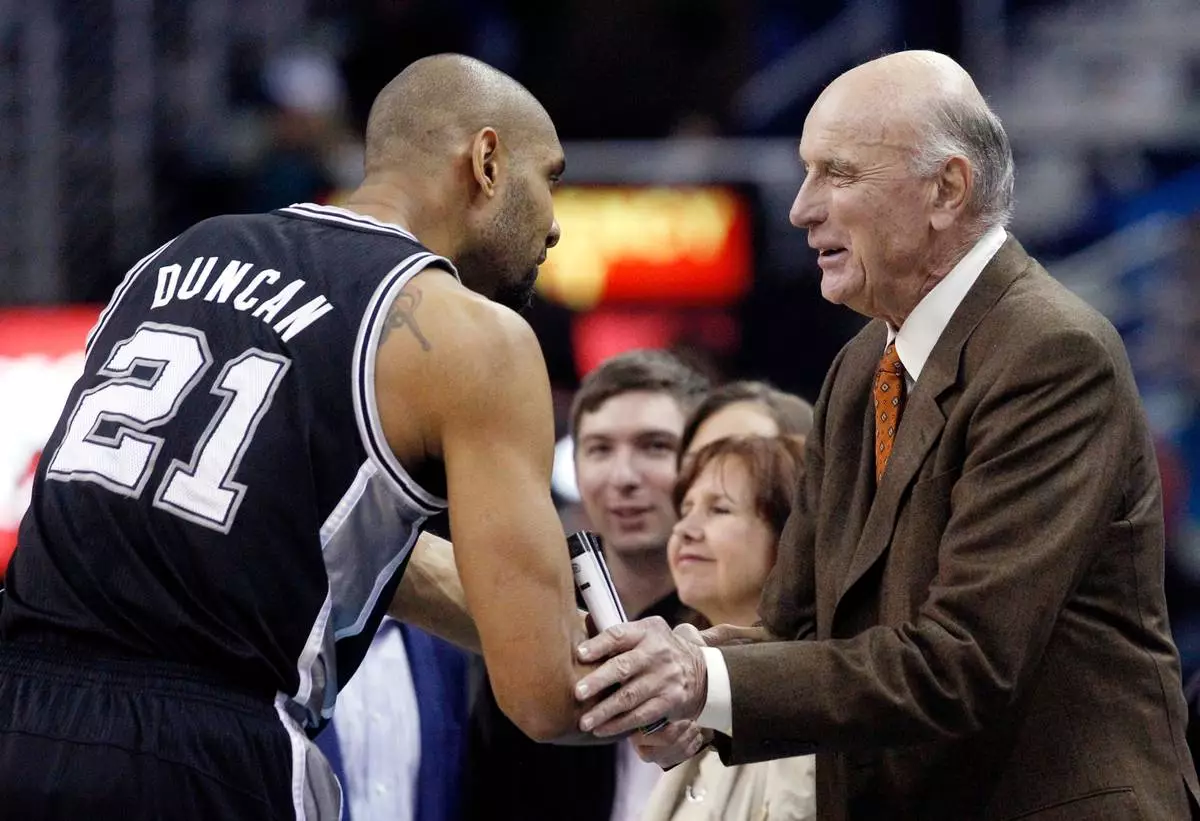
FILE - San Antonio Spurs power forward Tim Duncan (21) shakes hands with former NBA player Bob Pettit before the start of the Spurs New Orleans Hornets NBA basketball game in New Orleans, Monday, Jan. 7, 2013. (AP Photo/Bill Haber, File)

FILE - FILE - In this Dec. 10, 1957, file photo, Bob Pettit, of the St. Louis Hawks, leaps to make a one-handed shot but fails to connect for a score in the first quarter of an NBA basketball game against the Cincinnati Royals at Madison Square Garden in New York City. Blocking Pettit is Dick Ricketts (24) of the Royals as Jim Paxson (11) watches play. (AP Photo/File)
MEXICO CITY (AP) — Residents along Mexico’s west coast stacked sandbags to fortify beachfront shops and evacuated their homes, while Hawaii’s Big Island and Maui braced for potentially catastrophic flooding, as two separate storms swirled in the Pacific on Thursday.
Heavy rains from powerful Hurricane Polo could cause life-threatening flooding and landslides in Mexico, according to the U.S. National Hurricane Center. In places like the port city of Lazaro Cardenas, seawater swept through homes Thursday and left wooden planks and furniture strewn on the streets.
Polo has gone back and forth between Category 4 and 5, both major-hurricane strength. The strongest winds were expected to remain offshore as the storm’s center skirts the coast before moving out to sea.
Far off the southern tip of Hawaii’s Big Island, Tropical Storm Nolo was gathering strength and forecasters expect it to become a hurricane soon. Hawaii is likely to see heavy rains starting on Thursday and winds reaching hurricane levels by early Saturday. Nolo could dump more than 2 feet (60 centimeters) of rain across islands still recovering from a string of storms.
The series of hurricanes comes as the weather phenomenon El Niño prompts major environmental shifts across the world, fueling drought in some areas and flooding in others. El Niño traditionally dampens the Atlantic hurricane season, while it tends to rev up tropical cyclone activity in the Pacific with moist air and little wind shear.
Hawaii has been battered this year by major flooding in the spring, an earthquake and two other hurricanes just since mid-August.
“In my 20 years of experience here, I’ve never seen three hurricane watches for the islands in the same year,” said John Bravender of the National Weather Service in Honolulu.
Mexican authorities were opening shelters and clearing people from beaches, while coastal residents tried to protect businesses from getting swept away. People in high-risk areas were being evacuated.
Much of the worry from locals comes from hurricanes in past years that devastated cities along the Pacific coast. Hurricane Otis in 2023 unexpectedly plunged Acapulco into turmoil for weeks.
“So many people said it wouldn’t happen and then it did. After that, you’re left on edge,” said Gonzalo Ramírez, a bartender in the city.
Guerrero state was particularly at risk of flooding and mudslides, the hurricane center said. Tropical-storm-force winds stretched up to 125 miles (201 kilometers) from the eye of the storm. After heading away from land, Polo was forecast to hook back toward Mexico's coast farther north on Saturday.
The hurricane posed the biggest threat to the rural and mountainous coast of Michoacan and Guerrero, which is scattered with small tourist towns and ports. Much of the area is marked by poverty and residents routinely complain they are left to fend for themselves during natural disasters.
Mexican authorities have deployed 15,000 security personnel across the coast and suspended schools as a precaution. Authorities didn’t immediately say how many people had been evacuated.
Forecasters said Tropical Storm Nolo might grow into a major hurricane and could drop 20 inches (50 centimeters) of rain on the Big Island, with even higher amounts possible through Saturday.
The island of Maui could also be hit with life-threatening floods and mudslides, the hurricane center said.
While the Big Island is expected to bear the brunt of the storm, its full path remains uncertain, according to Bravender, the weather service's warning coordination meteorologist in Hawaii.
Most concerning, he said Thursday, is that the heaviest rain is likely to fall over the same southeastern region of the Big Island hit in August by Hurricane Lala and where grounds are still wet from additional precipitation.
“There are several communities that were isolated, flooded, roads that were washed out,” he said. “It’s that same area that is most under threat,” Bravender said.
Hawaii officials told residents to put together emergency kits and the governor issued an emergency proclamation, activating more than 230 Hawaii National Guard members. Schools were closed for the rest of the week.
Hawaiian Electric, the state’s primary utility, said crews that had been helping restore power in Kauai after this month’s Hurricane Lowell would return to Oahu, Maui and the Big Island in preparation for the coming storm.
A third storm in the Pacific, Hurricane Odalys, was centered far from land roughly 1,110 miles (1,785 kilometers) west-southwest of the southern tip of Mexico’s Baja California peninsula.
In the northern Atlantic Ocean, Tropical Storm Fay re-formed early Thursday, the U.S. hurricane center said. It was nearly 1,000 miles (1,600 kilometers) west-southwest of the Azores.
Aoun Angueira reported from San Diego. Associated Press writers Hallie Golden in Seattle and John Seewer in Toledo, Ohio, contributed.
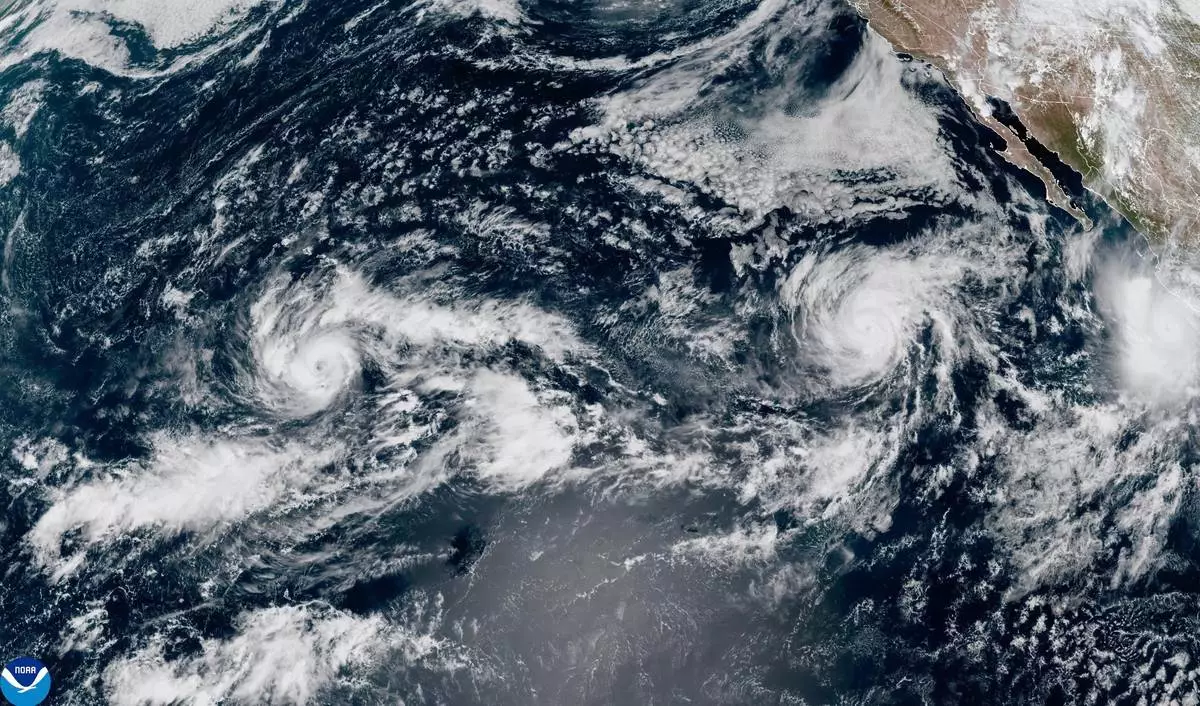
This satellite image provided by NOAA shows Tropical Storm Nolo, left, south of Hawaii; Hurricane Odalys, middle, and Hurricane Polo, right, off the coast of Mexico, in the Pacific Ocean on Thursday, Sept. 24, 2026. (NOAA via AP)
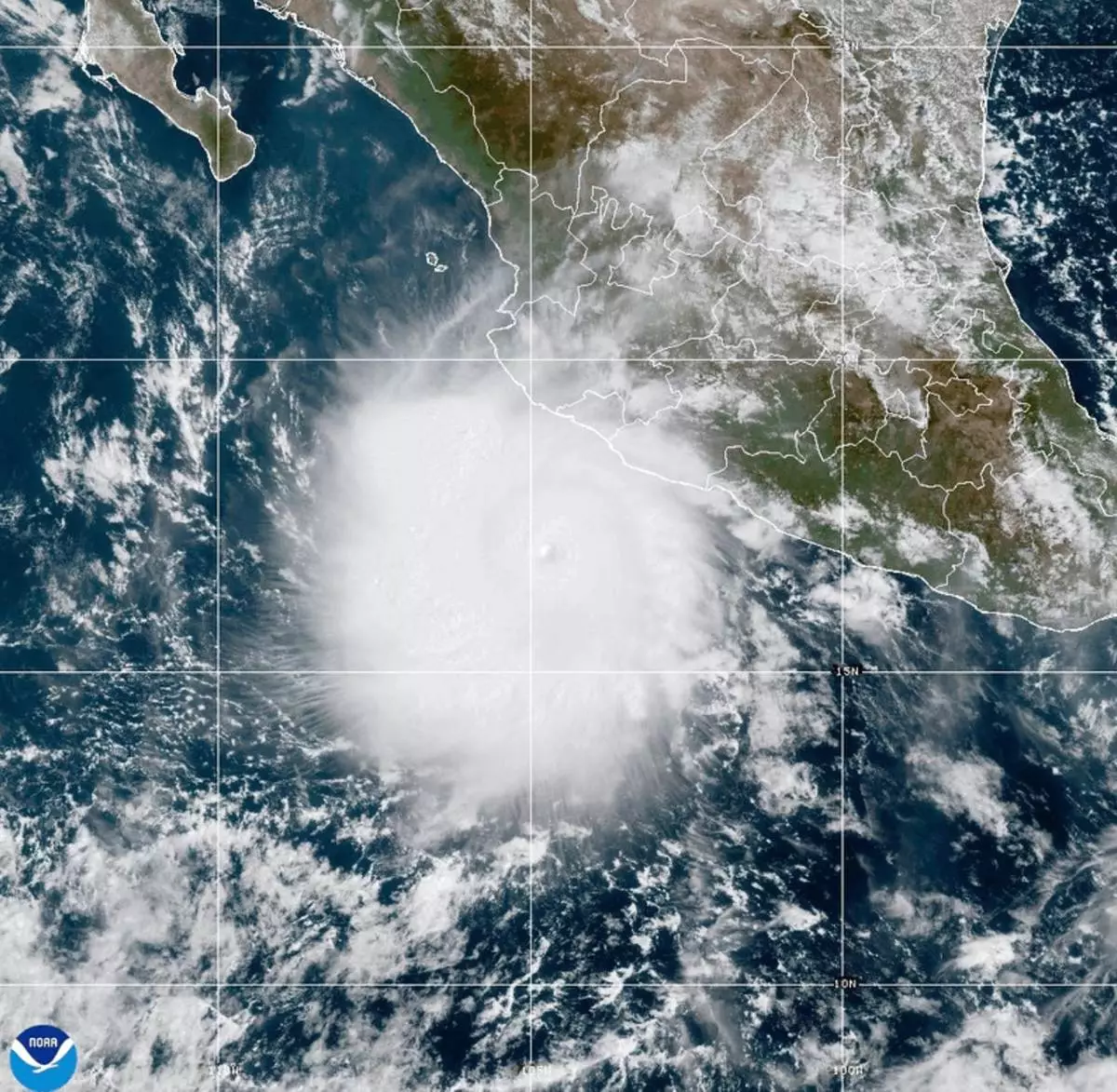
This photo provided by NOAA shows Hurricane Polo moving away from the southwestern coast of Mexico on Thursday, Sept. 24, 2026. (NOAA via AP)
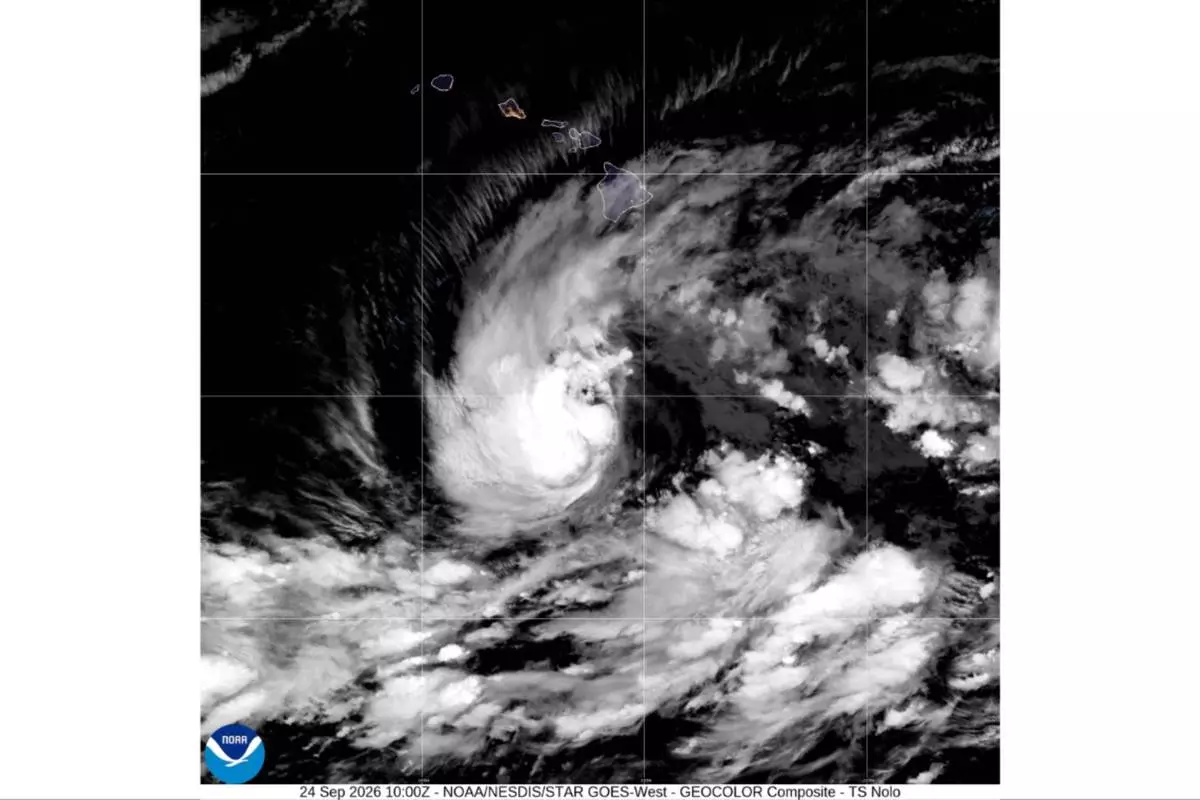
This satellite image from the National Oceanic and Atmospheric Administration shows Tropical Storm Nolo in the Pacific Ocean, Thursday, Sept. 24, 2026. (NOAA via AP)
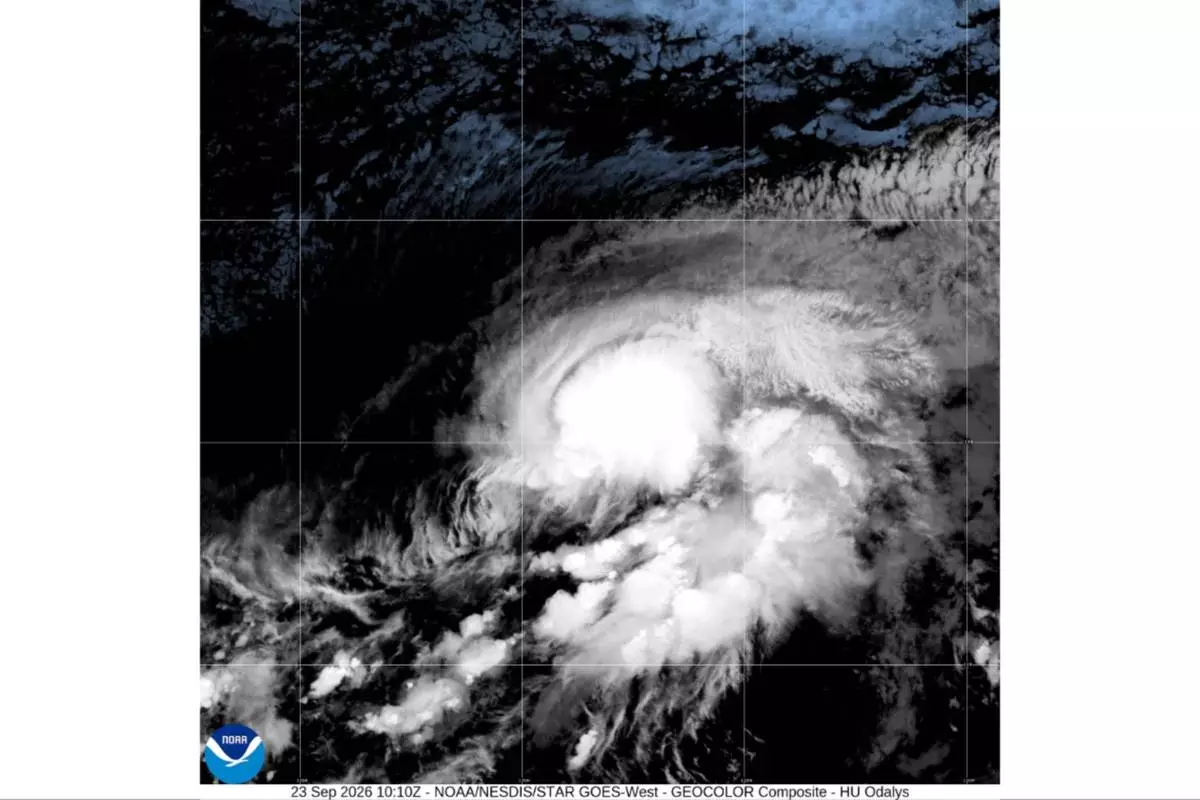
This satellite image from the National Oceanic and Atmospheric Administration shows Hurricane Odalys in the Pacific Ocean, Wednesday, Sept. 23, 2026. (NOAA via AP)
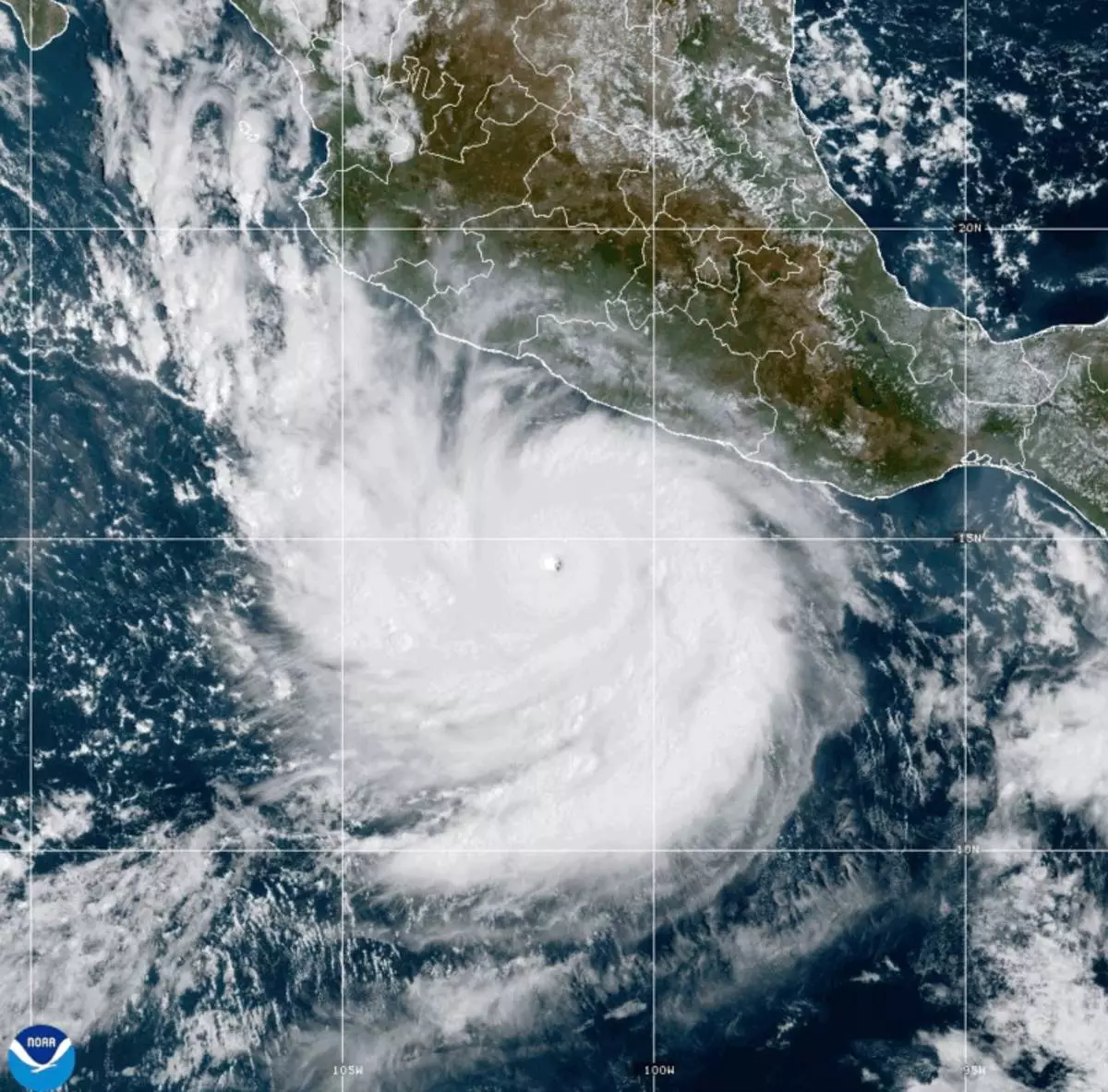
This photo provided by NOAA shows Hurricane Polo strengthening in the Pacific Ocean off the coast of Mexico on Tuesday, Sept. 22, 2026. (NOAA via AP)