Skip to Content Facebook Feature Image

Peru faces human rights court over protections for isolated Indigenous peoples in Amazon

News

Peru faces human rights court over protections for isolated Indigenous peoples in Amazon
News

News

Peru faces human rights court over protections for isolated Indigenous peoples in Amazon

2026-09-26 04:08 Last Updated At:04:11

PARAMARIBO, Suriname (AP) — Peru faced the final day of a landmark hearing before a regional human rights court Friday over allegations that it failed to protect Indigenous peoples living in isolation in the Amazon from logging and other activities encroaching on their territory.

The two-day hearing before the Inter-American Court of Human Rights in Montevideo, Uruguay, marks the first time the tribunal has considered a case involving Indigenous peoples living in isolation in Peru.

The case centers on the Mashco Piro, Yora and Amahuaca peoples, who live in remote areas of the Peruvian Amazon. Indigenous organizations say logging concessions and other incursions have pushed outsiders deeper into forests used by the groups, increasing the risk of violent encounters and exposure to diseases to which isolated peoples may have little immunity.

“Many of our brothers and sisters have already disappeared, and we don’t want the Mashco Piro to suffer the same fate,” Maglin Alvarado Vargas, a leader of the Yine Indigenous people from the Native Community of Monte Salvado, told the court. “It is in your hands whether they can survive."

Peru has argued that it has adopted laws, protocols, monitoring systems and other measures to protect isolated Indigenous peoples. The Peruvian government did not immediately respond to a request for comment.

But Julio Cusurichi, part of the Native Federation of the Madre de Dios River and Tributaries, known by its Spanish acronym FENAMAD, said those protections were not being implemented in practice.

“The government is not taking action to safeguard the rights of these peoples,” Cusurichi said. He warned that continued incursions into their territory could threaten their survival.

The case dates back decades. FENAMAD has raised concerns about logging in Mashco Piro territory since the 1990s and sought emergency protection from the Inter-American Commission on Human Rights in 2005. The commission, a separate body from the court, granted protective measures in 2007.

FENAMAD brought a formal petition to the commission in 2011. In 2022, the commission found Peru responsible for violating the rights of the Mashco Piro, Yora and Amahuaca. The case was sent to the court in 2024 after the commission concluded Peru had not complied with its recommendations.

Teresa Mayo of Survival International, an Indigenous rights organization supporting the case, said Indigenous communities and their allies want the court to hold Peru responsible and require stronger protection of the Mashco Piro’s territory and their right to remain isolated.

“This is a historic hearing,” Mayo said, adding that the groups want the court to guarantee the Mashco Piro can “remain uncontacted, with their land fully protected.”

At the center of the dispute is the territory available to isolated peoples and whether extractive activities can be permitted there.

Maritza Quispe, a lawyer with Peru’s Legal Defense Institute representing the Indigenous side, said the case could establish an important precedent over the ancestral land rights of peoples living in isolation and whether governments can authorize extraction in their territories.

Peruvian law generally bars outside activity in reserves established for isolated Indigenous peoples, but contains an exception allowing natural resources to be exploited when authorities determine there is a public necessity, Quispe said.

One of the lawyers representing the Indigenous groups told the court that Peru had “flagrantly violated” principles intended to protect isolated peoples, including avoiding contact with them and keeping their territories free from outside activity.

The Mashco Piro number more than 750 people and live in southeastern Peru and across the border in Brazil, according to Indigenous organizations. Encounters with outsiders have already turned deadly. In 2024, two loggers were killed in bow-and-arrow attacks after entering Mashco Piro territory, and subsequent sightings have placed members of the group close to active logging areas.

Contact also poses a potentially deadly risk to the Mashco Piro themselves. Indigenous peoples who have lived in isolation have little immunity to common illnesses brought by outsiders, meaning even diseases such as a cold or flu could kill them.

The parties now have until Oct. 26 to submit their final written arguments. The court will then deliberate and issue a judgment, though no date has been set for a ruling.

The Associated Press’ climate and environmental coverage receives financial support from multiple private foundations. AP is solely responsible for all content. Find AP’s standards for working with philanthropies, a list of supporters and funded coverage areas at AP.org.
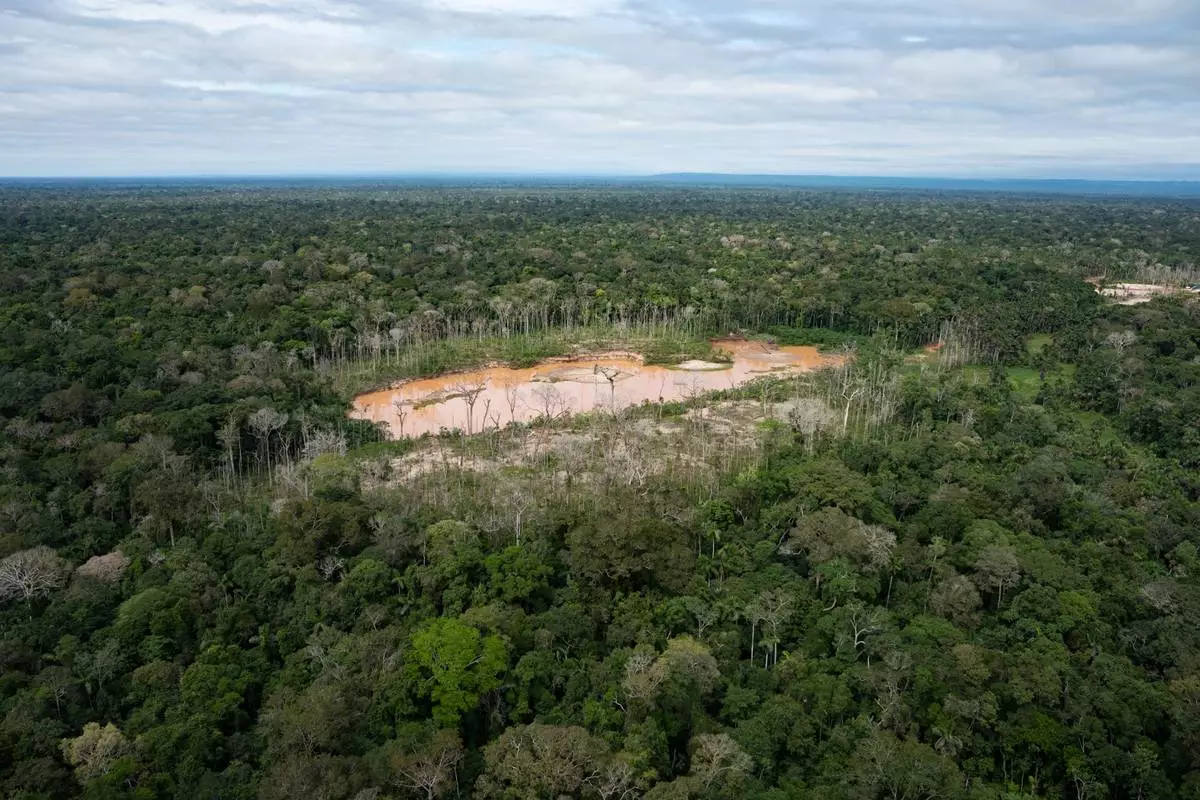
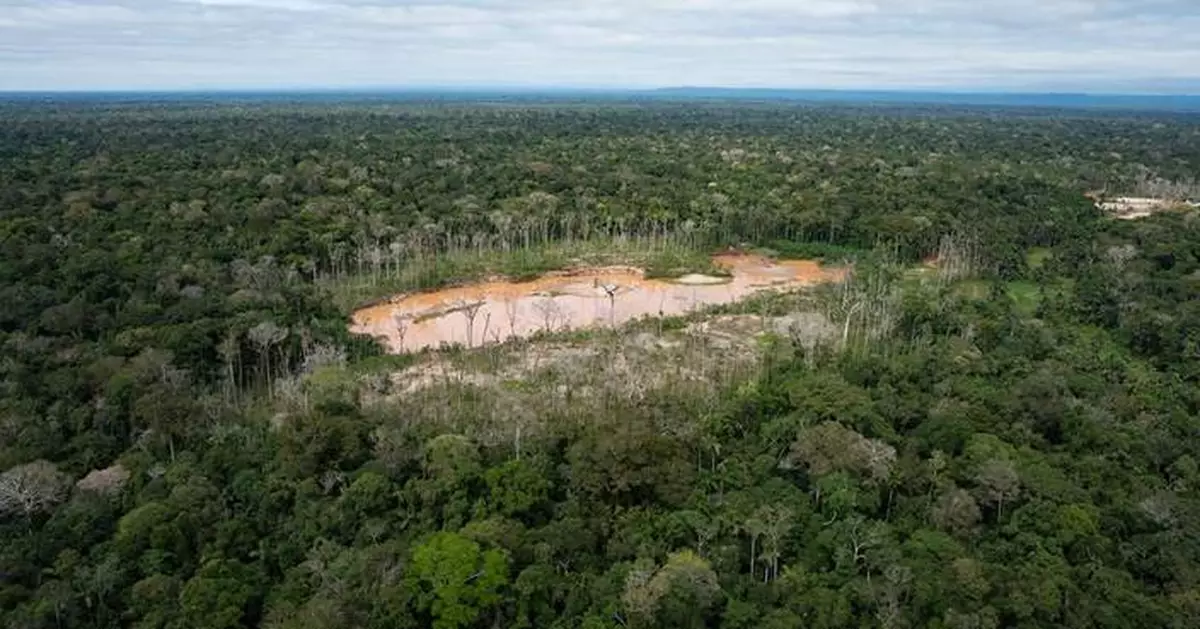
FILE - Deforestation from illegal mining is visible in the Tambopata National Reserve in Puerto Maldonado, Peru, Aug. 11, 2026. (AP Photo/Guadalupe Pardo, File)

FILE - Deforestation from illegal mining is visible in the Tambopata National Reserve in Puerto Maldonado, Peru, Aug. 11, 2026. (AP Photo/Guadalupe Pardo, File)
NEW YORK (AP) — A cooldown in oil prices helped release some of the pressure that’s built up on Wall Street, and U.S. stocks closed out their first winning week in the last three. The S&P 500 added 0.5% Friday to pull within 0.7% of its all-time high set last month. The Dow Jones Industrial Average rose 0.9%, and the Nasdaq composite climbed 0.5%. Stocks got a boost after the price of a barrel of Brent oil dropped below $98. That helped Treasury yields ease shortly after the 10-year yield briefly jumped near its highest level since 2007.

THIS IS A BREAKING NEWS UPDATE. AP’s earlier story follows below.

NEW YORK (AP) — A cooldown in oil prices on Friday helped release some of the pressure that’s built up on Wall Street, and U.S. stocks are rising toward the finish of a winning week.

The S&P 500 added 0.4% and is on track to break a three-day losing streak marked by big swings due to rising yields in the bond market. The main measure of the U.S. stock market's health pulled closer to its all-time high set last month and is heading for the finish of its first winning week in the last three.

The Dow Jones Industrial Average was up 438 points, or 0.9%, with an hour remaining in trading, and the Nasdaq composite was 0.4% higher.

Stocks got a boost after the price for a barrel of Brent oil dropped 2.8% to $97.44 per barrel. It’s been yo-yoing on uncertainty about when the war with Iran will allow oil to flow freely again from the Middle East. Prices go down when hopes rise for a possible deal to fully reopen the Strait of Hormuz to oil tankers, and they go up when doubts resurface.

But trading was shaky again Friday, particularly after a report on U.S. consumer sentiment sent Treasury yields higher in the morning.

The report from the University of Michigan said U.S. consumers are bracing for inflation of 4.6% in the coming year, up from their forecast of 4% the month before. It also said that overall sentiment among consumers was not as bad as economists expected, even if it was the lowest in four months.

The expectations for high inflation are potentially dangerous for the economy because they could encourage behavior that leads to a vicious cycle that makes the cost of living spiral even higher.

Some consumers told the survey that buying some kinds of products now would help them avoid higher prices in the future. If they rush to make such purchases, it could encourage sellers to raise prices further.

Following the report on consumer sentiment, the yield on the 10-year Treasury briefly jumped above 5.22%, up from 5.18% late Thursday, and was near its highest level since 2007.

High yields slow the economy by making it more expensive for everyone to borrow money, while undercutting prices for stocks and other investments, and the 10-year yield has been jumping from 3.97% before the start of the war with Iran.

Rising yields worldwide are rattling all kinds of financial markets. They're on the rise because of worries about high inflation, expensive oil, big government debt loads, signs of continued economic strength and other factors.

But yields later eased as the price of oil pulled lower, and the 10-year yield eased back to 5.17%. That helped stocks on Wall Street regain strength.

Helping to lead the way was Akamai Technologies. The cloud company's stock rose 4.7% after it announced an $11.6 billion, multiyear agreement with Anthropic, the company behind the Claude AI chatbot.

Costco Wholesale added 2.7% after the retailer reported a stronger profit for the latest quarter than analysts expected. Such strong profit reports from U.S. companies have helped the stock market remain resilient despite all the worries about high inflation and oil prices.

In stock markets abroad, indexes were mixed in Europe following bigger moves in Asia. Japan’s Nikkei 225 climbed 1.3%, while Hong Kong’s Hang Seng dropped 1%.

AP Business Writers Chan Ho-him and Michelle Chapman contributed to this report.

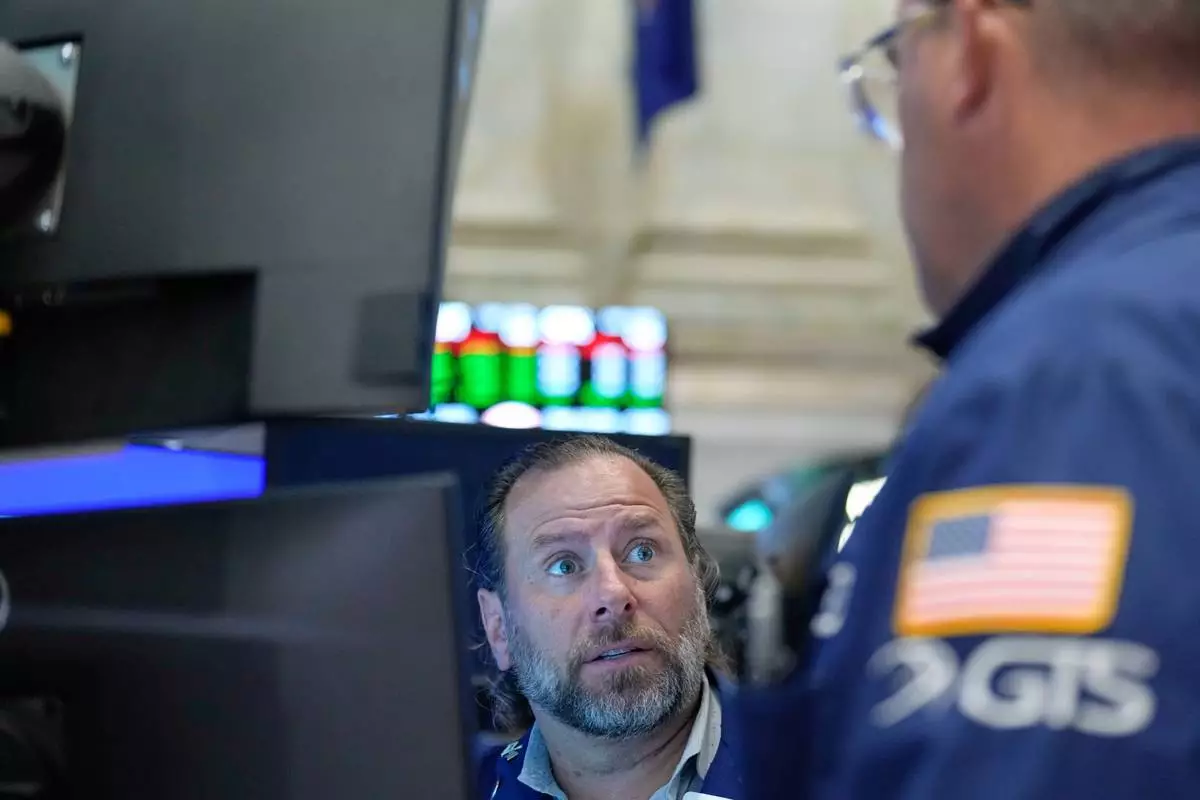
Michael Pistillo works on the floor at the New York Stock Exchange in New York, Monday, Sept. 14, 2026. (AP Photo/Seth Wenig)

Michael Pistillo works on the floor at the New York Stock Exchange in New York, Monday, Sept. 14, 2026. (AP Photo/Seth Wenig)

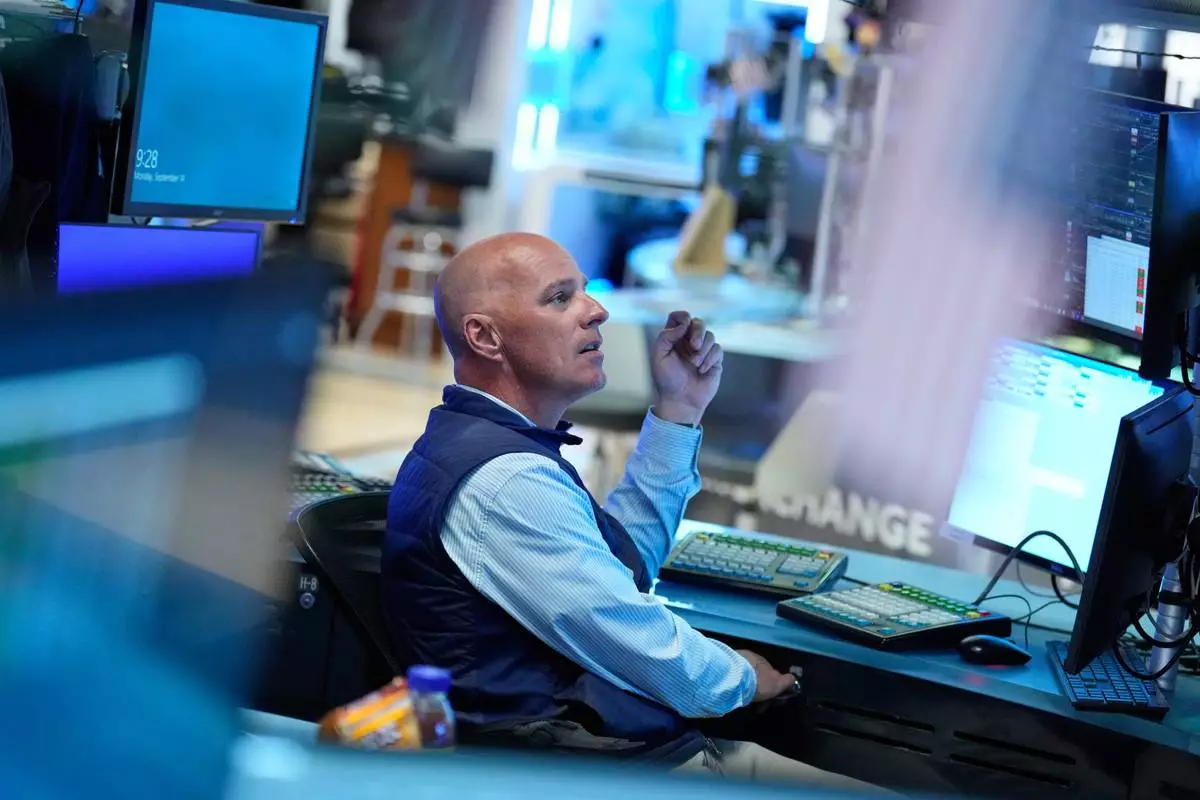
John O'Hara works on the floor at the New York Stock Exchange in New York, Monday, Sept. 14, 2026. (AP Photo/Seth Wenig)

John O'Hara works on the floor at the New York Stock Exchange in New York, Monday, Sept. 14, 2026. (AP Photo/Seth Wenig)

Recommended Articles