A camera captured two giant panda cubs eating fresh bamboo shoots in relaxed, comfortable positions at the Chengdu Research Base of Giant Panda Breeding in southwest China's Sichuan Province.
In one scene, a tiny panda cub showed off incredible flexibility by performing a backbend while munching on bamboo, eventually ending up flat on its back on the ground. In another frame, a cub lies sprawled at ease, peeling and nibbling fresh bamboo shoots.
The Chengdu Research Base of Giant Panda Breeding is a world-renowned institution dedicated to the ex-situ conservation, scientific breeding, public education, and educational tourism of giant pandas. As a model project for panda conservation, it is famous for its work in protecting and breeding endangered species unique to China, including giant pandas and red pandas.
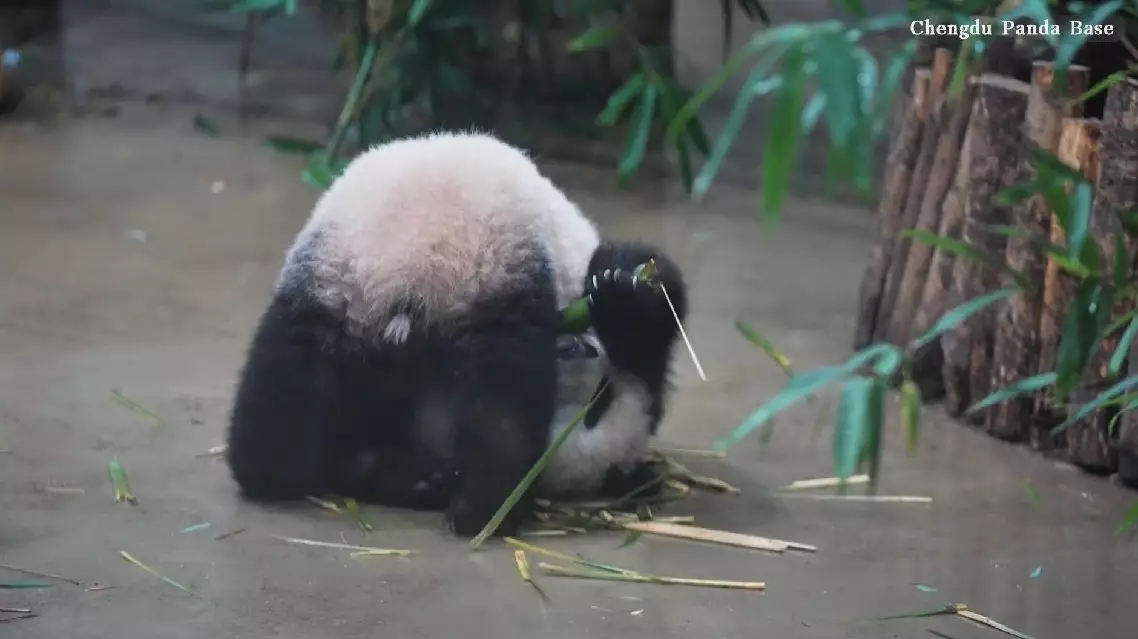
Camera captures adorable bamboo-eating poses of giant panda cubs in southwest China
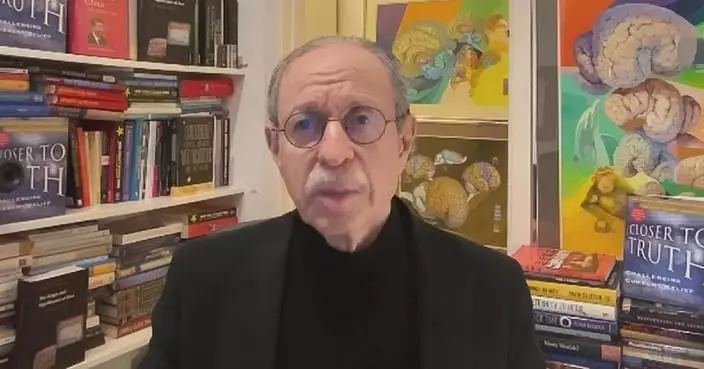
The United States and China are working to establish a "constructive and strategically stable" relationship to prevent catastrophic conflict, despite enduring competition and deep disagreements, according to Graham Allison, a professor of government at Harvard Kennedy School.
Allison is known for his work on "Thucydides's Trap" which describes the historical tendency for established superpowers and upstart rivals to go to war with each other.
Speaking in an exclusive interview with China Global Television Network (CGTN) aired Saturday, he described China as the classic rising power and the U.S. as the established ruling power. While acknowledging the nations remain fierce rivals with deep disagreements, he emphasized that both leaders share a responsibility to prevent strategic competition from escalating into conflict.
His remarks came as Chinese President Xi Jinping paid a three-day state visit to the United States at the invitation of U.S. President Donald Trump. The trip follows Trump's state visit to China in May, the first by a U.S. president in nearly nine years.
"In terms of trying to make clear what President Trump actually thinks and believes that China is the most important relationship for the U.S. in the world, that President Xi is the most important leader for him to have a relationship with, that the U.S. and China are fierce rivals and have many areas of disagreement. But they certainly clearly agreed that they should not have a war between these two great countries. And that is the responsibility, as President Xi said that they have great responsibility to try to prevent this classic Thucydidean rivalry ending the way both Thucydidean rivalries do," the professor said.
Allison has frequently traveled to China in recent years and has argued that the risk of U.S.-China conflict can be reduced through active statecraft. Following the Beijing summit in May, Allison said, both sides have referenced building a constructive relationship with strategic stability and have sought to enrich the concept with principles including equality, fairness and reciprocity.
"Start with the fact that both presidents appreciate realistically that the two countries are fierce Thucydidean rivals with many areas of disagreement, and that if left to business as usual or diplomacy as usual, we should expect history as usual, which would be a catastrophic war. So, good, that's a great foundation to begin on. And in Beijing at the summit, when they concluded, as President Xi said, they agreed a vision or a hope to build a constructive, strategically stable relationship," said Allison.
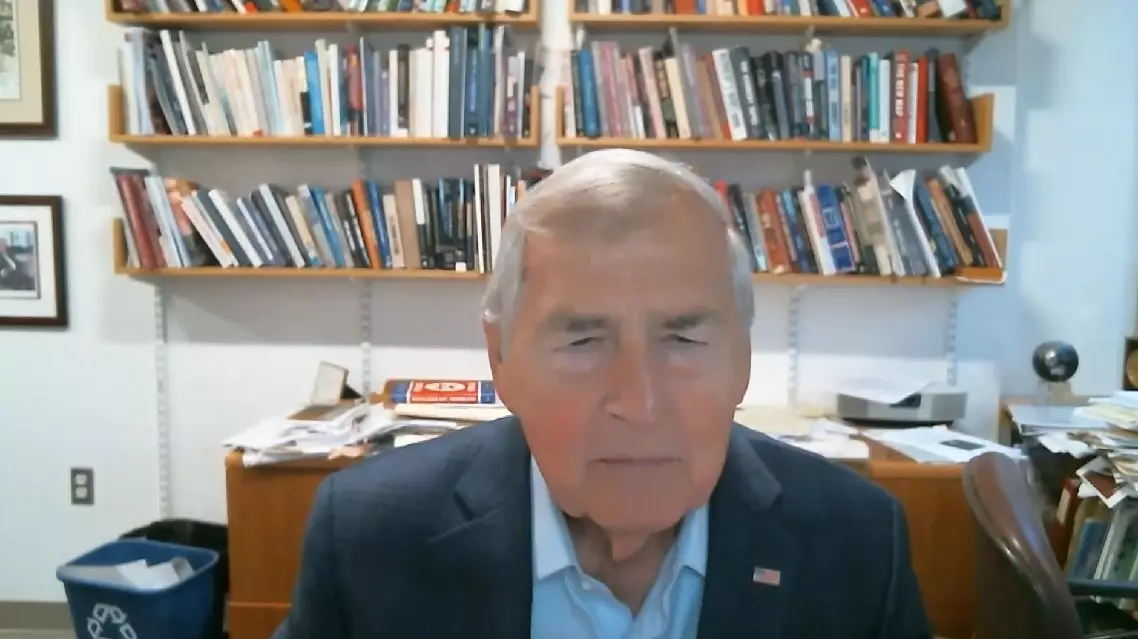
US, China pursuing new strategic framework to prevent conflict: Harvard professor