PARIS (AP) — French Prime Minister Sébastien Lecornu clashed with far-left leader Jean-Luc Mélenchon on Monday over the actions of high school students who are blockading classes and pushing for a nationwide spread of their fledgling protest movement for more resources.
The exchanges in posts on social media between Lecornu and Mélenchon, a top presidential contender, reflected the increasingly combative political climate ahead of a crucial presidential election next spring and amid mounting pressure over France’s finances.
Politicians across the ideological spectrum are seeking issues that resonate with voters. Complaints from students about deteriorating schools, teacher shortages and heavy class schedules have become the latest cause embraced by some presidential hopefuls.
Lecornu, meanwhile, is trying to build enough public and political support to pass a 2027 state budget through a divided parliament, where President Emmanuel Macron 's government is besieged by opponents, many of whom are unwilling to accept proposed spending cuts while soaring energy costs and other expenses squeeze households.
Mélenchon, 75, a veteran anti-capitalist firebrand, finished third in the 2022 presidential election and fourth in both 2017 and 2012. The former senator hopes to advance beyond the first round of voting on April 18 and qualify for the May 2 run-off. Younger voters could be key for his chances. Macron is constitutionally barred from seeking a third consecutive term.
Mélenchon defended the school protesters on Monday after Lecornu accused officials from his far-left France Unbowed party of encouraging the scattered demonstrations.
The protests erupted at schools in the Paris area last week, leading to arrests, and spread to other regions. In the southern Alpes-Maritimes region, police arrested 10 high school students on Monday on allegations of setting fires, throwing projectiles and committing other violent acts that injured two students, the regional government said.
Mélenchon accused Lecornu’s government of repressing students with “ferocity” and “an unmistakably racist undertone.”
“Don’t touch our young people,” he posted, urging France Unbowed supporters to become involved “wherever you can.”
Lecornu responded that the racism accusation “is an insult.”
“Students have a right to safety. Staff have a right to protection. Police officers have a right to respect when carrying out their duties,” he wrote. “Condemning the violence and those who attack high school students should require less effort from you than smearing those who protect them. It should be easier than fanning the flames.”
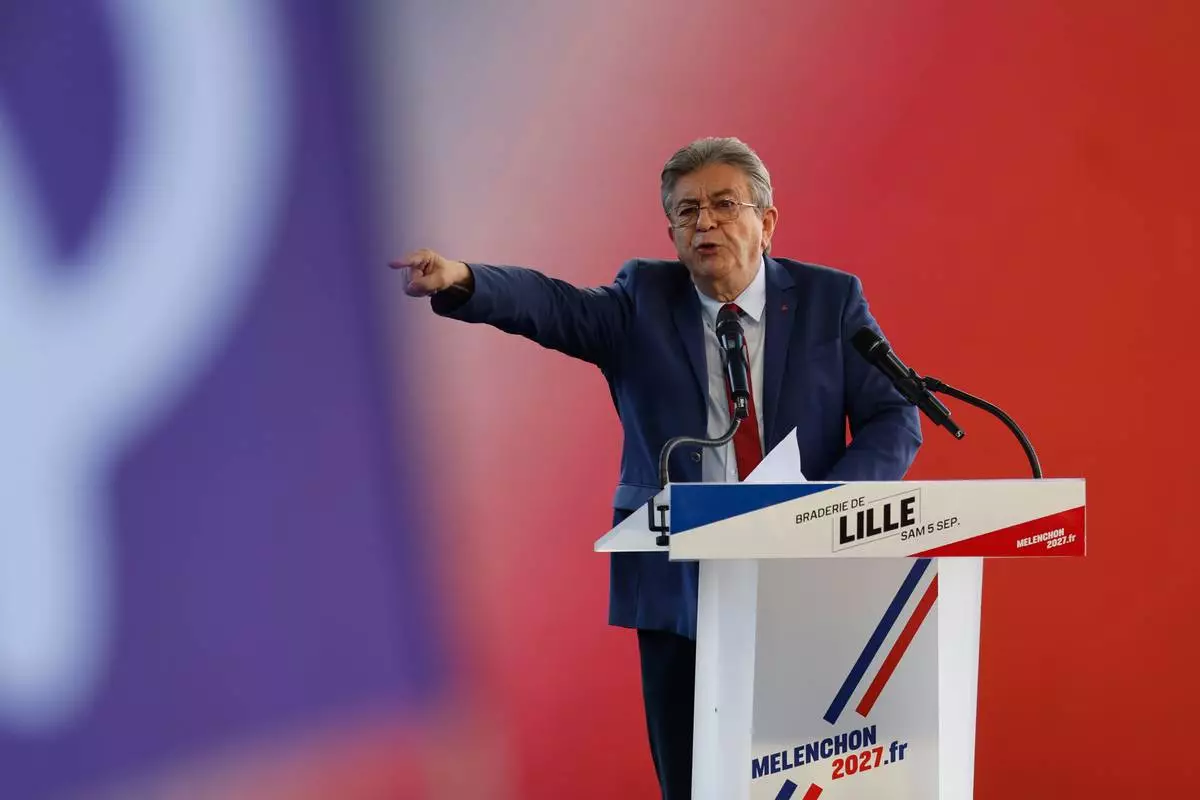
FILE - French far-left leader Jean-Luc Melenchon, candidate at the presidential election gives a speech during the annual Braderie in Lille, northern France, Saturday, Sept. 5, 2026. (AP Photo/Jean-Francois Badias, file)
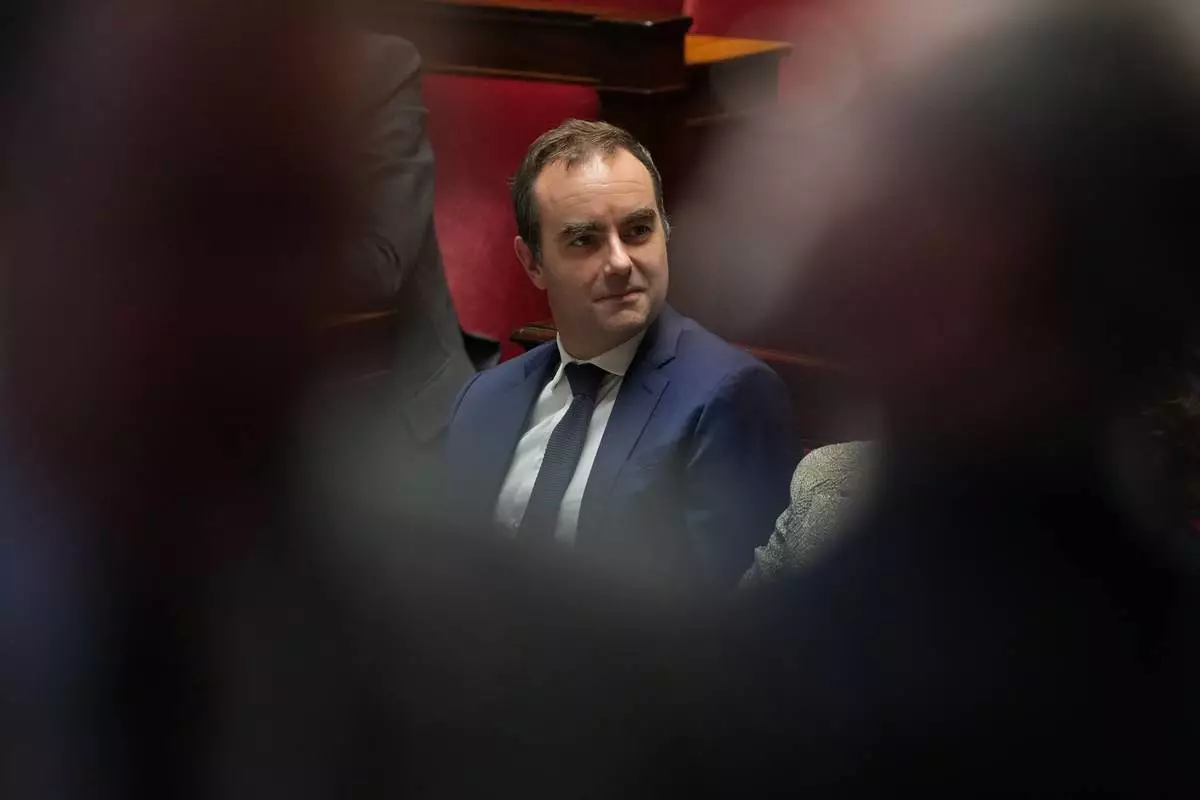
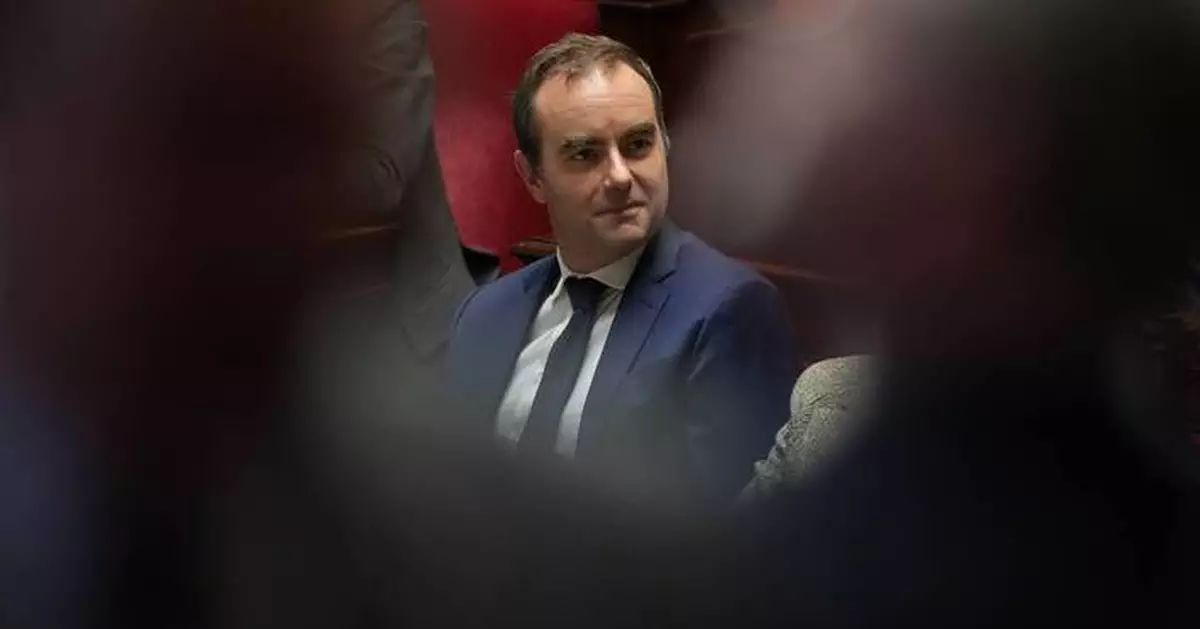
FILE - French Prime Minister Sebastien Lecornu listens to speeches before a no-confidence vote, Thursday, Oct. 16, 2025 at the National Assembly in Paris. (AP Photo/Thibault Camus, file)
NEW YORK (AP) — Fifty years after Sylvester Stallone pulled off one of Hollywood's all-time long shots with “Rocky,” the Oscar-winning star still identifies with the character who for many embodies the outsider proving all the naysayers wrong.
But he no longer claims to be an underdog.
“It would be so disingenuous to say you’re an underdog, ‘as he said from his penthouse,’" Stallone said during a recent interview, on a high floor of a luxury Manhattan hotel. "Yeah. Come on. I am a lucky dog.”
Stallone, who turned 80 in July, is among the most successful movie stars and filmmakers in history. He has generated billions of dollars through such blockbuster franchises as “Rocky,” “Rambo” and “The Expendables” and portrayed some of the most memorable film characters. And he is still working, starring as mobster Dwight “The General" Manfredi in the Paramount+ series “Tulsa King.”
By choice and otherwise, Stallone has been reliving his early years as a struggling actor-writer who somehow convinced United Artists to back his modest story of a journeyman boxer's shot at the heavyweight championship, and even allow him to play the lead despite having little acting experience. His memoir “Steps,” published Tuesday, arrives less than two months before a fictionalized and semi-authorized version of his story, Peter Farrelly's “I Play Rocky," arrives in theaters, with Anthony Ippolito in the starring role. (Farrelly spoke about the film with Stallone, who was otherwise uninvolved.)
“Rocky," which beat out “Taxi Driver” and “All the President Men's” among others to win the best picture Oscar, is one of those classic movies that only seem to benefit from the back story; Stallone's own journey from the streets of Philadelphia to the Oscars stage echoes so well his character's improbable rise.
As he writes in “Steps,” he was a hard-luck case, an unplanned and unwanted child who seemed to face endless discouragement right through the production of “Rocky," when he feared every day on the set might be his last.
Stallone was in Manhattan to promote his book, but spends much of his time at the Palm Beach, Florida estate he shares with his wife, Jennifer Flavin. Even when — especially when — he's talking about his rare fortune, Stallone speaks in a warm, rumbly, offhand manner, a kind of private street talk that suggests he doesn't believe it all.
Last year, he was a Kennedy Center honoree, his award presented to him by President Donald Trump, who had previously named Stallone, Jon Voight and Mel Gibson his “ambassadors” from an otherwise liberal Hollywood. Stallone has called Trump “the second George Washington,” but he has contributed to both Republicans and Democrats and broken with conservatives by calling for stronger gun control laws. He also condemns war, including the Iran War, as a story of sending people into a "meat grinder while the military complex is making zillions of dollars."
“I do believe that you have to defend yourself. But to go on the offensive?” he says, adding that he would prefer not to be known as a ”political figure."
“I love the common architecture of trying to just survive. That’s noble," he says. "To be a politician, that’s a different animal.”
During his interview, he also talked about fate, insecurity and why he was probably better off for his unhappy childhood.
Questions and answers have been edited for brevity and clarity.
STALLONE: I was approached a few times (over the years) and the one thing I didn’t want to write about is my life. It’s this ambivalent roller coaster ride. It's not always the most pleasurable ride. And I thought, ‘What am I known for?’ Pulling off this minor miracle in 1976, which falls under the heading of inspiration. That’s what I want to do. Because the character was an inspiration, I wanted to tell the people how it all came to be.
STALLONE: It was very hard because I spent 50 years burying that stuff. And it’s like you come across a lost city, and you start to become your own spiritual archaeologist, digging down. And it’s not pretty. But I didn’t want this to be, ‘Oh, woe is me.’ Everyone has issues and a lot worse than me. I just wanted to touch on the essence because I still have this conundrum. If everything was really nice, maybe I wouldn’t be here, you know what I mean? If I didn’t have that insecurity which drives us. You know, insecurity is a great motivator.
STALLONE: I think so — especially the ones that are desperate to do better and constantly pushing it. For example, I don’t have to do my dialogue for another month before we start “Tulsa King.” I'm up every morning at 5:00 o'clock, studying until literally it’s like breathing. Now, that’s probably insecurity, but that’s the way I approach it.
STALLONE: No, I didn't. You know what I see. You're sitting there and going through messages and somebody who's 18 has put it on the internet or on TikTok. And how would this person relate to an 80-year-old guy? They're not, though. They're not relating to me. It's that character.
STALLONE: In retrospect, that to me is the greatest gift. You know, you write something — I’m just trying to get some footage on myself. I'm just trying to write something really simple. I didn’t ever expect it to be in more than one or two theaters. So all this is a tsunami of good luck. It ('Rocky') tapped into something that I cannot take credit for.
STALLONE: A lot of it, yeah.
STALLONE: I was thinking while I was working (on the book). “You were really at the end of your rope.” Nothing was working. I was 29 years old. And I had this epiphany, like in the backyard, pounding the soil, asking for spiritual help. I had always avoided it. And I had thought, you know, “To each his own.” I don’t want to rely upon some idol, god, symbol, anything. But maybe we need something that makes us believe in the invisible — faith. I had no faith. I was agnostic, and then it came literally back that night.
And that's why I pay homage in the “Rocky” movie. The first scene is, you know, at “The Resurrection” (gym). It's amazing we found that place. A boxing club called "The Resurrection."
STALLONE: It's the way I’m built, I think. There are no free lunches. I’ve had back operations, neck surgeries, both shoulders, heart — you name it. And it’s all because ... you do it yourself. There was a necessity to feel it. You’re not going to be like the other guys. You’re going to do it, which is completely wrong (laughs).
STALLONE: How strange is this? A movie about me being in a movie.
STALLONE: It’s fantastic. And the kid (Ippolito) did a great job. This is so odd. They usually do this when you’re dead and gone. It's 50 years almost to the day when it came out and if he gets nominated ... It’s so surreal. I have to give Peter Farrelly, the director (credit). I never in a million years had any confidence this would work. But he said that to the everyday person, this is kind of a fantastic journey. Rocky is fiction, this is real. And that's what people are holding on to.
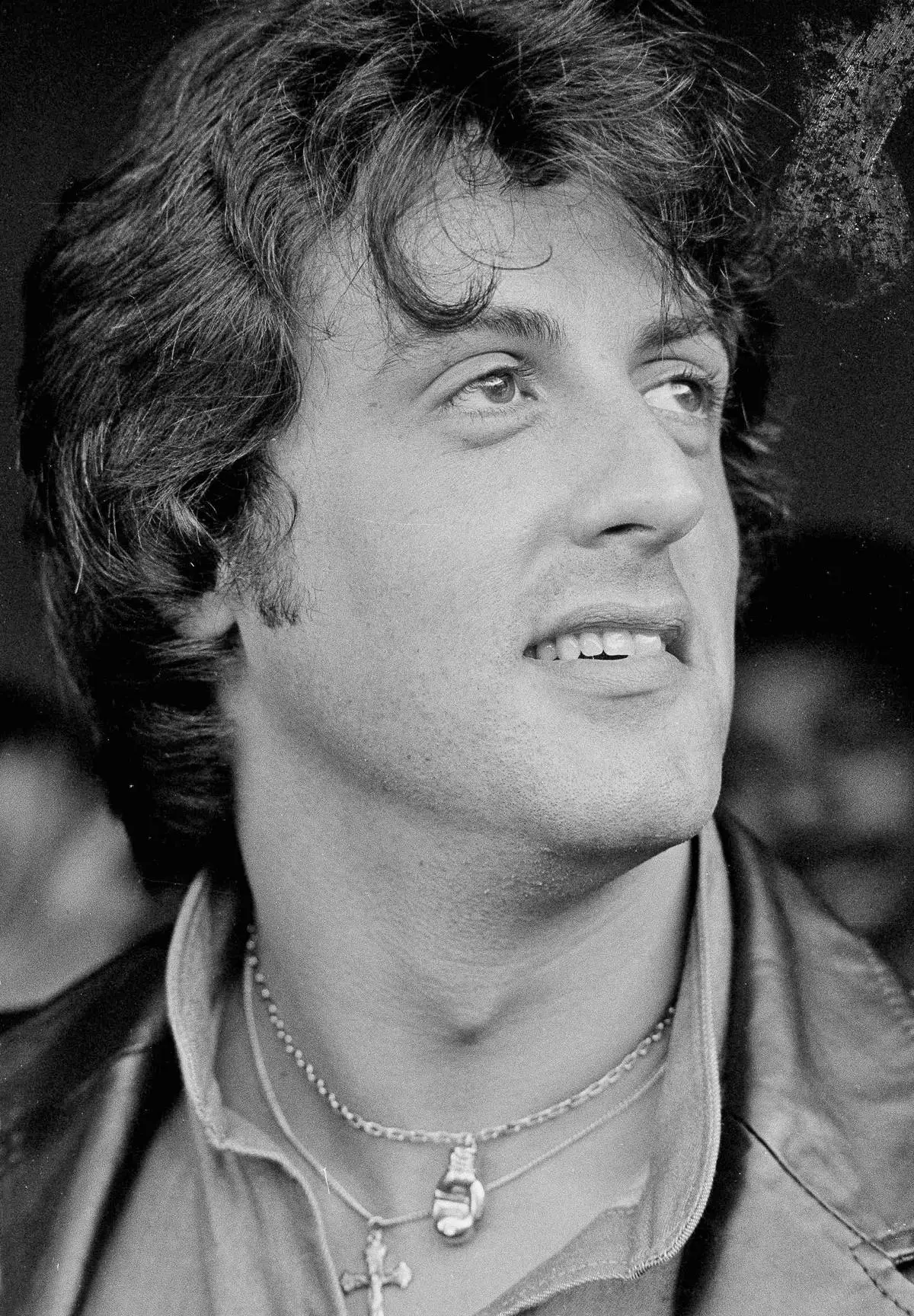
FILE - Sylvester Stallone appears at Veterans Stadium prior to a Philadelphia Phillies' home game to promote his film "Rocky II" on June 14, 1979. (AP Photo/Gene Puskar, File)
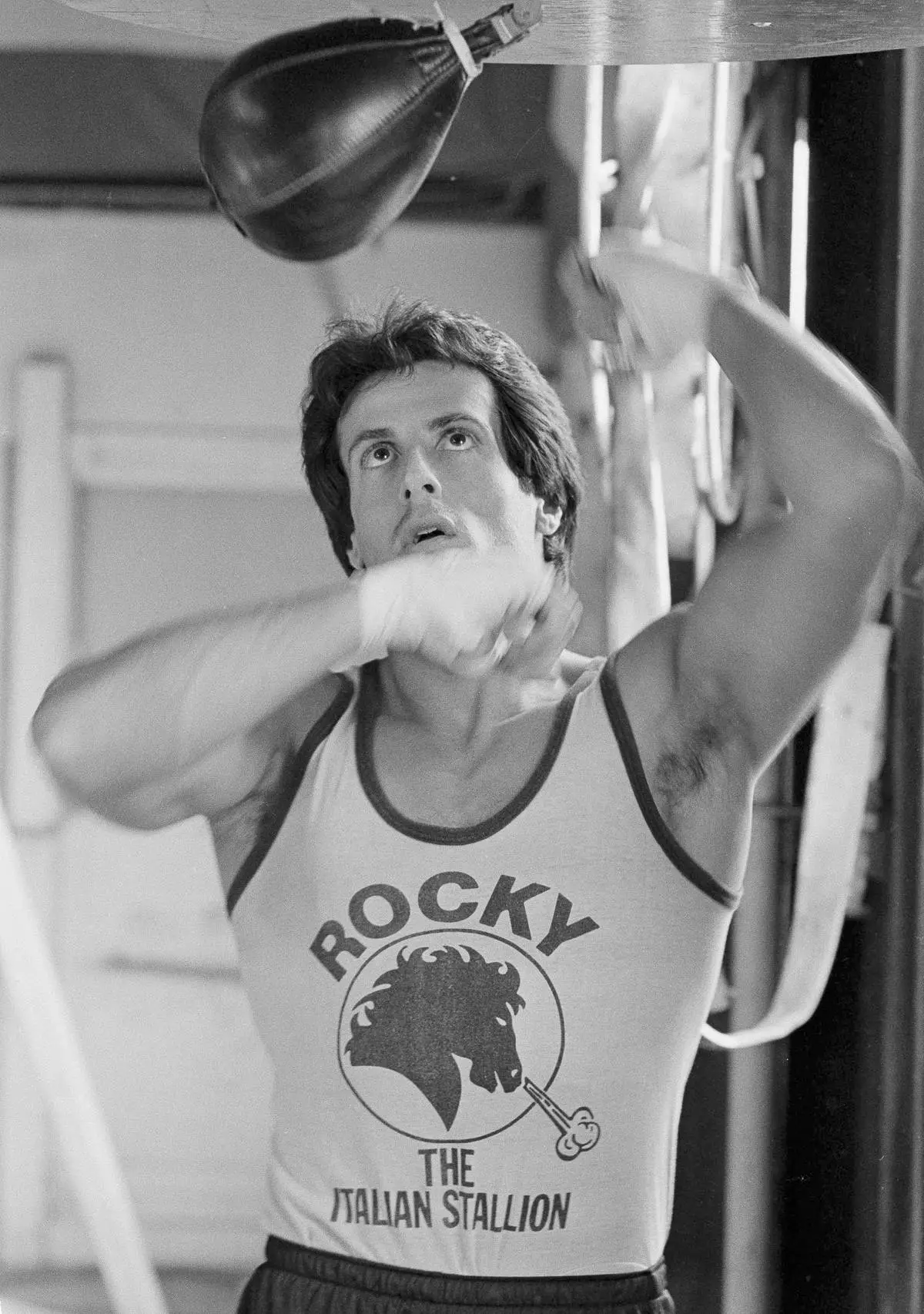
FILE - Sylvester Stallone works over a punching bag in Los Angeles, Feb. 9, 1981. (AP Photo/Randy Rasmussen, File)
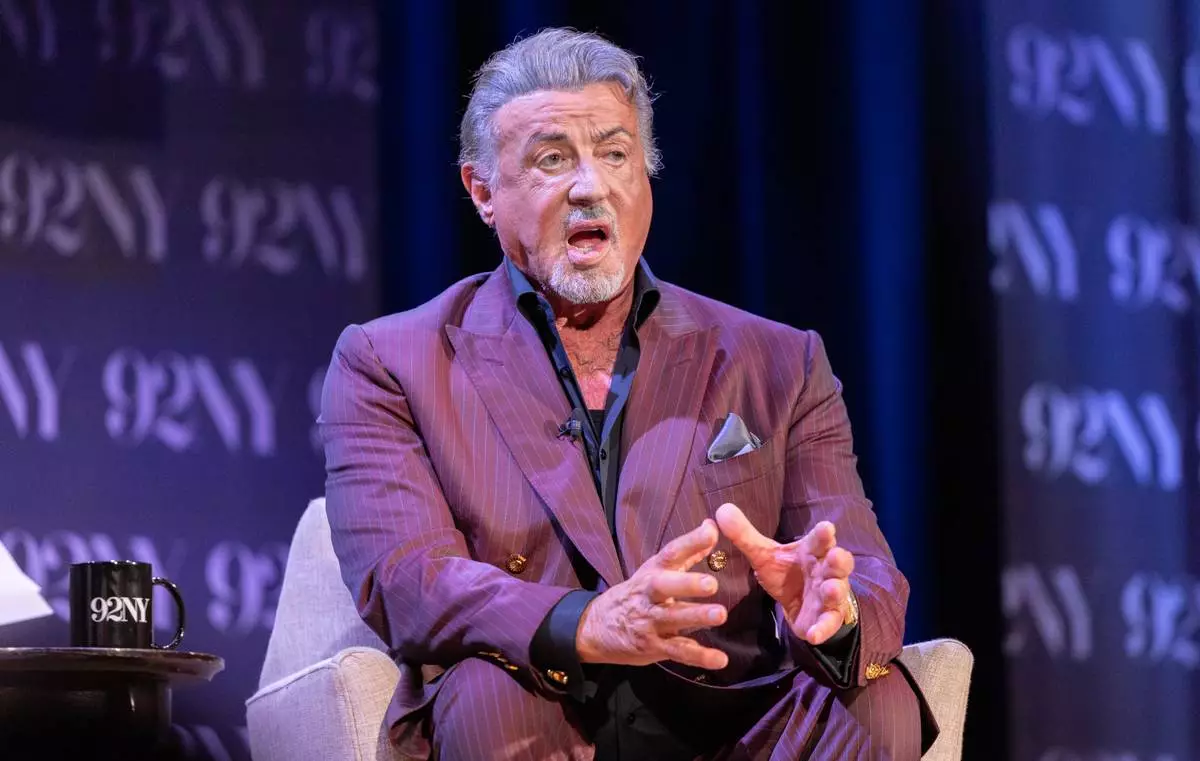
Actor Sylvester Stallone discusses his memoir "The Steps" at The 92nd Street Y on Monday, Sept. 28, 2026, in New York. (Photo by CJ Rivera/Invision/AP)
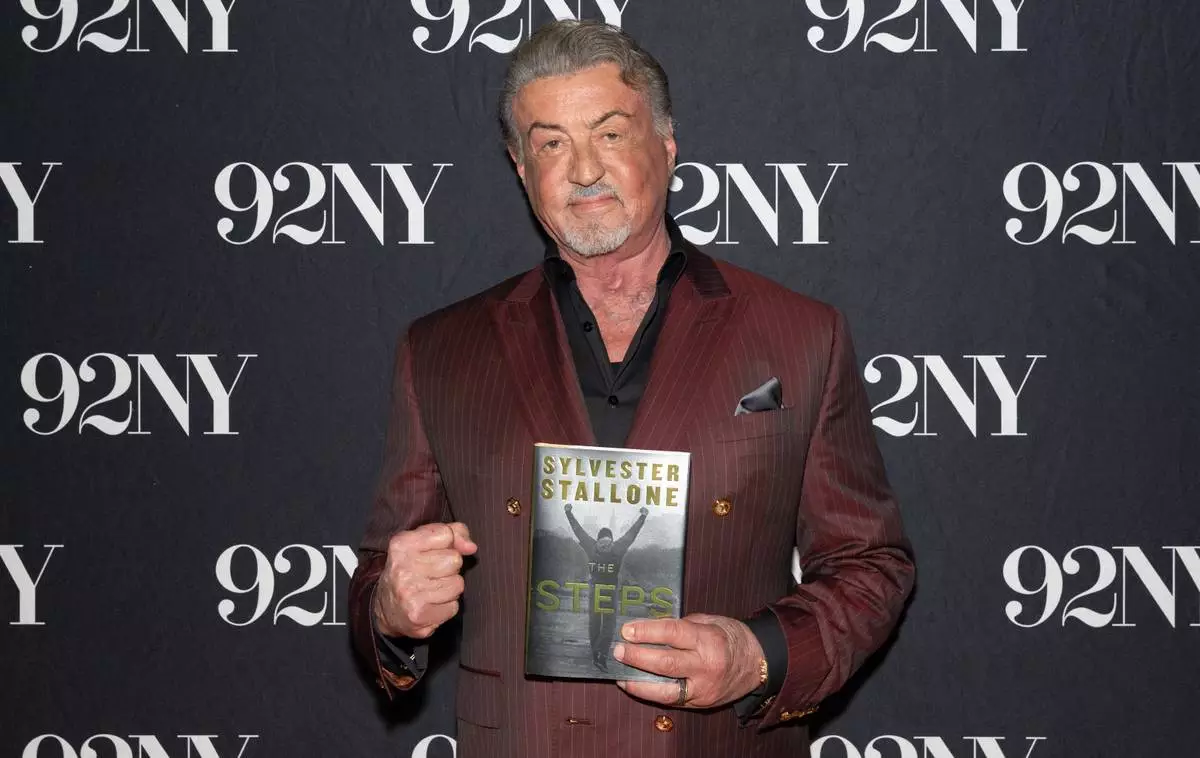
Actor Sylvester Stallone poses backstage before discussing his memoir "The Steps" at The 92nd Street Y on Monday, Sept. 28, 2026, in New York. (Photo by CJ Rivera/Invision/AP)