PORTLAND, Ore. (AP) — After a summer that included cuts by the new owner, squabbles over the renovation of the team’s arena, the hiring of a new coach and the addition of Ja Morant, the Portland Trail Blazers opened training camp with more than the usual turbulence in the background.
The one steadying factor? Damian Lillard is finally back.
Click to Gallery
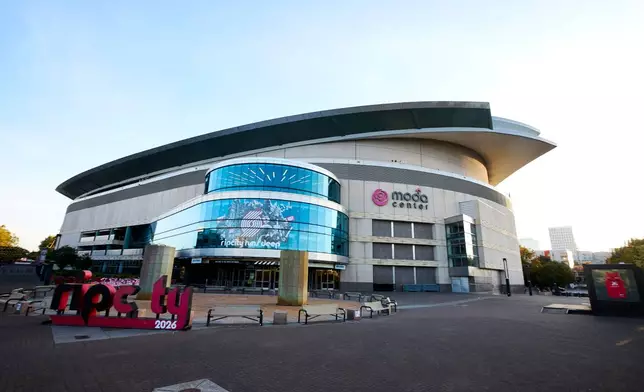
The Moda Center, home of the Portland Trail Blazers, is seen before the NBA basketball team's media day in Portland, Ore., Monday, Sept. 28, 2026. (AP Photo/Craig Mitchelldyer)
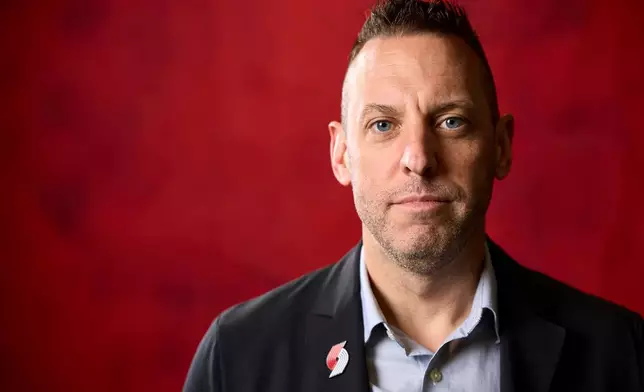
Portland Trail Blazers president of business operations Dewayne Hankins poses for a photo during the NBA basketball team's media day in Portland, Ore., Monday, Sept. 28, 2026. (AP Photo/Craig Mitchelldyer)
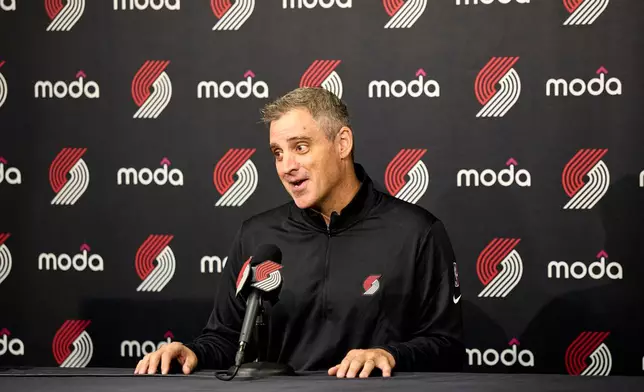
Portland Trail Blazers head coach Micah Nori talks during the NBA basketball team's media day in Portland, Ore., Monday, Sept. 28, 2026. (AP Photo/Craig Mitchelldyer)
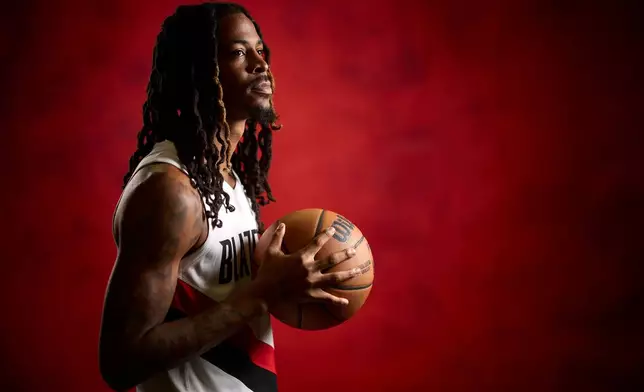
Portland Trail Blazers guard Ja Morant poses for a photo during the NBA basketball team's media day in Portland, Ore., Monday, Sept. 28, 2026. (AP Photo/Craig Mitchelldyer)
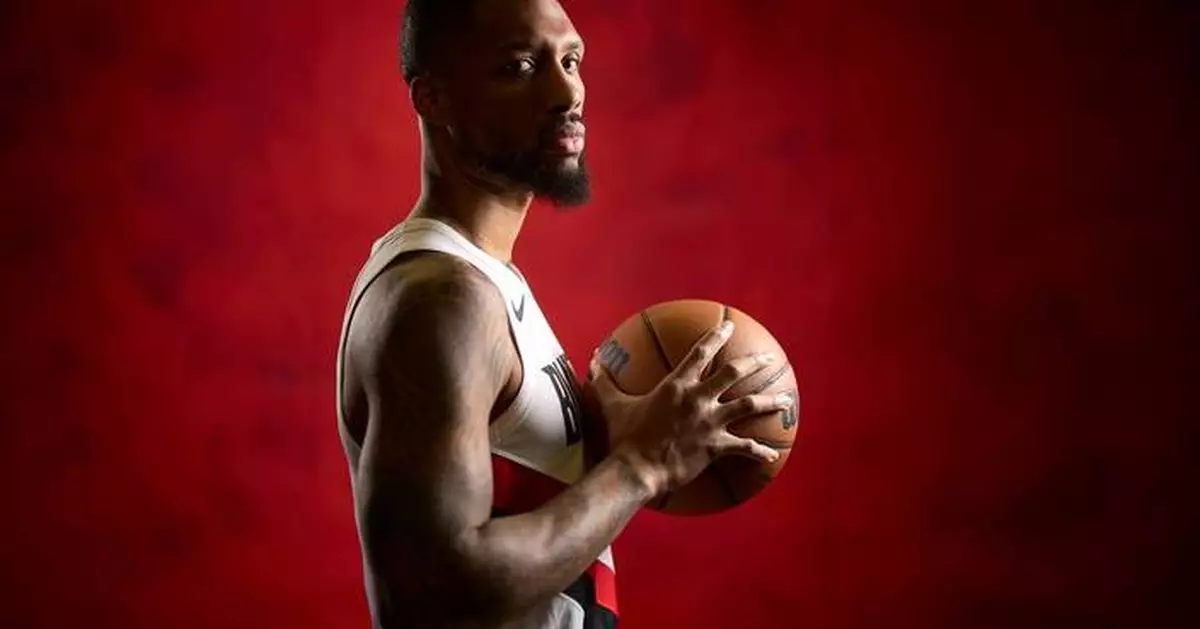
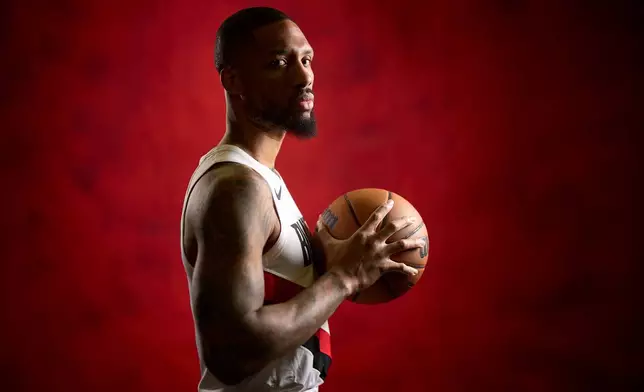
Portland Trail Blazers guard Damian Lillard poses for a photo during the NBA basketball team's media day in Portland, Ore., Monday, Sept. 28, 2026. (AP Photo/Craig Mitchelldyer)
Tom Dundon became the face of the Blazers' new ownership group before the end of last season, when the team went to the playoffs for the first time in five years. In the offseason, the Blazers laid off more than 70 staffers.
Tiago Splitter, an assistant who was promoted to head coach when Chauncey Billups was arrested last fall in a federal gambling probe, bolted for the Chicago Bulls this summer. The Blazers hired Micah Nori, who was an assistant with the Timberwolves.
Nori said the anticipation of embarking on his first stint as a head coach was “like Christmas Eve.”
Portland surprised many in late June by trading Jerami Grant and Kris Murray to the Grizzlies in exchange for Morant, a two-time All-Star who had a rocky tenure in Memphis.
Morant, who averages 22.4 points per game, has played in just 79 games over the last three seasons because of injuries and suspensions — including a 25-game suspension after he was seen on a livestream holding a gun while he was a passenger in a car. He was also suspended eight games for flashing a gun in a nightclub.
Morant said he needed a fresh start “because everything that happened over the years pretty much was just stuck with me. Everybody keeps bringing them up. As long as Memphis was across my chest, it was still getting said."
The addition of Morant made the Blazers' roster unbalanced, but general manager Joe Cronin said he believes the point guard-heavy team with Morant, Lillard, Jrue Holiday and Scoot Henderson can work.
“There’s definite areas of strength, particularly at the guard, where we have a lot of very capable guys there, many of whom are best with the ball. So we understand that we have to figure out roles and touches and just the overall team dynamics of things, but I don’t feel like there’s a major deficit throughout our other positions,” Cronin said.
Lillard returns to play after a torn Achilles tendon sidelined him for all of last season. Last summer, Lillard rejoined the Blazers — where he played for his first 11 seasons — after a two-year stint with the Milwaukee Bucks.
Over the course of his career, Lillard has averaged 25.1 points and 6.7 assists. Now 36, Lillard doesn't feel like he needs to log the heavy minutes he did in years past and aims to play with more joy this season.
He also said he's excited about the addition of Morant and believes the balance on the court will work itself out.
“All of our careers have ups and down, it’s a journey on the court, off the court. It’s a journey ultimately. It’s how you respond to those experiences and the criticism and the highs — how you respond to it is important,” Lillard said. “And being around him, you see he’s a good dude, and you know, I consider myself a pretty good judge of character.”
Lillard also expressed hope the team would remain in Portland despite contentious negotiations with the city over a $600 million project to renovate the city-owned Moda Center, the league's oldest arena, which hasn't been refurbished.
The state has already approved $365 million toward the project, but it's contingent on the city's approval to contribute a share of the total. The deadline to reach a new lease agreement with the city is in December.
Team President Dewayne Hankins said the team is meeting twice a week with the city to resolve the remaining issues.
“We’re doing everything we can to ensure the Trail Blazers stay right here," Hankins said.
The Blazers formally open training camp Tuesday ahead of the season opener on Oct. 21 at home against the Phoenix Suns.
See AP’s full NBA coverage here
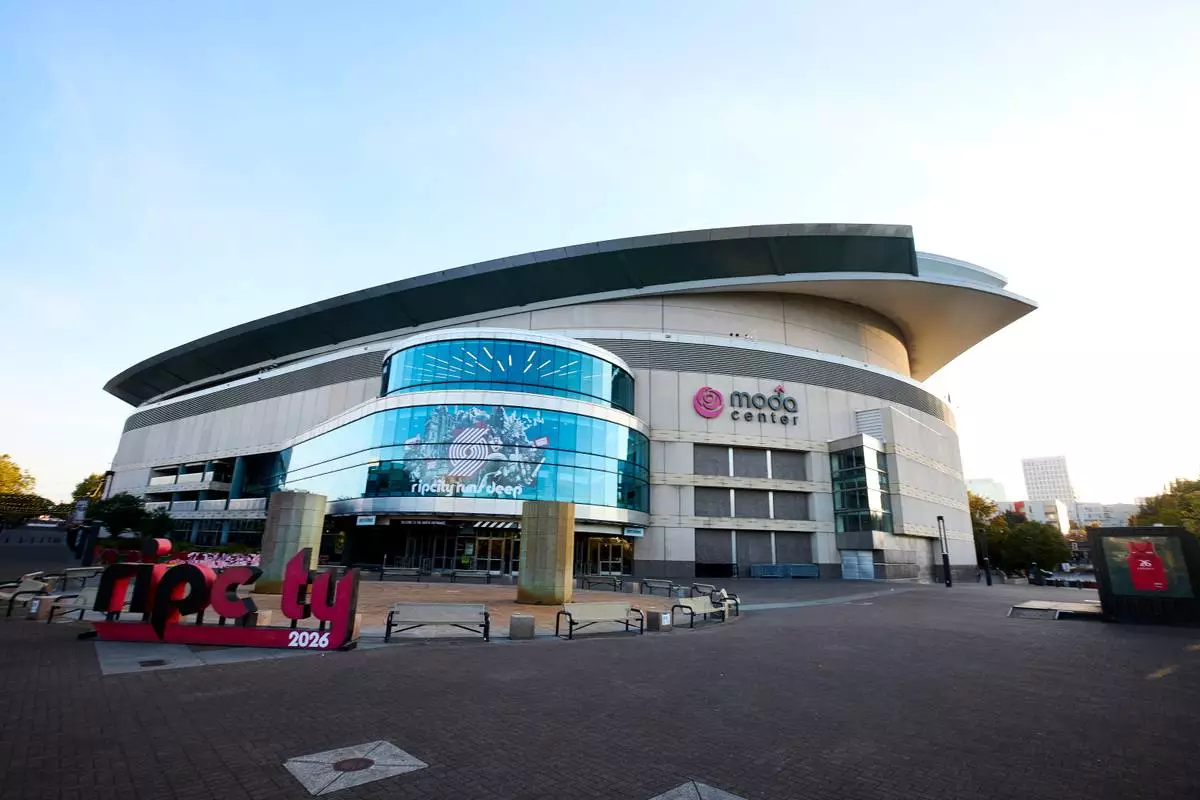
The Moda Center, home of the Portland Trail Blazers, is seen before the NBA basketball team's media day in Portland, Ore., Monday, Sept. 28, 2026. (AP Photo/Craig Mitchelldyer)
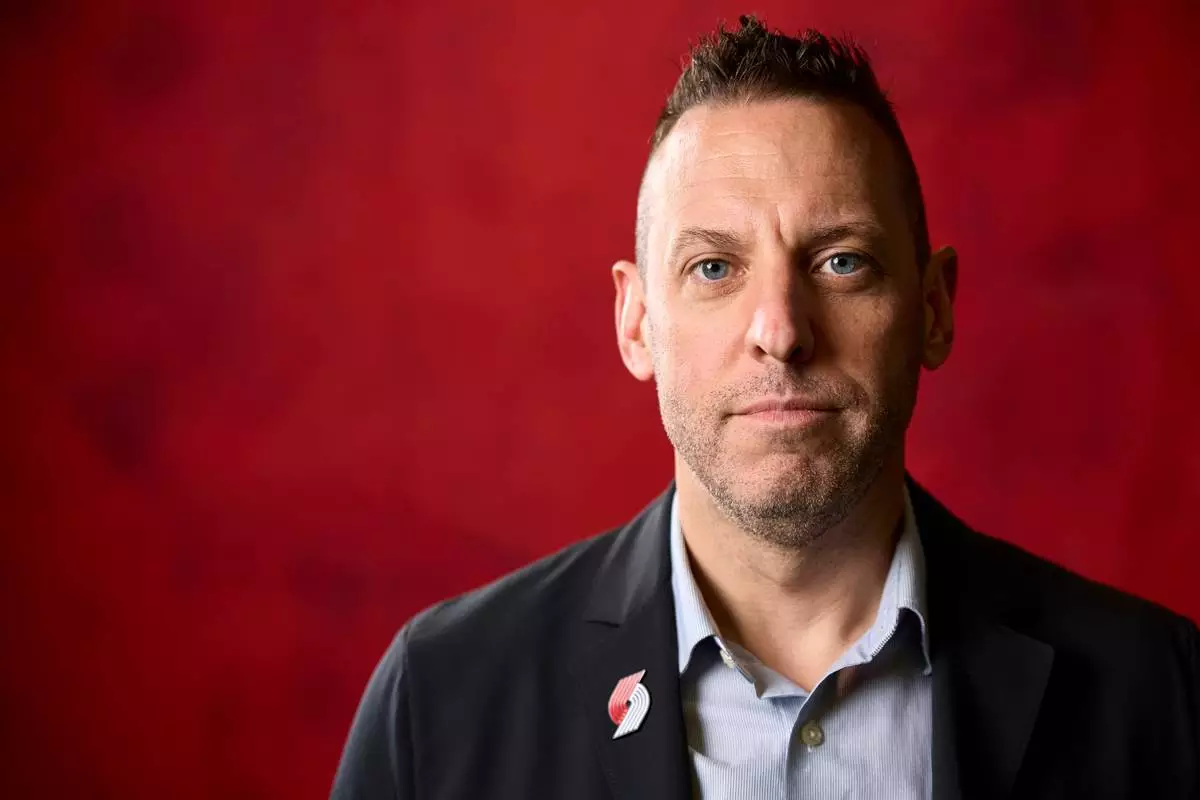
Portland Trail Blazers president of business operations Dewayne Hankins poses for a photo during the NBA basketball team's media day in Portland, Ore., Monday, Sept. 28, 2026. (AP Photo/Craig Mitchelldyer)
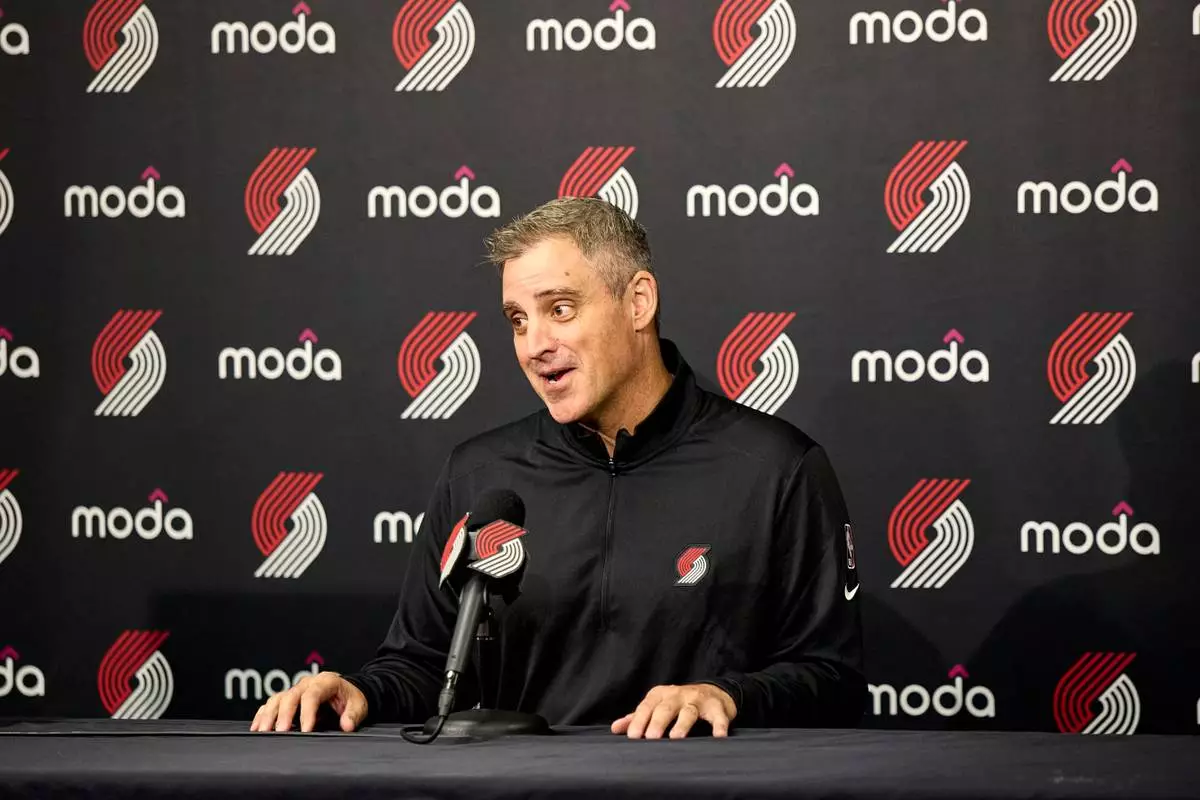
Portland Trail Blazers head coach Micah Nori talks during the NBA basketball team's media day in Portland, Ore., Monday, Sept. 28, 2026. (AP Photo/Craig Mitchelldyer)
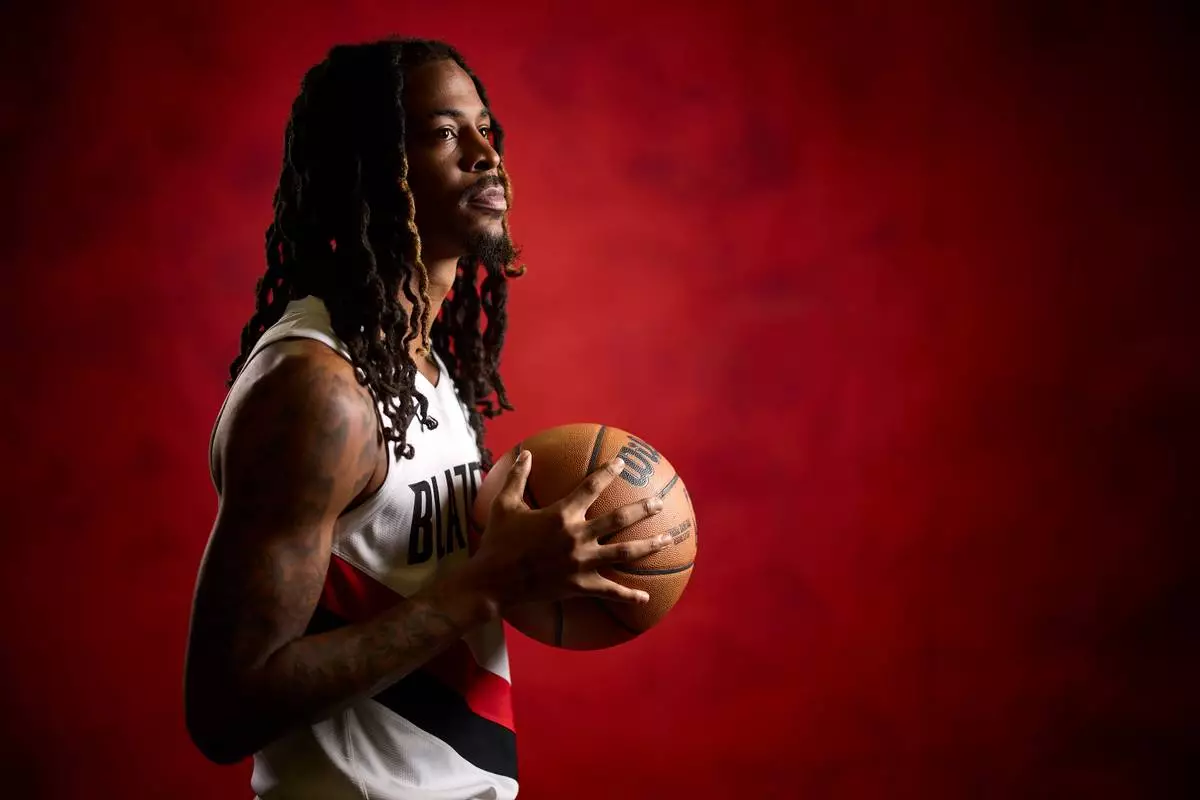
Portland Trail Blazers guard Ja Morant poses for a photo during the NBA basketball team's media day in Portland, Ore., Monday, Sept. 28, 2026. (AP Photo/Craig Mitchelldyer)
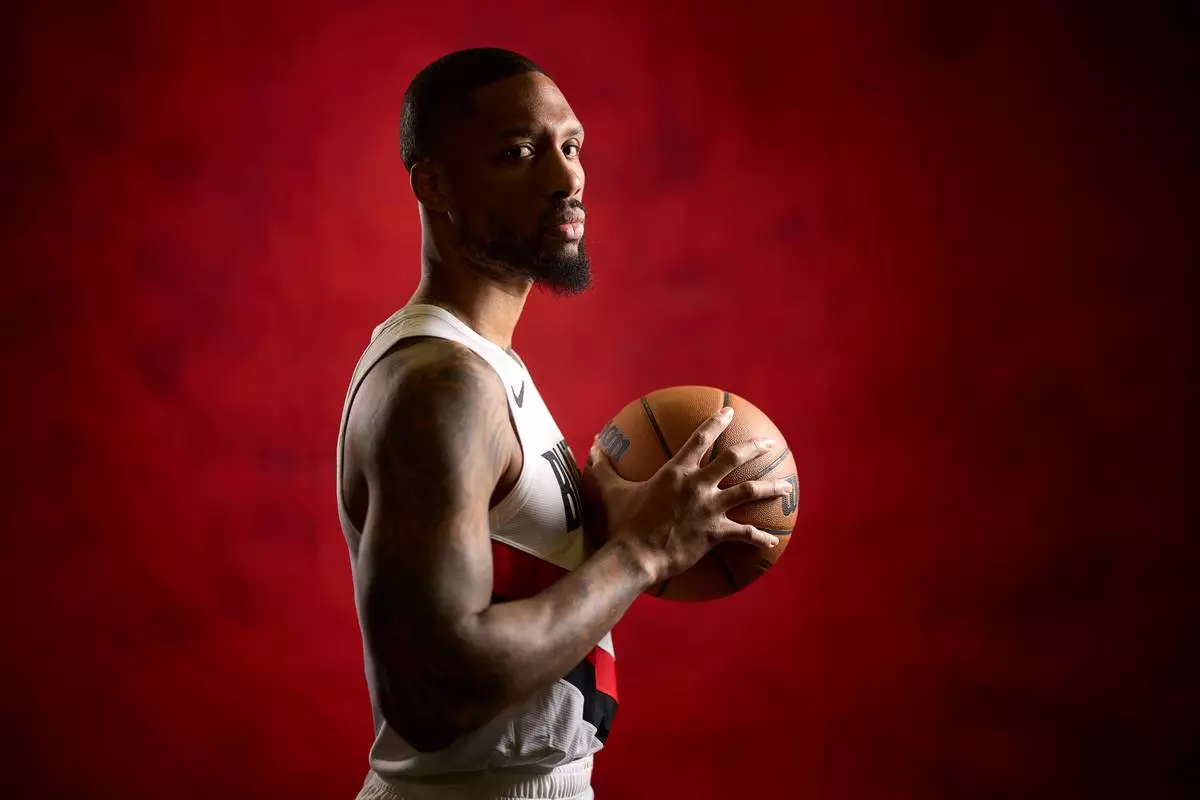
Portland Trail Blazers guard Damian Lillard poses for a photo during the NBA basketball team's media day in Portland, Ore., Monday, Sept. 28, 2026. (AP Photo/Craig Mitchelldyer)
WASHINGTON (AP) — The Senate is poised to pass a sweeping bipartisan bill on Monday that would regulate college sports, an attempt to end “chaos” in an industry that has been upended by skyrocketing athlete payments and near-unrestricted transfers between schools.
Passage of the legislation would be the strongest effort yet by Congress to set national regulations governing payments to college athletes for their name, image and likeness and how often they can transfer. It would give the NCAA new authority over those rules and limited antitrust protections to enforce them.
The bill is the product of years of Senate negotiations that intensified as some in the industry pleaded with Congress to step in after a 2025 lawsuit settlement uprooted the college sports landscape by allowing colleges to pay their players. The legislation, which would still have to pass the House, would codify the settlement into law but also establish new guardrails around the system in an attempt to rein in the runaway costs for colleges.
“It would be nice if college sports could somehow magically fix itself, but this is a matter of law, federal law, and only Congress can fix it,” said Senate Commerce Committee Chairman Ted Cruz, R-Texas, who negotiated the bill with the top Democrat on the panel, Washington Sen. Maria Cantwell.
The bill's backers — more than 70 senators from both parties — say it aims to curtail constant litigation and uncertainty across college sports for athletes, schools and fans. It would also give hundreds of thousands of student athletes new health and labor protections.
Critics say the bill doesn't do enough to protect athletes or curtail the enormous sums of money flowing to coaches, colleges and conferences.
“This is a bill that essentially ensconces a system of exploitation, and it doesn’t fix the broader problems,” said Connecticut Sen. Chris Murphy, a Democrat who has worked with labor and civil rights groups to rally opposition to the bill.
A vote was delayed for several hours Monday evening as senators in both parties negotiated a series of last-minute amendment votes, including proposals to make it easier for athletes to sue over sexual assault or injuries and a cap on ticket prices. It was unclear if those amendments will pass ahead of the final vote.
The bill's future is still unclear. President Donald Trump has repeatedly expressed an interest in the legislation, and the White House formally endorsed the bill last month. But it could face an uphill battle in the House, which failed repeatedly over the last year to get a different version to the floor and is in recess until after the November elections.
Lawmakers will have to start over in the next Congress if the bill doesn't pass both chambers by the end of the year.
College sports have been reeling in the wake of the 2025 court settlement allowing colleges to directly pay players for their name, image and likeness. The fallout has reshaped the industry and led to football roster payrolls that can exceed $40 million.
The bill codifies the court settlement, including a revenue cap that allows schools to share up to $21.5 million in revenue with their players. The legislation would more than double that amount for some schools, allowing up to an additional $27.5 million in payments through a retention fund, and would give schools and conferences the option of pooling their TV media rights to potentially raise more revenue.
The legislation also aims to stabilize the NCAA transfer portal that has led to players constantly switching teams. It would restrict player transfers to one “free” move over five years without sitting out a year, with some exceptions, and also restrict players to five years of total eligibility.
The proposed eligibility limit comes amid backlash to schools that have increasingly pushed boundaries, including LSU's now-canceled plans to place players on the roster who had participated in NFL training camps.
“That was probably like a big lamp for some people who saw it and said, ‘Oh my God, this is so out of control,’” Cantwell said in a recent interview with The Associated Press. “You can see how out-of-hand the situation was getting.”
The bill also would restrict coaches from leaving their schools during the season and prevent conferences from growing larger than 19 programs, an effort to prevent so-called “superleagues” from taking over sports. The Senate was expected to vote on an amendment by Florida Sen. Ashley Moody, a Republican, that would raise that cap to 20 schools.
It would force schools that want to switch conferences to spend three years as an independent — down from five years in the original bill. That change brought new supporters on board, including Florida State and Clemson of the Atlantic Coast Conference.
The legislation includes new protections for athletes, including caps on agent fees and guarantees for health insurance and certain scholarships. It would also require schools to maintain a minimum number of sports and roster spots — an effort to ensure that women's and Olympic sports are not cut in favor of football, basketball and other sports that generate more revenue.
Still, some Democrats say it wouldn't do enough to limit the big money in college sports.
The legislation “places a cap on the students’ cut of the revenues, but there are no caps on coaches’ salaries or on the size of donations to athletic programs,” Murphy said last week.
Virginia Sen. Tim Kaine said that the new antitrust protections would make it harder for athletes to sue universities, and “taking away their legal rights strikes me as a bridge too far.”
Groups like the NAACP, Congressional Black Caucus and AFL-CIO have also opposed the bill, in part, because it leaves unresolved whether athletes should be considered employees with the ability to collectively bargain.
All four Black Democrats in the Senate — Sens. Cory Booker of New Jersey, Raphael Warnock of Georgia, Lisa Blunt Rochester of Delaware and Angela Alsobrooks of Maryland — have opposed the bill.
Booker, who played football at Stanford in the late 1980s on a scholarship, said in a Senate floor speech earlier this month that he was “afforded opportunities I never would have had if it wasn't for college athletics” but that he also “saw how unjust the NCAA is.”
He said it wasn't until college athletes were able to begin to win cases in court that the power started to shift, “and now the NCAA is coming here to the United States Senate, asking for sweeping powers" to exempt antitrust laws.
Some Republicans also said it is overreach.
The legislation “goes way too far inserting the federal government into collegiate athletics,” said Republican Sen. Rick Scott of Florida, who is opposing it.
Despite strong bipartisan support in the Senate, the bill faces a murky path in the House.
House lawmakers won't return to Washington until mid-November, after the elections. And it's unclear what will be on Republican leaders' agenda in the chaotic last few weeks of the session.
Pressure from Trump could help push the bill to passage. But some House Republicans have insisted on language explicitly stating that athletes are not employees, which the Senate bill does not have — a key concession to Cantwell to win enough Democratic support.
House Education and Workforce Committee Chairman Tim Walberg, R-Mich., and House Energy and Commerce Chairman Brett Guthrie, R-Ky., said in a statement in May that “any lasting framework must confront the central issue that continues to cast uncertainty over the future of college sports: whether student-athletes will ultimately be treated as employees.”
“Congress cannot deliver real stability, consistency, or certainty to schools, conferences, and student-athletes while leaving that question unresolved,” the two Republicans said.
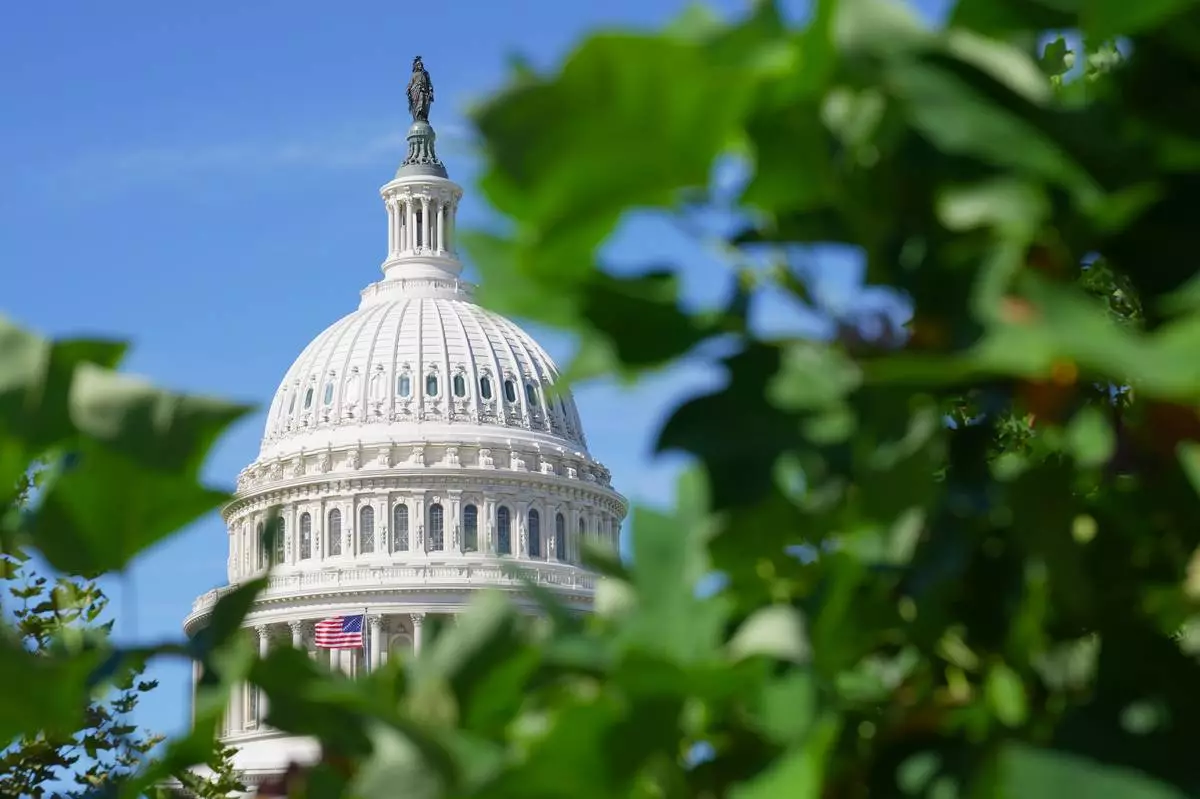
The U.S. Capitol is seen Friday, Sept. 25, 2026, in Washington. (AP Photo/Mariam Zuhaib)
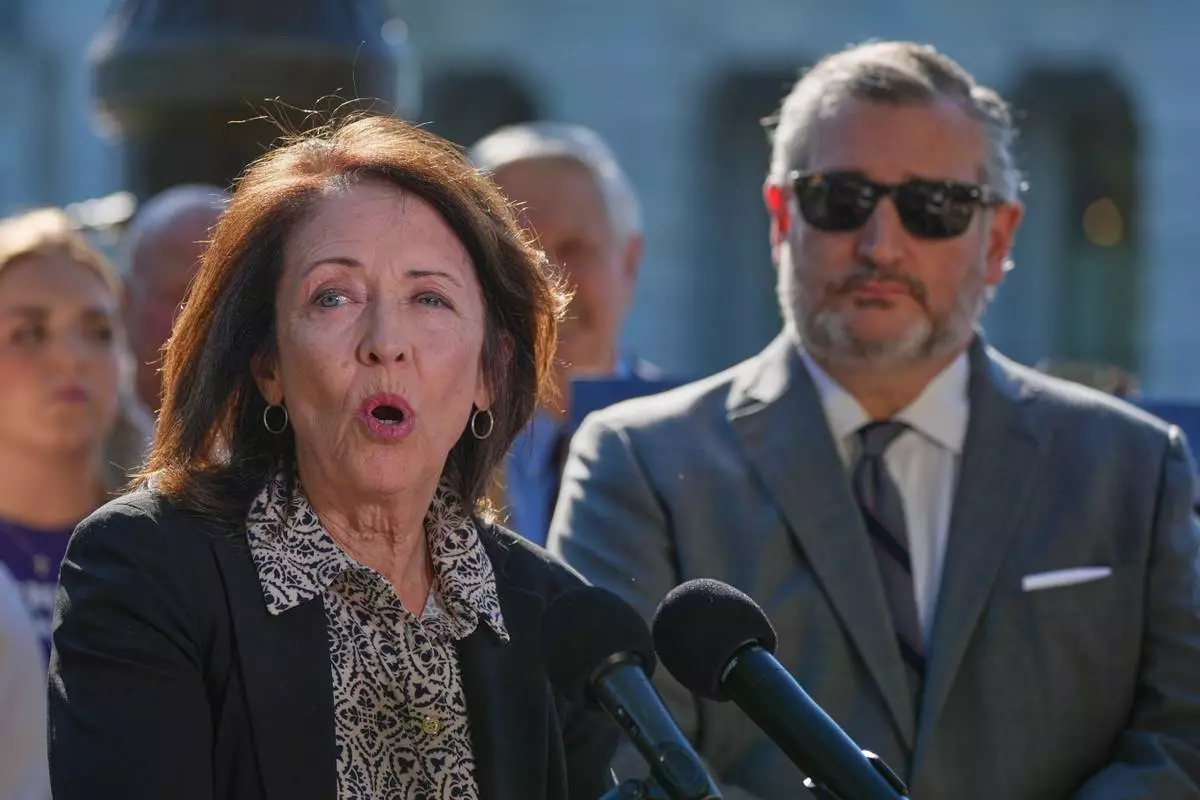
Sen. Maria Cantwell, D-Wash., left, speaks as Sen. Ted Cruz, R-Texas, right, listens during a news conference on Capitol Hill, Monday, Sept. 14, 2026, in Washington. (AP Photo/Mariam Zuhaib)