A 71-year-old man who was convicted of killing a police chief's aunt and spent decades on death row is being released Monday after prosecutors said newly analyzed DNA evidence doesn't link him to the crime.
A Utah judge ordered Douglas Stewart Carter let out on bail late Monday over objections from the victim's family. Carter will be required to wear a GPS monitor while he awaits a new trial in the 1985 killing of Eva Olesen.
Click to Gallery
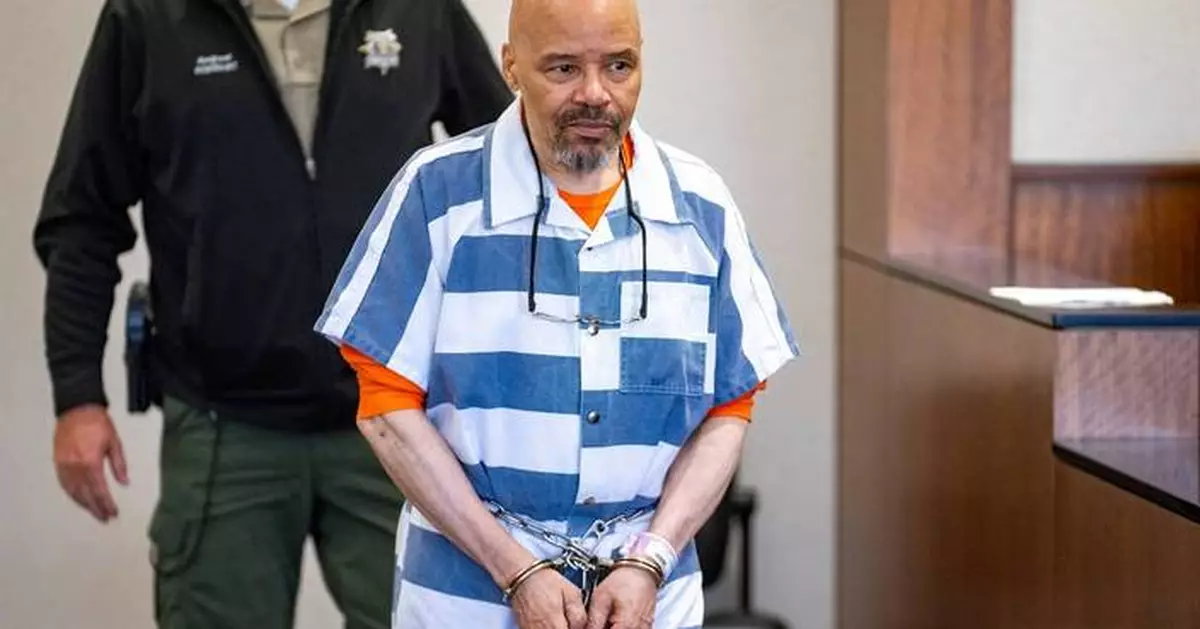
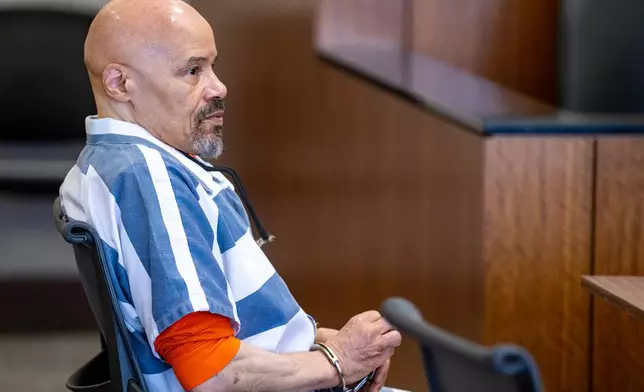
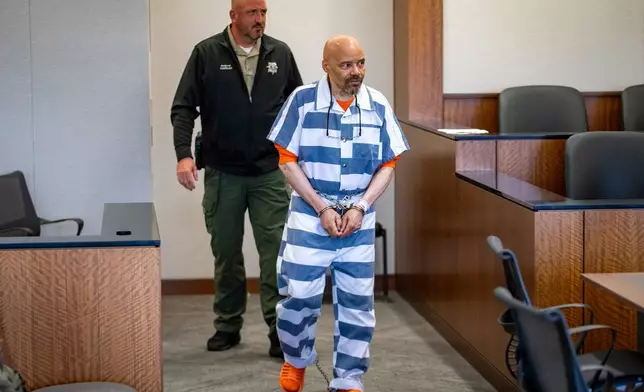
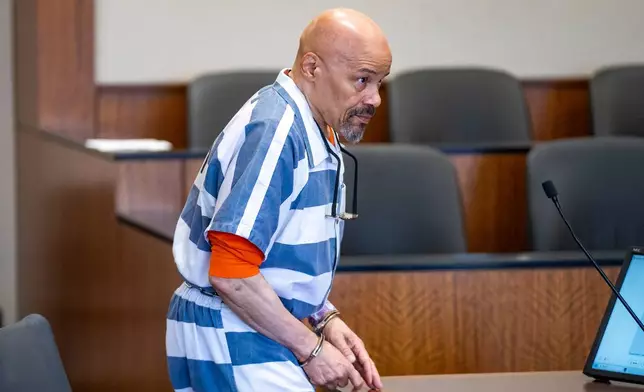
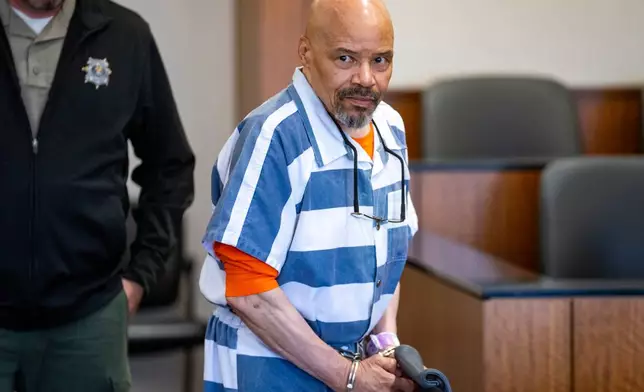
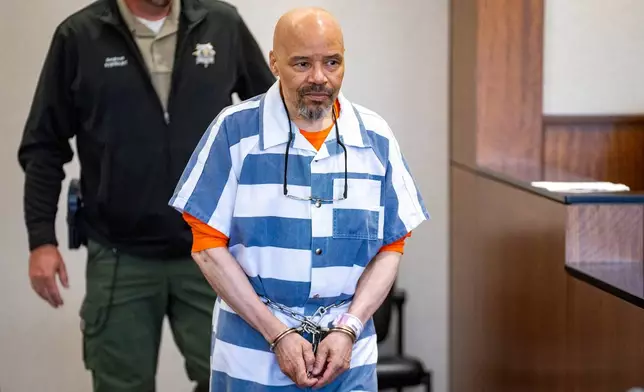
Former death row inmate Douglas Stewart Carter appears in 4th District Court in Provo, Utah, for a bond hearing on Monday, Sept. 28, 2026. (Rick Egan/The Salt Lake Tribune via AP, Pool)
Former death row inmate Douglas Stewart Carter appears in 4th District Court in Provo, Utah, for a bond hearing on Monday, Sept. 28, 2026. (Rick Egan/The Salt Lake Tribune via AP, Pool)
Former death row inmate Douglas Stewart Carter appears in 4th District Court in Provo, Utah, for a bond hearing on Monday, Sept. 28, 2026. (Rick Egan/The Salt Lake Tribune via AP, Pool)
Former death row inmate Douglas Stewart Carter appears in 4th District Court in Provo, Utah, for a bond hearing on Monday, Sept. 28, 2026. (Rick Egan/The Salt Lake Tribune via AP, Pool)
Former death row inmate Douglas Stewart Carter appears in 4th District Court in Provo, Utah, for a bond hearing on Monday, Sept. 28, 2026. (Rick Egan/The Salt Lake Tribune via AP, Pool)
The state Supreme Court ordered a new trial last year, citing misconduct by investigators. Carter has maintained his innocence and says a signed confession was coerced.
No physical evidence linked him to the crime scene, but the jury convicted Carter, a Black man, based on the confession and the testimony of two witnesses who said he bragged about killing Olesen, who was white. Those witnesses later recanted.
A DNA analysis received Sept. 22 excluded Carter as a possible match to blood found on a doorknob and genetic material recovered from the handle of a knife used to stab Olesen, who was also shot.
Judge Derek Pullan said those results further undermined the case against Carter, but a reasonable jury still could conclude that he killed Olesen.
Pullan also ordered Carter to avoid contact with Olesen's family. Defense attorney Neal Hamilton said Carter was expected to be fitted with the GPS monitor and released Monday night.
“If the state of Utah had their way he would have been executed 15, 20 years ago before we discovered the misconduct,” Hamilton said after learning of the judge's order. He urged prosecutors to seek dismissal of an aggravated murder charge still pending against Carter.
Carter will be placed in an extended stay hotel near the family of his son, who was adopted by another family as an infant and didn’t learn about the conviction until years later, Hamilton said. Carter also will need therapy to deal with his extended incarceration, the attorney said.
Pullan had scheduled a two-month retrial for 2027, but last week Utah County prosecutors withdrew a notice that they intended to seek the death penalty.
Utah County prosecutor Erwin Petilos told the judge Monday that reassessing Carter’s bail was “necessary and fair” as the state continues to look at the remaining evidence in the case.
Carter, a Chicago native, had been living with his mother in Utah at the time of Olesen’s killing on Feb. 27, 1985. Court documents indicate the investigation eventually focused on Carter, who was suspected of killing Olesen during a robbery.
By that April, Carter had fled Utah believing he was a suspect in an unrelated assault case, according to court documents. He was apprehended that June in Nashville, Tennessee, where he signed a confession while under interrogation by a Provo detective.
Carter said later that he falsely confessed after police repeatedly threatened him. He was convicted and sentenced to death after a trial in which the defense called no witnesses. He was again sentenced to death after a 1992 retrial, and courts in Utah rejected numerous appeals from Carter in subsequent years.
A turning point came in 2011, when the two witnesses from Carter's original trial were tracked down in Mexico. They said they had been told to lie in court and had received cash and gifts from police, who told them not to disclose the payments. They also said police and prosecutors threatened them and their son with deportation if they did not implicate Carter.
More than a decade of legal wrangling followed before the Utah Supreme Court last year ordered a new trial, citing “multiple instances of intentional misconduct” by police and a prosecutor. A DNA analysis of the evidence was conducted in response to that order, and prosecutors said the results arrived last week. They declined Monday to say whether they're using the DNA evidence to search for other suspects with matching DNA.
Carter has been in the Utah County jail while awaiting trial.
Carter's defense attorneys have said witnesses saw a white man fleeing the crime scene and an investigator suppressed evidence pointing to other suspects, including the victim’s husband, Orla Olesen.
They allege that prosecutors were close to filing charges against the husband, but a Provo police lieutenant asked them not to so he could continue investigating. Carter was identified as a suspect soon after, according to court documents.
Orla Olesen, a painting contractor who died in 2009, told police he found his wife dead in their home, partially undressed and with her hands tied behind her back.
Theresa Olesen, a daughter-in-law of Eva Olesen, said during Monday's bond hearing that her family had "serious concerns" about Carter's release.
“By golly we were hoping for a concrete match,” Olesen said of the DNA analysis. “It doesn't mean he wasn't there."
“We just want justice for Eva. And if he had any part of it we want that to be known,” she added.
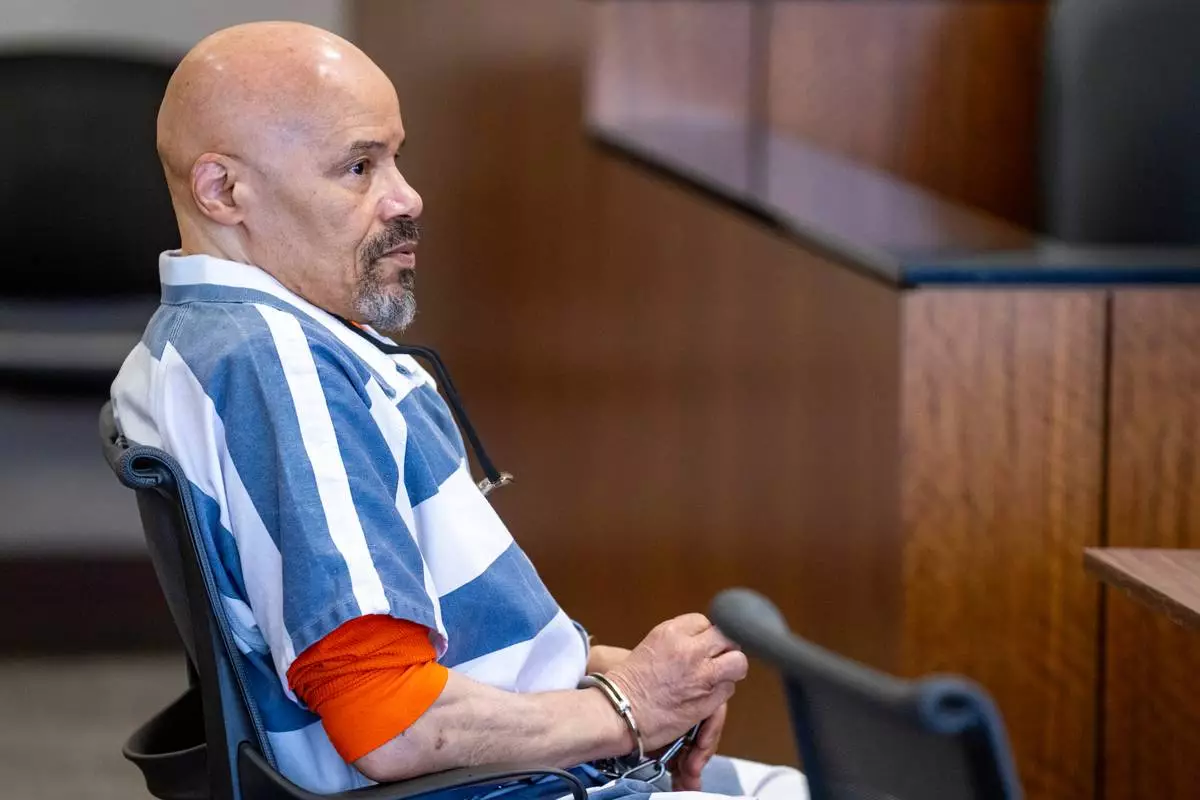
Former death row inmate Douglas Stewart Carter appears in 4th District Court in Provo, Utah, for a bond hearing on Monday, Sept. 28, 2026. (Rick Egan/The Salt Lake Tribune via AP, Pool)
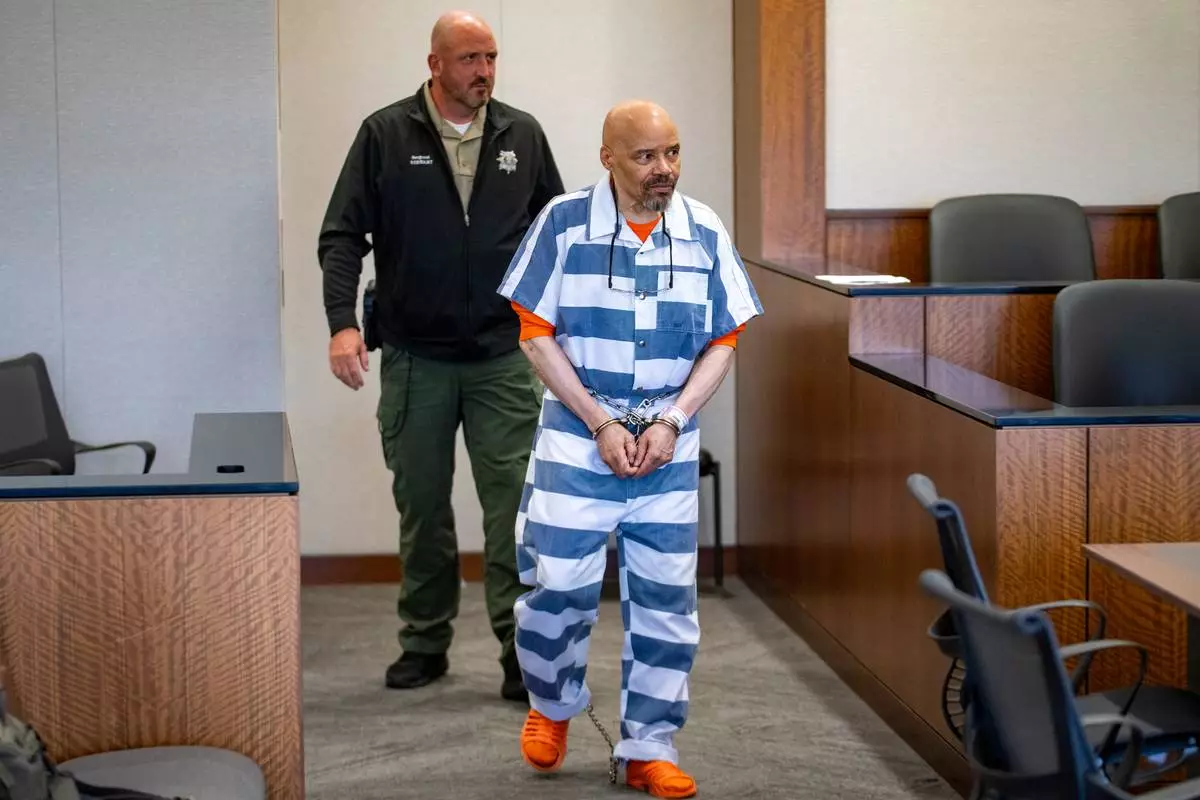
Former death row inmate Douglas Stewart Carter appears in 4th District Court in Provo, Utah, for a bond hearing on Monday, Sept. 28, 2026. (Rick Egan/The Salt Lake Tribune via AP, Pool)
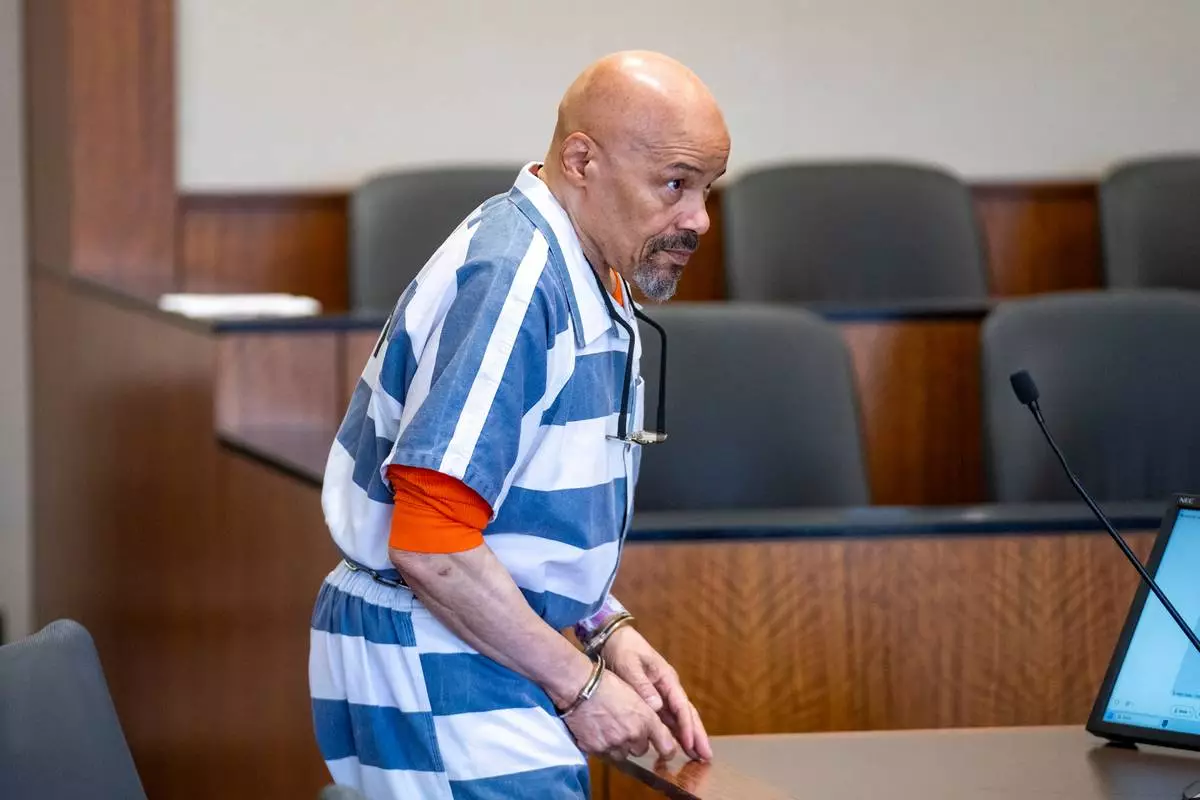
Former death row inmate Douglas Stewart Carter appears in 4th District Court in Provo, Utah, for a bond hearing on Monday, Sept. 28, 2026. (Rick Egan/The Salt Lake Tribune via AP, Pool)

Former death row inmate Douglas Stewart Carter appears in 4th District Court in Provo, Utah, for a bond hearing on Monday, Sept. 28, 2026. (Rick Egan/The Salt Lake Tribune via AP, Pool)
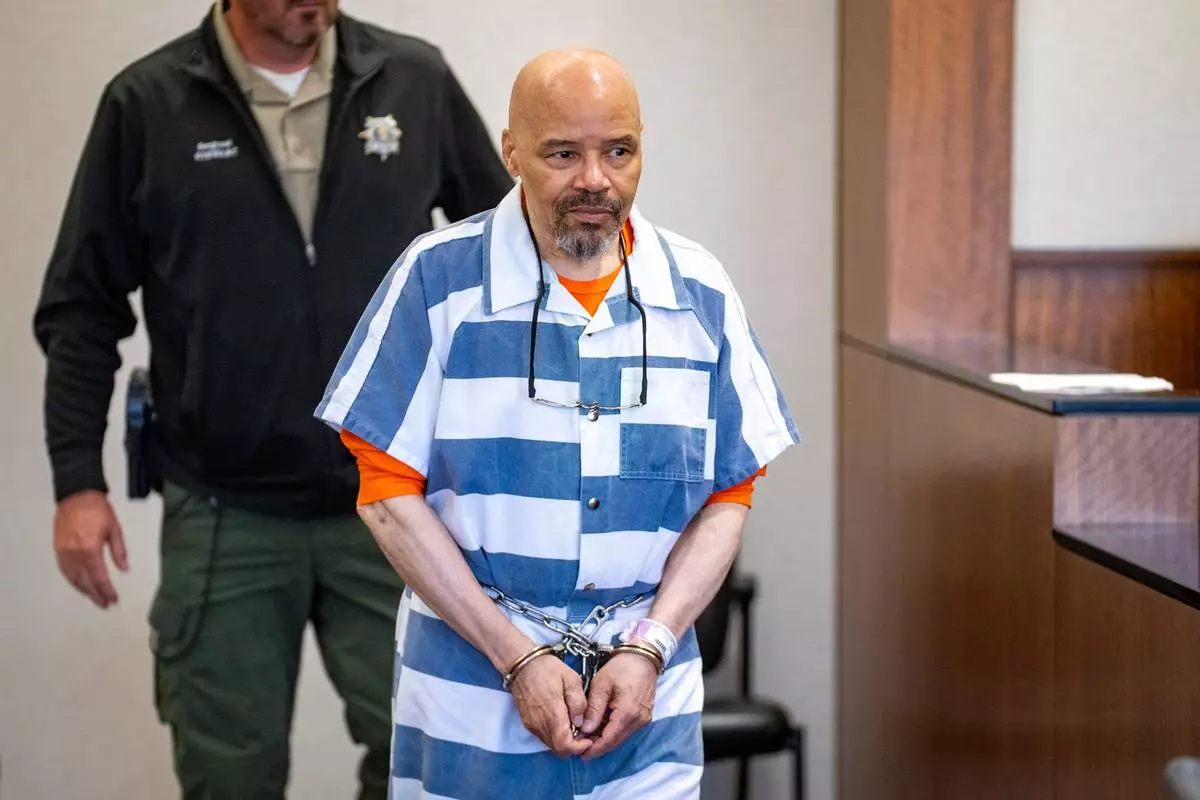
Former death row inmate Douglas Stewart Carter appears in 4th District Court in Provo, Utah, for a bond hearing on Monday, Sept. 28, 2026. (Rick Egan/The Salt Lake Tribune via AP, Pool)
PUERTO SAN CARLOS, Mexico (AP) — Wind whipped Mexico’s northern Pacific coast and water began to flood some streets Monday as Hurricane Polo bore down on Baja California Sur, threatening flash floods and mudslides. Meanwhile, Hurricane Nolo could still bring torrential rain to parts of Hawaii even as the storm edges away from the state.
In Puerto San Carlos, a fishing town of about 5,700 people, high tides and pounding waves from Polo were breaching sea barriers as residents worried for their homes in the mostly empty town. Hundreds of people in the region evacuated, hunkering down in nearby shelters in schools and other facilities.
“Civil Protection told those of us here in San Carlos to evacuate because this is a high-risk area. With the current tides, the expected waves and the wind, the earthen barriers they built (to prevent flooding) could give way,” Rocío Sánchez, a fisherwoman, said.
Polo was a Category 3 storm with top sustained winds of 115 mph (185 kph) Monday, the U.S. National Hurricane Center in Miami said. It's expected to produce 6-12 inches (about 15 to 30 centimeters) of rain across parts of Baja California Sur.
Forecasters said it would hit the Mexican mainland after lashing Baja California Sur, and that life threatening winds and flash floods were expected. It could bring heavy rain and flooding to parts of the U.S. Southwest later in the week.
The government of the northern Mexican state of Sonora on Monday night announced it would suspend all “non-essential” activities, including school, sports and non-essential work, in the state capital and more than a dozen municipalities due to the incoming hurricane.
Residents in Baja California Sur were anxiously bracing themselves. Margarita Bobadilla and her family were sheltered in a local school, saying it was safer than weathering the storm in her wooden house.
“Material things can be replaced, but family can’t. My children and I decided to come here last night, and now we’re waiting to see what happens.”
Others lingered in their mostly emptied town of Puerto San Carlos, crossing their fingers the light flooding and powerful winds would be the worst of Polo.
Laura Velázquez, national coordinator of Mexico’s Civil Protection Agency, reported that Polo would make landfall later in the afternoon. With Polo approaching Mexico, the Mexican navy said it had personnel ready across the northern Pacific coast and deployed three vessels that could ship aid to coastal communities isolated by the storm. Local authorities along the Baja California Peninsula said they had shelters at the ready.
At a Monday morning news briefing, Velázquez urged residents to stay off the streets and seek shelter if their homes are at risk. She said travel will be suspended in the area where the hurricane was expected to make landfall and that ports across the region would be closed.
At the same time, Tropical Storm Rachel was brewing over Mexico’s southwest coast. The hurricane center said Monday that Rachel had maximum sustained winds of 60 mph (96.6 kph) and was located about 250 miles (402.3 kilometers) southwest of Acapulco. No coastal watches or warnings were in effect.
Storm activity in the Pacific has been above average during what is already the peak of hurricane season, according to National Weather Service lead forecaster Bob Oravec. He said that pattern is consistent with El Niño years, when the Pacific often sees more tropical storms and hurricanes.
While Polo is slated to weaken over northern Mexico, tropical weather was also supposed to deal a one-two punch to the U.S. Southwest.
The region has already been saturated by heavy rain over the past months, and regions like New Mexico and Grand Canyon were hit by devastating floods earlier this month. Now, the remnants of Polo are forecast to track east across the region, expected to douse Arizona, Utah, New Mexico and Texas with inches of rain.
That’s a good chunk of the 8-12 inches (about 20-30 centimeters) the arid area of canyons and rocky expanses with little vegetation usually gets in a year. Such terrain is already conducive to flash flooding, sudden torrents that can sweep down canyons and other low-lying areas with little warning. The new tropical weather adds more risk, said Andrew Mangham, senior service hydrologist for the National Weather Service in Albuquerque.
“We’re getting caught up here in a very, very short time,” Mangham said. “And that’s not really what we want. We want nice rains, you know, all summer long.”
Nolo, meanwhile, was well southwest of Hawaii and moving away from the Big Island as the weekend drew to a close. Nolo drenched communities in south and southeastern parts of the Big Island over the weekend, prompting some highway closures on Saturday evening and Sunday as rushing water and boulders blocked roadways.
Hawaii National Guard members rescued 19 people from flooding over the weekend, the U.S. National Guard said in a post on Facebook.
Damage assessments are still underway as Nolo moves northwest. While it's keeping its distance from the main Hawaiian Islands, it's approaching Papahanaumokuakea Marine National Monument, a marine conservation area northwest of the islands, according to the National Hurricane Center. It could bring dangerous conditions to the area starting Tuesday, the center reported.
Thousands of households and businesses on Maui lost power for a time, but by Monday afternoon, service had been restored to nearly all of them, according to poweroutage.us. The majority of the outages were related to storm damage, according to statements from Hawaiian Electric.
Hawaii residents were still recovering from several other natural events this year, including spring Kona low storms, a May earthquake, Hurricane Lala in August and Hurricane Lowell in September. Those events affected more than 1,290 homes, according to the state, and caused nearly $700 million in damage and recovery costs.
Janetsky reported from Mexico City. Photojournalist Eduardo Verdugo contributed from Puerto San Carlos, Mexico, reporter Julie Walker reported from New York, reporter Mead Gruver reported from Fort Collins, Colorado. Videojournalist Eugene Garcia and photographer Gregory Bull contributed from Hilo, Hawaii.
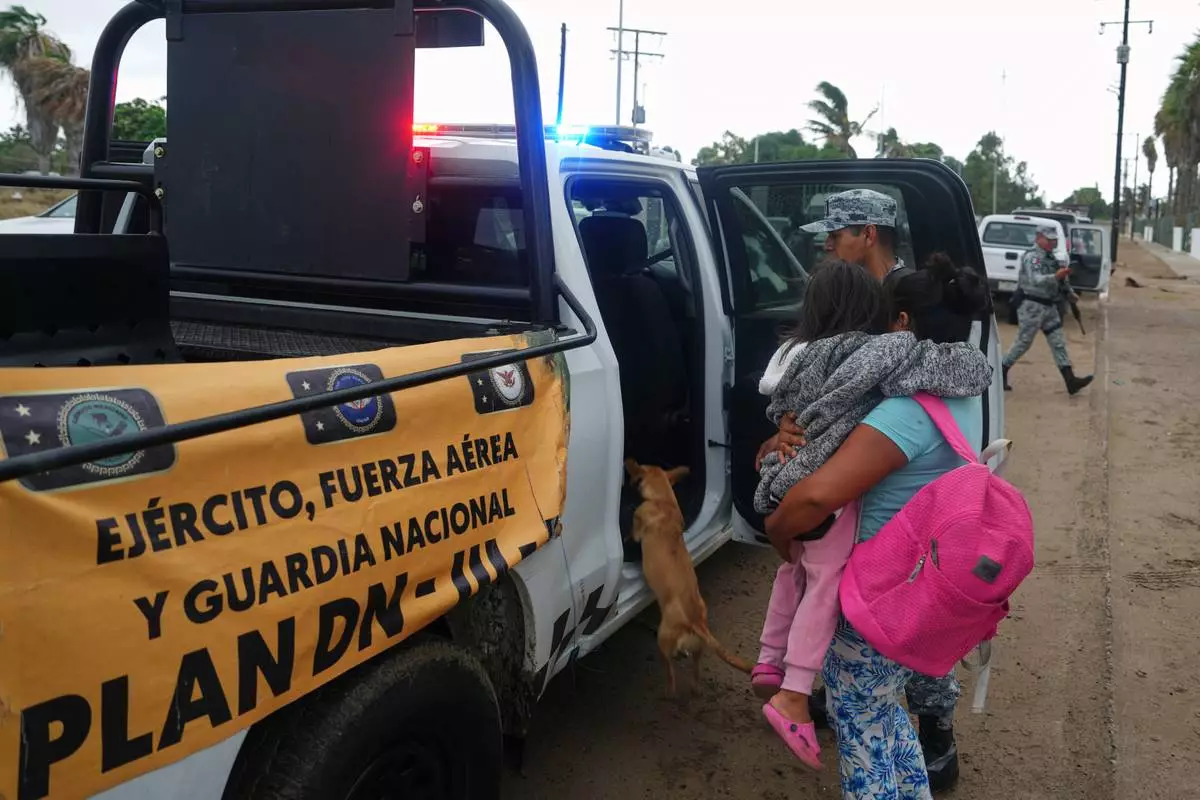
Residents are evacuated by the Army as Hurricane Polo approaches Puerto San Carlos, Baja California Sur state, Mexico, Monday, Sept. 28, 2026. (AP Photo/Eduardo Verdugo)
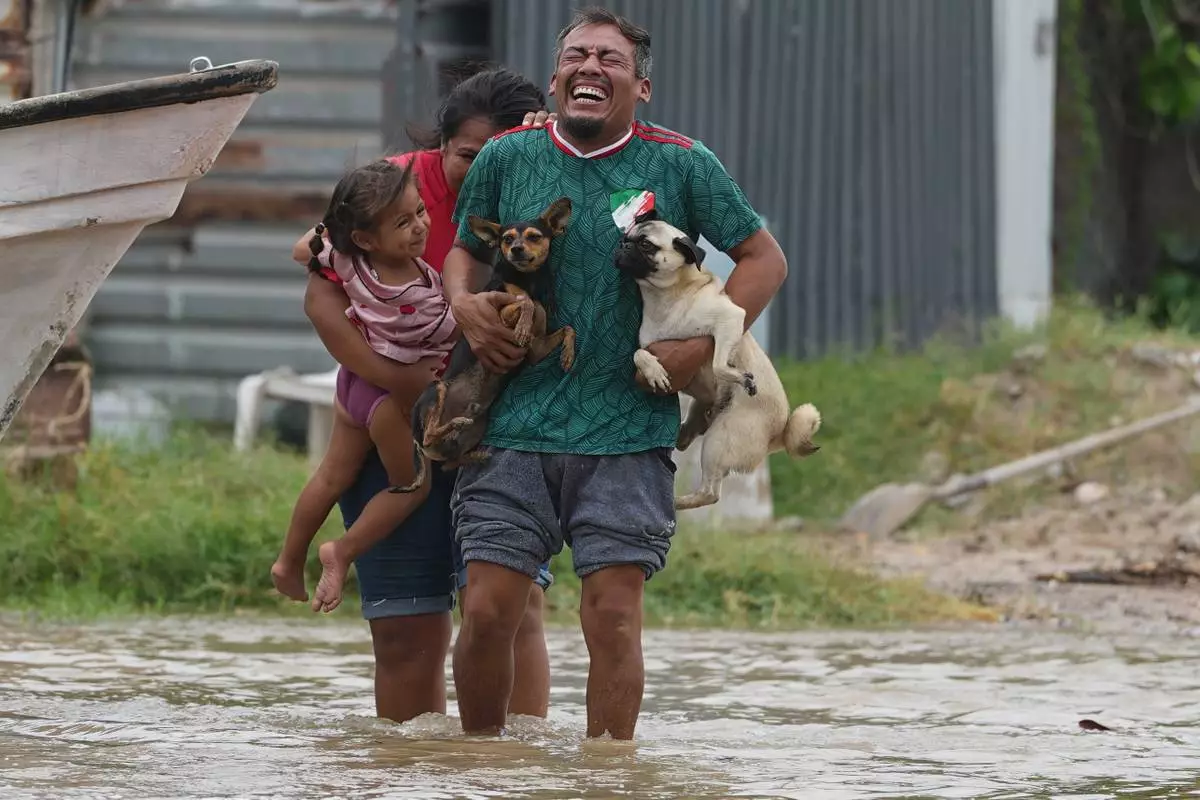
People evacuate their homes as Hurricane Polo approaches Puerto San Carlos, Baja California Sur state, Mexico, Monday, Sept. 28, 2026. (AP Photo/Eduardo Verdugo)
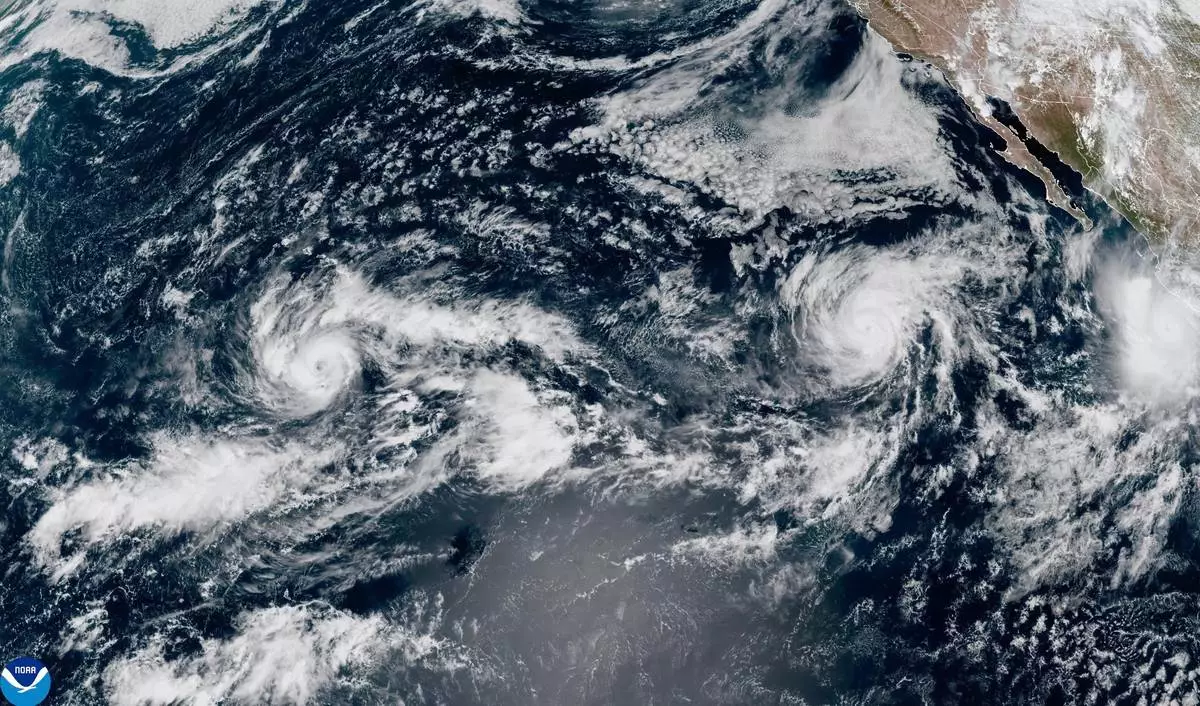
This satellite image provided by NOAA shows Tropical Storm Nolo, left, south of Hawaii; Hurricane Odalys, middle, and Hurricane Polo, right, off the coast of Mexico, in the Pacific Ocean on Thursday, Sept. 24, 2026. (NOAA via AP)
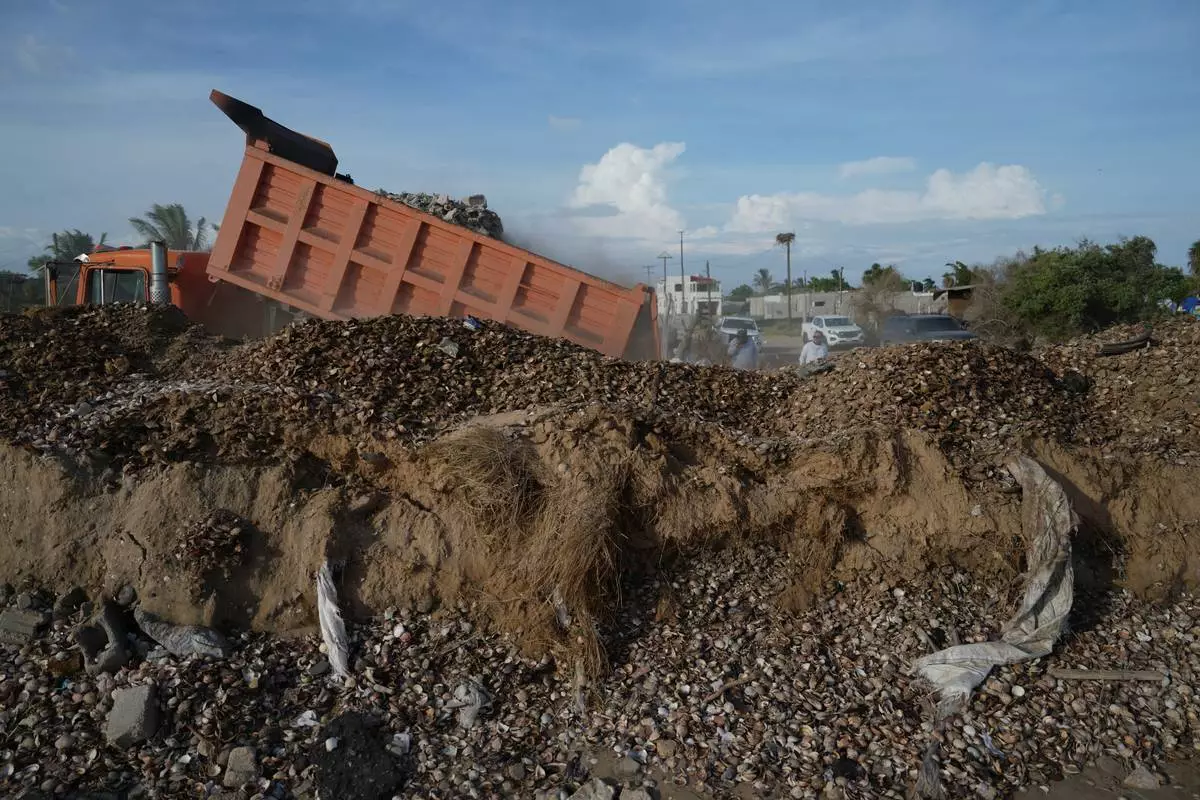
Workers build a barricade to help keep water out of their town as Hurricane Polo approaches in Puerto San Carlos, Baja California Sur state, Mexico, Sunday, Sept. 27, 2026. (AP Photo/Eduardo Verdugo)
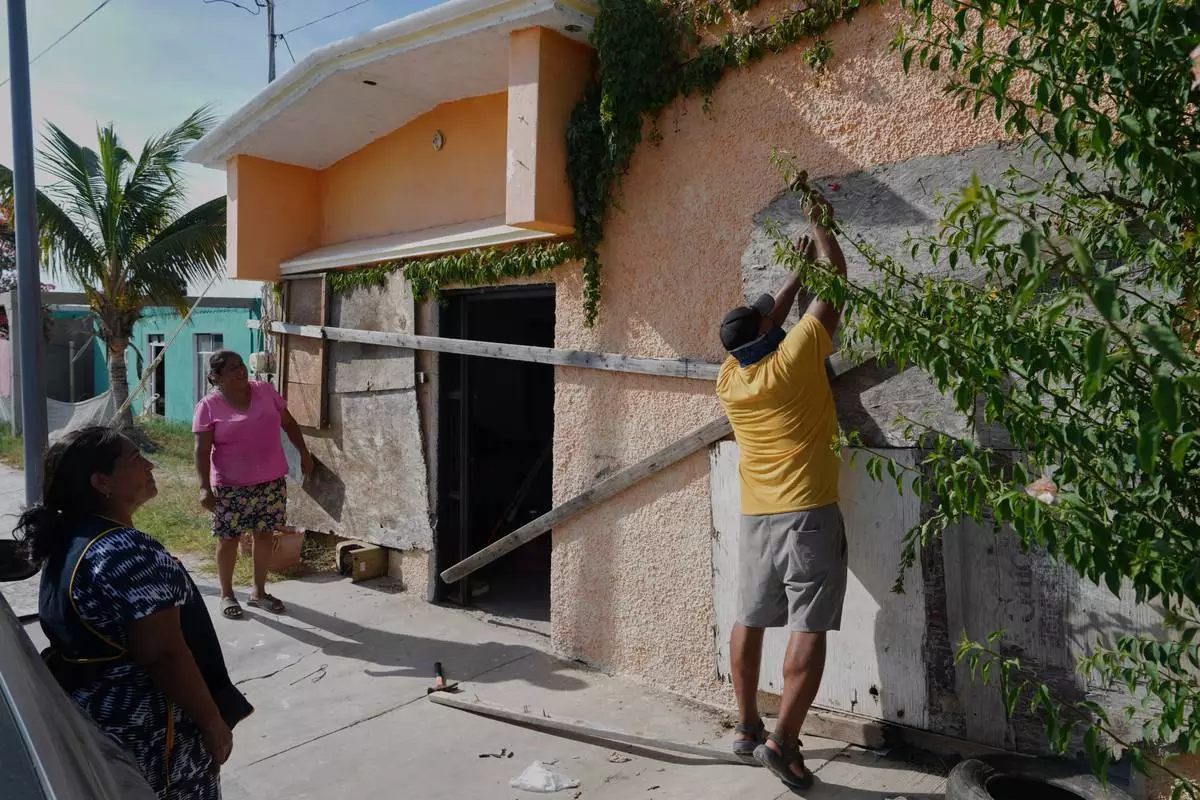
A man boards up a house's windows as Hurricane Polo approaches in Puerto San Carlos, Baja California Sur state, Mexico, Sunday, Sept. 27, 2026. (AP Photo/Eduardo Verdugo)
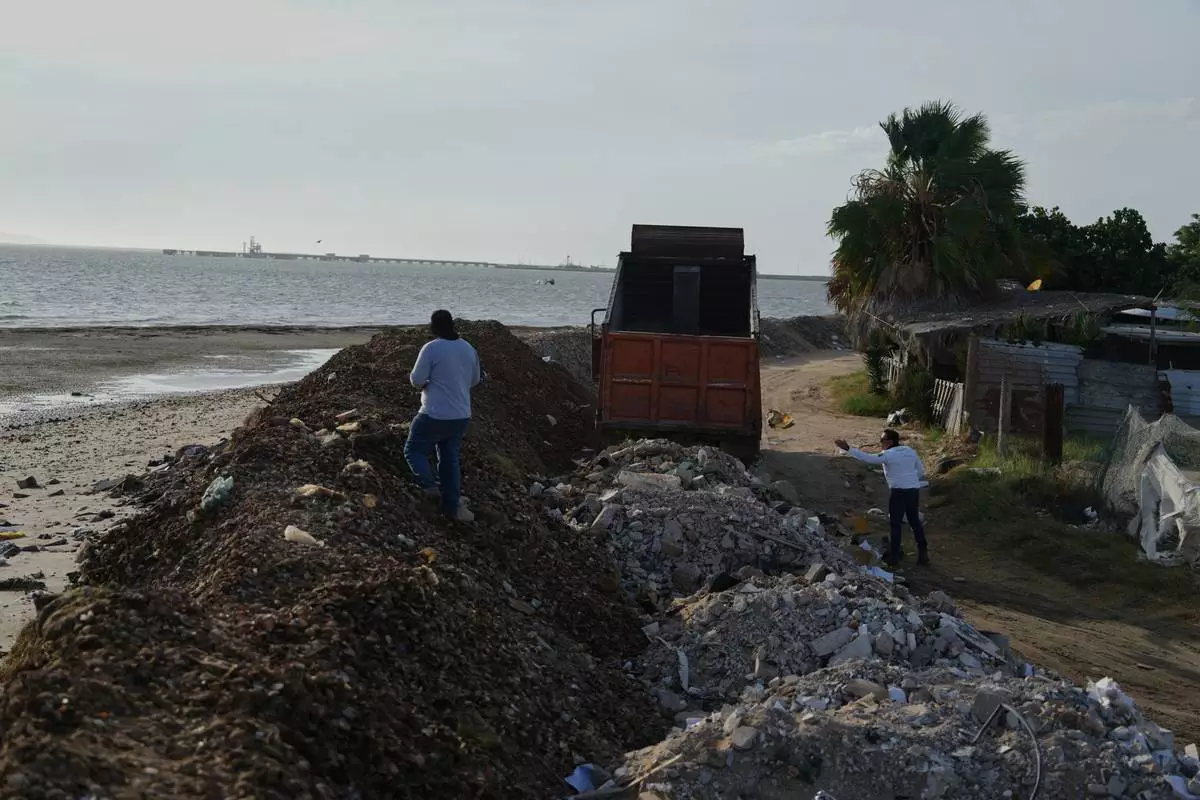
Workers build a barricade to help keep water out of their town as Hurricane Polo approaches in Puerto San Carlos, Baja California Sur state, Mexico, Sunday, Sept. 27, 2026. (AP Photo/Eduardo Verdugo)
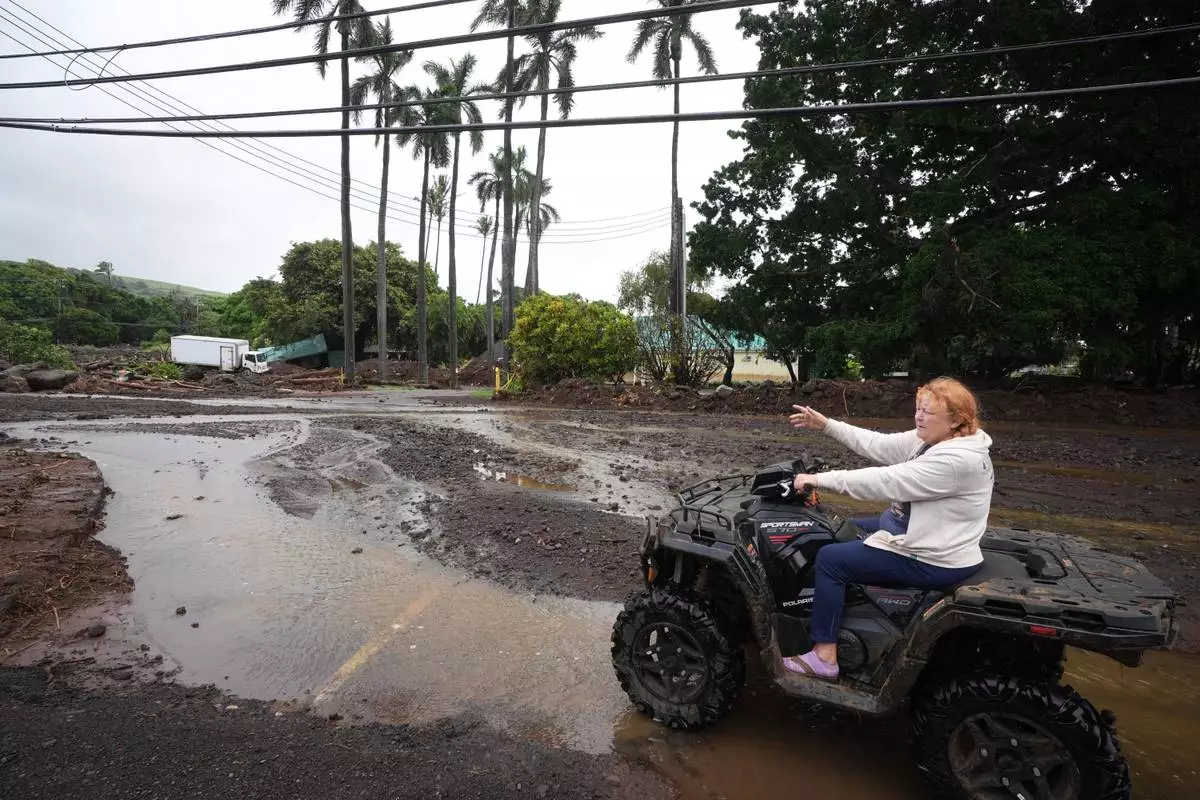
Peggy McKibbin looks at where floodwaters from nearby Hurricane Nolo run past widespread damage from last month's Hurricane Lala Sunday, Sept. 27, 2026, in Naalehu, Hawaii. (AP Photo/Gregory Bull)
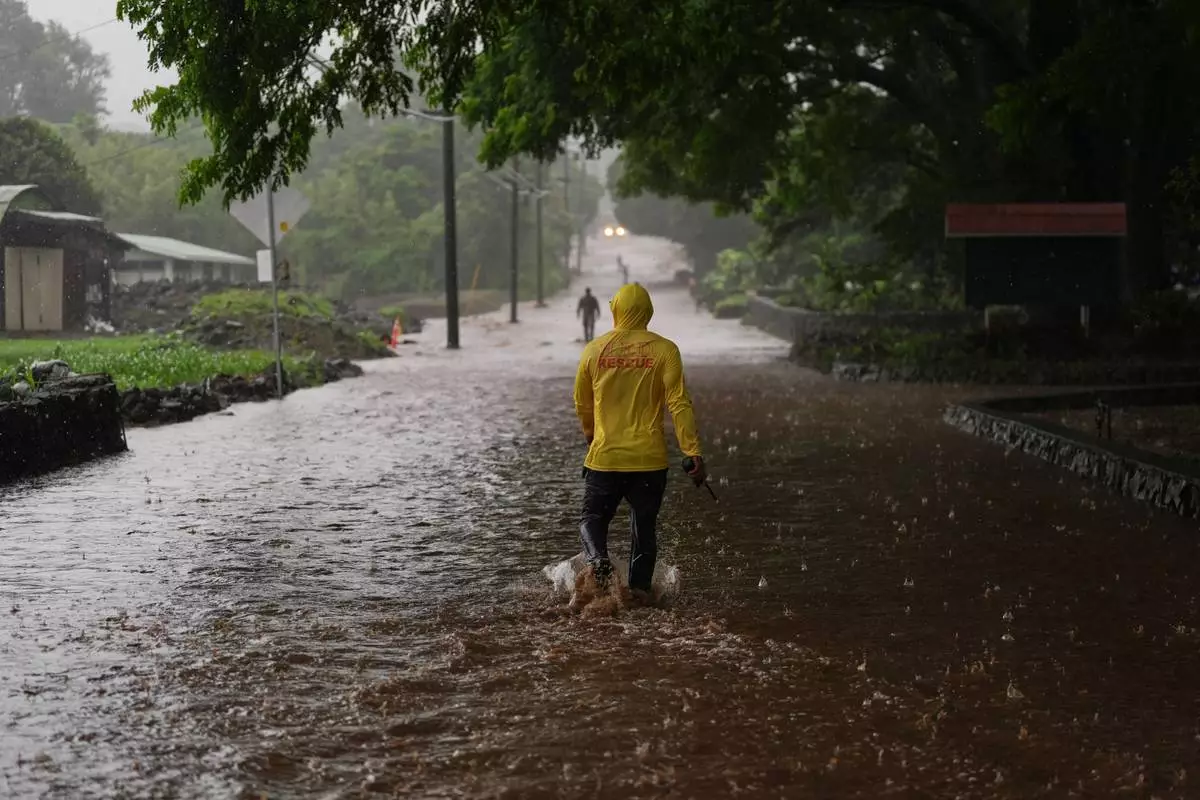
Fire Captain Lui Sales of the Hawaii Fire Department looks for residents to help as rainwater from nearby Hurricane Nolo flood a section of Mamalahoa highway Saturday, Sept. 26, 2026, near Naalehu, Hawaii. (AP Photo/Gregory Bull)
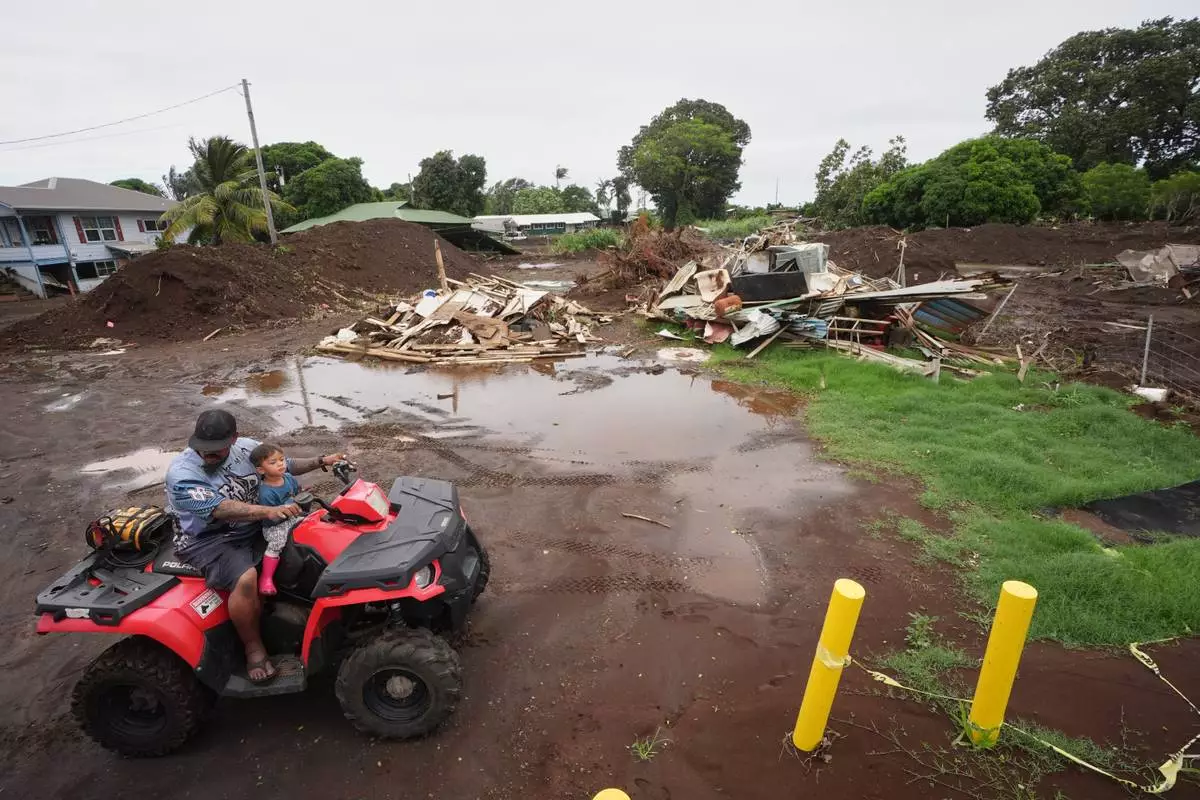
A man rides with his son near where a home was destroyed during last month's Hurricane Lala, as floodwaters from Hurricane Nolo recedes Sunday, Sept. 27, 2026, in Naalehu, Hawaii. (AP Photo/Gregory Bull)