MINNEAPOLIS (AP) — The burden the Minnesota Timberwolves placed on Anthony Edwards last season was palpable, with a hamstring injury early and trouble with both knees late that limited him to a career-low 61 games.
The Timberwolves advanced in the NBA playoffs for the third straight year, but everything about the team, including their superstar, was just a little off from start to finish.
Edwards has been determined ever since to lead the push to get back on track, and Timberwolves president of basketball operations Tim Connelly took the first step during the summer by acquiring LaMelo Ball so coach Chris Finch could slide Edwards back to his natural shooting guard spot.
Finch blamed himself after last season for making Edwards the point guard before training camp in a hasty move that had negative ripple effects on the performance of several players.
“I never thought I could develop any point guard skills,” Edwards said with a smile on Monday at the team's media session at Target Center. “Finchy harps on me passing the ball, but now we've got LaMelo so I'm happy.”
Obtaining Ball in a trade with Charlotte forced the Timberwolves to trade fan favorite Naz Reid, the only player on the roster who preceded Edwards and fellow 2020 draft class member Jaden McDaniels.
“I’m going to miss Naz, for sure. That’s my brother, but I’m super happy about the changes in the locker room,” Edwards said. “Just a bunch of different mentalities, personalities. I think it’s going to mesh well together.”
The team that identified its biggest weakness last season as persistent moodiness has been leaning into the joy of their sport and their chemistry, with a trip last month to France organized by native Rudy Gobert serving as an impactful get-to-know-you experience.
“Speed dating for all the new guys,” was how Connelly put it.
Edwards, who's entering his seventh season, was the catalyst for this improved internal connection. The group text message chat, he said, has “been going crazy” in the lead-up to the beginning of training camp on Tuesday.
“In the past years we didn’t really spend time with each other in the summer. It was like everybody was going and doing their own thing. If we want to win, we've got to start early. We’ve got to actually get to know each other. We’ve got to like each other and we’ve got to want to help each other,” Edwards said.
McDaniels, who knows Edwards as well as anyone on the team, can see the progression in his leadership.
“He’s going to always keep it real with you, even if you’re having a bad night or even if he don’t want to hear it," McDaniels said. "He’s going to let you know, so that’s something I respect about his leadership, and he always leads by example, too.”
With Edwards no longer vulnerable to so many traps and blitzes as the primary handler, the Timberwolves are eager to see a refreshed version of him who can more often use his strength of moving without the ball. That in turn ought to keep him more physically fit to be the lockdown perimeter defender they've long believed he can be on the other end of the court.
“Now I've got LaMelo,” Edwards said. “I've got a point guard, so I don't got to really bring the ball up at all. I can go to the corner for three, four plays in a row and just guard the best player.”
See AP’s full NBA coverage here

Minnesota Timberwolves guard Anthony Edwards poses for a photo during the NBA basketball team's media day, Monday, Sept. 28, 2026, in Minneapolis. (AP Photo/Abbie Parr)
A 71-year-old man who was convicted of killing a police chief's aunt and spent decades on death row is being released Monday after prosecutors said newly analyzed DNA evidence doesn't link him to the crime.
A Utah judge ordered Douglas Stewart Carter let out on bail late Monday over objections from the victim's family. Carter will be required to wear a GPS monitor while he awaits a new trial in the 1985 killing of Eva Olesen.
The state Supreme Court ordered a new trial last year, citing misconduct by investigators. Carter has maintained his innocence and says a signed confession was coerced.
No physical evidence linked him to the crime scene, but the jury convicted Carter, a Black man, based on the confession and the testimony of two witnesses who said he bragged about killing Olesen, who was white. Those witnesses later recanted.
A DNA analysis received Sept. 22 excluded Carter as a possible match to blood found on a doorknob and genetic material recovered from the handle of a knife used to stab Olesen, who was also shot.
Judge Derek Pullan said those results further undermined the case against Carter, but a reasonable jury still could conclude that he killed Olesen.
Pullan also ordered Carter to avoid contact with Olesen's family. Defense attorney Neal Hamilton said Carter was expected to be fitted with the GPS monitor and released Monday night.
“If the state of Utah had their way, he would have been executed 15, 20 years ago before we discovered the misconduct,” Hamilton said after learning of the judge's order. He urged prosecutors to seek dismissal of an aggravated murder charge still pending against Carter.
Carter will be placed in an extended stay hotel near the family of his son, Tyler Anger, who was adopted by another family as an infant and didn’t learn about the conviction until years later, Hamilton said. Carter also will need therapy to deal with his extended incarceration, the attorney said.
“This is going to be a lot for him,” Anger said as he waited outside the Utah County jail, where Carter was held while awaiting retrial. “I want Doug to put his feet on the grass. He hasn't done that in 40 years.”
A two-month retrial was planned next year, but last week county prosecutors withdrew a notice that they intended to seek the death penalty.
Utah County prosecutor Erwin Petilos told the judge Monday that reassessing Carter’s bail was “necessary and fair” as the state continues to look at the remaining evidence in the case.
Carter, a Chicago native, had been living with his mother in Utah at the time of Olesen’s killing on Feb. 27, 1985. Court documents indicate the investigation eventually focused on Carter, who was suspected of killing Olesen during a robbery.
By that April, Carter had fled Utah believing he was a suspect in an unrelated assault case, according to court documents. He was apprehended that June in Nashville, Tennessee, where he signed a confession while under interrogation by a Provo detective.
Carter said later that he falsely confessed after police repeatedly threatened him. He was convicted and sentenced to death after a trial in which the defense called no witnesses. He was again sentenced to death after a 1992 retrial, and courts in Utah rejected numerous appeals from Carter in subsequent years.
A turning point came in 2011, when the two witnesses from Carter's original trial were tracked down in Mexico. They said they had been told to lie in court and had received cash and gifts from police, who told them not to disclose the payments. They also said police and prosecutors threatened them and their son with deportation if they did not implicate Carter.
More than a decade of legal wrangling followed before the Utah Supreme Court last year ordered a new trial, citing “multiple instances of intentional misconduct” by police and a prosecutor. A DNA analysis of the evidence was conducted in response to that order, and prosecutors said the results arrived last week. They declined Monday to say whether they're using the DNA evidence to search for other suspects with matching DNA.
Carter's defense attorneys have said witnesses saw a white man fleeing the crime scene and an investigator suppressed evidence pointing to other suspects, including the victim’s husband, Orla Olesen.
They allege that prosecutors were close to filing charges against the husband, but a Provo police lieutenant asked them not to so he could continue investigating. Carter was identified as a suspect soon after, according to court documents.
Orla Olesen, a painting contractor who died in 2009, told police he found his wife dead in their home, partially undressed and with her hands tied behind her back.
Theresa Olesen, a daughter-in-law of Eva Olesen, said during Monday's bond hearing that her family had "serious concerns" about Carter's release.
“By golly we were hoping for a concrete match,” Olesen said of the DNA analysis. “It doesn't mean he wasn't there."
“We just want justice for Eva. And if he had any part of it we want that to be known,” she added.
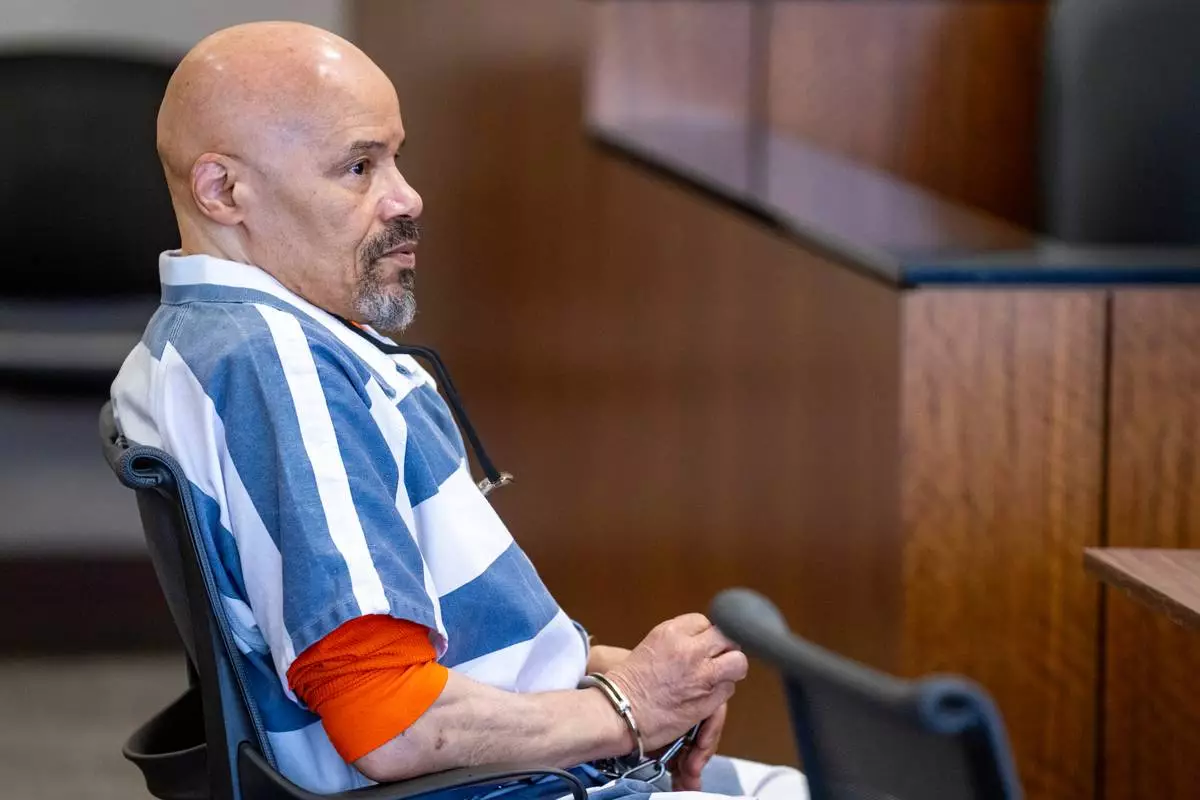
Former death row inmate Douglas Stewart Carter appears in 4th District Court in Provo, Utah, for a bond hearing on Monday, Sept. 28, 2026. (Rick Egan/The Salt Lake Tribune via AP, Pool)
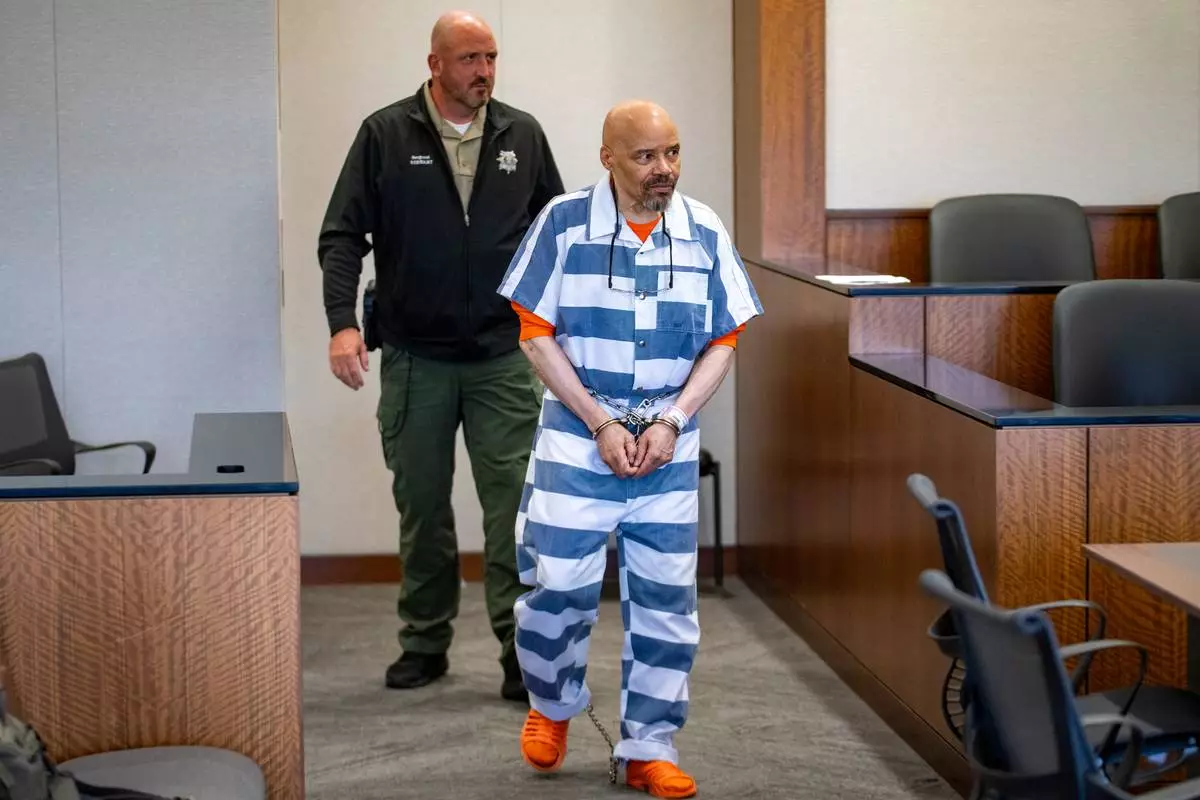
Former death row inmate Douglas Stewart Carter appears in 4th District Court in Provo, Utah, for a bond hearing on Monday, Sept. 28, 2026. (Rick Egan/The Salt Lake Tribune via AP, Pool)
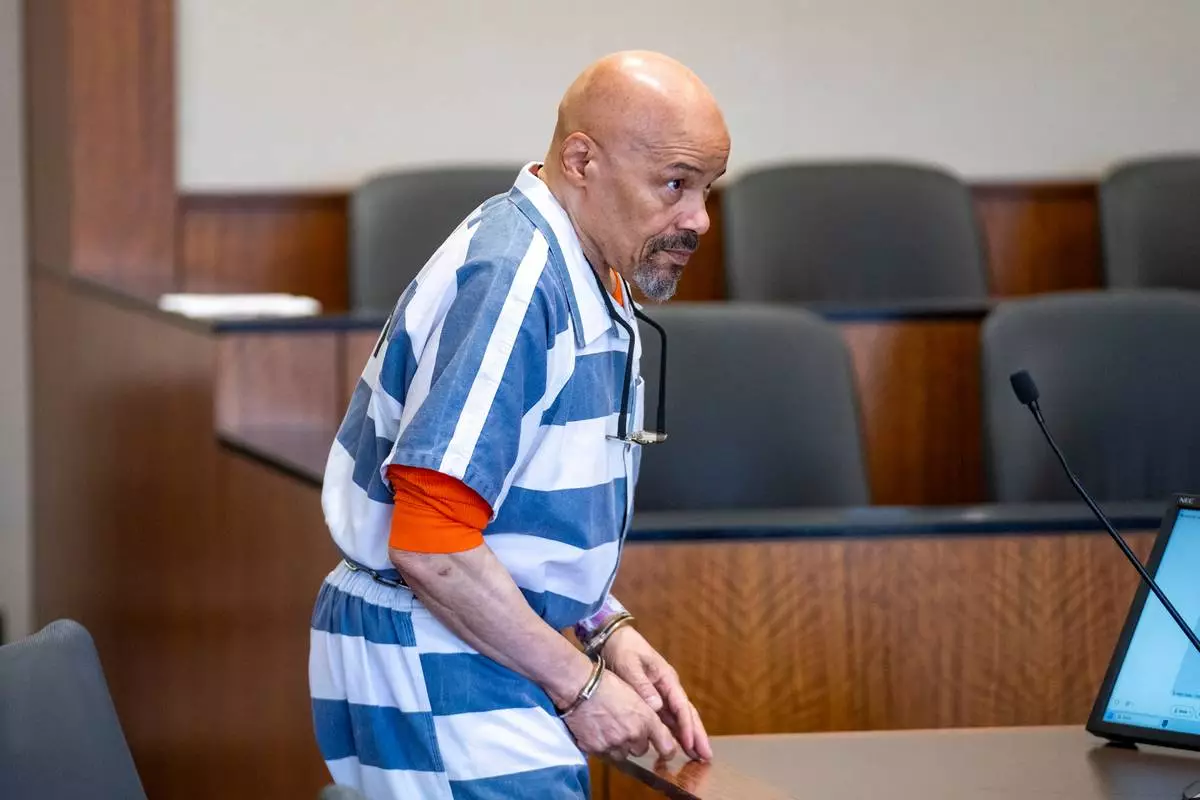
Former death row inmate Douglas Stewart Carter appears in 4th District Court in Provo, Utah, for a bond hearing on Monday, Sept. 28, 2026. (Rick Egan/The Salt Lake Tribune via AP, Pool)
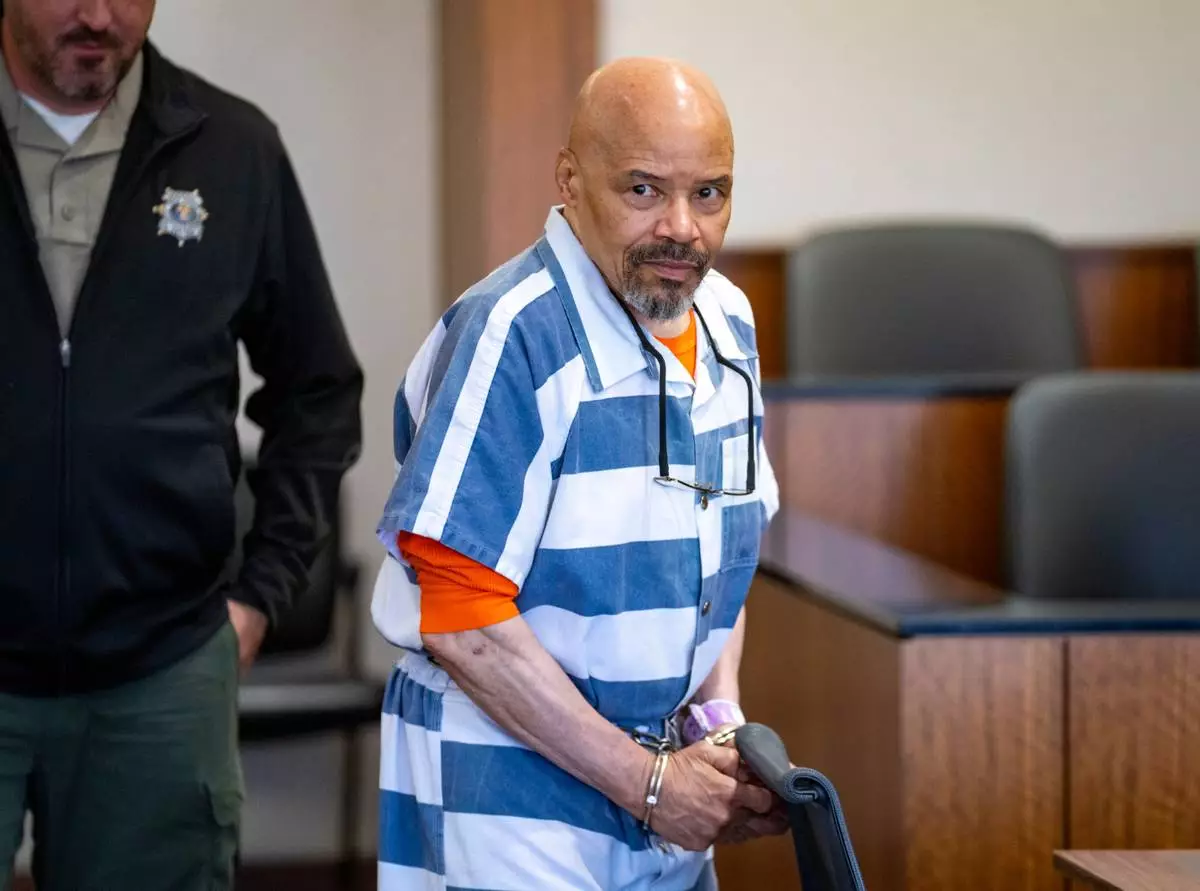
Former death row inmate Douglas Stewart Carter appears in 4th District Court in Provo, Utah, for a bond hearing on Monday, Sept. 28, 2026. (Rick Egan/The Salt Lake Tribune via AP, Pool)
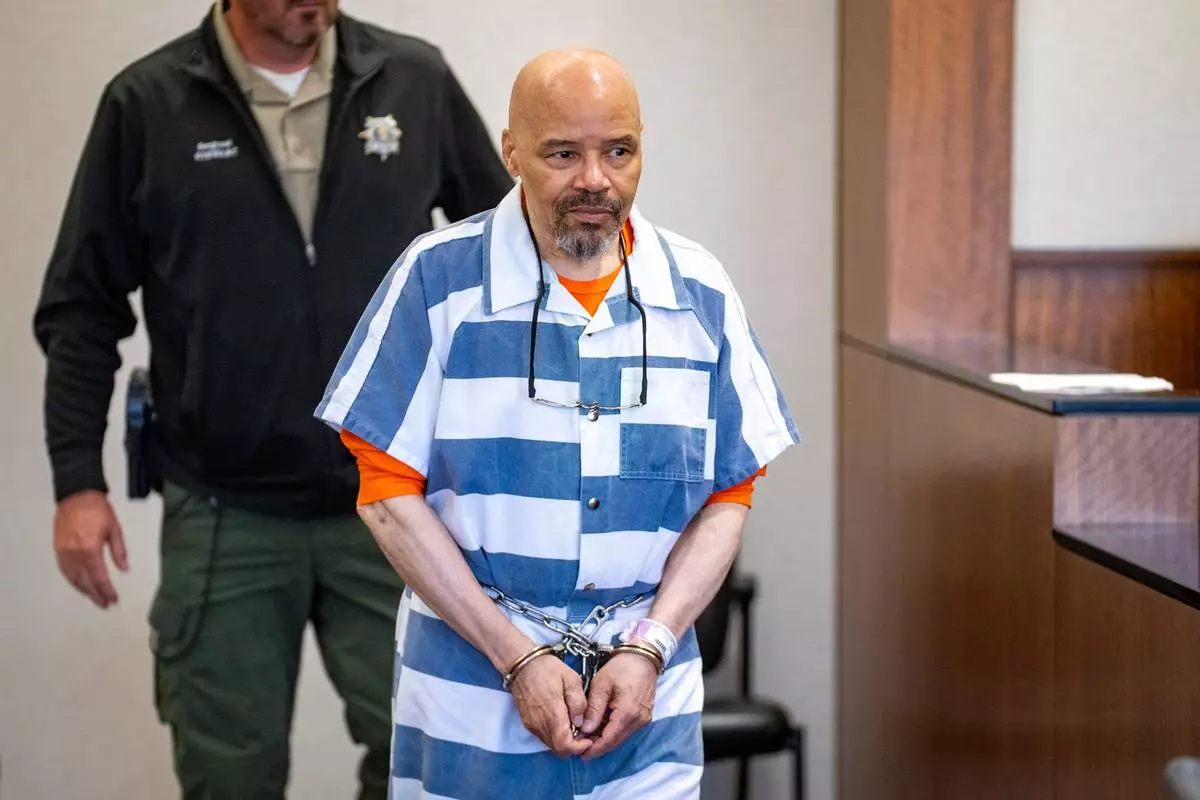
Former death row inmate Douglas Stewart Carter appears in 4th District Court in Provo, Utah, for a bond hearing on Monday, Sept. 28, 2026. (Rick Egan/The Salt Lake Tribune via AP, Pool)