CLEVELAND (AP) — Donovan Mitchell and his Cleveland Cavaliers teammates didn't go their separate ways for four months before reassembling a couple weeks ago for the start of offseason workouts.
Instead, from the time the Cavaliers were eliminated in the Eastern Conference finals by the New York Knicks until Monday's media day, which marked the unofficial start of training camp, the group has spent a lot of time around each other.
“I think this is probably the most time I’ve spent with my teammates outside of the actual season in my career," Mitchell said. “From being in New York at the (US) Open and working out there and then going to James' (Harden's) birthday and working out there. And the crazy part is none of us went to summer league (in Las Vegas).”
James Harden was at the forefront of building the team bonding during the offseason. Harden was a midseason acquisition last year, but really didn't get to know his teammates off the court until the summer.
"We really didn’t have an opportunity to have that team bond, games in the regular season. And then you’re preparing for the postseason everything is intensified. So this summer was a really good opportunity for us to learn each other," he said. “Understanding somebody that’s like any job in the world. Now it’s giving them comfortability to come talk to me or me talk to them in ways that we never really had before. I think we’ve built some really good stuff over these last few months.”
Besides the time spent around teammates, both showed their commitment by signing new contracts during the offseason.
Mitchell inked a four-year, $273-million contract extension on the first day of the offseason signing period. The seven-time All-Star had two seasons remaining on his contract and could have waited to re-sign until next summer, when he would be eligible for a five-year supermax deal worth $350 million.
“I could have waited and made it about myself and whatnot, but for me, how can we as a team go out there and find a way to make moves? I’ve said to him (vice president of basketball operations Koby Altman) I want to be here. I’ve said it publicly and I love being here. And I think for me, now it’s about delivering and everything else that comes with it,” Mitchell said.
Harden signed a three-year, $97 million contract last month after declining his player option. He also helped recruit acquiring Peyton Watson in a five-team trade.
“I think it was a no-brainer. He’s young, he’s athletic, he’s gotten a lot better and it just fits what we’re trying to do. He’s been in postseason runs with Denver, so he knows what that looks like,” Harden said of Watson.
Center Thomas Bryant, who also re-signed with the Cavaliers during the offseason, said the biggest group during the offseason is that everyone is speaking the same language when it comes to running plays. That's something that didn't happen last season with the midseason trades and also the Cavaliers having 41 different starting lineups during the regular season due to injuries.
“We’re having these now before we even started the new year with the team. I think that’s a great step of growth going forward,” he said.
Mitchell and Harden will need to put together big seasons again if the Cavaliers are going to contend in the Eastern Conference. The 29-year old Mitchell averaged 27.9 points, 5.7 assists and 4.5 rebounds during the regular season, along with 26 points in the playoffs.
The 36-year-old Harden is going into his 18th NBA season. He averaged 10.7 points for the Cavaliers in the regular season, and 19.7 points in the postseason.
The team bonding will continue over the next week as the Cavaliers hold training camp in Spain. They open the regular season on Oct. 22 at Philadelphia against LeBron James and the 76ers.
“More time together equals more success, in my mind. Number one, it’s just a good group of guys we’ve got here. If you’re willing to sacrifice for each other, that goes such a long way that nothing can make up for," center Jarrett Allen said.
See AP’s full NBA coverage here

Cleveland Cavaliers' Jarrett Allen poses for a photo during the NBA basketball team's media day, Monday, Sept 28, 2026, in Cleveland. (AP Photo/Sue Ogrocki)
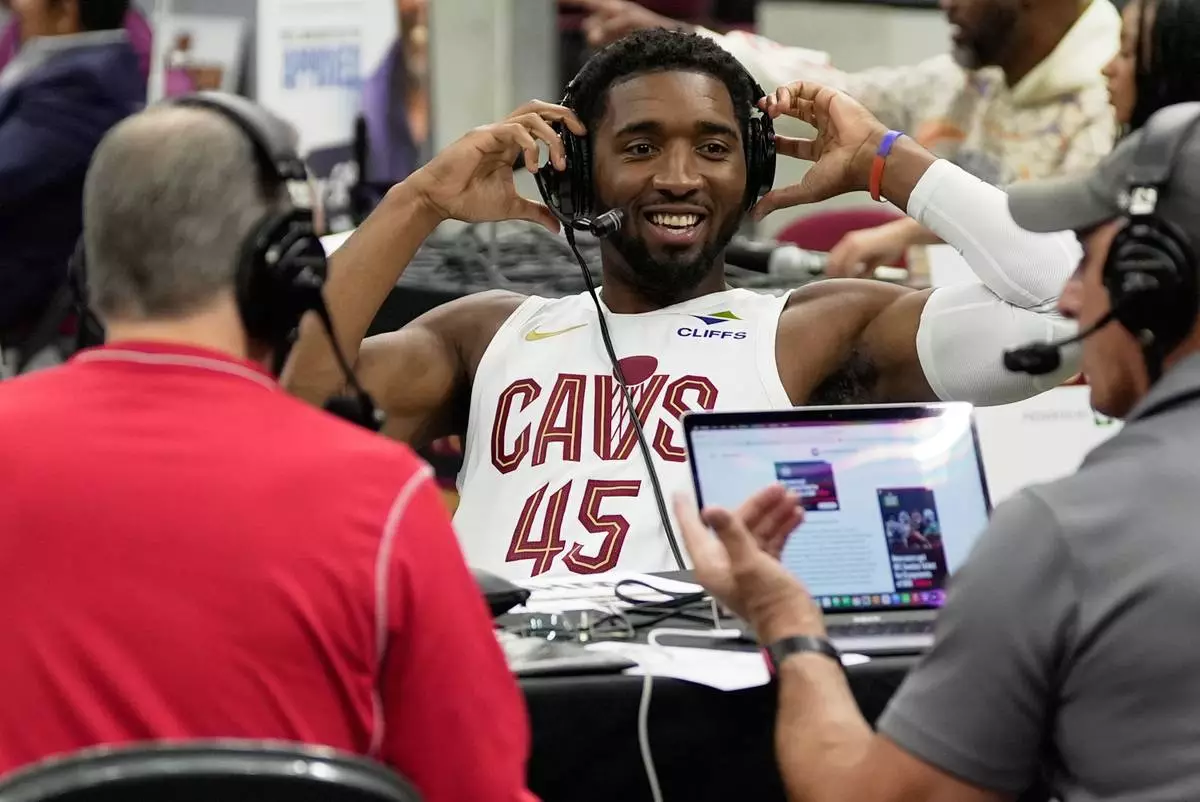
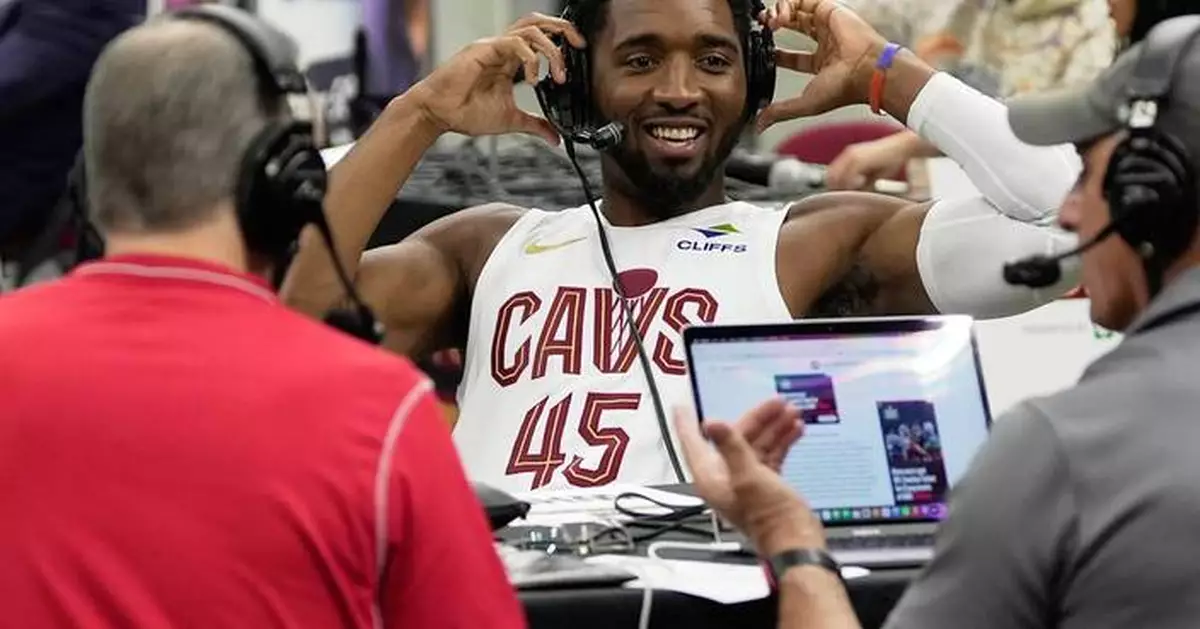
Cleveland Cavaliers' Donovan Mitchell is interviewed during the NBA basketball team's media day, Monday, Sept 28, 2026, in Cleveland. (AP Photo/Sue Ogrocki)
A 71-year-old man who was convicted of killing a police chief's aunt and spent decades on death row is being released Monday after prosecutors said newly analyzed DNA evidence doesn't link him to the crime.
A Utah judge ordered Douglas Stewart Carter let out on bail late Monday over objections from the victim's family. Carter will be required to wear a GPS monitor while he awaits a new trial in the 1985 killing of Eva Olesen.
The state Supreme Court ordered a new trial last year, citing misconduct by investigators. Carter has maintained his innocence and says a signed confession was coerced.
No physical evidence linked him to the crime scene, but the jury convicted Carter, a Black man, based on the confession and the testimony of two witnesses who said he bragged about killing Olesen, who was white. Those witnesses later recanted.
A DNA analysis received Sept. 22 excluded Carter as a possible match to blood found on a doorknob and genetic material recovered from the handle of a knife used to stab Olesen, who was also shot.
Judge Derek Pullan said those results further undermined the case against Carter, but a reasonable jury still could conclude that he killed Olesen.
Pullan also ordered Carter to avoid contact with Olesen's family. Defense attorney Neal Hamilton said Carter was expected to be fitted with the GPS monitor and released Monday night.
“If the state of Utah had their way he would have been executed 15, 20 years ago before we discovered the misconduct,” Hamilton said after learning of the judge's order. He urged prosecutors to seek dismissal of an aggravated murder charge still pending against Carter.
Carter will be placed in an extended stay hotel near the family of his son, who was adopted by another family as an infant and didn’t learn about the conviction until years later, Hamilton said. Carter also will need therapy to deal with his extended incarceration, the attorney said.
Pullan had scheduled a two-month retrial for 2027, but last week Utah County prosecutors withdrew a notice that they intended to seek the death penalty.
Utah County prosecutor Erwin Petilos told the judge Monday that reassessing Carter’s bail was “necessary and fair” as the state continues to look at the remaining evidence in the case.
Carter, a Chicago native, had been living with his mother in Utah at the time of Olesen’s killing on Feb. 27, 1985. Court documents indicate the investigation eventually focused on Carter, who was suspected of killing Olesen during a robbery.
By that April, Carter had fled Utah believing he was a suspect in an unrelated assault case, according to court documents. He was apprehended that June in Nashville, Tennessee, where he signed a confession while under interrogation by a Provo detective.
Carter said later that he falsely confessed after police repeatedly threatened him. He was convicted and sentenced to death after a trial in which the defense called no witnesses. He was again sentenced to death after a 1992 retrial, and courts in Utah rejected numerous appeals from Carter in subsequent years.
A turning point came in 2011, when the two witnesses from Carter's original trial were tracked down in Mexico. They said they had been told to lie in court and had received cash and gifts from police, who told them not to disclose the payments. They also said police and prosecutors threatened them and their son with deportation if they did not implicate Carter.
More than a decade of legal wrangling followed before the Utah Supreme Court last year ordered a new trial, citing “multiple instances of intentional misconduct” by police and a prosecutor. A DNA analysis of the evidence was conducted in response to that order, and prosecutors said the results arrived last week. They declined Monday to say whether they're using the DNA evidence to search for other suspects with matching DNA.
Carter has been in the Utah County jail while awaiting trial.
Carter's defense attorneys have said witnesses saw a white man fleeing the crime scene and an investigator suppressed evidence pointing to other suspects, including the victim’s husband, Orla Olesen.
They allege that prosecutors were close to filing charges against the husband, but a Provo police lieutenant asked them not to so he could continue investigating. Carter was identified as a suspect soon after, according to court documents.
Orla Olesen, a painting contractor who died in 2009, told police he found his wife dead in their home, partially undressed and with her hands tied behind her back.
Theresa Olesen, a daughter-in-law of Eva Olesen, said during Monday's bond hearing that her family had "serious concerns" about Carter's release.
“By golly we were hoping for a concrete match,” Olesen said of the DNA analysis. “It doesn't mean he wasn't there."
“We just want justice for Eva. And if he had any part of it we want that to be known,” she added.
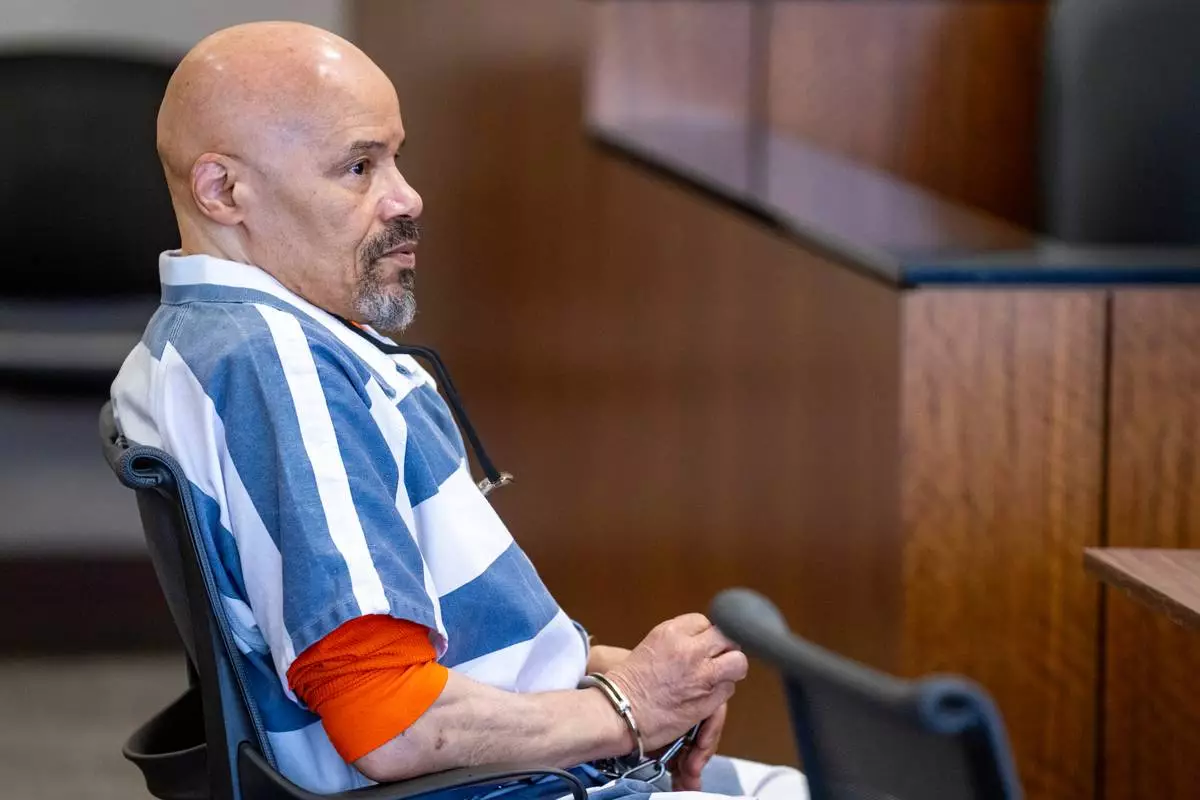
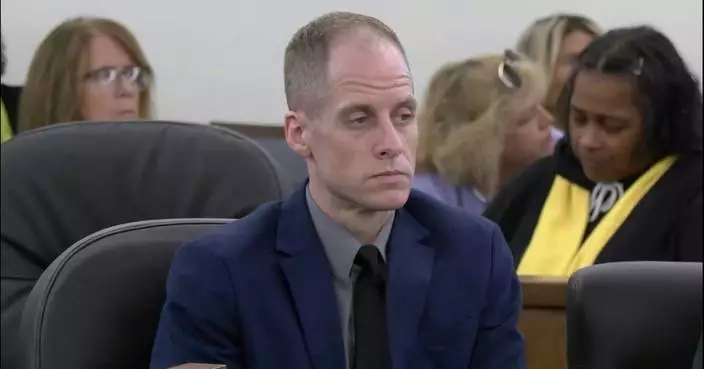
Former death row inmate Douglas Stewart Carter appears in 4th District Court in Provo, Utah, for a bond hearing on Monday, Sept. 28, 2026. (Rick Egan/The Salt Lake Tribune via AP, Pool)
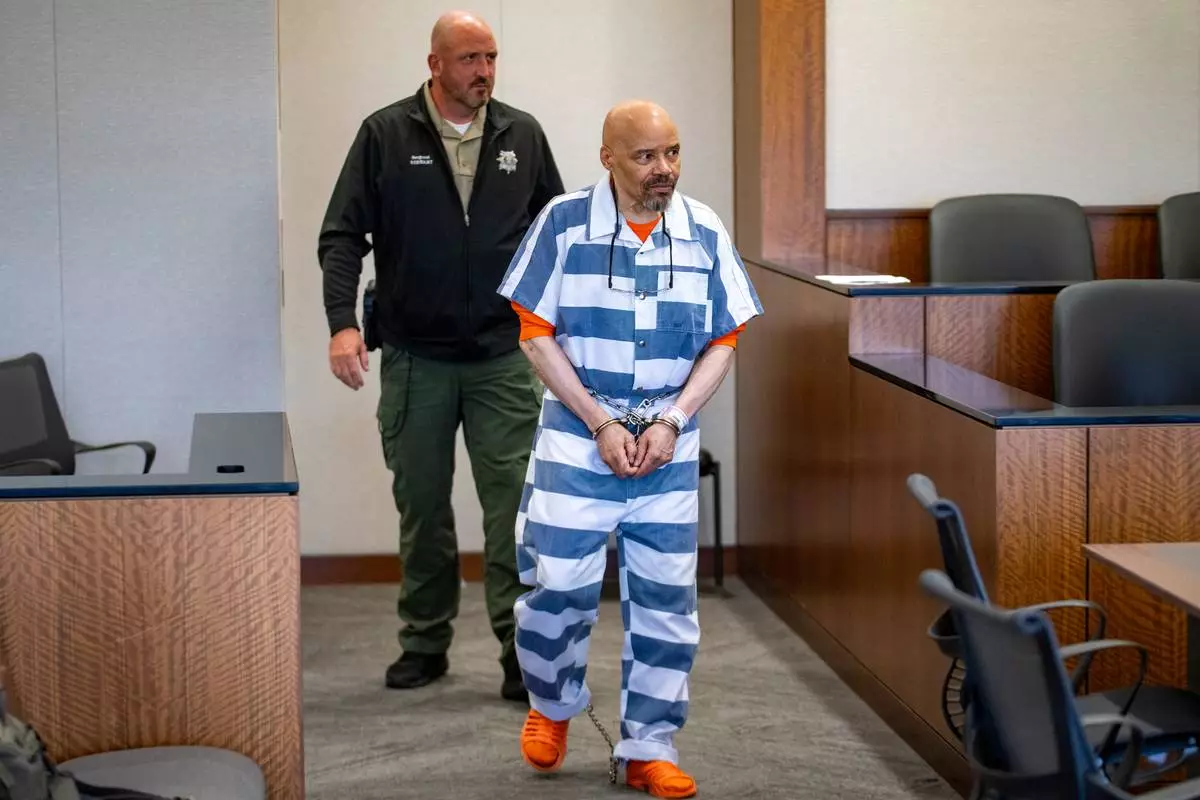
Former death row inmate Douglas Stewart Carter appears in 4th District Court in Provo, Utah, for a bond hearing on Monday, Sept. 28, 2026. (Rick Egan/The Salt Lake Tribune via AP, Pool)
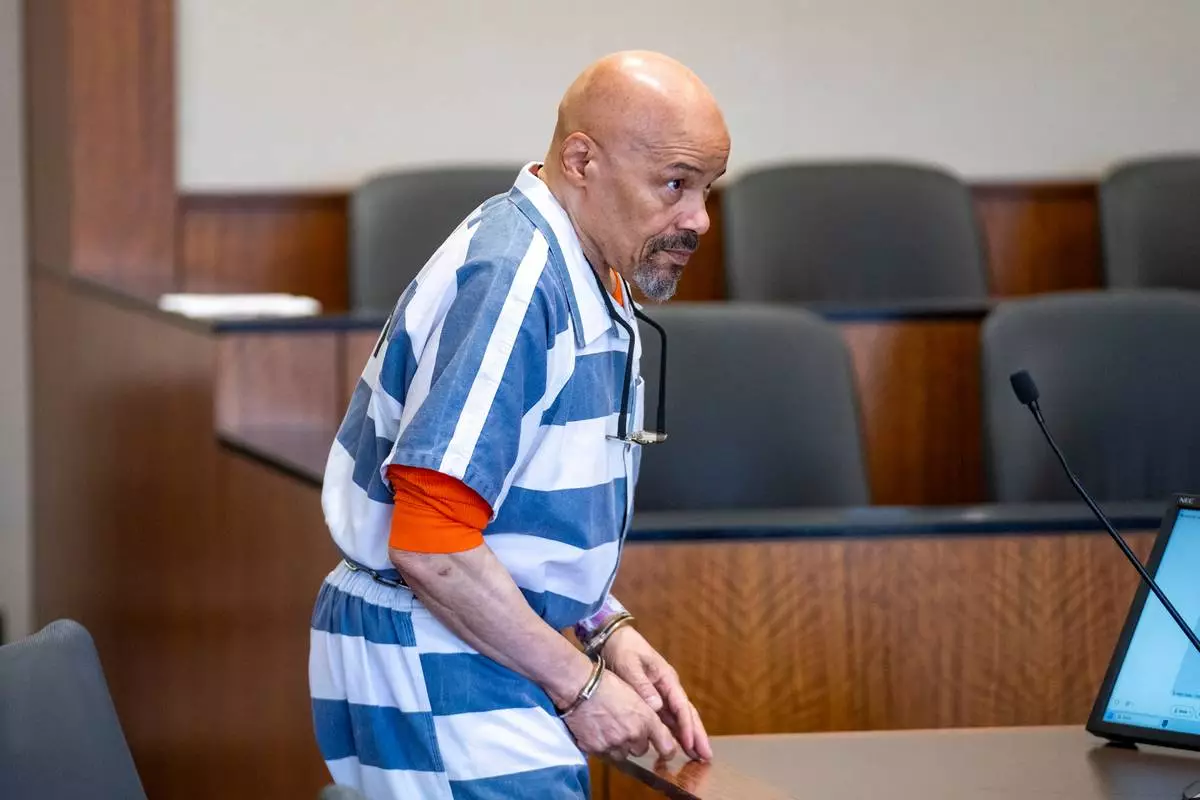
Former death row inmate Douglas Stewart Carter appears in 4th District Court in Provo, Utah, for a bond hearing on Monday, Sept. 28, 2026. (Rick Egan/The Salt Lake Tribune via AP, Pool)
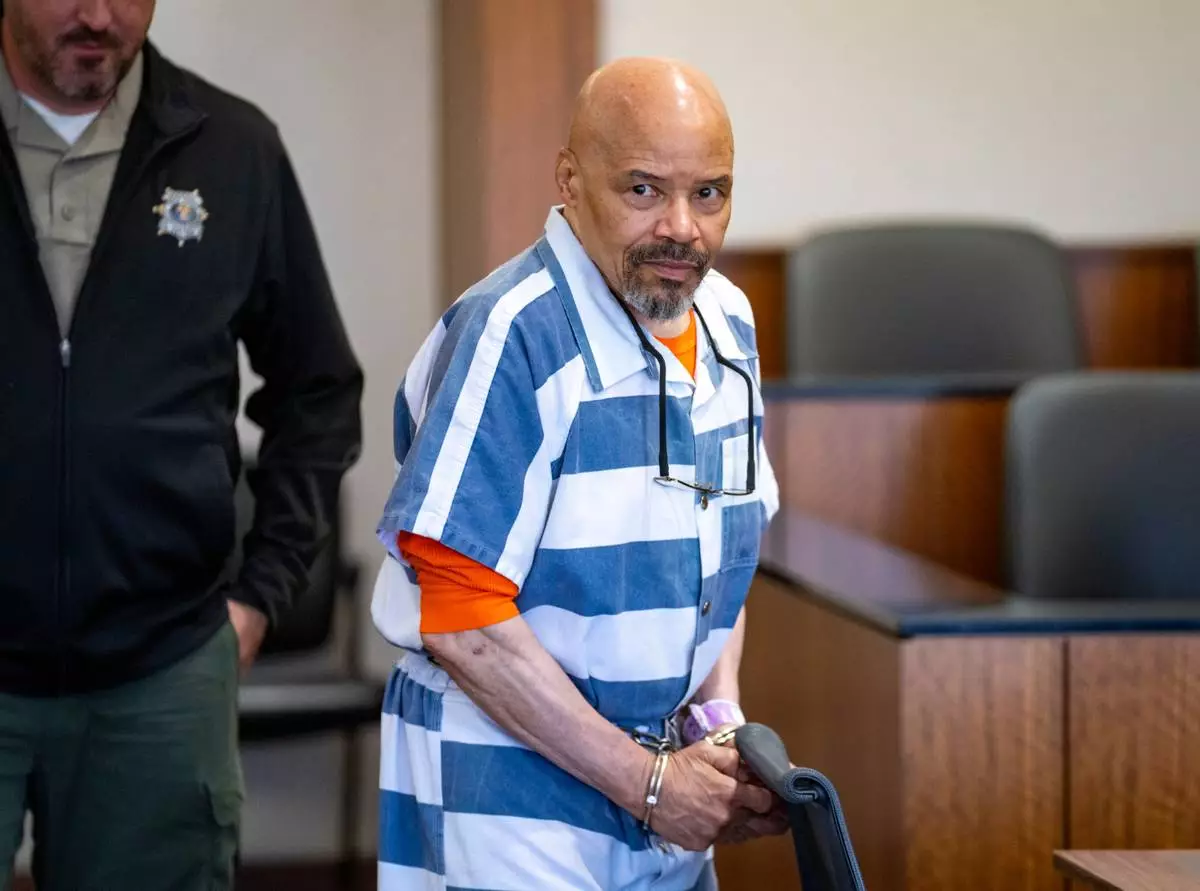
Former death row inmate Douglas Stewart Carter appears in 4th District Court in Provo, Utah, for a bond hearing on Monday, Sept. 28, 2026. (Rick Egan/The Salt Lake Tribune via AP, Pool)
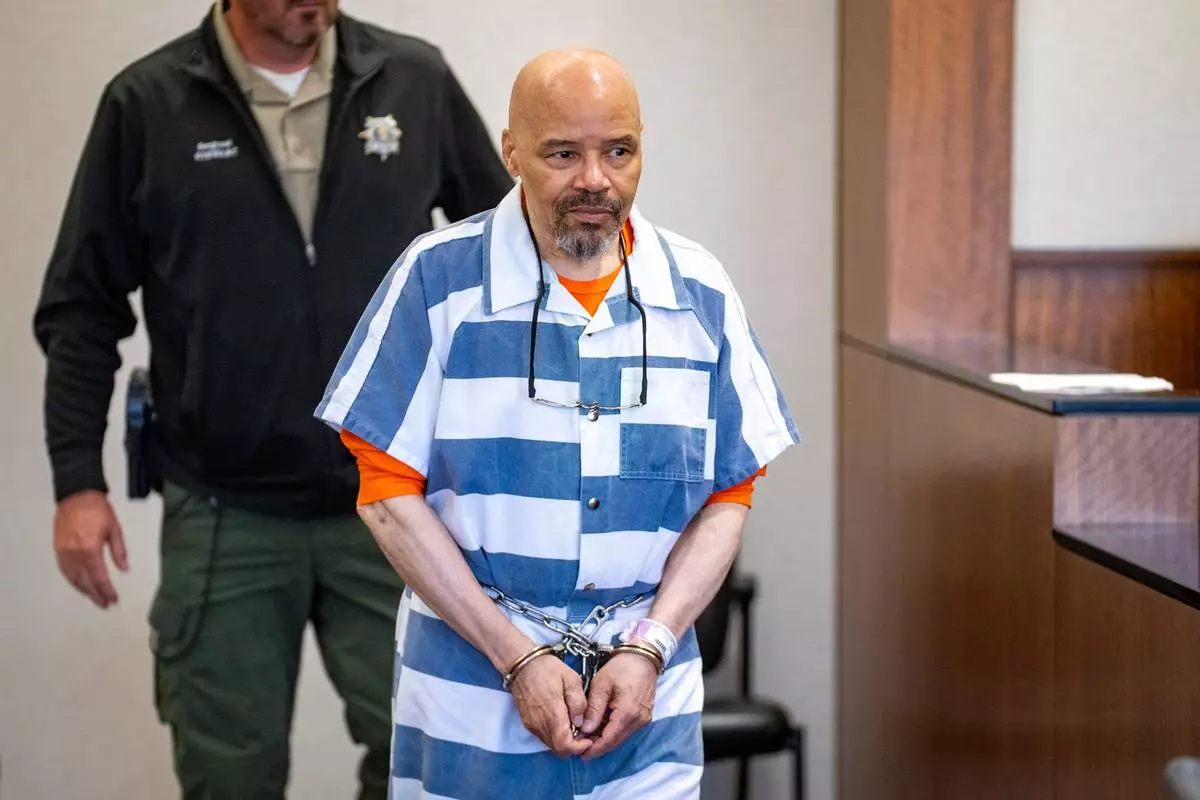
Former death row inmate Douglas Stewart Carter appears in 4th District Court in Provo, Utah, for a bond hearing on Monday, Sept. 28, 2026. (Rick Egan/The Salt Lake Tribune via AP, Pool)