Government elaborates on nurse manpower planning and employment situation in Hong Kong
The Government has noted the recent differing views and discussions in the community on the manpower planning and the employment situation of nurses in Hong Kong. To facilitate a comprehensive understanding of the relevant situation by the public, the Government today (September 29) elaborated on the matter as follows.
Click to Gallery

The Central Government Offices, Photo source: reference image
The Hospital Authority, Photo source: reference image
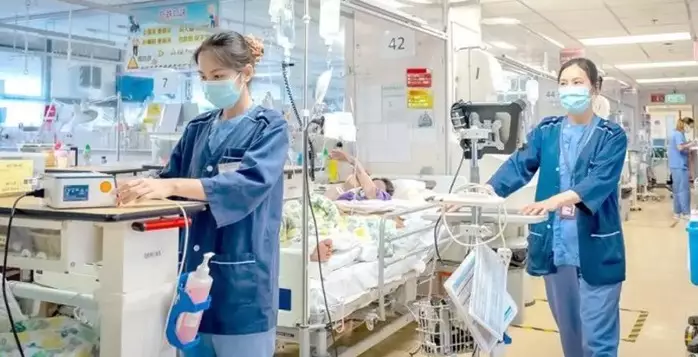
Photo source: reference image
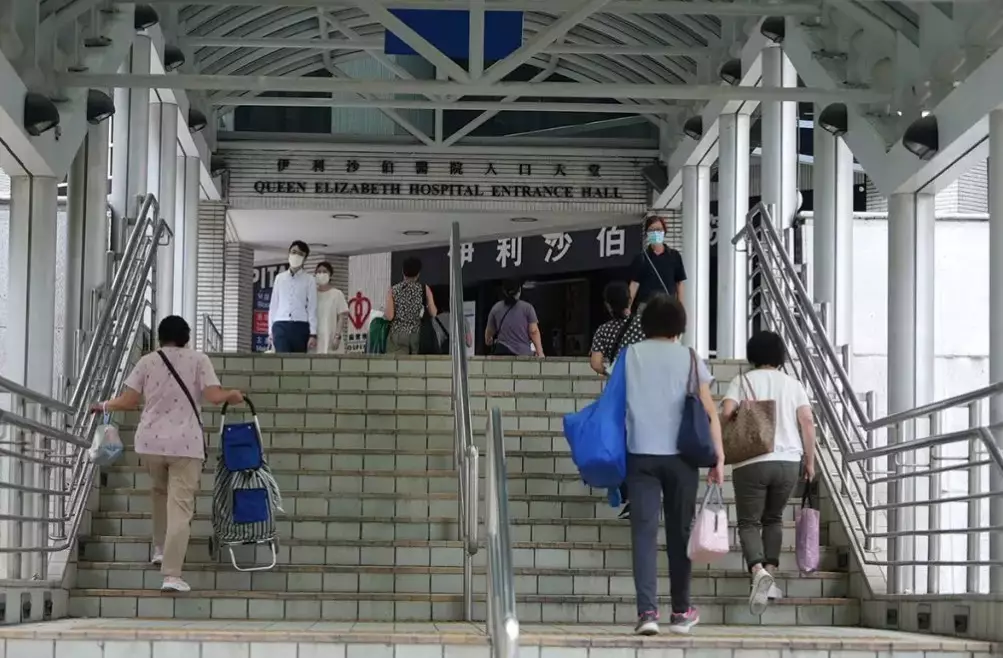
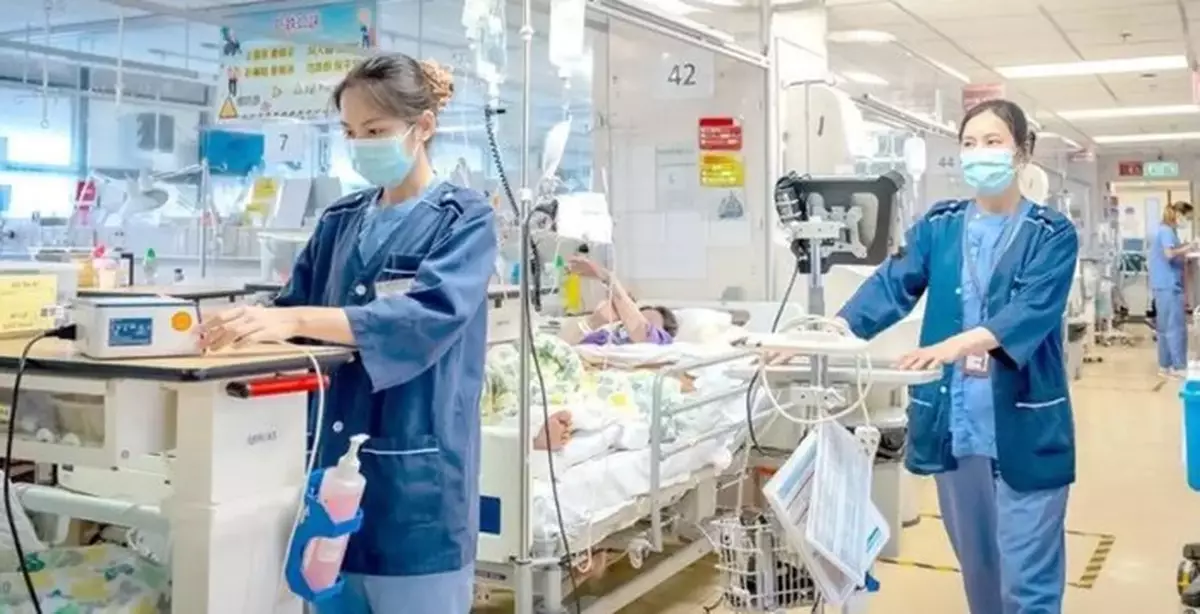
Hospital in Hong Kong, Photo source: reference image
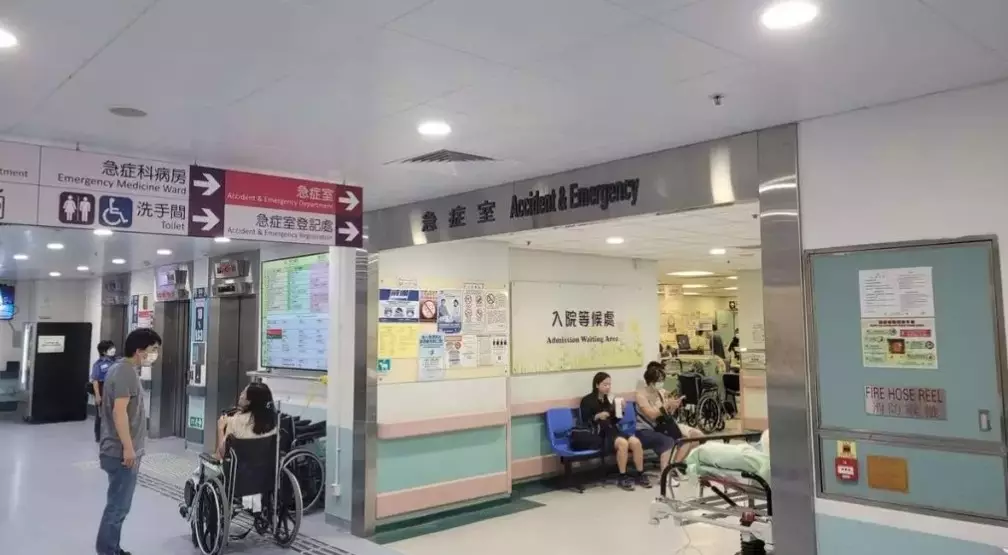
Photo source: reference image
The Central Government Offices, Photo source: reference image
A Government spokesman said that the Government has all along been guided by the well-being of the public and the public interest. It has been keeping under review the demand for and supply of healthcare manpower in Hong Kong, and planning nurse training and manpower development in accordance with healthcare service needs, with a view to ensuring that the public healthcare system is equipped with sufficient professional manpower to meet service demand. In recruiting healthcare professionals, public healthcare institutions have also consistently upheld the principle of according priority to the employment of locally trained professionals. The Government considers that discussions in the community on healthcare manpower should be premised on objective facts and data to foster rational exchanges and build consensus.
Sustained demand for nursing manpower
With an ageing population and the continuous growth in demand for healthcare services, the demand for nursing services in Hong Kong remains keen.
Although the attrition rate of nurses in the Hospital Authority (HA) has dropped from a peak of 10.9 per cent to 5.4 per cent, there are still some 3 200 nurse vacancies in the HA to date, and recruitment is ongoing. This reflects that there remains a genuine demand for nursing manpower in the public healthcare system.
The Hospital Authority, Photo source: reference image
In fact, the nursing manpower of the public healthcare system has been increasing steadily in recent years. As at end-March 2016, the HA had about 23 500 nurses. The number rose to about 29 000 as at end-March 2026, representing an increase of about 5 500 (23 per cent) over the past decade. The increase reflects the HA's ongoing efforts in recruiting and training nurses to support service development, meet the healthcare needs arising from an ageing population, and improve the nurse-to-patient ratio, among other operational needs. While the attrition of nurses has gradually improved in recent years, the public healthcare system continues to have a sustained and stable demand for nursing manpower.
According to the relevant figures, there were about 4 000 prospective nursing graduates in 2025, about 3 500 became Registered Nurses (RNs) or Enrolled Nurses (ENs). In the same year, about 2 500 persons applied for RN and EN posts in the HA, representing about 60 per cent of the total number of prospective graduates of that year. The figures show that not all graduates chose to join the public healthcare system, with some opting to pursue careers in various sectors such as private healthcare institutions, elderly and rehabilitation services, community nursing organisations, as well as insurance and health management.
Among those who applied for RN posts in the HA and completed the interview or assessment process, about 99 per cent were offered appointment. The figures reflect that there is a continued demand for qualified nurses in the public healthcare system.
As at end-2025, there were about 75 000 RNs and ENs in Hong Kong, more than 30 000 were working in the public healthcare system, accounting for about 40 per cent of the total. Given that the scope of nursing practice is extensive, covering hospitals, primary healthcare, community nursing, elderly services, rehabilitation services and other health service sectors, the demand for and supply of nursing manpower should be assessed holistically, taking into account the healthcare and nursing services market as a whole.
Photo source: reference image
Public healthcare system staffed predominantly by locally trained nurses
In recruiting healthcare professionals (including nurses), the HA has all along accorded priority to the employment of locally trained professionals.
As at end-2025, the number of non-locally trained RNs admitted to Hong Kong through the limited registration and special registration pathways was very small, accounting for less than 0.5 per cent of all RNs. In the same year, nearly 70 per cent of the non-locally trained RNs who came to Hong Kong under these arrangements were personnel engaged in short-term medical exchanges, receiving local clinical training or sharing professional experience.
There are currently about 50 non-locally trained RNs serving in the HA, accounting for less than 0.2 per cent of the total number of nurses in the HA. In other words, about 99.8 per cent of RNs working in the HA are locally trained. The relevant arrangements are mainly for supporting manpower needs in individual specialties and promoting professional exchanges, and their scale is very limited.
The Government considers that maintaining the limited registration and special registration arrangements helps Hong Kong maintain professional exchanges and co-operation with other healthcare systems, keep abreast of the latest healthcare developments and clinical practice, and raise the standard of healthcare services in Hong Kong, without affecting the position of locally trained nurses as the mainstay of the public healthcare system.
The Government will continue to promote regional healthcare collaboration and professional exchanges in accordance with Hong Kong's healthcare service needs and on the premise of safeguarding employment priority for locally trained professionals, with a view to meeting the long-term development needs of healthcare services in Hong Kong.
Hospital in Hong Kong, Photo source: reference image
Continuous enhancement of nursing manpower deployment and quality of patient care
The HA has always attached great importance to nursing manpower planning. Apart from recruiting fresh graduates, it has also been recruiting local nurses with different levels of work experience on an ongoing basis.
In the recruitment process, the HA assesses applicants' professional qualifications, clinical competence and work experience in accordance with established mechanism, ensuring that the appointees meet the professional requirements and service needs.
The spokesman said that increasing nursing manpower is as important as maintaining professional standards. Nurses shoulder important duties such as clinical assessment, medication management, infection control and direct patient care, and their professional judgement and work performance are closely linked to patient safety and the quality of healthcare services. As such, public healthcare institutions must strike an appropriate balance between meeting service demand and upholding professional standards in recruiting and deploying nursing manpower. Maintaining consistent and appropriate professional requirements is conducive to safeguarding patient safety and maintaining service quality, and is also an important foundation for the sound operation of the public healthcare system.
Upon appointment, the HA will make work arrangements for the appointees having regard to factors such as their preferred clusters, as well as the service needs and vacancy situation of individual clusters. The HA will continue to recruit nurses in accordance with service demand under the principle of according priority to locally trained nurses, and will arrange for nurses to extend their service to support services in specific areas in light of operational needs.
Promoting primary healthcare development and expanding the professional role of nurses
The Government is working to fully implement the Primary Healthcare Blueprint to progressively establish a community-based primary healthcare system with family doctors at its core.
Under the multidisciplinary team model, apart from providing disease prevention, basic nursing care and health promotion services, nurses also take up case management and care co-ordination duties, including health risk assessment, matching with family doctors and arranging appropriate referrals.
With the continuous development of the primary healthcare system, nurses will play an increasingly important role in areas such as chronic disease management, health promotion, community support services and interdisciplinary collaboration, and the relevant manpower demand is expected to continue to rise.
The Government will continue to strengthen manpower training for primary healthcare and take forward the development of relevant professional systems in accordance with development needs, with a view to further enhancing service quality and giving full play to the professional functions of nurses.
Creation of Health and Care Practitioner rank to address long-term care needs
The Health and Care Practitioner (HCP) is a dedicated rank created by the Government for the welfare sector. It aims to raise the professional standard of residential care services, while providing a clear professional development ladder for serving health workers and building a stable talent pool to meet the demand for long-term care services arising from population ageing.
Persons who wish to become HCPs are required to complete a designated professional diploma programme. In formulating the programme content, the Social Welfare Department (SWD) consulted stakeholders including representatives of the welfare sector, healthcare professionals, and training institutions.
The professional diploma programme comprises about 760 learning hours. Its content and assessment requirements are modelled on the training programme for Enrolled Nurses (General), covering the nursing care duties required in residential care homes and rehabilitation service units, and have been reviewed by the Hong Kong Council for Accreditation of Academic and Vocational Qualifications.
In addition, the SWD will require registered HCPs to undertake continuing professional development on a regular basis to ensure that their professional knowledge and practical competence meet service requirements.
HCPs and ENs are different professional grades with distinct training objectives, scopes of practice and service positioning, and the two should not be confused.
Photo source: reference image
Conclusion
The Government reiterated that its healthcare policy has always been aimed at safeguarding public health and maintaining quality healthcare services. In the face of an ageing population and rising healthcare demand, the Government will continue to take forward healthcare manpower development in the areas of training, manpower planning, professional development and cross-sectoral collaboration based on service needs and manpower data, ensuring that healthcare and nursing services in Hong Kong can continue to meet the needs of society.
The Government pointed out that the number of nurses in the public healthcare system has continued to grow, nurse vacancies still exist, and about 99 per cent of RN applicants who completed the recruitment assessment process were offered appointment, showing that the public healthcare system has all along maintained a stable demand for qualified nurses. At the same time, about 99.8 per cent of RNs serving in the HA are locally trained, reflecting that locally trained nurses remain the backbone of the public healthcare system.
The Health Bureau understands that private hospitals have also encountered difficulties in recruiting nurses. A private hospital indicated that it had 40 nurse vacancies but received only 25 applications, and that it had been short of nursing staff over the past year.
The Government hopes that all sectors of the community will continue to exchange views on healthcare manpower development and professional training on the basis of facts and data, and work together to foster the continuous development of Hong Kong's healthcare system, thereby providing quality, safe and high-standard healthcare services for the public.