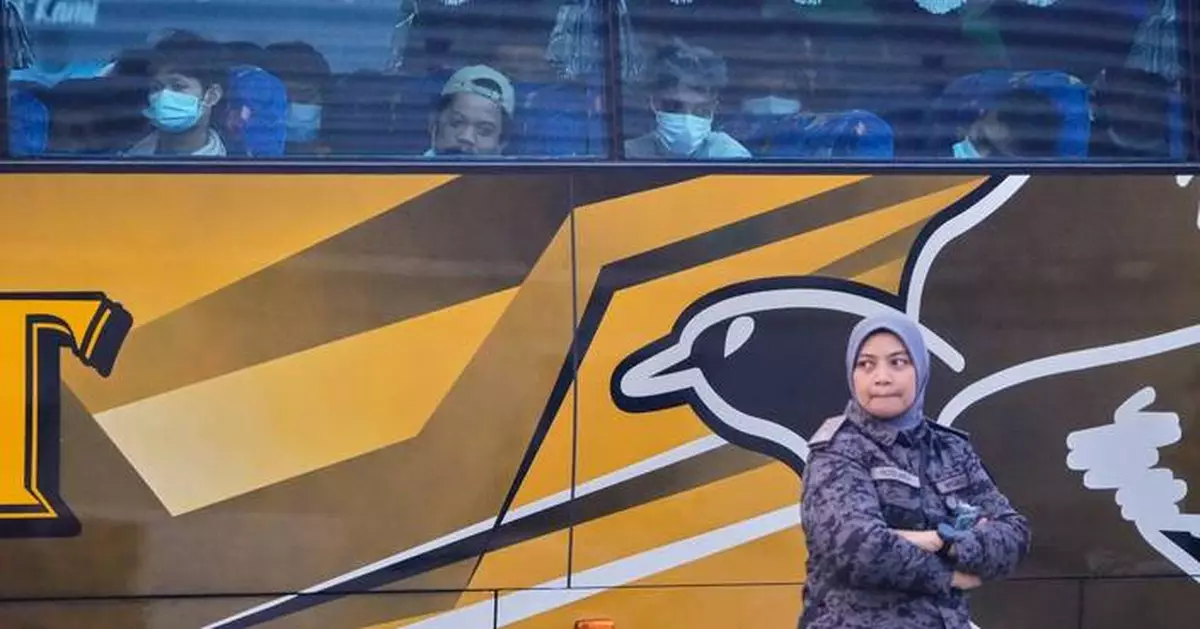
MANJUNG, Malaysia (AP) — Malaysia began repatriating Myanmar nationals under a voluntary program despite warnings from the United Nations refugee agency and rights groups that conditions in the country remain unsafe for them.
The 1,476 people who began the trip Tuesday are among 5,000 Myanmar nationals who will be repatriated in stages from Malaysia, where 10,388 Myanmar nationals were being held at immigration detention depots nationwide as of Aug. 15, according to Malaysia’s Home Ministry.
Click to Gallery
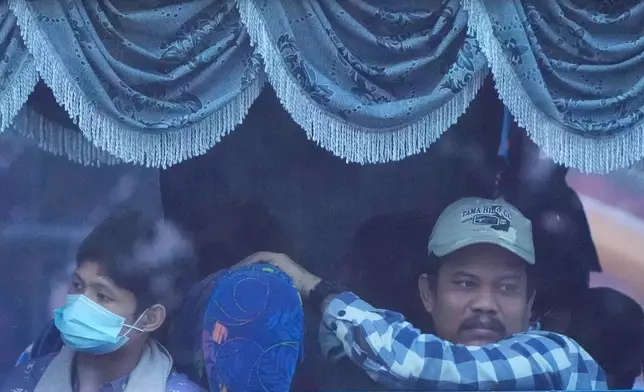
Myanmar nationals look out from a bus in Manjung, Perak state of Malaysia, on Tuesday, Sept. 29, 2026. (AP Photo/Vincent Thian)
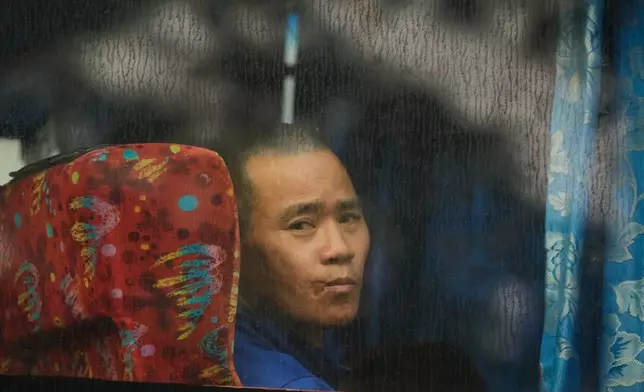
One of Myanmar nationals looks out from a bus in Manjung, Perak state of Malaysia, on Tuesday, Sept. 29, 2026. (AP Photo/Vincent Thian)
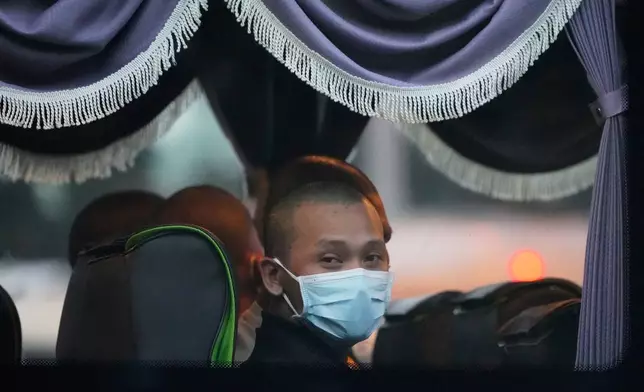
Myanmar nationals look out from a bus in Manjung, Perak state of Malaysia, on Tuesday, Sept. 29, 2026. (AP Photo/Vincent Thian)
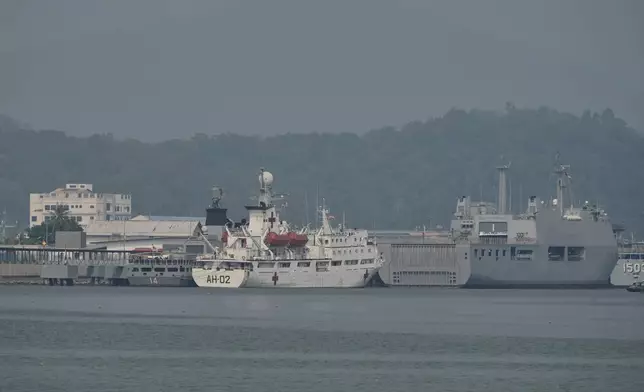
A ship waits to carry Myanmar nationals in Manjung, Perak state of Malaysia, on Tuesday, Sept. 29, 2026. (AP Photo/Vincent Thian)
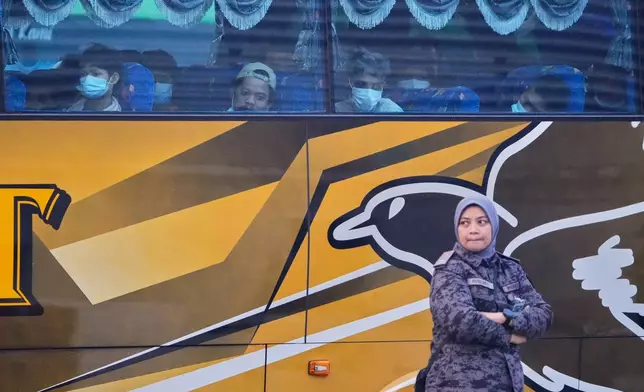
Myanmar nationals look out from a bus in Manjung, Perak state of Malaysia, on Tuesday, Sept. 29, 2026, as a uniformed official walks past. (AP Photo/Vincent Thian)
A ministry official confirmed the repatriation was taking place Tuesday. Buses believed to be carrying Myanmar returnees arrived at a stadium in Manjung town in Malaysia’s central Perak state, where there was tight security. Ships believed to be from Myanmar were docked at the nearby Lumut naval base.
Those in the first group agreed to return in a process that will be carried out safely using two Myanmar navy warships and a hospital ship, the ministry said. Details of their identities and circumstances were not immediately available.
Myanmar is involved in an armed conflict and political instability following the military’s seizure of power in 2021.
The United Nations High Commissioner for Refugees and rights groups have urged caution over the return program, saying the security and humanitarian situation in parts of Myanmar remain volatile and the people involved could face serious risks.
Malaysia is home to about 215,600 refugees and asylum seekers registered with the UNHCR, including about 126,000 minority Muslim Rohingya who make up one of Southeast Asia’s largest refugee communities. Despite hosting them, Malaysia is not a party to the U.N. Refugee Convention and treats refugees as undocumented migrants.
Rohingya have experienced decades of discrimination and persecution in Myanmar as authorities largely denied them citizenship and rejected their recognition as an ethnic group. They also have faced growing public hostility in Malaysia, fueled by concerns over jobs, public services, security and the size of the refugee population, as well as misinformation and inflammatory rhetoric on social media.
Malaysia Prime Minister Anwar Ibrahim has defended the repatriation policy as a diplomatic effort to find a long-term solution, saying Malaysia cannot host refugees indefinitely and Myanmar must take responsibility for its citizens.
Anwar said he plans to invite Myanmar leader Min Aung Hlaing to Malaysia to discuss the long-running refugee and undocumented migrant issue that has dragged on for decades.
“I am inviting him to say that we can be friends and trade, we can accept Myanmar, but Myanmar must accept them back,” he said in a podcast posted online Sept. 16. “To me, that’s better diplomacy than just shouting angrily at Myanmar.”
Myanmar Foreign Ministry official Han Win Aung has said the plan follows repatriation operations in 2021 and 2022, when Myanmar received more than 1,100 of its nationals stranded in Malaysia.
The repatriation involves genuine citizens and is not about bringing back the Rohingya people, he said.
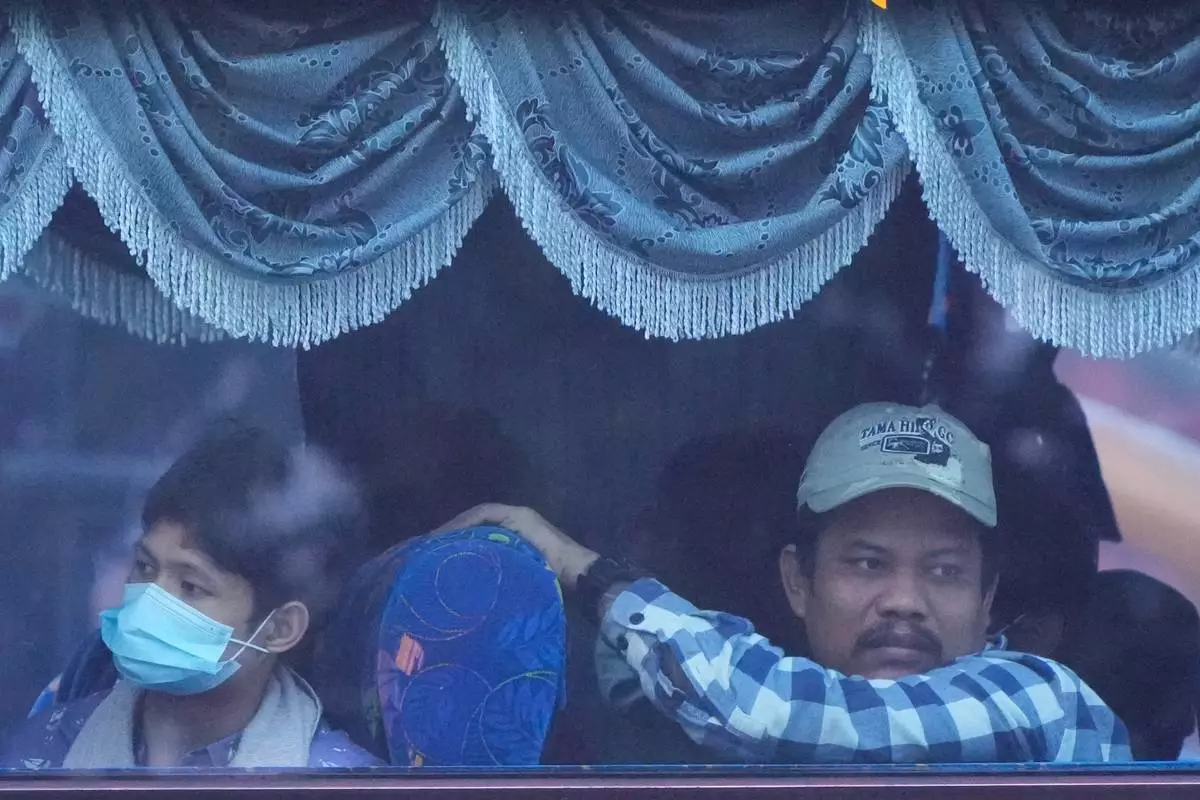
Myanmar nationals look out from a bus in Manjung, Perak state of Malaysia, on Tuesday, Sept. 29, 2026. (AP Photo/Vincent Thian)
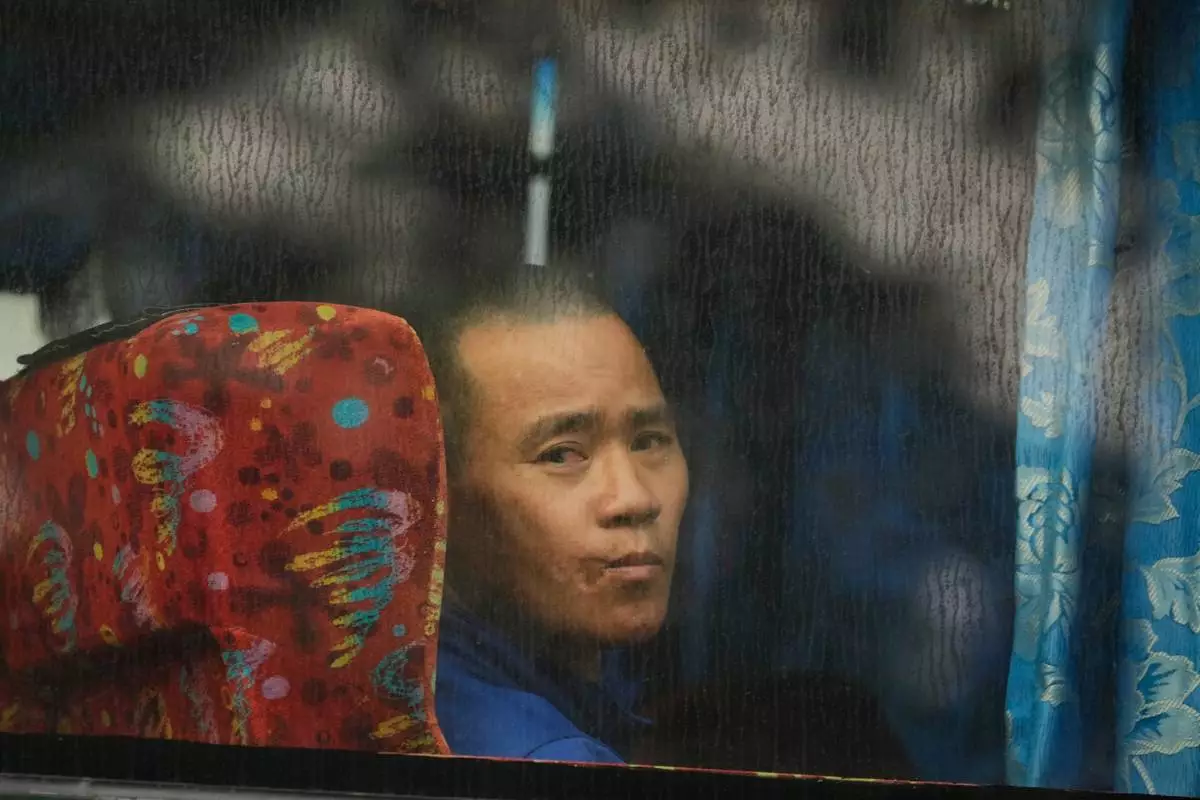
One of Myanmar nationals looks out from a bus in Manjung, Perak state of Malaysia, on Tuesday, Sept. 29, 2026. (AP Photo/Vincent Thian)
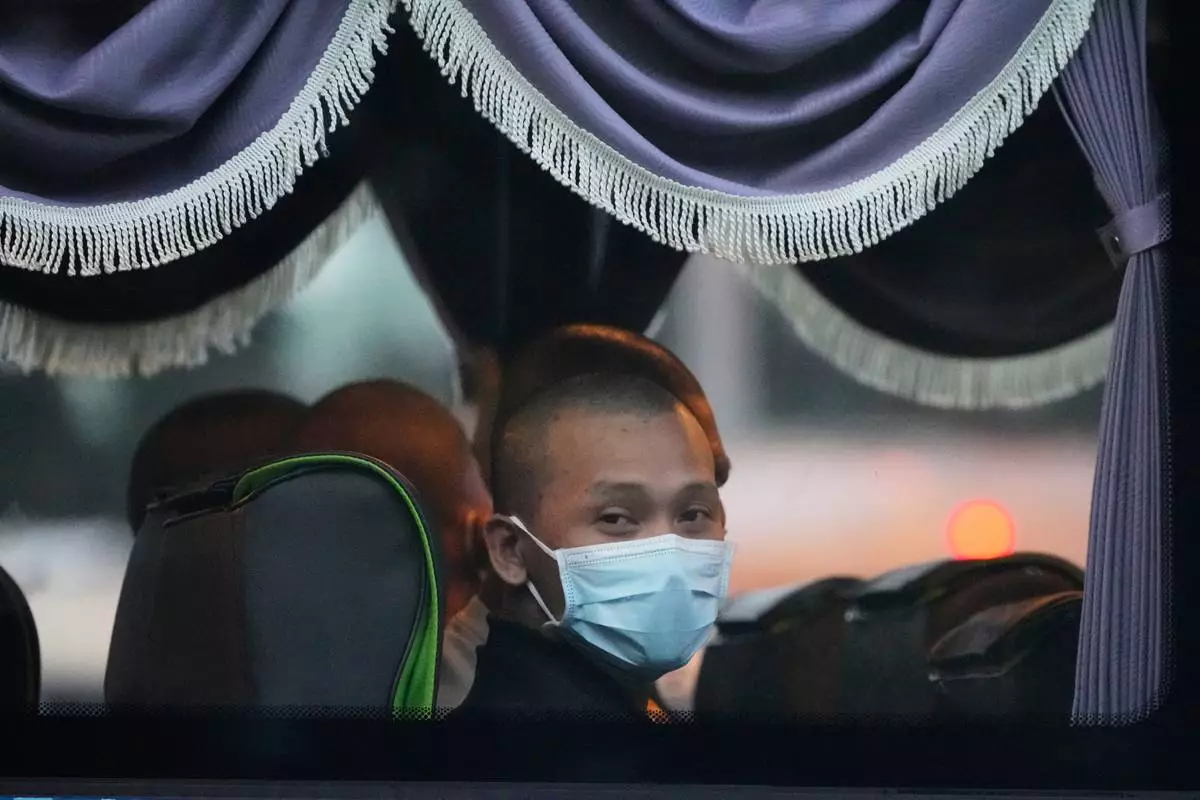
Myanmar nationals look out from a bus in Manjung, Perak state of Malaysia, on Tuesday, Sept. 29, 2026. (AP Photo/Vincent Thian)
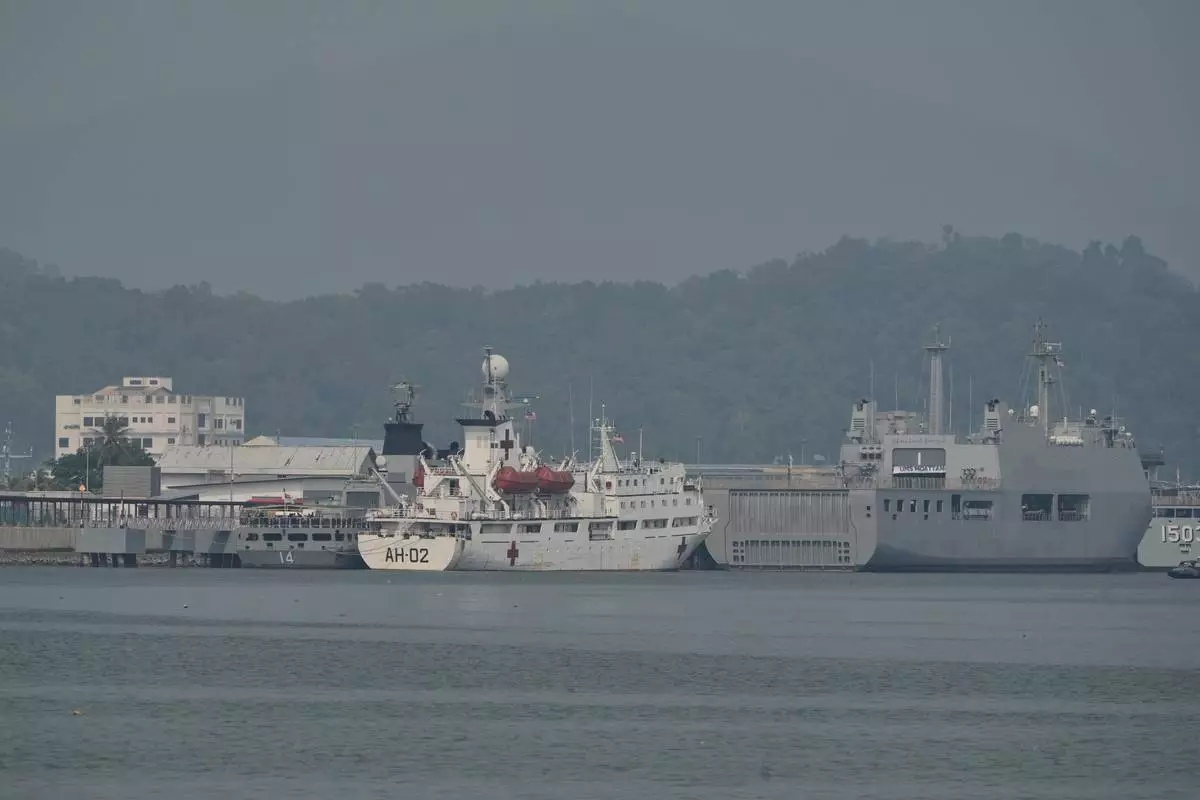
A ship waits to carry Myanmar nationals in Manjung, Perak state of Malaysia, on Tuesday, Sept. 29, 2026. (AP Photo/Vincent Thian)
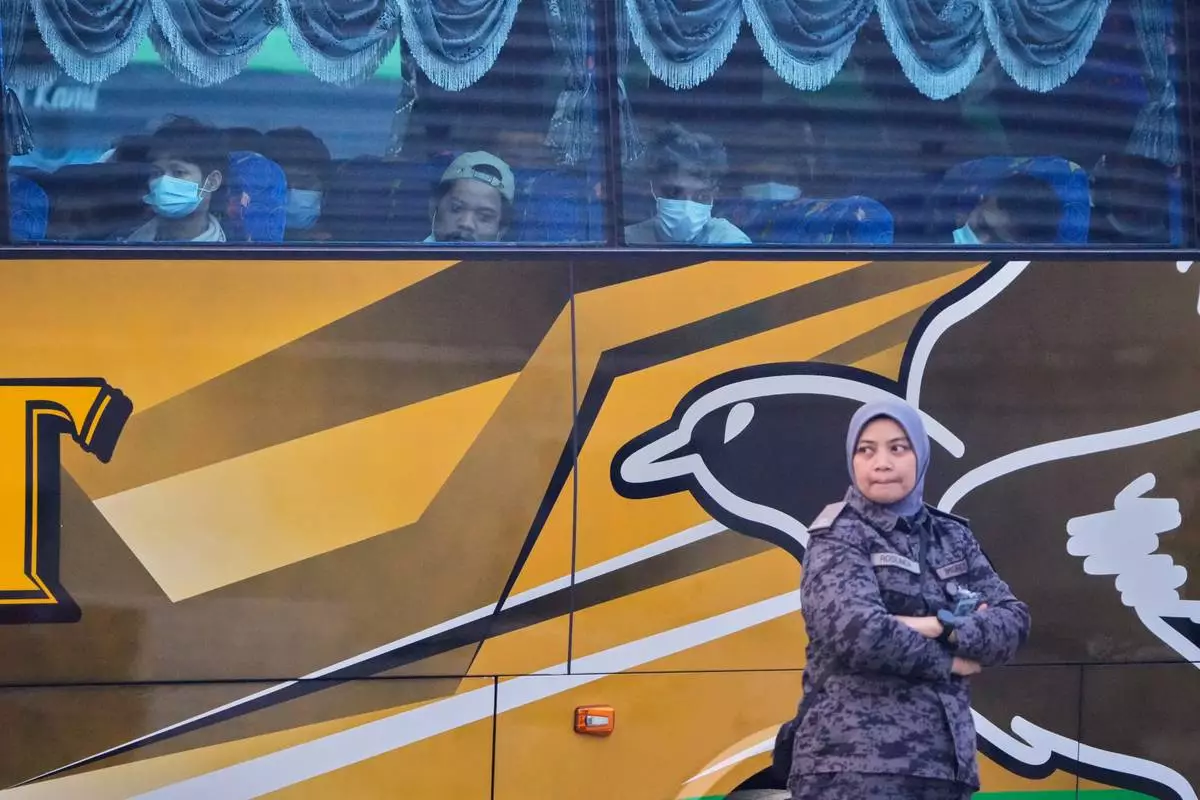
Myanmar nationals look out from a bus in Manjung, Perak state of Malaysia, on Tuesday, Sept. 29, 2026, as a uniformed official walks past. (AP Photo/Vincent Thian)

DERBY, England--(BUSINESS WIRE)--Sep 29, 2026--
Universal Signalling Ltd, a leading railway signaling company, and the team behind Ferrocene, the quality-managed, safety-qualified Rust toolchain, today announced a collaboration to develop the first railway certification package for Rust in compliance with EN 50716. The goal is to establish a certification pathway for using the Rust programming language in safety-critical railway applications.
This press release features multimedia. View the full release here: https://www.businesswire.com/news/home/20260929255543/en/
Universal Signalling was founded in 2022, with the aim of bringing a step change in the performance of digital railway signaling products, using novel architectures and approaches to projects. Those unique approaches allow delivery in days, rather than the decades that the rail industry has become accustomed to.
Universal Signalling’s products are primarily developed in Rust and utilize QNX OS for Safety (QOS). The Ferrocene team will provide a Rust integration layer to enable Universal Signalling’s applications to access QNX functionality. They will also provide qualification materials for the Ferrocene toolchain and required libraries to support the development and certification of the company's high-assurance software under EN 50716. The qualification package, including all required certification materials, is expected to be delivered in an upcoming Ferrocene release. The resulting certification package will include all the necessary elements to enable the first Rust-based railway product to achieve certification.
Dr. Nicholas Wright, CTO of Universal Signalling, commented: “Rust’s unique features make it the obvious choice for railway safety applications, but without adequate certification and qualification, it cannot be deployed in real-world applications. Universal Signalling was founded to bring step-change innovation to the railway signalling industry, and our partnership with the Ferrocene team is a prime example of that. Together, we are leading the way in ensuring the Railway can utilise the best tools for the job.”
“Railway signaling has some of the most stringent requirements for software safety and reliability, and Rust’s strong memory-safety properties make it a natural fit,” said Felix Gilcher, Managing Director responsible for Ferrocene. “But using Rust in this environment goes beyond the language itself: it requires a robust, qualified toolchain and the processes to support certification. We look forward to working with Universal Signalling to build that foundation and enable the use of Rust across the railway industry.”
About Ferrocene
Ferrocene began at Ferrous Systems GmbH in 2019 as an initiative to bring Rust to safety- and mission-critical industries. It has since evolved into a quality-managed, TÜV SÜD-qualified, open source Rust toolchain.
Ferrocene is qualified for safety-related development according to ISO 26262 (ASIL D), IEC 61508 (SIL 3) and IEC 62304 (Class C), and supports customer certification efforts toward SIL 4 and DO-178C (DAL C). A certified core subset is available for ISO 26262 (ASIL B) and IEC 61508 (SIL 2).
Available under permissive MIT or Apache 2.0 licenses, Ferrocene supports a range of qualified targets, including Linux, QNX, Red Hat In-Vehicle Operating System, bare metal on multiple architectures such as Arm and x86-64, and your choice of RTOS upon request. Regular requalification enables customers to benefit from the latest Rust features, while open-source qualification documentation provides transparency and flexibility when developing safety-critical systems. To learn more, visit www.ferrocene.dev.
About Universal Signalling
Universal Signalling is headquartered in Derby, the heart of the UK’s railway industry. The highly experienced team have worked across the globe in rail engineering, operations and product development for many years, but became frustrated at the slow pace of innovation and technology adoption in the sector. This motivated them to found their own company in 2022. Within just a few short years they have agreed contracts to install their novel technology on over 100 miles of railway in Wales, won several innovation awards and industry accolades, and started to receive enquiries from all over the globe. To learn more, visit www.universalsignalling.com
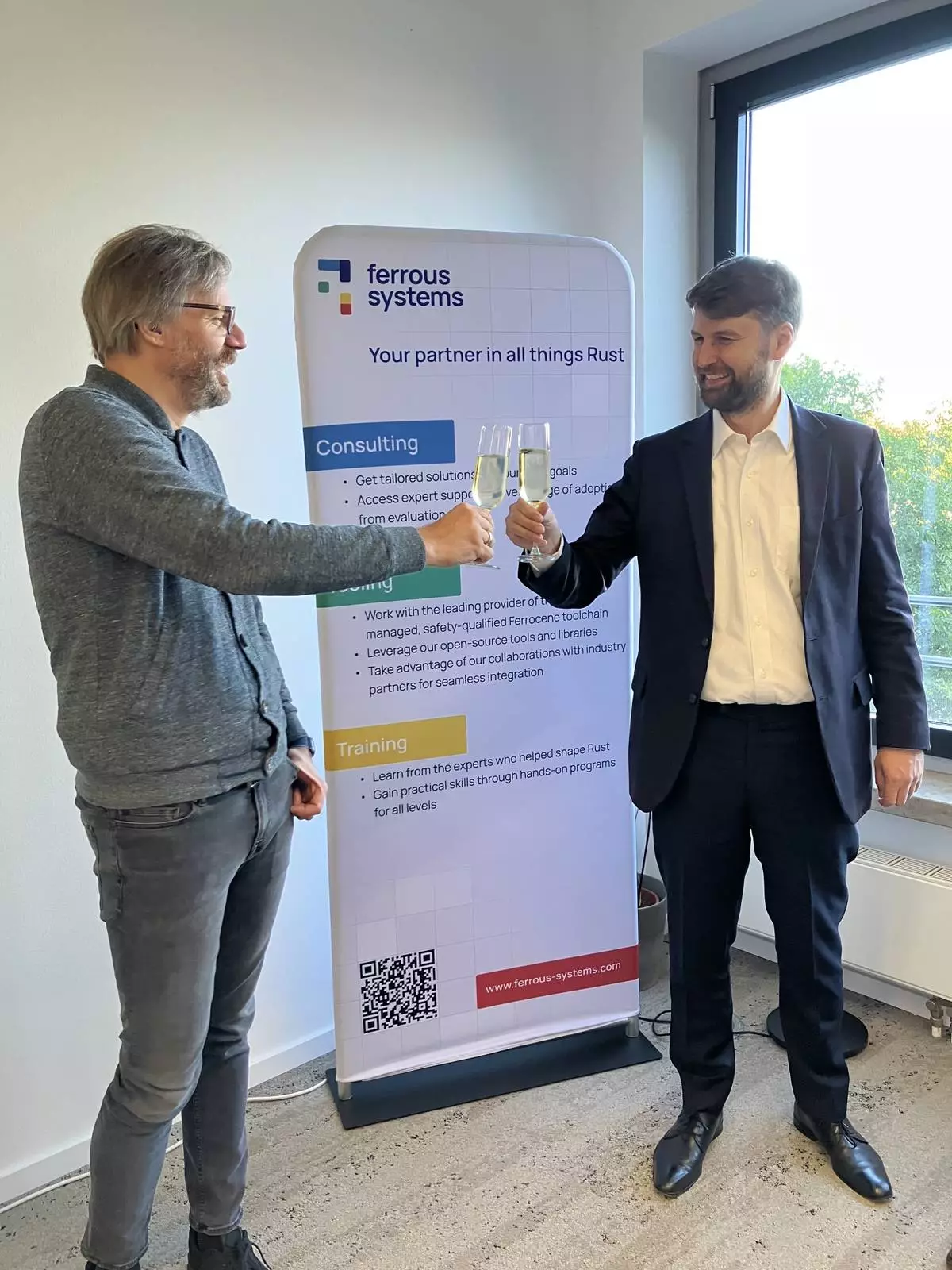
A toast to a new collaboration! Felix Gilcher, Managing Director responsible for Ferrocene, and Stephen Head, Chief Executive Officer of Universal Signalling, celebrate their partnership to develop the first Rust-based railway certification package.