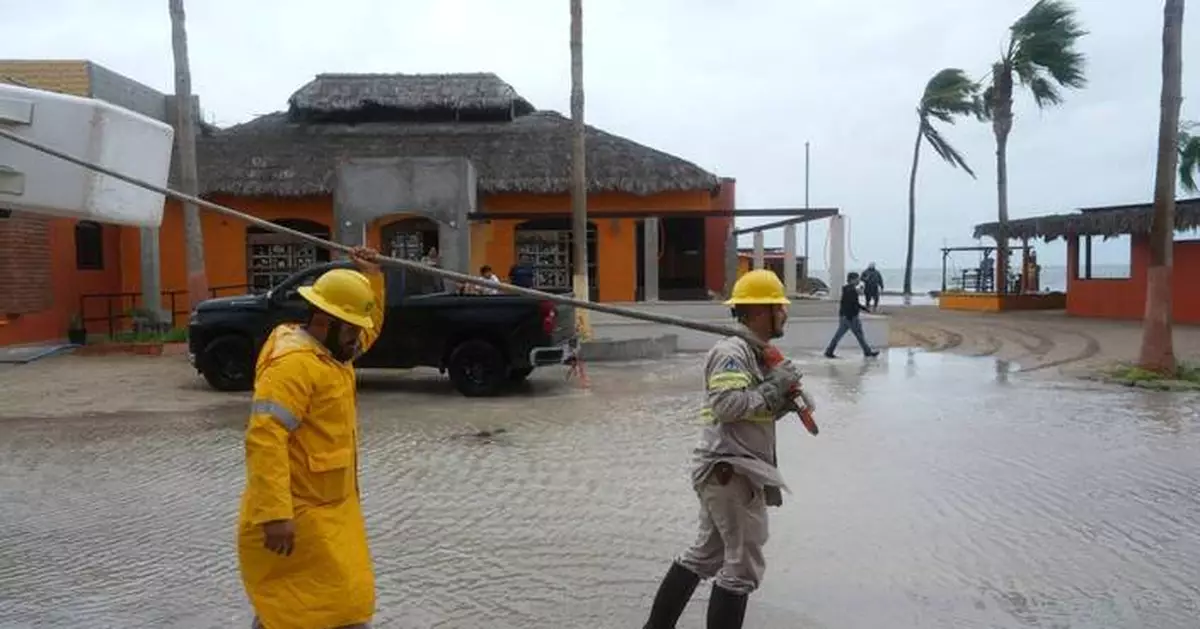
PUERTO SAN CARLOS, Mexico (AP) — Hurricane Polo made landfall early Tuesday in the Mexican state of Baja California with flash flooding and winds described by forecasters as “life-threatening.”
The Category 2 hurricane struck land just south of Las Barrancas, Mexico, about 80 miles (130 kilometers) north of Cabo San Lazaro and about 70 miles (115 kilometers) south of Mulege with maximum sustained winds of 110 mph (175 kph) while moving northeast at 13 mph (20 kph), the U.S. National Hurricane Center in Miami said.
Click to Gallery
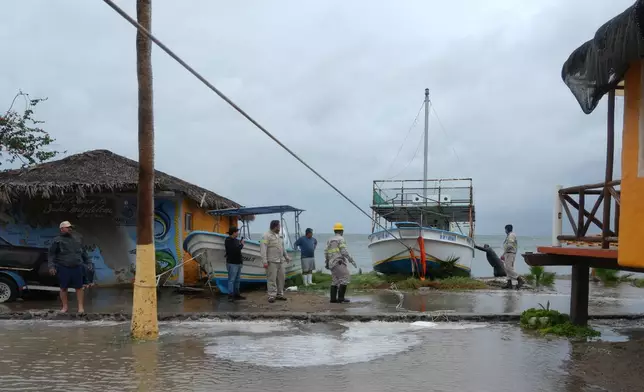
Workers pull a boat to shore as Hurricane Polo approaches Puerto San Carlos, Baja California Sur state, Mexico, Monday, Sept. 28, 2026. (AP Photo/Eduardo Verdugo)
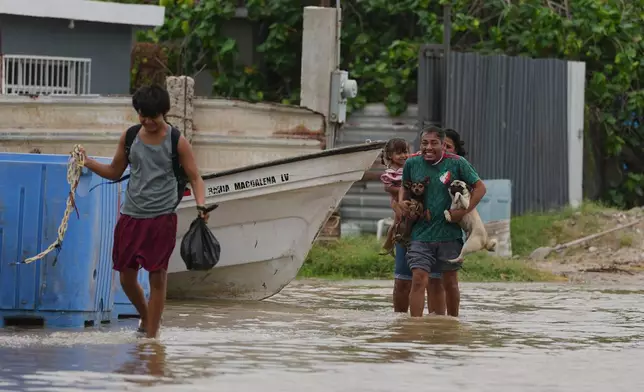
People evacuate their homes as Hurricane Polo approaches Puerto San Carlos, Baja California Sur state, Mexico, Monday, Sept. 28, 2026. (AP Photo/Eduardo Verdugo)
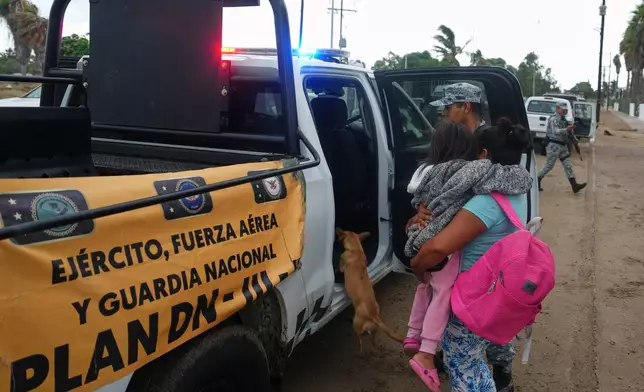
Residents are evacuated by the Army as Hurricane Polo approaches Puerto San Carlos, Baja California Sur state, Mexico, Monday, Sept. 28, 2026. (AP Photo/Eduardo Verdugo)
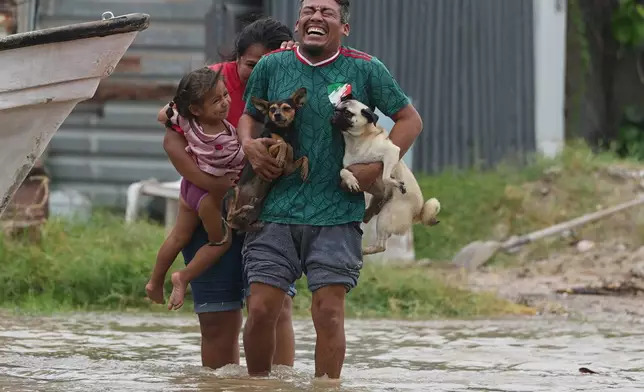
People evacuate their homes as Hurricane Polo approaches Puerto San Carlos, Baja California Sur state, Mexico, Monday, Sept. 28, 2026. (AP Photo/Eduardo Verdugo)
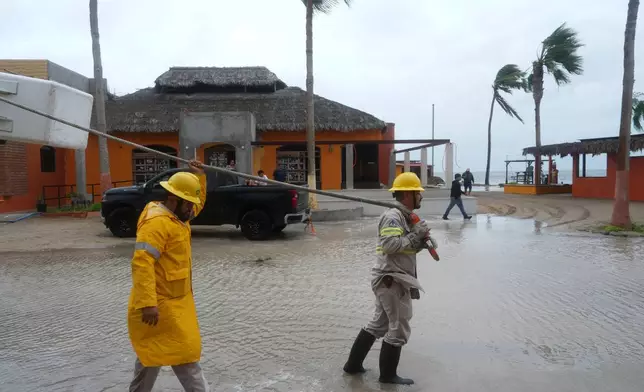
Workers pull a boat to shore as Hurricane Polo approaches Puerto San Carlos, Baja California Sur state, Mexico, Monday, Sept. 28, 2026. (AP Photo/Eduardo Verdugo)
On Monday, Polo was a Category 3 storm with top sustained winds of 115 mph (185 kph), the hurricane center said. It was expected to produce 6-12 inches (about 15 to 30 centimeters) of rain across parts of Baja California Sur.
Forecasters had predicted Polo would hit the Mexican mainland with life-threatening winds and flash floods expected. It could bring heavy rain and flooding to parts of the U.S. Southwest later in the week.
Meanwhile, the hurricane center reported Tropical Storm Rachel was moving parallel to Mexico's coast early Tuesday. The storm was about 300 miles (485 kilometers) west-southwest of Acapulco and about 315 miles (505 kilometers) south of Manzanillo with maximum sustained winds of 60 mph (95 kph) while moving west-northwest at 12 mph (19 kph).
Hurricane Nolo was still a major hurricane on Monday night, but was edging away from Hawaii.
The government of the northern Mexican state of Sonora on Monday night announced it would suspend all “nonessential” activities, including school, sports and non-essential work in the state capital and more than a dozen municipalities.
The Mexican navy said it had personnel ready across the northern Pacific coast and deployed three vessels that could ship aid to coastal communities isolated by Polo. Local authorities along the Baja California Peninsula said they had shelters ready, while travel will be suspended in the area and ports across the region will be closed.
Pacific storm activity has been above average during what is already the peak of hurricane season, according to National Weather Service lead forecaster Bob Oravec. He said that pattern is consistent with El Niño years, when the Pacific often sees more tropical storms and hurricanes.
The impact was expected to stretch into the U.S. Southwest, with Arizona, Utah, New Mexico and Texas receiving inches of rain. Arid canyons and rocky expanses with little vegetation are conducive to flash flooding and the tropical weather adds more risk, said Andrew Mangham, senior service hydrologist for the National Weather Service in Albuquerque, New Mexico.
“We’re getting caught up here in a very, very short time,” Mangham said. “And that’s not really what we want. We want nice rains, you know, all summer long.”
Hurricane Nolo on Monday had moved to about 425 miles (685 kilometers) west-southwest of Honolulu. The storm was about 330 miles (535 kilometers) south-southeast of French Frigate Shoals with maximum sustained winds of 120 mph (195 kph) moving north-northwest at 15 mph (24 kph).
Nolo drenched communities in south and southeastern parts of Hawaii's Big Island over the weekend. Hawaii National Guard members rescued 19 people from flooding over the weekend, the U.S. National Guard said in a post on Facebook.
The hurricane was approaching Papahanaumokuakea Marine National Monument, a marine conservation area, according to the hurricane center, which said the storm could bring dangerous conditions to the area starting Tuesday.
Janetsky reported from Mexico City. Eduardo Verdugo in Puerto San Carlos, Mexico, Julie Walker in New York, Mead Gruver in Fort Collins, Colorado, and Eugene Garcia and Gregory Bull in Hilo, Hawaii, contributed to this report.
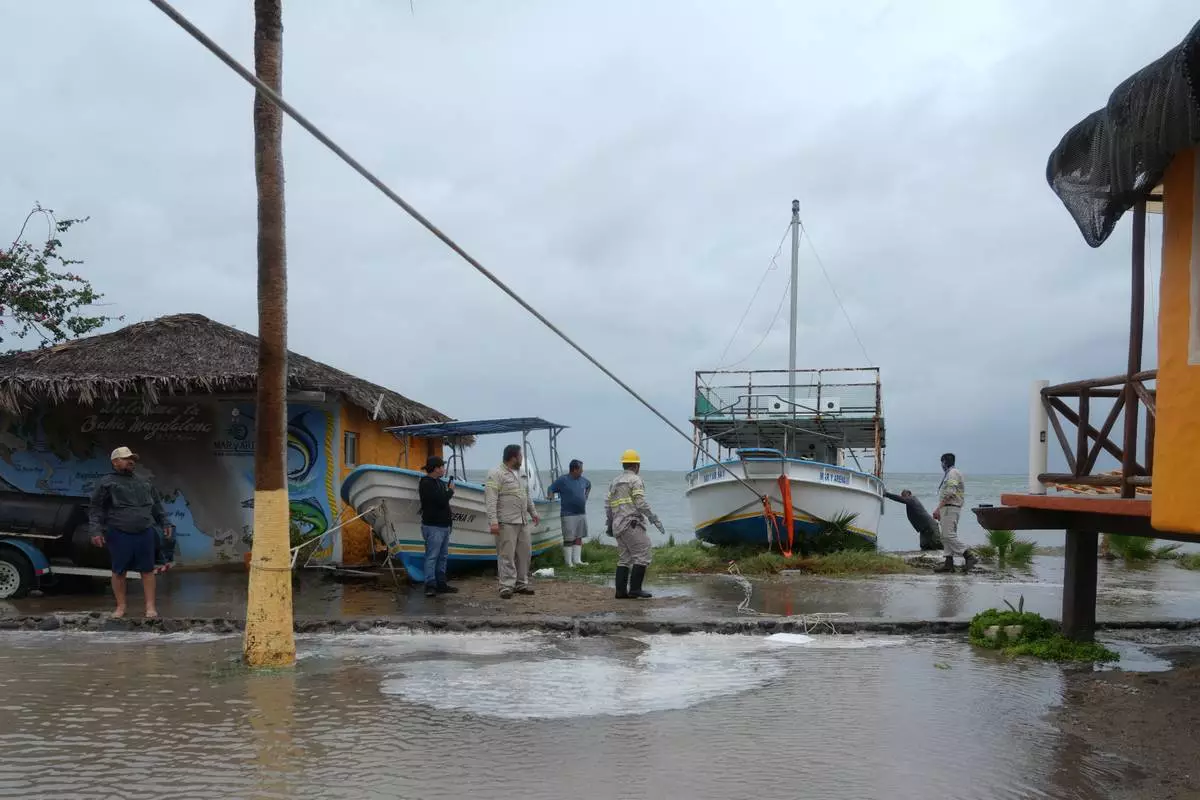
Workers pull a boat to shore as Hurricane Polo approaches Puerto San Carlos, Baja California Sur state, Mexico, Monday, Sept. 28, 2026. (AP Photo/Eduardo Verdugo)
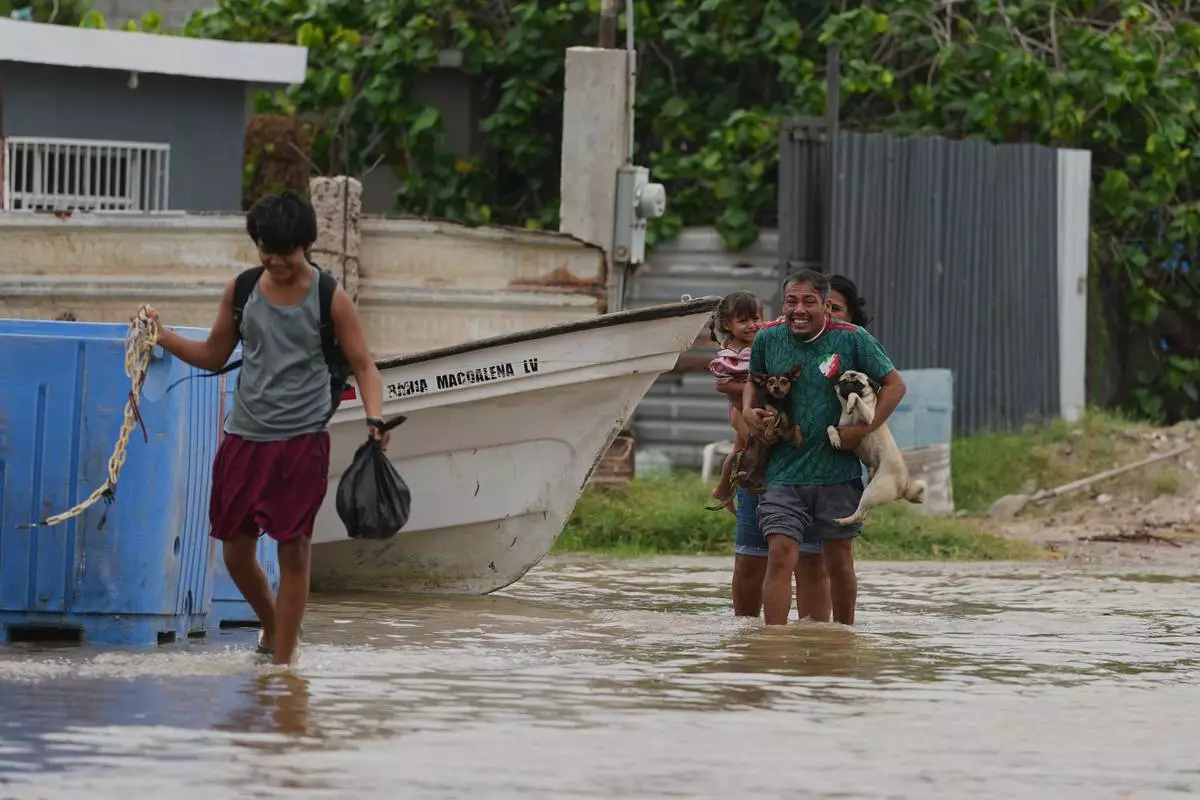
People evacuate their homes as Hurricane Polo approaches Puerto San Carlos, Baja California Sur state, Mexico, Monday, Sept. 28, 2026. (AP Photo/Eduardo Verdugo)
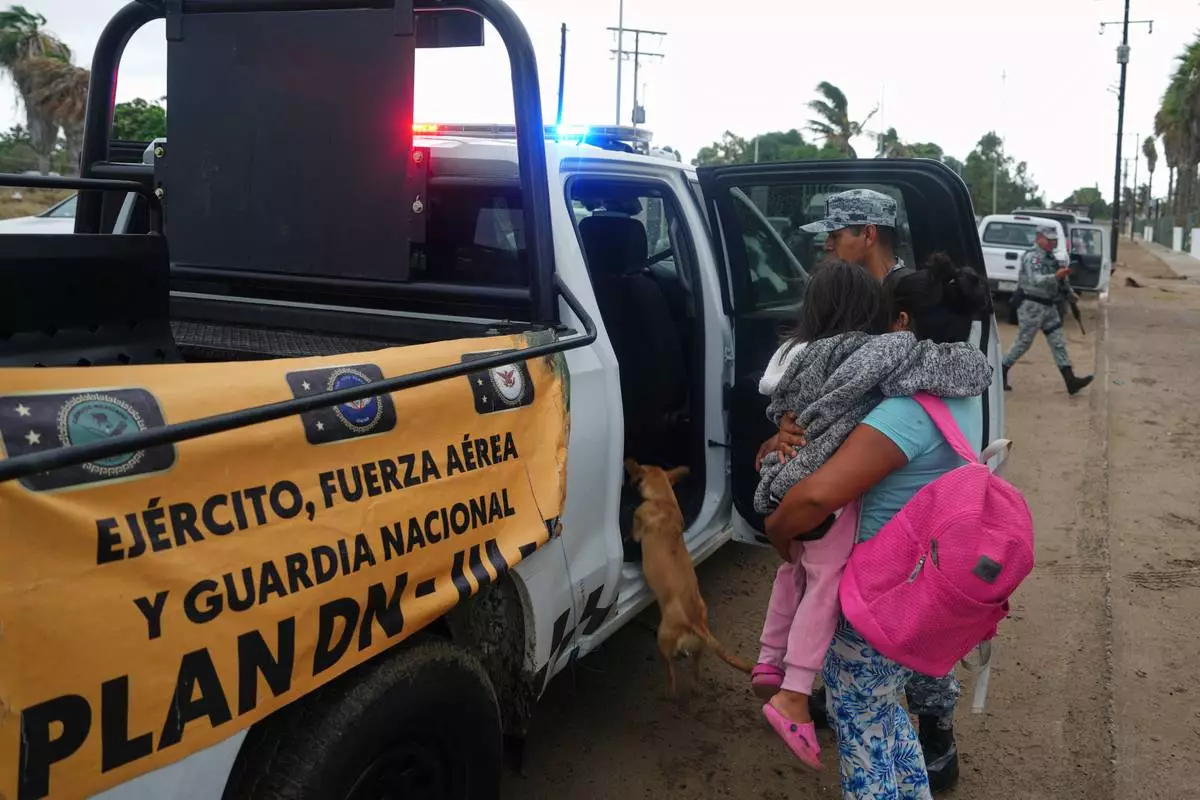
Residents are evacuated by the Army as Hurricane Polo approaches Puerto San Carlos, Baja California Sur state, Mexico, Monday, Sept. 28, 2026. (AP Photo/Eduardo Verdugo)
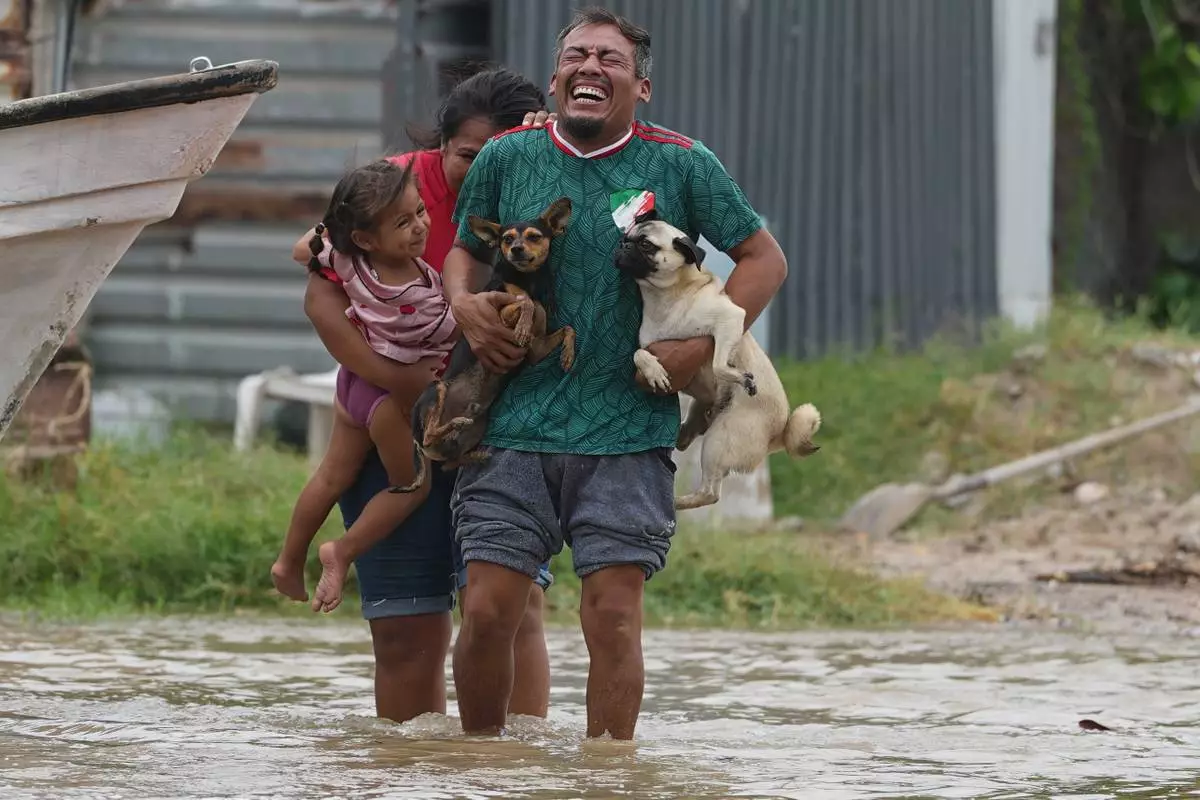
People evacuate their homes as Hurricane Polo approaches Puerto San Carlos, Baja California Sur state, Mexico, Monday, Sept. 28, 2026. (AP Photo/Eduardo Verdugo)
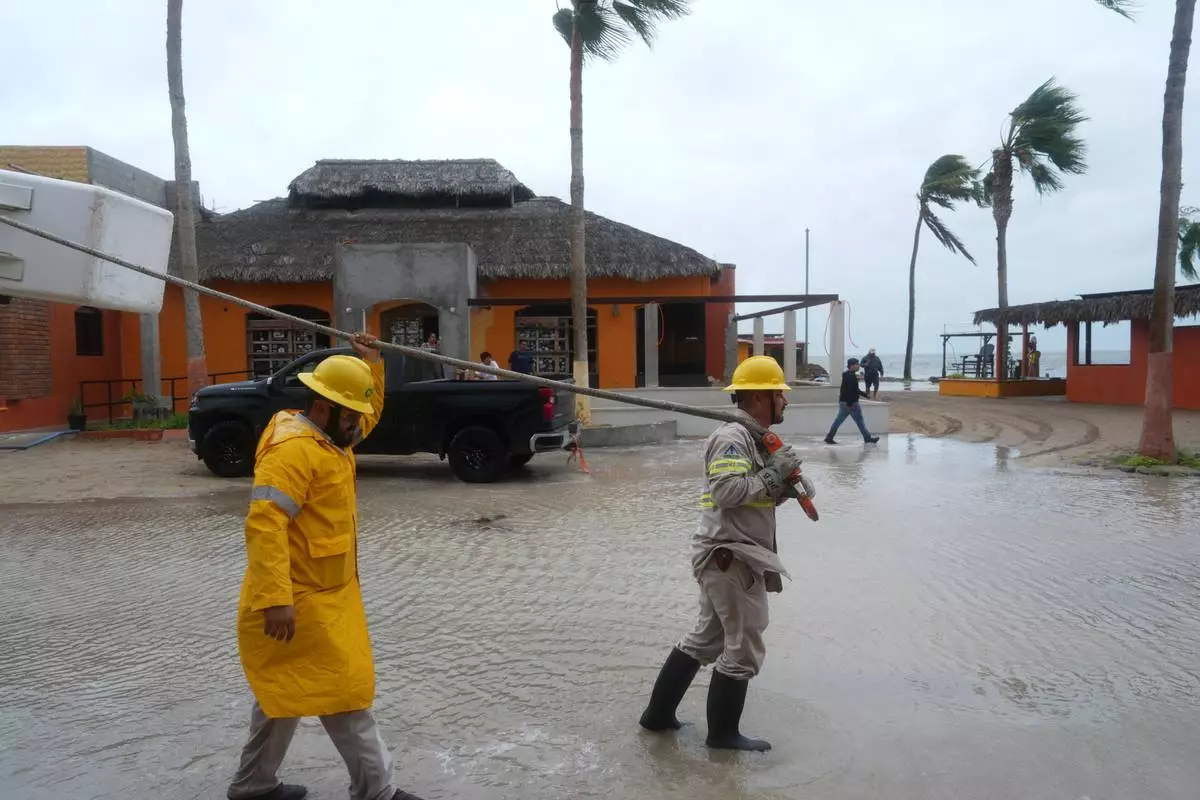
Workers pull a boat to shore as Hurricane Polo approaches Puerto San Carlos, Baja California Sur state, Mexico, Monday, Sept. 28, 2026. (AP Photo/Eduardo Verdugo)