Skip to Content Facebook Feature Image

If you’re worried about your bond portfolio, you’re missing the point

Business

If you’re worried about your bond portfolio, you’re missing the point
Business

Business

If you’re worried about your bond portfolio, you’re missing the point

2026-09-29 18:10 Last Updated At:18:30

A friend who’s close to retirement texted that she was concerned about the bond market. She’d been building out that fixed-income allocation over the past several years at the urging of her adviser.

Her message made me wonder if some people might have misguided ideas about bonds.

For one thing, notwithstanding the recent headlines, bonds’ volatility is almost always going to be mild alongside the fluctuations that stocks experience. For example, on Sept. 1, 2026, a day when bonds grabbed the top headline on The Wall Street Journal’s website, total bond market index funds were down about half a percentage point. Returns for the year to date were just barely in the red. As the saying goes, “A bad year in the bond market is like a bad day in the stock market.”

Of course, the 2022 bond rout is fresh in everyone’s minds: Amid the Federal Reserve’s seven interest rate increases that year, the typical intermediate-term bond fund shed about 13%, and long-term Treasury bonds dropped nearly 30%. But those were the worst bond market losses in history, exacerbated by the fact that starting yields were so low at the time of the sell-off. When bond yields go up, hurting prices of already-existing bonds with lower yields attached to them, investors still receive whatever interest the bond pays; those interest payments help offset price declines. But with 10-year Treasury yields of about 1.5% in early 2022, yields provided limited cover for the interest rate-related losses in bond prices. In 2026, with 10-year Treasury yields at roughly 4.8%, bond investors have more protection in the form of higher yields.

Another point that can get lost is why you hold bonds in the first place. Stocks are your growth engine, but bonds and cash are the sleep-at-night portion of your portfolio, designed to hold their value or lose just a bit when stocks are down. So, if the potential for losses in your bond portfolio is stressing you out, that can be a sound reason to change it up so that it doesn’t. You might give up some return potential in the process, but that’s OK. Your goal for your bond portfolio is “return of capital, not return on capital,” as the saying goes. Return on capital is why you hold stocks.

To help ensure your bond holdings land in the black for a specific spending need, use individual bonds, especially Treasury bonds and Treasury Inflation-Protected Securities, and hold them to maturity. This allows you to lock in a specific yield, whereas bond mutual funds’ yields will ebb and flow based on prevailing market yields. A laddered portfolio of Treasury Inflation-Protected Securities is a popular strategy to address retiree spending needs.

Alternatively, you can use mutual funds or exchange-traded funds. That approach doesn’t provide the same type of principal protection as buying and holding individual bonds to maturity, but it’s less rigid and can make sense for people with less precise spending goals.

If you go with bond funds, the best way to ensure their “sleep-at-night” functionality is to be willing to give up some return potential in exchange for more stability. For money you’ll need within the next few years, stick with cash instruments like money market funds or high-yield savings accounts. For spending horizons of three to 10 years, short- and intermediate-term high-quality bond funds are a solid option. They have some potential for losses, but if you match the bond fund’s duration to your anticipated holding period, your bond fund is likely to be in the black when you need the money.

Some financial advisers and individual investors try to make tactical moves with bonds: shifting into shorter-term bonds or even cash when it appears higher rates are in the offing, or back into longer-duration bonds when they think yields are at a high-water mark.

My advice: Get out of the timing business. Most professional bond-fund managers don’t make active bets regarding their portfolios’ interest rate sensitivity, so it’s hard to see why individual investors would be able to gain an advantage.

Morningstar’s “Mind the Gap” research provides a stark reminder that bond investors’ ill-conceived timing decisions can take a bite out of returns.

For the 10-year period through December 2025, for example, the typical taxable bond fund earned 3.0%, but the typical investor in such a fund earned just 2.1%. Focusing on your individual situation and not taking more risk than you need to are key ways to avoid unforced errors with your bond portfolio.

This article was provided to The Associated Press by Morningstar. For more personal finance content, go to https://www.morningstar.com/personal-finance.

Christine Benz is director of personal finance and retirement planning for Morningstar and co-host of The Long View podcast. Subscribe to her free newsletter, Improving Your Finances.

Related Links:

How Much Should You Allocate to Safer Assets?

https://www.morningstar.com/portfolios/how-much-should-you-allocate-safer-assets

Retirement Planning for Real Life, With Christine Benz

https://www.morningstar.com/retirement/retirement-planning-real-life-with-christine-benz

Christine Benz’s Best Investment Portfolio Examples for Savers and Retirees

https://www.morningstar.com/portfolios/best-investment-portfolio-examples-savers-retirees
FILE - U.S. $100 bills displayed for a photo in Dallas on Jan. 22, 2020. (AP Photo/LM Otero, File)

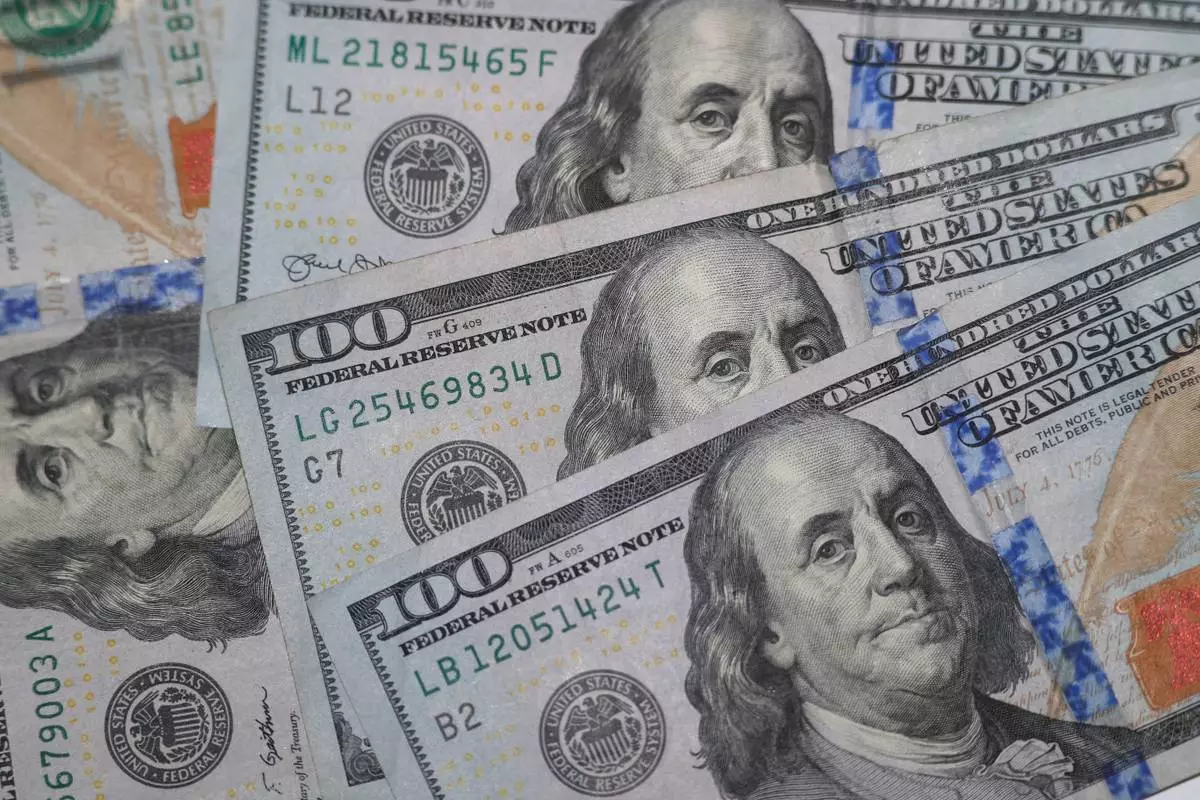
FILE - U.S. $100 bills displayed for a photo in Dallas on Jan. 22, 2020. (AP Photo/LM Otero, File)
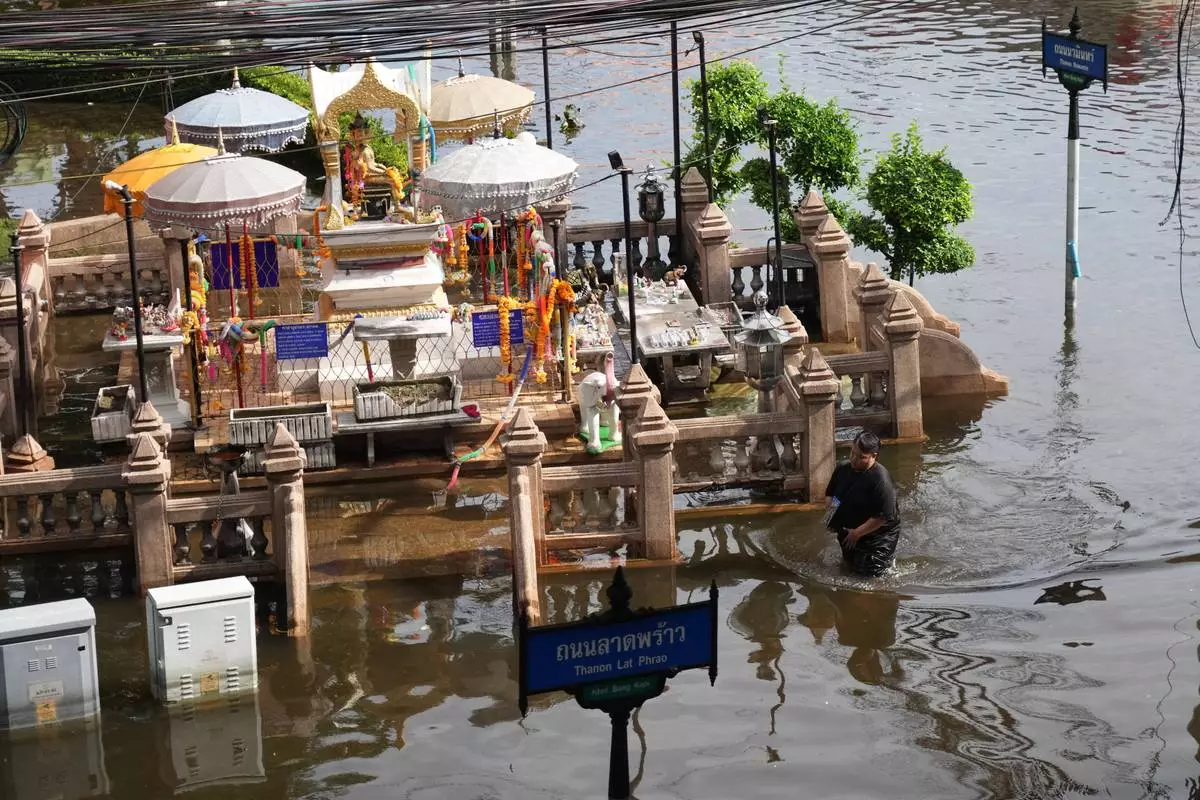
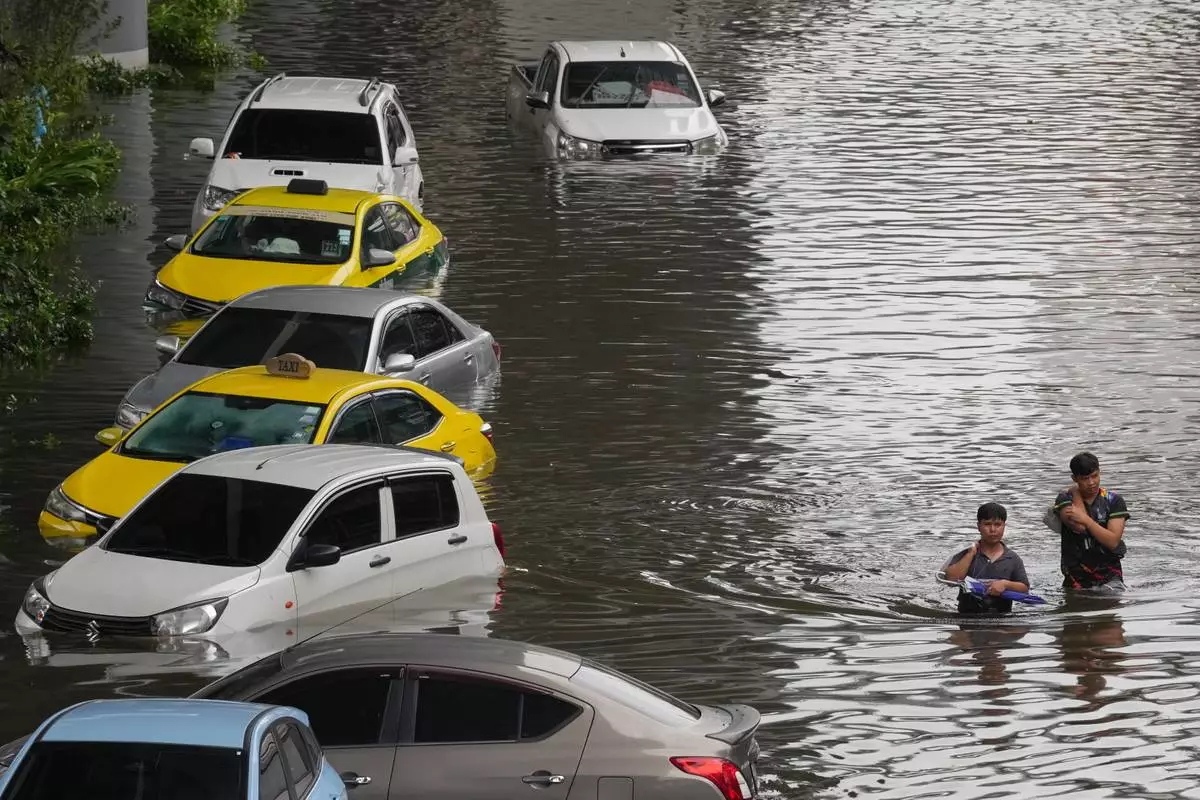
BANGKOK (AP) — Thailand 's government approved emergency funds Tuesday for flood victims amounting to $122 million following a deluge that had battered the country since mid-September, affecting more than 2.6 million people and killing at least 19.

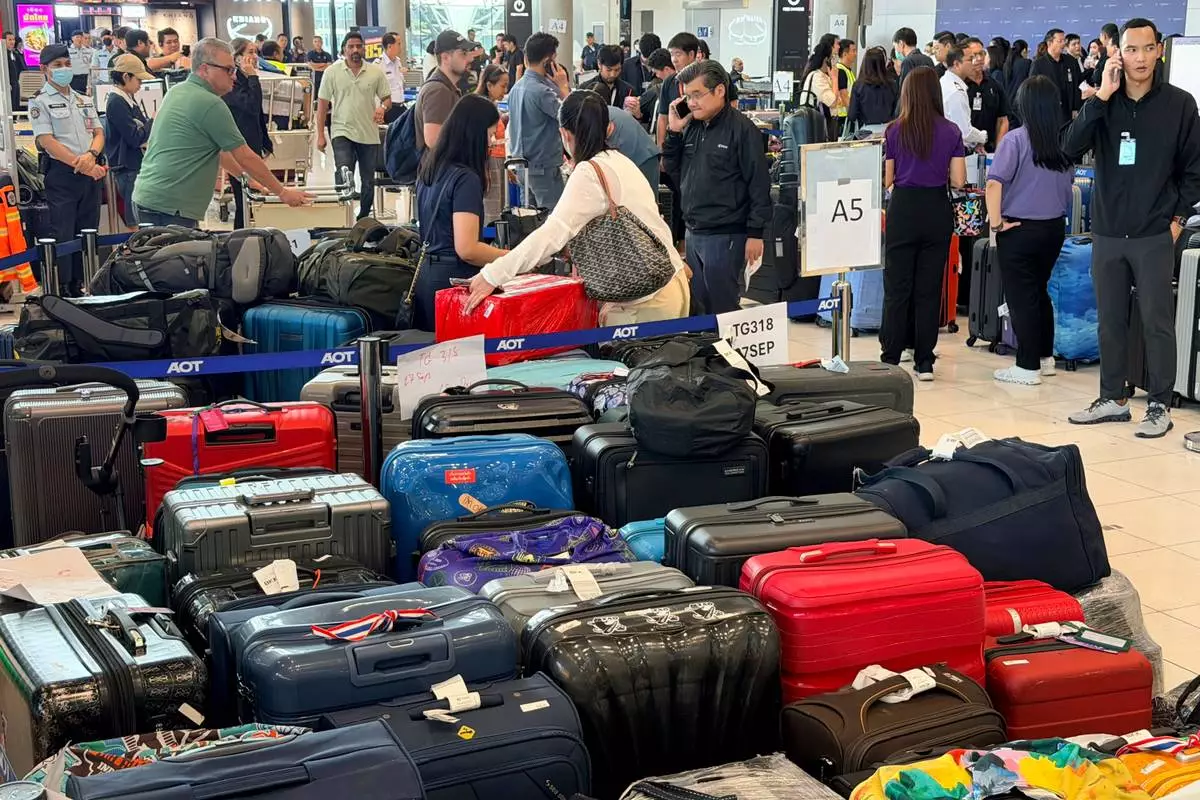
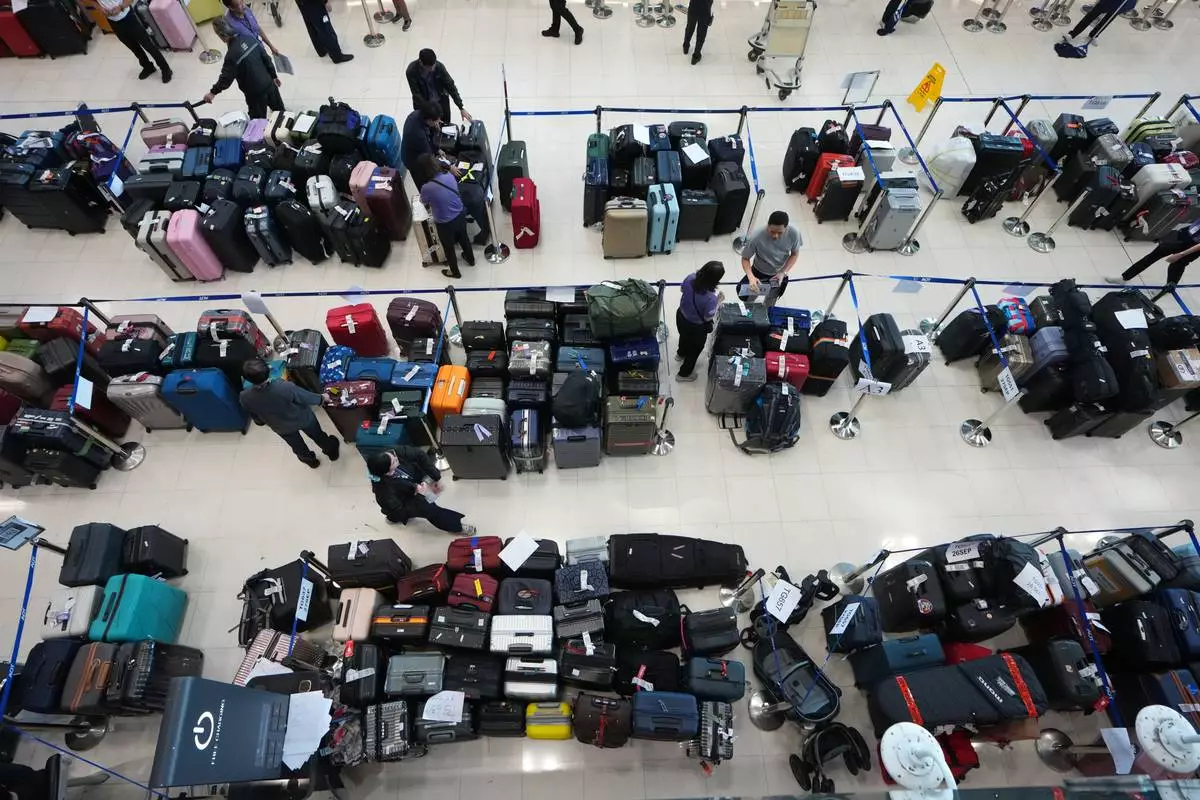
The country's capital, Bangkok, was recovering after days of torrential rains and widespread flooding, but some disruptions remained. Thailand's main airport, which had been struck with flight cancellations, was struggling with a major baggage backlog.

According to government spokesperson Ekkapob Pianpises, the approved funds of 4.1 billion baht would be disseminated by the Interior Ministry to compensate people impacted by the floods nationwide.

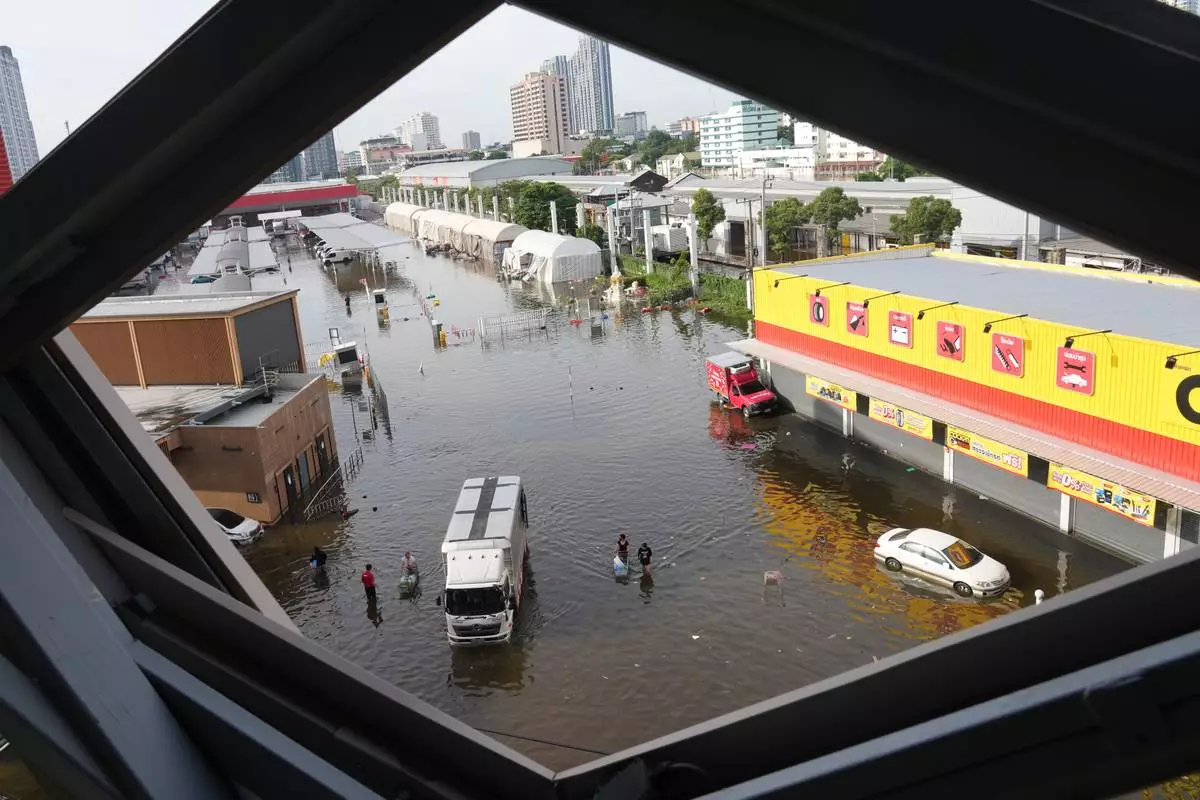
Rain has largely stopped in Bangkok, but some neighborhoods, particularly in the east, are still inundated. The city's governor, Chadchart Sittipunt, said traffic should return to normal on most main roads within two days, although in some low-lying areas it could take up to seven days for roads to dry out.

While Bangkok was expected to stay dry, heavy rain was forecast elsewhere in Thailand for Tuesday, the Thailand Meteorological Department said.

Industry Minister Varawut Silpa-archa said the flooding had caused an estimated 22 million baht (about $655,000) in damage to businesses nationwide. Residents in 29 out of Thailand's 76 provinces remained impacted by the floods on Tuesday, officials said. Of the 19 deaths, four took place in Bangkok.

Thai Airways, one of the main airlines handling baggage at Bangkok’s Suvarnabhumi Airport, apologized to affected passengers for a massive luggage backlog, which the airline attributed in part to staff shortages caused by the flooding.

Hundreds of suitcases were seen lining up at the arrivals area on Tuesday. The Thai Air Force said it had sent personnel to the airport to assist with the luggage problem.

“I sincerely apologize to all passengers for the inconvenience caused. Thai Airways is making every effort to ensure that passengers are reunited with their baggage as soon as possible,” said Chai Eamsiri, the airline's CEO.

The airline also canceled more than 10 of its domestic and international flights on Tuesday and Wednesday.

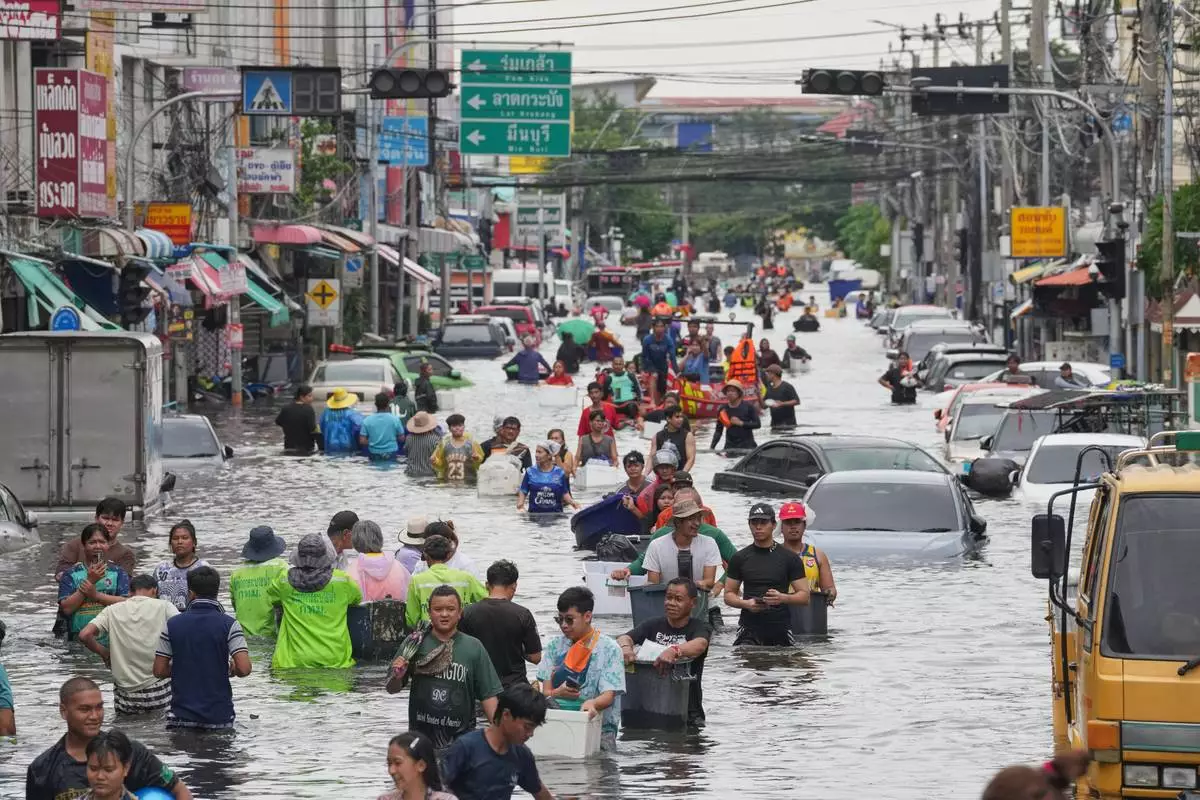
In Bang Kapi, one of Bangkok's hardest hit neighborhoods, residents waded through floodwater, and some used small boats to get around.

A makeshift market was set up on a raised walkway just outside a mall shortly after the flooding, and vendors from a nearby market, where the water remained knee-high, had moved there, selling meat, vegetables and herbs. Music blared from loudspeakers and vendors called out to customers who waded through floodwater or walked through the mall to get to them.

Lon Cheng, a Cambodian vendor who has lived in Thailand for over 20 years, cheerfully called to customers and danced along with the music behind his vegetable stall.

He said he had suffered huge losses in the floods.

“The first day ... I spent about 70,000 baht (about $2,100) and I could sell for only 20,000 baht (about $600),” he said. “It was a big loss, but with losses I still need to sell.”

Neighboring countries have also been battered by the floods. In Myanmar, at least 10 people were killed and dozens were missing after heavy rain triggered widespread flooding and landslides in the southern coastal region of Tanintharyi, local media reported.

Flash floods also struck at least 10 provinces in Cambodia, affecting 44,889 families and forcing nearly 4,000 people to evacuate, according to disaster management officials. At the centuries-old Angkor temple complex, workers were opening water gates and diversion systems to reduce the risk of flooding at the archeological site.

In this photo made from smartphone, rows of undelivered luggage are placed in the arrivals hall at Suvarnabhumi International Airport in Bangkok, Thailand, Tuesday, Sept. 29, 2026, after flooding affected operations. (AP Photo/Celine Rosario)

In this photo made from smartphone, rows of undelivered luggage are placed in the arrivals hall at Suvarnabhumi International Airport in Bangkok, Thailand, Tuesday, Sept. 29, 2026, after flooding affected operations. (AP Photo/Celine Rosario)

Rows of undelivered luggage are placed in the arrivals hall at Suvarnabhumi International Airport in Samut Prakan, Thailand, Tuesday, Sept. 29, 2026, after heavy rain and floods in Bangkok prevent airport workers from getting to work. (AP Photo/Sakchai Lalit)

Rows of undelivered luggage are placed in the arrivals hall at Suvarnabhumi International Airport in Samut Prakan, Thailand, Tuesday, Sept. 29, 2026, after heavy rain and floods in Bangkok prevent airport workers from getting to work. (AP Photo/Sakchai Lalit)

A man wades through floodwaters after heavy rain in Bangkok, Thailand, Tuesday, Sept. 29, 2026. (AP Photo/Sakchai Lalit)

A man wades through floodwaters after heavy rain in Bangkok, Thailand, Tuesday, Sept. 29, 2026. (AP Photo/Sakchai Lalit)

People wade through a flooded street after heavy rain in Bangkok, Thailand, Sunday, Sept. 27, 2026. (AP Photo/Sakchai Lalit)

People wade through a flooded street after heavy rain in Bangkok, Thailand, Sunday, Sept. 27, 2026. (AP Photo/Sakchai Lalit)

A man paddles a rubber raft through a flooded street after heavy rain in Bangkok, Thailand, Tuesday, Sept. 29, 2026. (AP Photo/Sakchai Lalit)

A man paddles a rubber raft through a flooded street after heavy rain in Bangkok, Thailand, Tuesday, Sept. 29, 2026. (AP Photo/Sakchai Lalit)

People wade through a flooded street after heavy rain in Bangkok, Thailand, Monday, Sept. 28, 2026. (AP Photo/Sakchai Lalit)

People wade through a flooded street after heavy rain in Bangkok, Thailand, Monday, Sept. 28, 2026. (AP Photo/Sakchai Lalit)

Streets are flooded after heavy rain in Bangkok, Thailand, Tuesday, Sept. 29, 2026. (AP Photo/Sakchai Lalit)

Streets are flooded after heavy rain in Bangkok, Thailand, Tuesday, Sept. 29, 2026. (AP Photo/Sakchai Lalit)

Recommended Articles