The U.S. on Tuesday targeted people and firms around the globe that it has accused of being financial facilitators or enablers of Iran’s military supply chain, as the Trump administration pushes forward with economic warfare against Tehran at a time when renewed diplomacy between the two countries remains uncertain.
The latest action by the Treasury Department is part of the administration's Operation Economic Outcast campaign, which is aimed at severing “critical financial lifelines” for the already heavily sanctioned Iranian government.
“Treasury will not tolerate any support to the regime and will continue to identify, expose, and isolate Iran’s enablers," Treasury Secretary Scott Bessent said in a statement.
Ten individuals and entities based in Iran, Hong Kong and Pakistan were sanctioned for allegedly procuring weapons and weapon components for Iran's defense ministry as it fights its now seven-month war against the U.S.
U.S. officials have said they want to disrupt Iran's defense systems and further degrade the government's ability to reconstitute its weapons program. The aim of the latest sanctions includes increasing the costs for the people and companies that have assisted Iran's military procurement efforts.
In 2024, the Biden administration also targeted entities that supported Iran’s Ministry of Defense and Armed Forces Logistics in their production and proliferation of missiles and drones.
The latest financial penalties come as Iran’s currency fell to a record low Tuesday, with traders in Tehran exchanging more than 2.5 million rials to the U.S. dollar. The rial has steadily declined since the war began on Feb. 28, hitting its previous record low of 2.2 million to the dollar on Sept. 2.
While the Iranian economy has been under duress for years in the face of international sanctions, this year's U.S. naval blockade on Iranian oil and new sanctions imposed since the start of the war have sent it into unprecedented freefall.
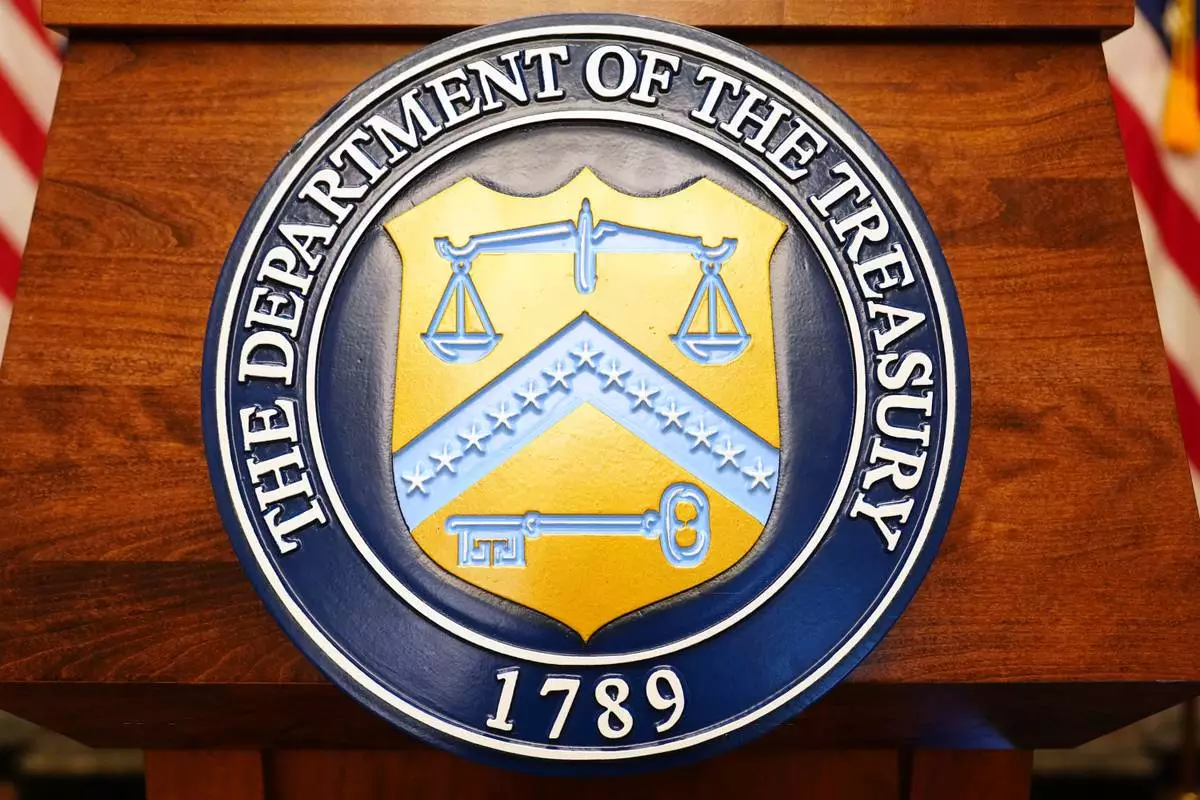
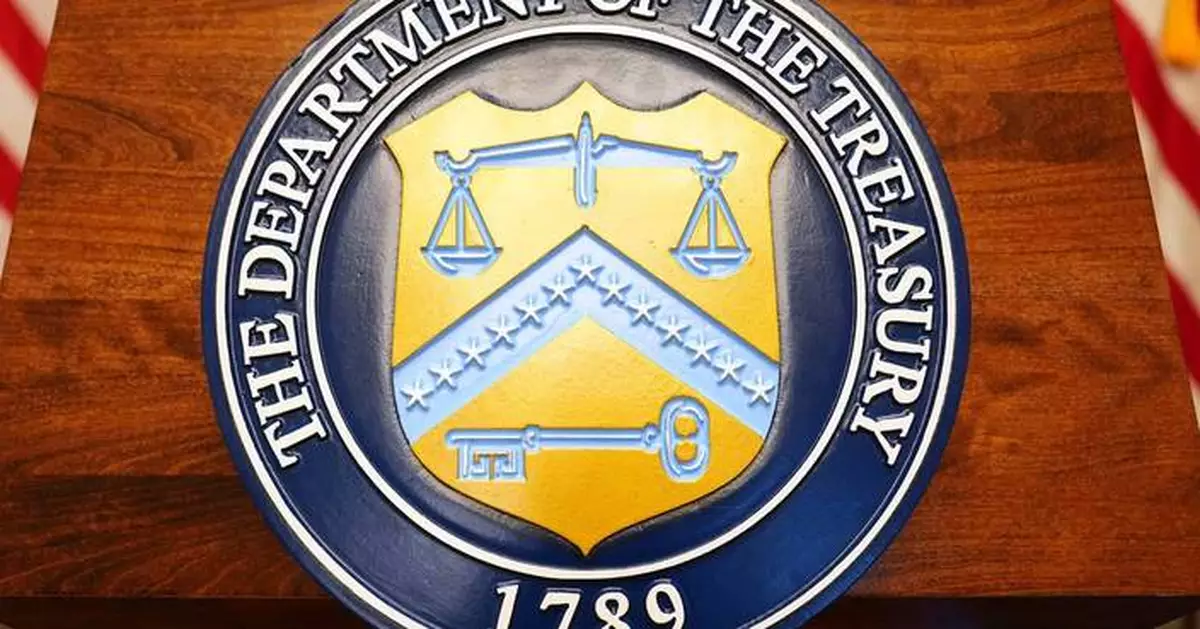
FILE - The seal of the Treasury Department is seen before a news conference, Aug. 24, 2026, at the Treasury Department in Washington. (AP Photo/Julia Demaree Nikhinson, File)
NAIROBI, Kenya (AP) — Nigerian billionaire industrialist Aliko Dangote said on Tuesday that American investors would participate in a planned $16 billion East African oil refinery, while insisting that the project remain African-led.
Dangote was speaking in Kenya ahead of Wednesday’s groundbreaking ceremony for the refinery in the coastal city of Lamu. The facility is expected to process 700,000 barrels of crude oil a day.
American investors “will definitely come,” Dangote told journalists, pointing to U.S. backing for his previous projects.
He cited a proposed refinery in Brownsville, Texas, tied to what U.S. President Donald Trump called a $300 billion energy deal, as evidence of continued interest in the oil industry. The figure covers a long-term supply and product-distribution arrangement rather than solely the refinery’s construction cost.
He said three East African countries — Kenya and two others he declined to identify — would acquire a combined 30% stake in the Lamu refinery, which is expected to create 60,000 jobs.
The facility is expected to process crude from Uganda and other African producers that currently export their oil. Kenya does not produce oil commercially but plans to resume exploration in the country’s north in December.
Dangote cautioned against allowing Africans to lose control of major projects. He cited the public offering of shares in his Nigerian refinery, which he said was intended to give ordinary people an opportunity to own part of the business.
The Lamu project comes as Dangote Group plans to invest nearly $50 billion across Africa by 2030 under a strategy intended to put Africans at the forefront of the continent’s development.
Dangote said Africa needed foreign capital but argued that Africans must invest first, develop the continent’s resources and demonstrate the opportunities available to international partners.
He also called for greater use of technology to raise productivity while protecting employment, saying: “AI is not going to displace people.”
He said Africa must process more of its raw materials domestically and retain the resulting jobs and economic value, particularly as younger generations demand greater benefits from the continent’s natural resources.
The refinery is already facing local obstacles. A court this week ordered that the “status quo” be maintained at the site pending resolution of a lawsuit filed by residents claiming ownership of the land.
Dangote told investors that the groundbreaking ceremony would proceed and that his company was “ready” to respond to legal challenges.
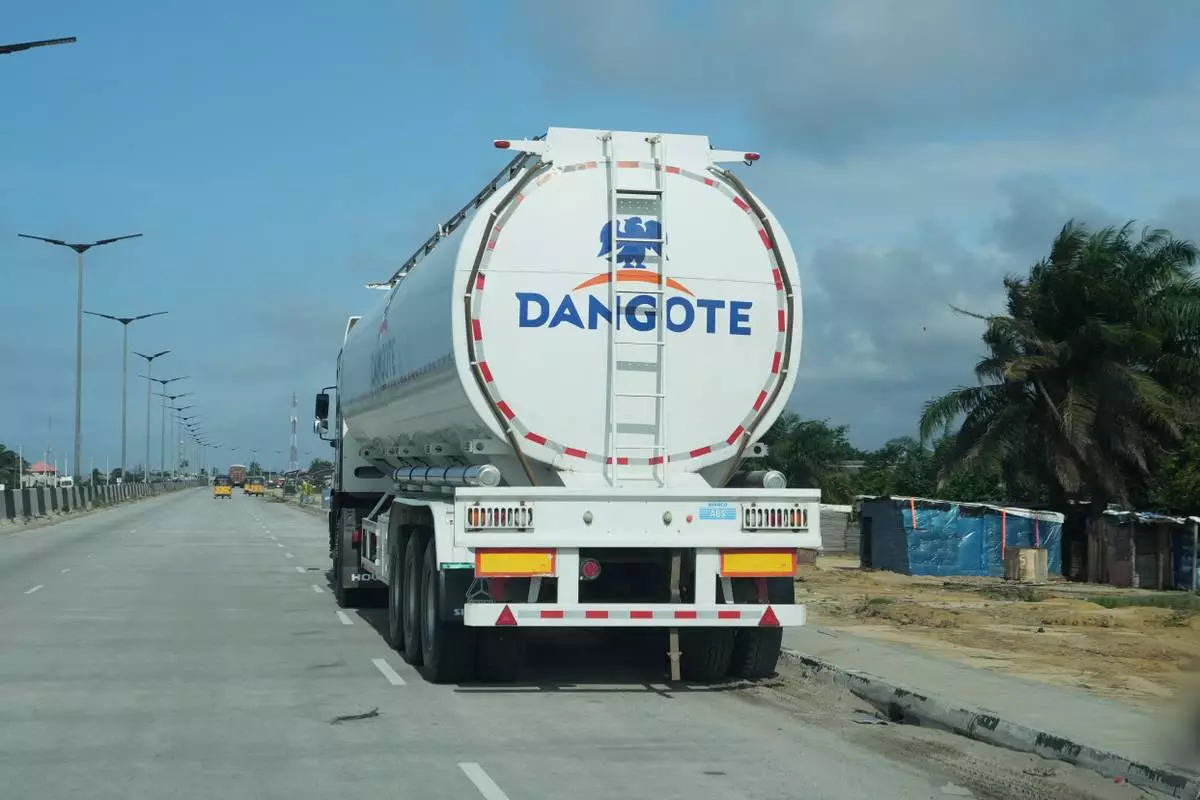
A Dangote fuel truck is parked near the Dangote Refinery in Lagos Nigeria, Wednesday, Sept. 16, 2026. (AP Photo/Sunday Alamba)
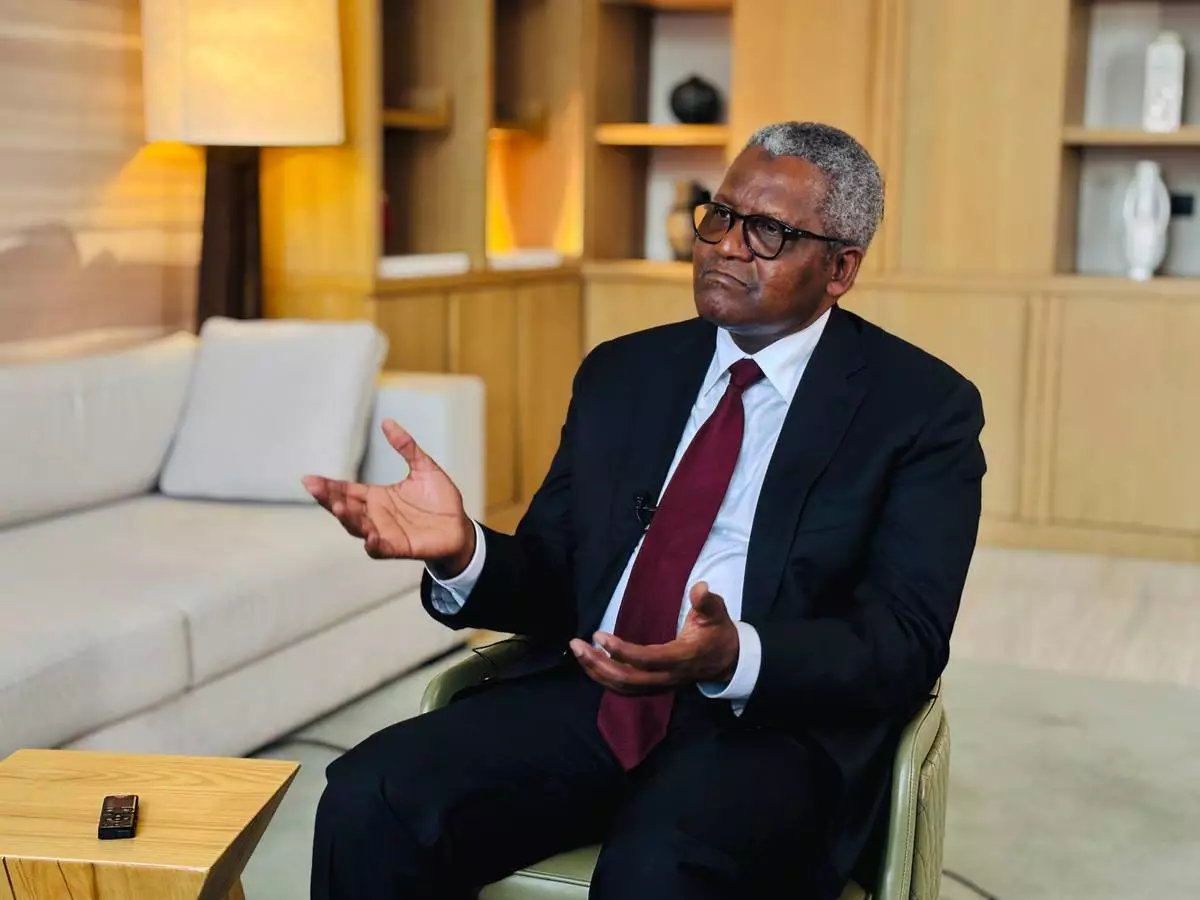
Nigerian industrialist Aliko Dangote speaks during an interview with the Associated Press, in Nairobi, Kenya, Tuesday, Sept. 29, 2026. (AP Photo/Jackson Njehia)