The central parity rate of the Chinese currency renminbi, or the yuan, strengthened 60 pips to 6.7351 against the U.S. dollar Wednesday, according to the China Foreign Exchange Trade System.
In China's spot foreign exchange market, the yuan is allowed to rise or fall by 2 percent from the central parity rate each trading day.
The central parity rate of the yuan against the U.S. dollar is based on a weighted average of prices offered by market makers before the opening of the interbank market each business day.
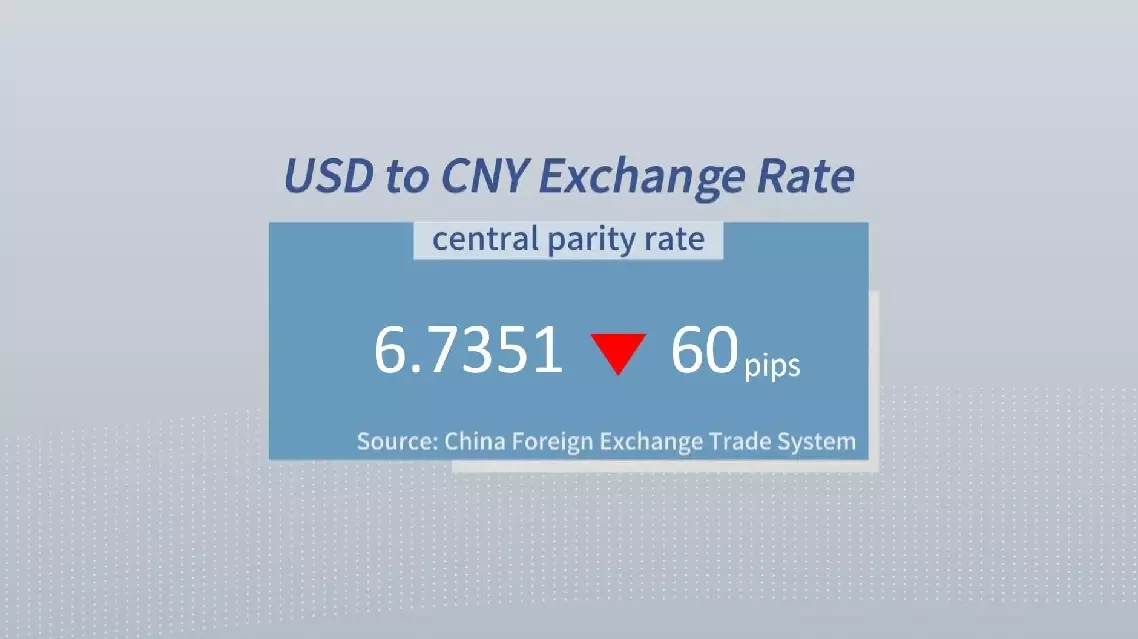
Chinese yuan strengthens to 6.7351 against USD Wednesday
The U.S.-led coalition concluded its military mission in Iraq on Wednesday, marking the end of more than two decades of Western military presence that began with the 2003 invasion.
Iraqi Prime Minister Ali al-Zaidi on Wednesday announced the conclusion of the U.S.-led international coalition's mission to combat the Islamic State (IS) in Iraq.
On the same day, the Pentagon said the United States and its allies have officially ended Operation Inherent Resolve against the IS in Iraq.
To mark the occasion, the Iraqi government declared a four-day official holiday from September 30 to October 3, designated as "Sovereignty Day" celebrations.
"For Iraq, the withdrawal of U.S. forces means that national sovereignty is further fully implemented. Iraq will be able to decide its own stance independently. This is something to be happy about and an important moment of national significance," said Majid Al-Hasnawi, a resident.
Iraqi analysts echoed hopes that regaining full autonomy will accelerate domestic recovery.
"I think at this current time, the withdrawal of U.S. forces and international coalition troops will help promote the reconstruction process. Because the Iraqi people will rely on their own country's talents and institutions, and the people of this country will drive the national reconstruction themselves," said Faisal Radi, an economist.
The drawdown follows years of shifting security dynamics. The U.S. launched the Iraq War in 2003 and carried out a broad withdrawal in late 2011, leaving only a residual force.
In 2014, the Islamic State group seized vast territories across Iraq's west and north. The U.S.-led coalition to combat the extremist group was subsequently formed and deployed forces to Iraq.
In 2024, the U.S. and Iraq agreed on a two-phase transition to conclude the coalition's mission.
"Ending the foreign military presence is an important political decision made and being implemented by Iraq. The problem is that a foreign military presence may provide room for intervention in Iraq's domestic political affairs, and this kind of interference in Iraq's internal affairs is something the Iraqi side cannot accept," said Salah Boushi, director of the Iraq Center for Strategic Affairs.
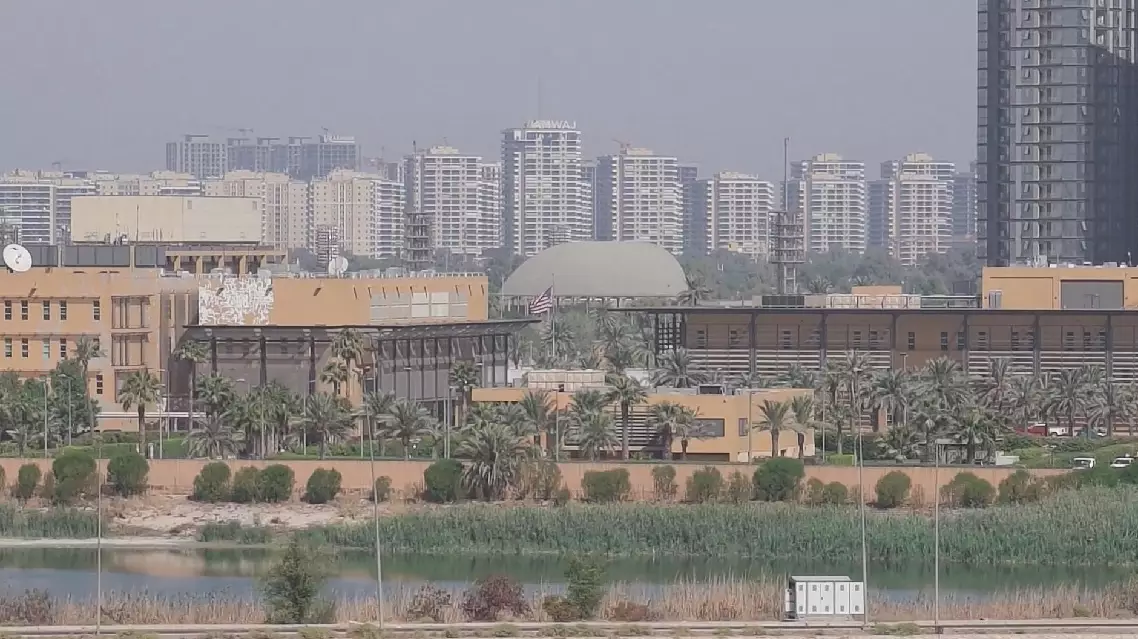
U.S.-led coalition concludes military mission in Iraq