U.S. President Donald Trump warned that the United States could intensify its strikes on Iran following U.S. midterm elections, according to U.S. media reports on Thursday.
In an interview with Time magazine, published on Thursday, Trump said it was "possible" that the U.S. could increase its bombing campaign against Iran after the midterm elections.
Trump also said that he had rejected Iran's proposal to reopen the Strait of Hormuz.
Trump said on Wednesday that if a deal with Iran cannot be reached, a military strike might be launched, and the time for making a decision is drawing near.
Mohammad Reza Naqdi, an advisor to the Commander-in-Chief of Iran's Islamic Revolutionary Guard Corps, said Wednesday that if the United States acted in its own interests, it would halt military strikes against Iran. Naqdi said that events over the past seven months have demonstrated the failure of U.S. actions against Iran.
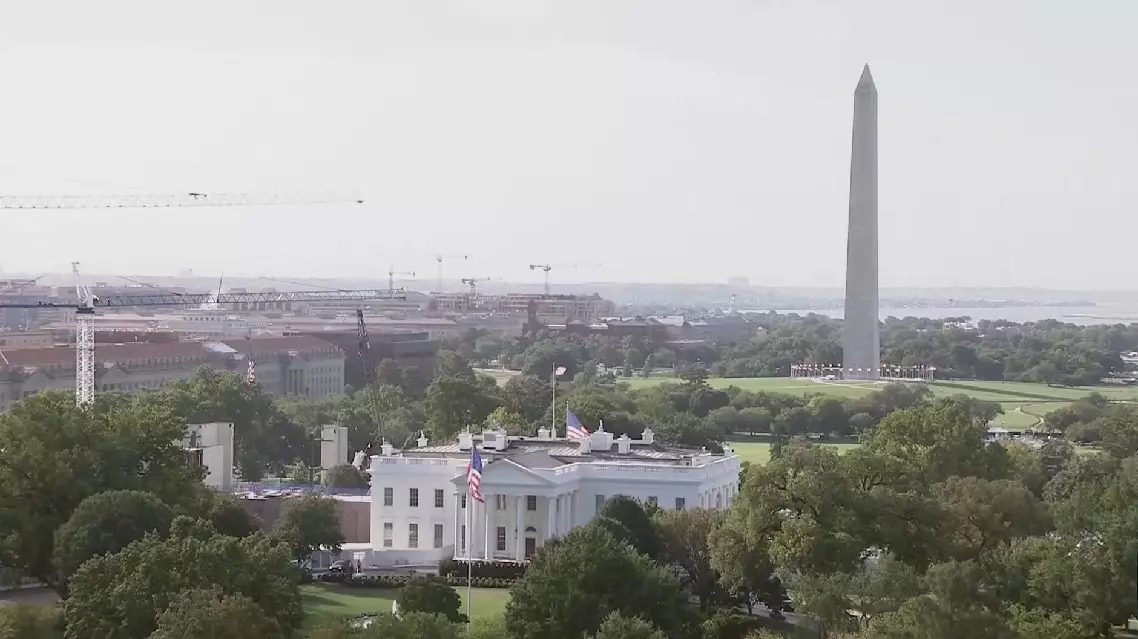
Trump raises possibility of bombing Iran after US midterm elections
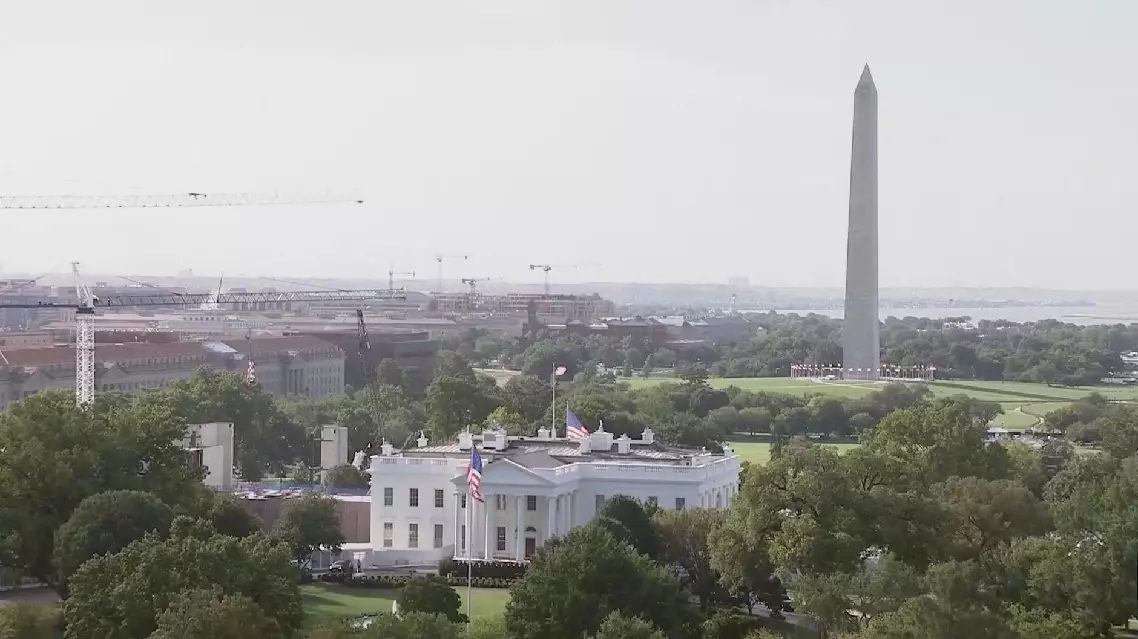
Trump raises possibility of bombing Iran after US midterm elections
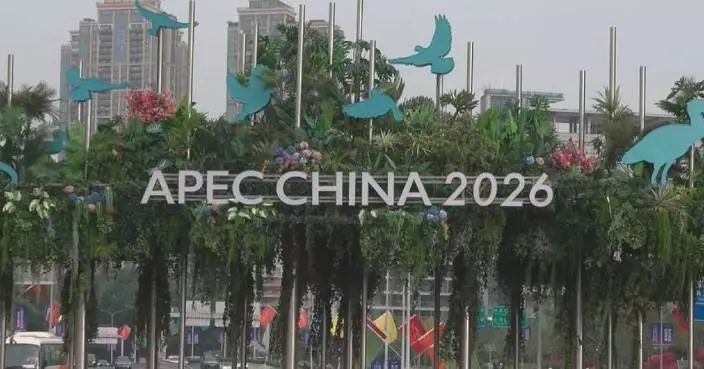
Corporate leaders have held in-depth discussions on the digital economy, artificial intelligence and other core issues at the Asia-Pacific Economic Cooperation (APEC) CEO Summit 2026, which opened Tuesday in Shenzhen, south China's Guangdong Province.
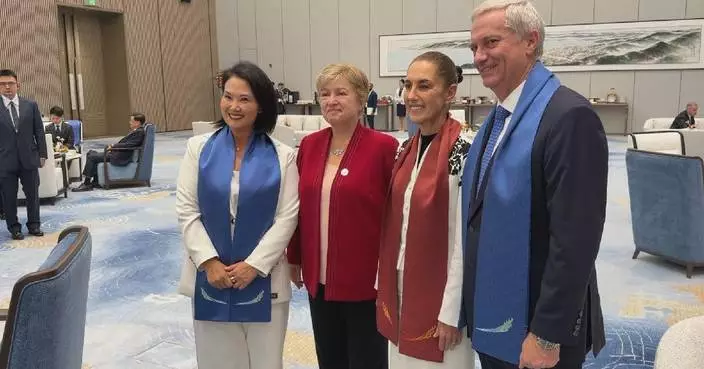
As an important part of the 2026 APEC Economic Leaders' Week, the two-day summit has brought together more than 2,000 political and business delegates from 21 APEC member economies and 13 non-member regions.
Participants include representatives from 115 Fortune Global 500 companies, as well as heads of several international organizations and business associations from Russia, the United States and other economies.
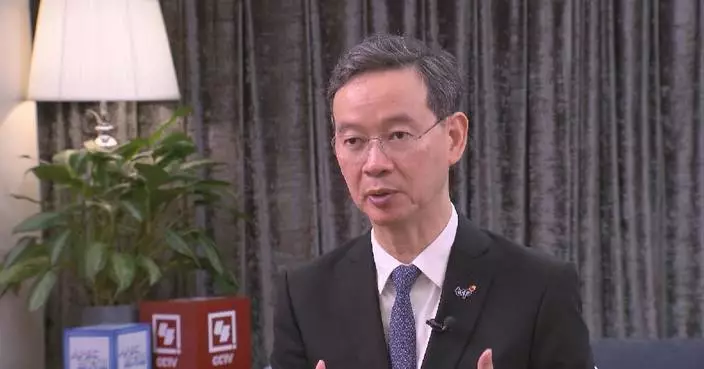
On the sidelines of the summit, corporate leaders said all parties should deepen cooperation in the digital economy and artificial intelligence, promote green and low-carbon transformation, and continuously turn innovation advantages into growth momentum for the Asia-Pacific economy.
"In fact, China is very determined to invest in AI, and the investment period is also very long. So we have realized AI applications in many scenarios. For example, in unmanned driving, there are already more than 20 Chinese cities with unmanned operations. Most other APEC economies have not allowed unmanned vehicles on the road, and I think there is a lot of room for cooperation in this area. We are looking forward to more cooperation at the application level," said Li Yanhong, chairman and CEO of Baidu.
Deeper in the technology stack, APEC delegates turned their attention to computing power, the heavy lifting behind the region's AI ambitions.
"Computing power is the most important infrastructure for the future development of artificial intelligence. It must be jointly promoted and completed by the government and industry. This time, we talked with several APEC economies about how to cooperate on future computing power. China's computing power may support the development of the AI industry and applications in the Asia-Pacific region and other countries," said Li Jun, president of Sugon, a leading Chinese server and high-performance computing company.
Beyond the digital frontier, participants called for a comprehensive connectivity network, greater cooperation in trade digitalization, cross-border e-commerce and smart customs, and deeper international collaboration in industrial and supply chains.
"In the APEC economies, I think both the industrial chain and the supply chain in China are very stable and strong, so the manufacturing industry in China is also very flexible, allowing consumers of APEC economies to enjoy a stronger experience," said Lei Jun, CEO of Xiaomi Group.

Corporate leaders gather in Shenzhen for APEC CEO Summit, eyeing digital economy, AI