Iraqi Prime Minister Ali al-Zaidi confirmed Thursday the complete and final withdrawal of U.S.-led coalition forces from Iraq, declaring the full realization of national sovereignty.
In a statement addressing the nation, al-Zaidi said October 1 marked the beginning of a "new chapter in Iraq's journey."
He also said that October 1 marked the start of a process to address the issue of weapons outside state control under a roadmap extending no later than June 30, 2027.
"The government will work toward the complete disarmament of all non-Iraqi armed groups present on Iraqi territory, in a manner that safeguards the country's security and stability and ensures control of its borders," al-Zaidi said.
The remarks came a day after he officially announced the conclusion of the U.S.-led coalition's mission to combat the Islamic State (IS) in Iraq.
The U.S.-led coalition was formed in 2014 to assist Iraqi forces in fighting the IS after the extremist group seized large swathes of territory in Iraq and Syria.
Iraqi forces, backed by the coalition, later defeated the group's territorial presence in Iraq in 2017, while the coalition continued operations against its remaining militants.
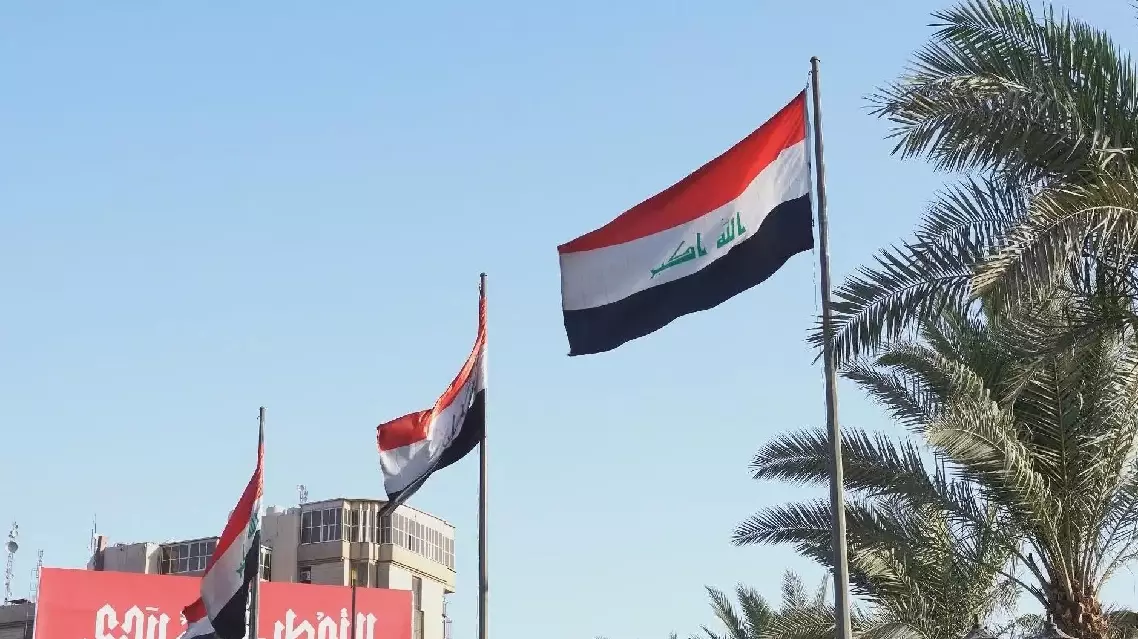
Iraqi PM declares full sovereignty as US-led coalition completes final withdrawal
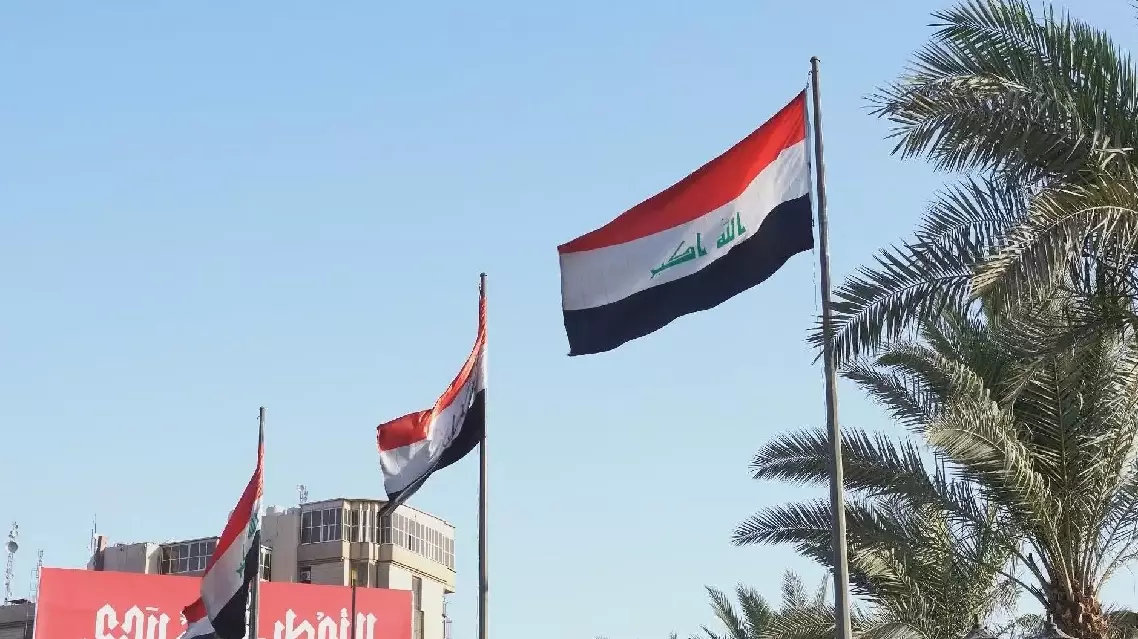
Iraqi PM declares full sovereignty as US-led coalition completes final withdrawal
Iranian President Masoud Pezeshkian said on Thursday that his country will never shy away from dialogue with the United States.
"We have never shied away from talks, and we never will, although the United States has targeted our country three times despite having signed an agreement," the semi-official Tasnim News Agency quoted him as saying.
He criticized the U.S. for not seeking talks with Iran, saying Tehran is weighing Washington's response to its latest proposal.
Iran said a day earlier it had received a formal U.S. reply to its proposal on reopening the Strait of Hormuz.
U.S. media reported Thursday that U.S. President Donald Trump said Washington may ramp up military strikes against Iran after November's midterm elections.
A day earlier, Trump told reporters military action could come if no deal is reached with Iran, adding the time for a decision is drawing near.
The U.S. and Iran held a new round of indirect talks in New York on Monday. U.S. media said negotiations hit an impasse as neither side was willing to make concessions. Iranian Foreign Minister Abbas Araghchi has returned to Tehran from New York.
Earlier, Araghchi announced at a news conference at the UN headquarters in New York on Sept. 25 that Iran had relayed conditions for reopening the Strait of Hormuz and advancing negotiations to Washington via Qatar.
According to U.S. media reports, Iran has proposed reopening the Strait of Hormuz within seven days if the U.S. lifts its naval blockade, lifts oil sales sanctions, and restores a regional ceasefire. Trump said on Sept. 26 he had rejected the proposal.
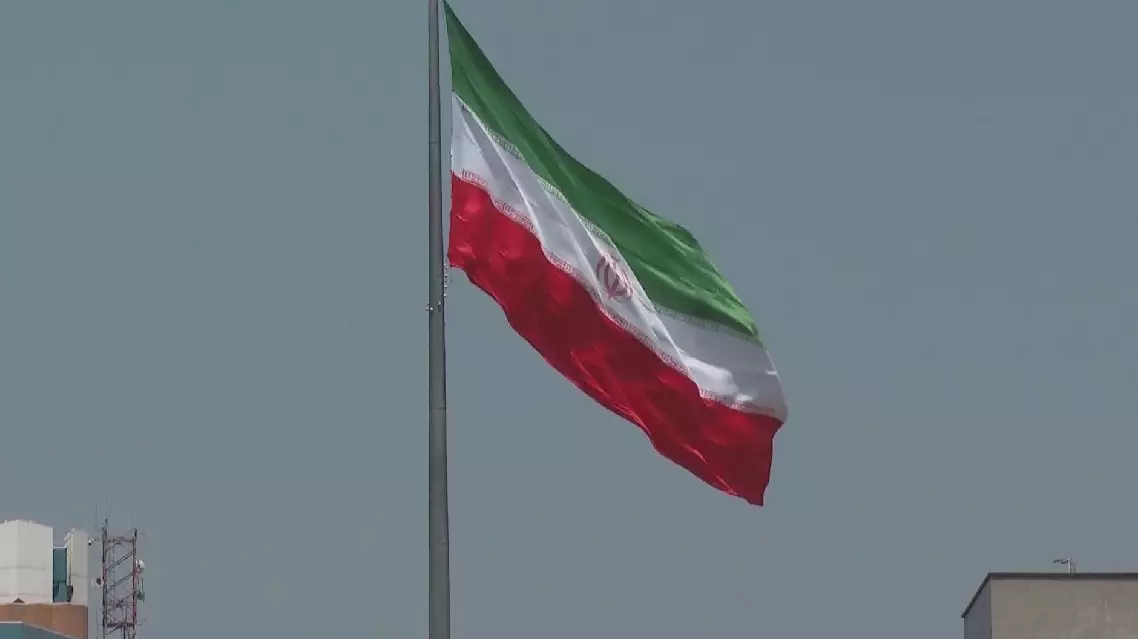
Iran not to shy away from dialogue with U.S.: Iranian President