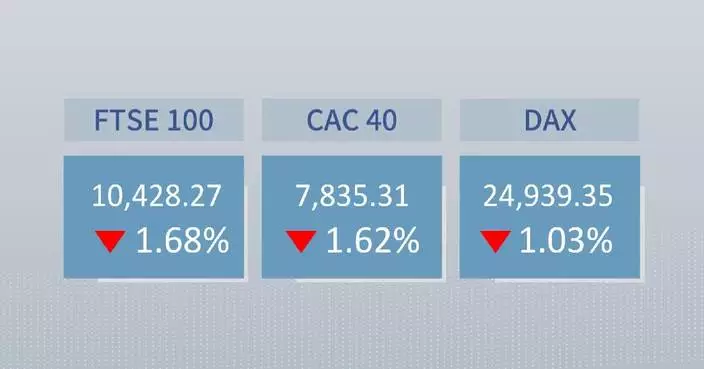
European countries have announced various measures to tackle soaring energy and fuel prices driven by geopolitical supply shocks.
Diesel prices across the European Union have hit a record average of 2.24 euros per liter, up from 1.59 euros before the war erupted in the Middle East, according to European Commission data released on Thursday.
Twelve EU member states, including Belgium, Italy, Romania and Poland, recorded all-time peaks.
In response, European countries are ramping up efforts to cushion the impact of high energy prices.
Spain has approved a 0.2-euro-per-liter cut in petrol and diesel prices for October, along with a 15 percent cap on natural gas price increases and a ceiling on liquefied petroleum gas (LPG) prices.
Austria will lower mineral oil taxes on petrol and diesel in October and November, while limiting fuel retail margins to help consumers save more than 0.12 euros per liter.
In Italy, major fuel retailers, including Eni, Kuwait Petroleum's Q8 and Azerbaijan's state oil company, have introduced retail price caps covering roughly half of the country's petrol stations.
Greece has raised its diesel subsidy to 15 cents per liter from 10 cents, with additional measures for heating oil to be announced before Oct 15.

European countries roll out measures to curb surging energy prices
U.S. stocks finished modestly higher on Thursday as benchmark Treasury yields eased from fresh multi-decade highs, though gains were capped by advancing crude oil prices and mixed corporate results.
The Dow Jones Industrial Average rose 20.51 points, or 0.04 percent, to 50,926.56. The benchmark Standard and Poor's 500 added 14.91 points, or 0.19 percent, to 7,666.45, while the tech-heavy Nasdaq Composite Index gained 10.53 points, or 0.04 percent, to finish at 26,871.6.
Six of the 11 primary Standard and Poor's 500 sectors closed in negative territory, with healthcare and communication services pacing the decliners by dropping 1.3 percent and 1.19 percent, respectively. Energy and industrials led the advancers, climbing 1.92 percent and 1 percent, respectively.
In the fixed-income market, borrowing costs pulled back from intraday highs. The yield on the benchmark 10-year U.S. Treasury note eased to 5.24 percent after spiking earlier in the session to 5.34 percent, touching a new multi-decade peak. The 30-year Treasury bond yield similarly hovered near levels not seen in 24 years before moderating into the close.
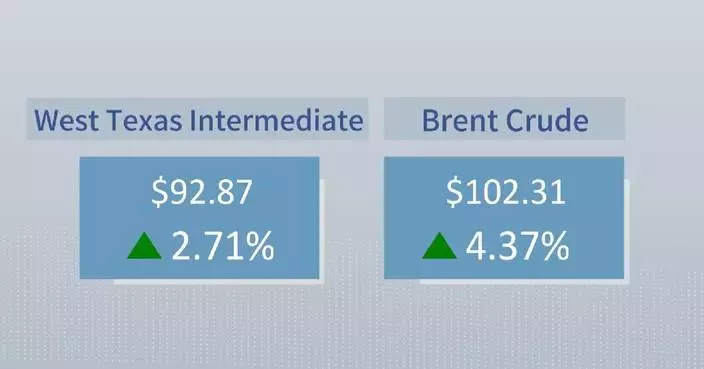
Commodity markets saw notable gains, reigniting supply-side inflation concerns. West Texas Intermediate crude for November delivery advanced 2.45 U.S. dollars, or 2.71 percent, to settle at 92.87 dollars a barrel on the New York Mercantile Exchange. Brent crude for December delivery climbed 4.28 dollars, or 4.37 percent, to close at 102.31 dollars a barrel on the London ICE Futures Exchange.
On the corporate front, Accenture soared almost 16 percent to pace the Standard and Poor's 500 after fiscal fourth-quarter earnings and revenue beat expectations and its fiscal 2027 earnings guidance came in above analysts' expectations.
Semiconductor manufacturer Micron Technology jumped over 3 percent after reporting blowout quarterly earnings, with revenue rising nearly fourfold year on year. Meanwhile, scrutiny over financing arrangements within the artificial intelligence sector intensified following a Reuters report that Broadcom agreed to lend AI startup Anthropic up to 42 billion U.S. dollars to finance infrastructure spending. Anthropic is projected to become Broadcom's largest compute customer by next year.
On the macroeconomic front, initial filings for state unemployment benefits dropped for the fourth consecutive week, pointing to resilience in the U.S. labor market. In addition, executive coaching firm Challenger, Gray and Christmas reported that planned corporate layoffs fell in September, pointing to a persistent "low hire, low fire" employment landscape ahead of Friday's nonfarm payrolls report.
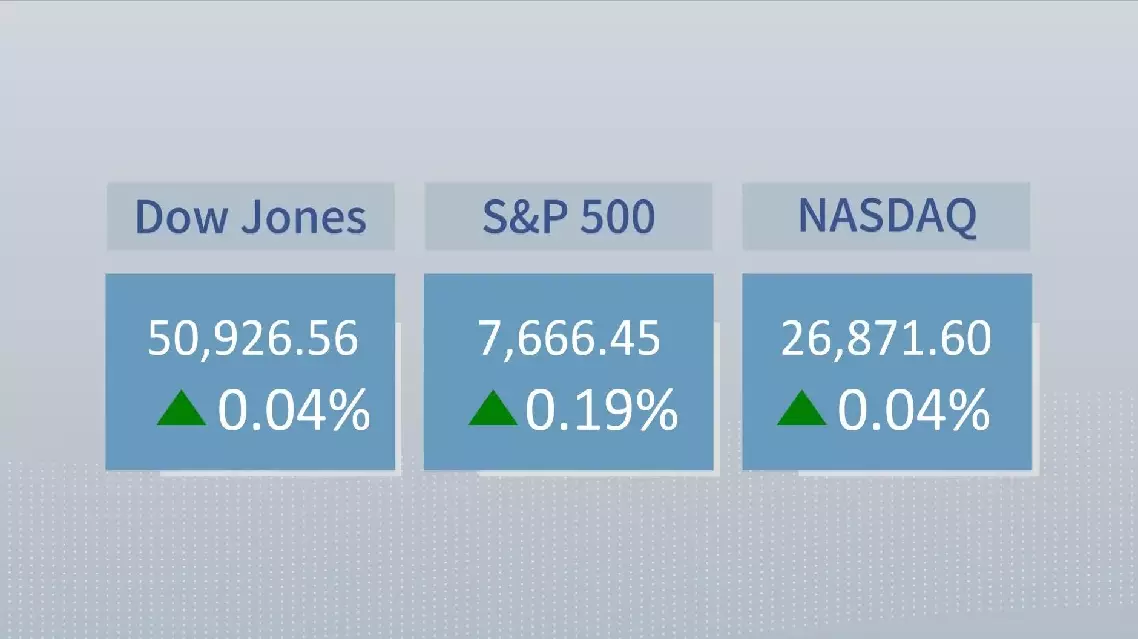
U.S. stocks edge up as chip stocks rally, bond yields retreat