Skip to Content Facebook Feature Image

Doctors warn about the risks energy drinks pose to kids. What families need to know

ENT

Doctors warn about the risks energy drinks pose to kids. What families need to know
ENT

ENT

Doctors warn about the risks energy drinks pose to kids. What families need to know

2026-10-03 20:05 Last Updated At:20:10

Sean and Heidi Cripe will never forget the call from their son's high school saying Davis was being taken to the emergency room.

“He chugged an energy drink — like, just trying to be cool,” said Sean Cripe, recounting the day nearly a decade ago.

The teen's heart soon fell out of rhythm and he died. While such deaths are rare, doctors across the country have warned for years that energy drinks contain high levels of caffeine that can seriously harm children, causing problems such as abnormal heartbeats, increased heart rate, sleep disturbances, dehydration, agitation, high blood pressure and seizures.

A newly formed coalition of doctors is highlighting these risks in the wake of a sponsorship deal between Monster Energy and the Big 12 Conference college athletic organization. The group has asked conference leaders to pause the sponsorship and the NCAA to review energy drink marketing to youths in general, citing the deaths of three children including Davis, a 16-year-old from South Carolina.

The doctors stress that they're not just concerned about Monster but all energy drinks and any similar partnerships.

“Kids are going to see energy drinks now promoted by the universities and the athletes that they admire and want to emulate,” said Dr. Matthew Nelson, an Idaho cardiologist involved with the effort. “The kids will think of them as sports drinks, which they’re not.”

Various medical groups, including the American Academy of Pediatrics, say children and teens should avoid energy drinks altogether. Yet many are not. According to the latest results of the federally funded Monitoring the Future survey, run by the University of Michigan, 23% of 12th graders, 20% of 10th graders and 18% of eighth graders reported consuming energy drinks daily.

Depending on the product, caffeine content can range from 80 to 300 mg per serving. By comparison, a typical 8-ounce coffee contains about 80 to 100 mg and some sodas contain 50 mg or less. Overall, the pediatrics academy recommends children ages 12 to 18 limit caffeine to 100 mg a day. Younger kids are discouraged from consuming any caffeine.

Caffeine and other stimulants increase heart rate and the reactivity of the nervous system – basically “how fast things go in the body, which can create an overload of the system,” said Dr. Tamara Hannon, an Indiana pediatrician who chairs the academy’s nutrition committee.

She likened it to running a blender until the motor heats up too much. “The same thing can happen when you deliver stimulants to people,” she said. “The heart can wear out, the nervous system can go haywire and you can have really serious consequences.”

While such cardiovascular dangers are real, Harvard Medical School experts say there's no scientifically valid evidence behind the common belief that caffeine can stunt a person's growth.

Children with preexisting conditions such as high blood pressure are at especially high risk, Hannon said, but even healthy children who get too much of a stimulant can have serious problems. That includes young athletes.

Another consideration: Kids often drink various types of caffeinated beverages. That was the case with Davis Cripe, who died in 2017. According to the coroner at the time, Davis had no prior heart condition and drank a Mountain Dew and a latte from McDonald’s earlier in the day. He experienced arrhythmia after having the energy drink.

It wasn’t the first time Davis drank one, although he didn’t consume them regularly.

“We had talked to him and let him know that they weren’t healthy,” Sean Cripe said. “We didn’t understand they could be deadly.”

The American Beverage Association — which includes Monster and other companies comprising 94% of the energy drink category — said members voluntarily disclose caffeine totals on product labels, which carry advisories such as: “Not intended for children, pregnant or nursing women, or persons sensitive to caffeine.” Members also don’t sell or market energy drinks in K-12 schools.

Monster Energy said in a statement that caffeine and other drink ingredients are found in a broad range of food products. “Mainstream energy drinks have been marketed worldwide for more than 30 years and more than 100 billion energy drinks have been sold and safely consumed globally,” the company added.

The deal between Big 12 and Monster calls for a co-branded logo on football and basketball jerseys, fields and courts, and across digital and social media channels.

“The energy drink category is not new to collegiate athletics,” the Big 12 Conference said in a statement, adding that beverage companies are always looking for ways to reach sports fans.

The NCAA doesn't have the authority to regulate conference or school sponsorship agreements, Dr. Deena Casiero, the association's chief medical officer, told the doctor group in a letter. She said the association offers schools educational resources on caffeine and student-athlete health, and caffeine has been a topic of interest for an NCAA committee, which recently commissioned a cardiac advisory group.

To protect children, teachers and coaches can educate them about the dangers of too much caffeine and the difference between energy drinks and sports drinks, according to the U.S. Centers for Disease Control and Prevention. Sports drinks are designed to help replace water and electrolytes lost through sweating after activity.

Parents and other adults can also model good behavior by not consuming energy drinks in front of kids.

At well visits, parents should talk with pediatricians about all the beverages their children are consuming, said Hannon, who often advises families to “Rethink your drink.”

Sean Cripe said sharing stories like his could also help children understand that energy drinks are not for them. “We just pray parents will use our stories, our tragedies, our grief, to have an impact on their own kids.”

The Associated Press’ health and science coverage receives financial support from the AP Fund for Journalism and private foundations. AP is solely responsible for all content. Find AP’s standards for working with philanthropies, a list of supporters and funded coverage areas at AP.org.
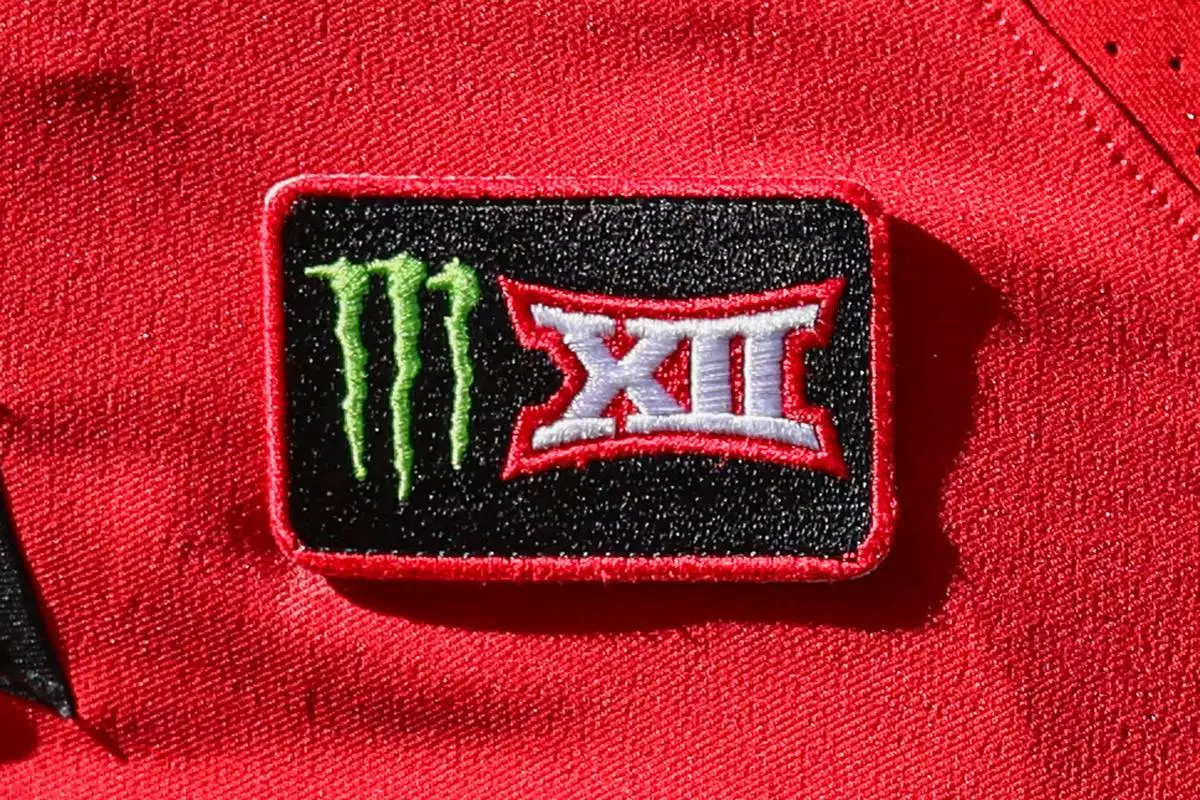
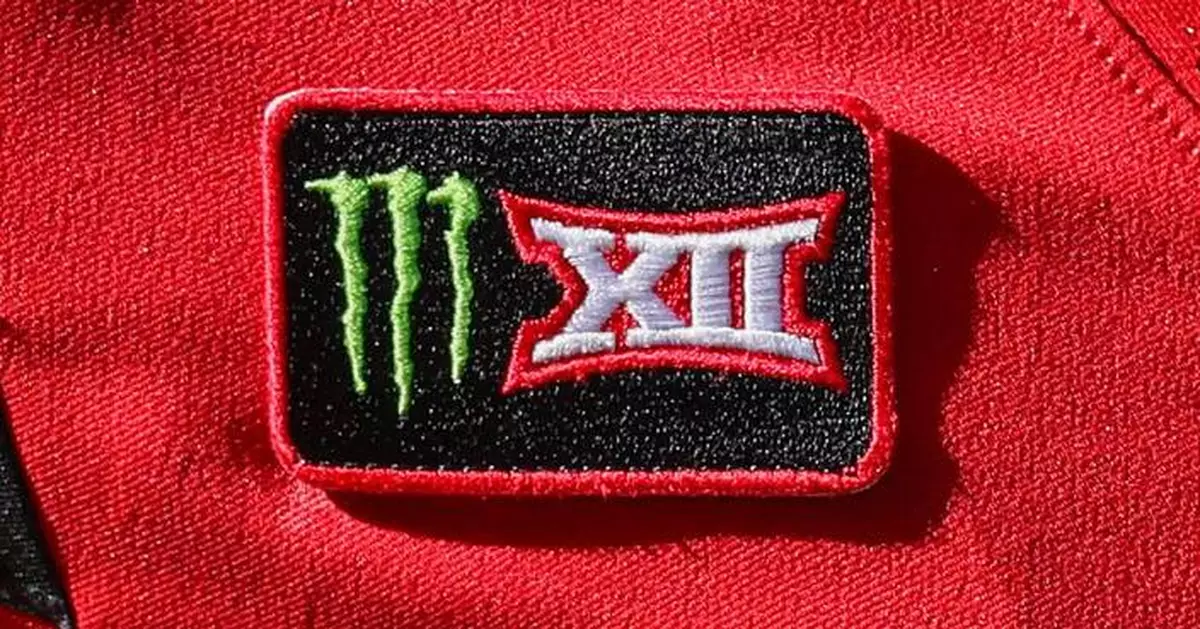
FILE - A Texas Tech player wears a Monster/Big 12 patch on his jersey during an NCAA college football game against Sam Houston State, Sept. 26, 2026, in Lubbock, Texas. (AP Photo/Chase Seabolt, File)

FILE - A Texas Tech player wears a Monster/Big 12 patch on his jersey during an NCAA college football game against Sam Houston State, Sept. 26, 2026, in Lubbock, Texas. (AP Photo/Chase Seabolt, File)
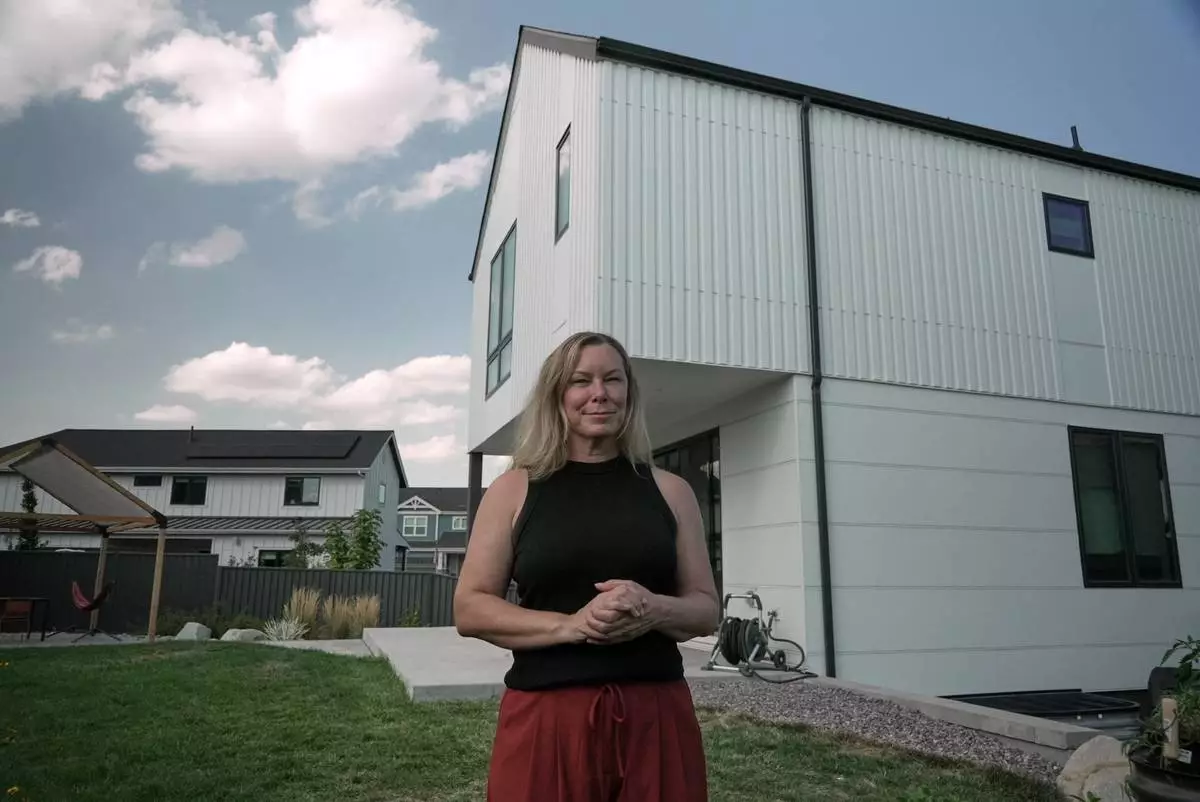
LOUISVILLE, Colo. (AP) — Less than an hour after the first warning that a wildfire was headed for her suburban street, Tawnya Somauroo's Colorado home was in ashes.

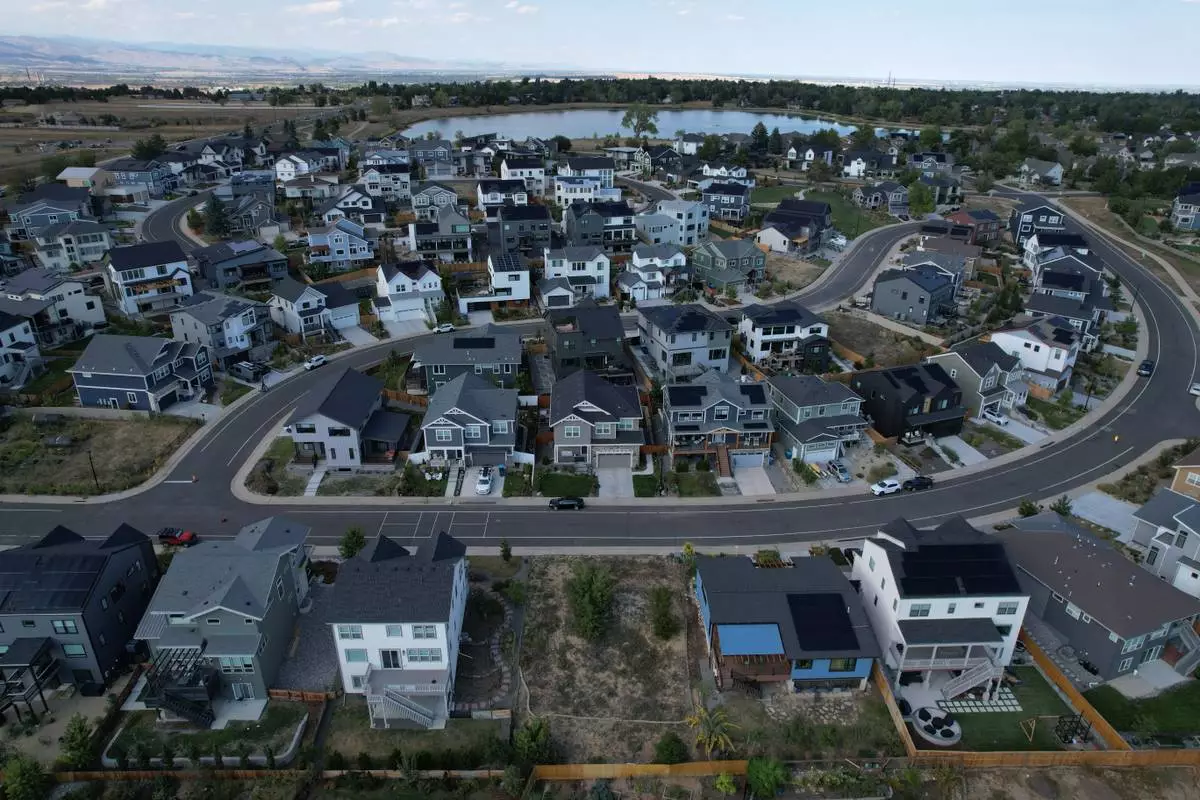
She has worked tirelessly for nearly five years to rebuild her house and help ensure her neighborhood can withstand the next blaze. But as climate change contributes to more frequent wildfires, she worries that the careful landscaping, metal fencing and flame-resistant siding are not enough.

“We lost our homes and they left us to figure out for ourselves how to make our neighborhoods safe again,” Somauroo said. “At the end of the day, it comes out of our pockets, you know? And it does feel like maybe the oil and gas industry should have a part in this.”

She lives in Boulder County, one of dozens of jurisdictions across the United States suing oil and gas companies to help pay for damage from disasters linked to climate change.

The case is part of a wave of climate change litigation across the country and the world, with billions of dollars at stake. On Monday, the first day of the Supreme Court's new term, the justices will hear the Boulder case that could decide the fate of others like it.

The city and county of Boulder first sued two oil companies in 2018, years before the fire. They argued that Suncor Energy and ExxonMobil had violated state law by deceiving the public about their contributions to climate change and sought unspecified damages to help cover the cost of worsening disasters.

The companies say that a flood of lawsuits in state courts is not the way to deal with the global issue.

“The problem is that climate change is caused by pretty much everybody living on earth,” said Phil Goldberg, special counsel for the Manufacturers' Accountability Project, an industry group. “We need to figure out how to address that. We need to address it in a very meaningful way. This litigation doesn’t do that.”

The companies have the backing of the Trump administration. Federal government attorneys say the lawsuits are a backdoor way to regulate heat-trapping greenhouse gas emissions and amount to an unconstitutional power grab.

“No one state can superimpose its own regulatory preferences on the rest — least of all to address a global problem that exists almost entirely outside its borders and affects the world at large,” they wrote.

The Clean Air Act, they say, allows the federal government, rather than states, to regulate emissions. The Republican administration has largely used that power to roll back environmental regulations.

Last month, the Environmental Protection Agency ceded some of its climate authority by repealing rules that limit planet-warming greenhouse gas emissions from power plants fueled by coal and natural gas. The move could complicate its argument.

Boulder says it is not trying to regulate emissions beyond its borders, only holding companies accountable for local costs.

“Boulder County and city aren’t trying to change what’s happening in Texas or New York, they’re trying to get compensation for things happening now in Colorado,” said Sam Sankar, senior vice president at Earthjustice, which filed an amicus brief in the case.

Climate change was considered a factor in the 2021 Marshall Fire that destroyed Somauroo’s home, after the county's suit was originally filed. The total damage was estimated at $2 billion. It was the costliest wildfire in Colorado history.

“Local county municipal governments play a very important role in helping front line communities adapt to climate change. This case could very well set a precedent,” said Chris Winter, executive director of the Getches-Wilkinson Center, an environmental research group in Colorado.

The case will come before a conservative-majority Supreme Court where environmental regulations have not always fared well, including a 2022 decision that limited the EPA's authority to regulate carbon dioxide emissions from power plants.

Only eight of the nine justices will be on the bench, though. Justice Samuel Alito recused himself just a week before arguments after facing calls to step aside because he owns stock in oil companies.

That creates the possibility of a tie vote in the case, though it's unclear how likely that might be. The court is also weighing a question that experts say is a potential “off-ramp”: whether the justices have jurisdiction to hear the case at this stage.

Whitehurst reported from Washington.

A neighborhood rebuilt after the Marshall Fire is seen from the air Monday, Sept. 21, 2026, in Louisville, Colo. (AP Photo/Brittany Peterson)

A neighborhood rebuilt after the Marshall Fire is seen from the air Monday, Sept. 21, 2026, in Louisville, Colo. (AP Photo/Brittany Peterson)

Tawnya Somauroo stands in front of her new fire-resilient home Monday, Sept. 21, 2026, in Louisville, Colo. (AP Photo/Brittany Peterson)

Tawnya Somauroo stands in front of her new fire-resilient home Monday, Sept. 21, 2026, in Louisville, Colo. (AP Photo/Brittany Peterson)

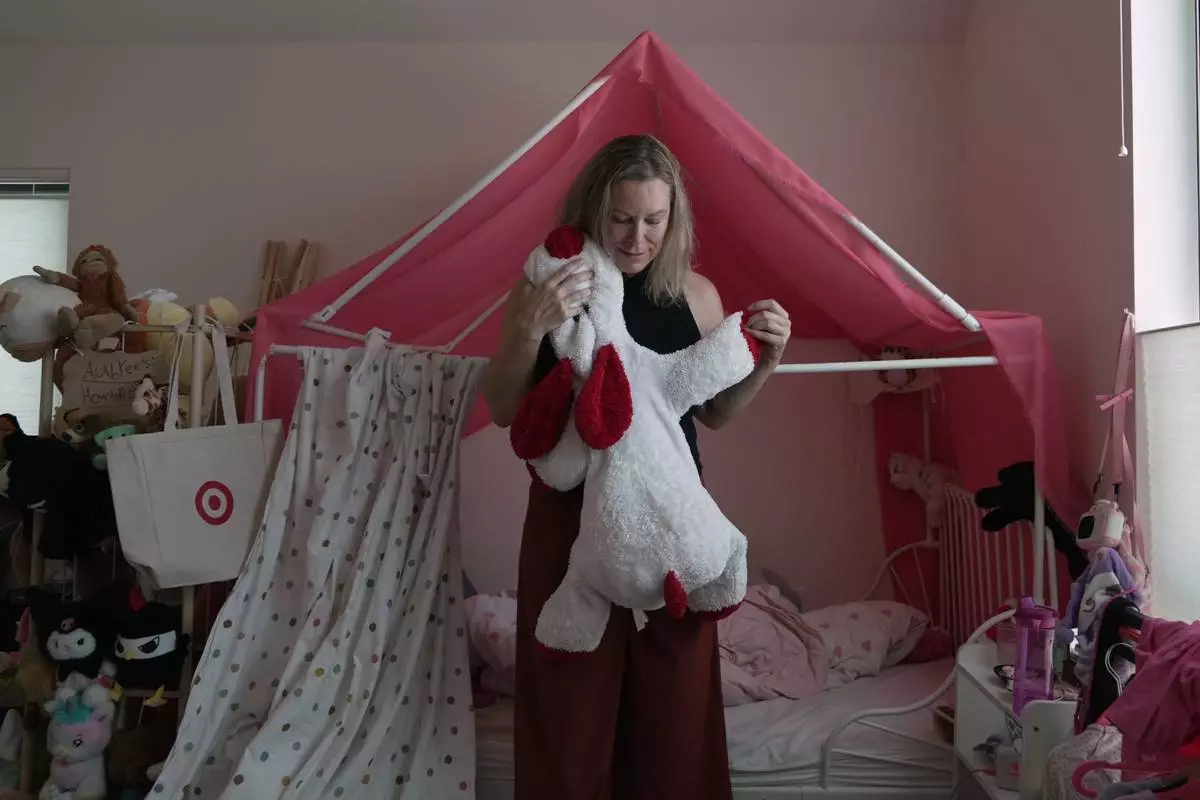
Tawnya Somauroo holds her child's stuffy she saved before their home burned, Monday, Sept. 21, 2026, in Louisville, Colo. (AP Photo/Brittany Peterson)

Tawnya Somauroo holds her child's stuffy she saved before their home burned, Monday, Sept. 21, 2026, in Louisville, Colo. (AP Photo/Brittany Peterson)

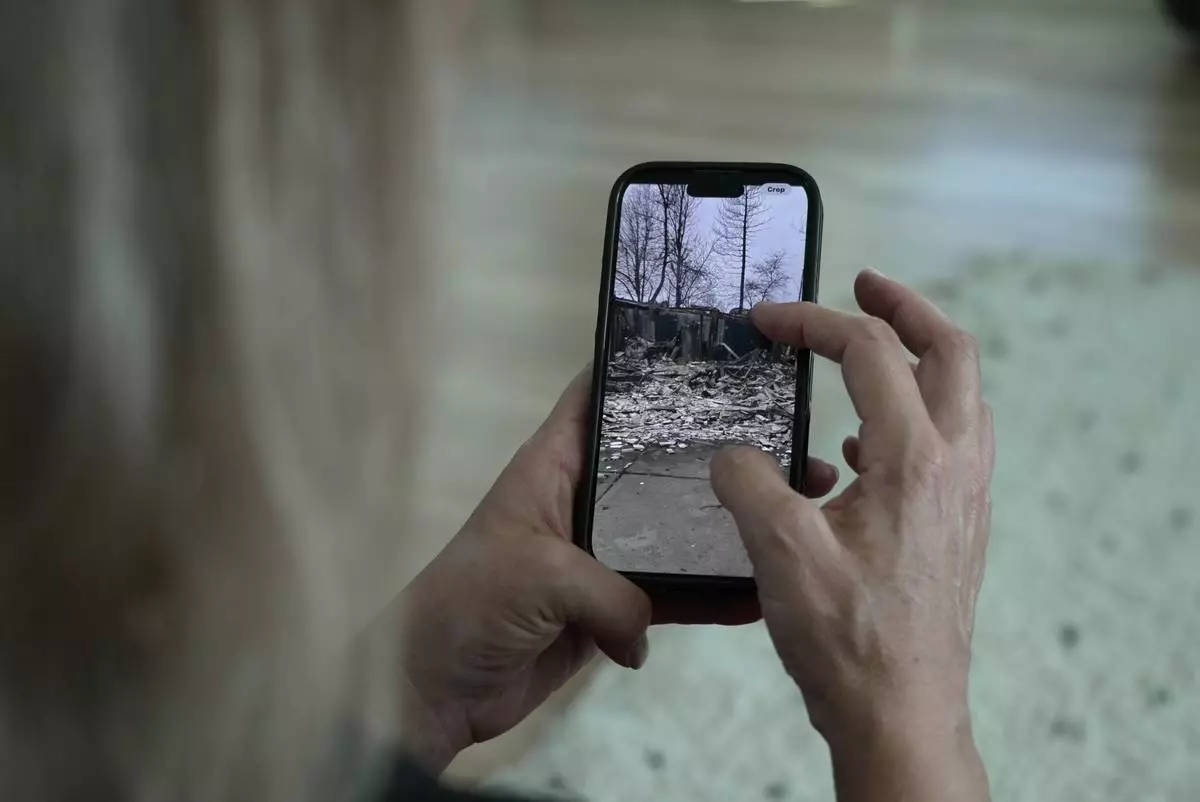
Tawnya Somauroo watches a video she took of her burned home, Monday, Sept. 21, 2026, in Louisville, Colo.(AP Photo/Brittany Peterson)

Tawnya Somauroo watches a video she took of her burned home, Monday, Sept. 21, 2026, in Louisville, Colo.(AP Photo/Brittany Peterson)

Tawnya Somauroo leans on a ledge in her new fire-resilient home, Monday, Sept. 21, 2026, in Louisville, Colo. (AP Photo/Brittany Peterson)

Tawnya Somauroo leans on a ledge in her new fire-resilient home, Monday, Sept. 21, 2026, in Louisville, Colo. (AP Photo/Brittany Peterson)

Recommended Articles